
Triptych with the Adoration of the Magi (centre panel), the Donor and his Six Sons with St Jerome (inner left wing), the Donor’s Wife and her Seven Daughters with St Catherine of Alexandria (inner right wing), St Christopher (outer left wing) and St Antony Abbot (outer right wing) — History & Facts
In a dimly lit chapel, an air of reverence hangs heavy as the three panels of a triptych unfold their stories. The middle panel, alive with the cosmic wonder of the Magi’s adoration, glistens as rays of divine light illuminate the faces of the kings, each reflecting awe and humility. To the left, the donor stands proudly with his sons, while to the right, his wife and daughters emanate grace, their expressions a juxtaposition of devotion and maternal pride.
The silence is palpable, yet the unseen threads of destiny intertwine these figures, connecting their fates before the eyes of the viewer. Look to the center panel first, where the Magi kneel, their rich robes a tapestry of reds and greens, contrasting the gentle blues of the Holy Family. Notice the intricate detailing in the gold leaf, shimmering like the stars guiding the kings. Next, shift your gaze to the left wing: the donor, flanked by his six sons, offers a solemn gesture of devotion to St.
Jerome, whose wise countenance seems to impart a weighty blessing upon them. The right wing mirrors this familial devotion, with the donor’s wife and her seven daughters nestled beside St. Catherine, embodying both strength and femininity.
The outer panels, featuring St. Christopher and St. Antony Abbot, serve as sentinels, their presence grounding the sacred narrative. At first glance, one might see merely a depiction of adoration, yet this triptych is imbued with deeper meanings.
The juxtaposition of the two families highlights the transient nature of life, a destined interplay between the sacred and the mundane. The colors, while vibrant, carry an undercurrent of somber reflection; the kings, representing worldly power, bow before an unassuming child, challenging the prevailing notion of destiny. Each character is not only part of a scene but a living testament to their intertwined fates, urging viewers to ponder their own journeys. Jacob Cornelisz van Oostsanen created this triptych in 1517, during a time of religious upheaval in the Netherlands, marked by the rise of Protestantism and a decline in the Catholic Church's influence.
Working in Amsterdam, he found himself at the forefront of a vibrant artistic scene that balanced traditional themes with emerging humanist ideals. The triptych not only served as a religious artifact but also as a personal portrait of devotion, reflecting both the spiritual and familial bonds that defined his patron's life amidst a changing world.
More Artworks by Jacob Cornelisz van Oostsanen
Browse all →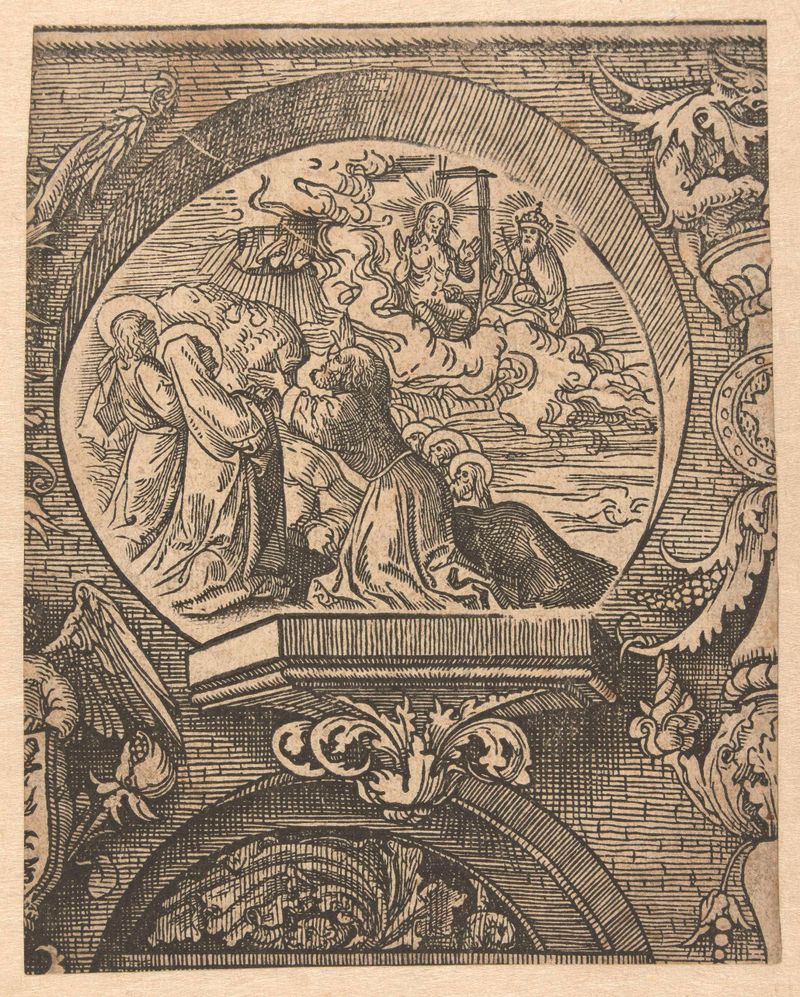
De hemelvaart en Christus voor God de Vader
Jacob Cornelisz van Oostsanen
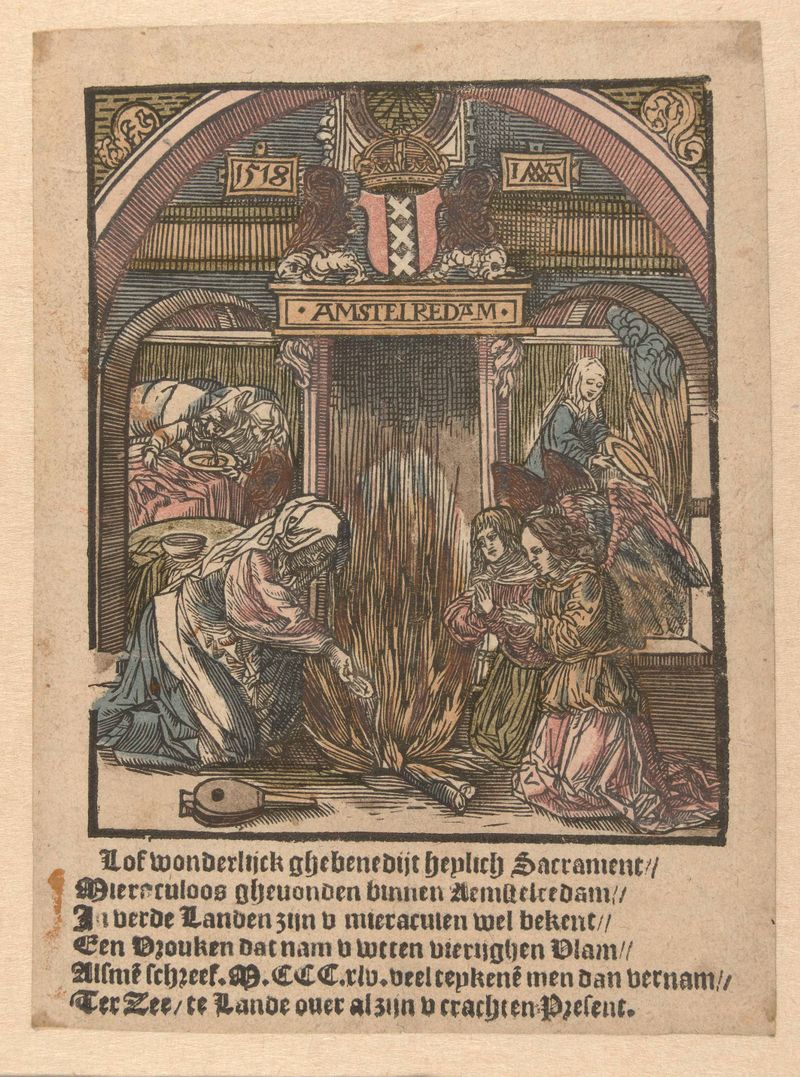
Het hostiewonder van Amsterdam
Jacob Cornelisz van Oostsanen
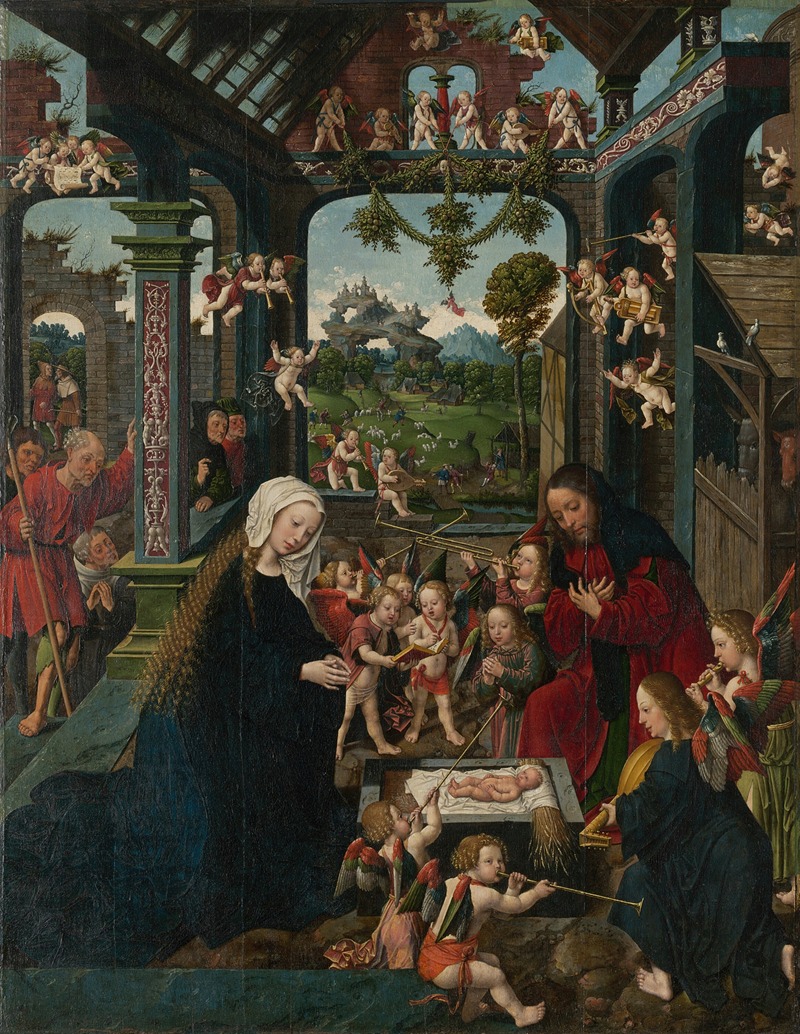
The Adoration of the Christ Child
Jacob Cornelisz van Oostsanen
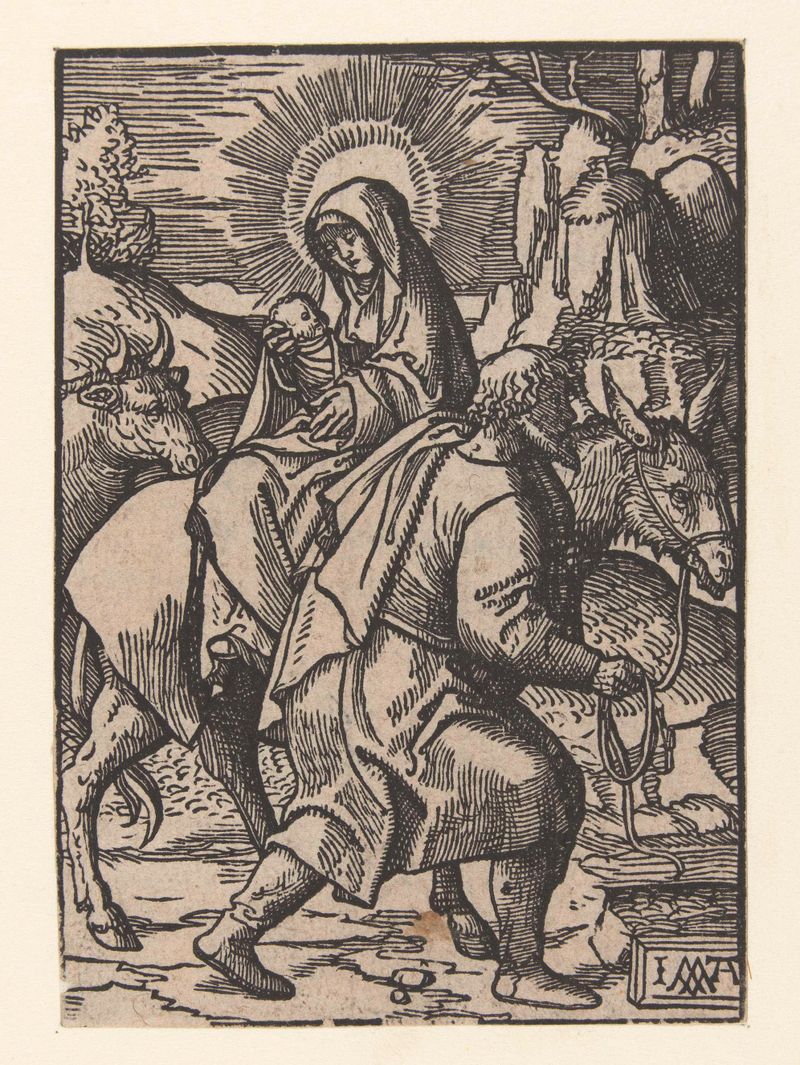
Vlucht naar Egypte
Jacob Cornelisz van Oostsanen
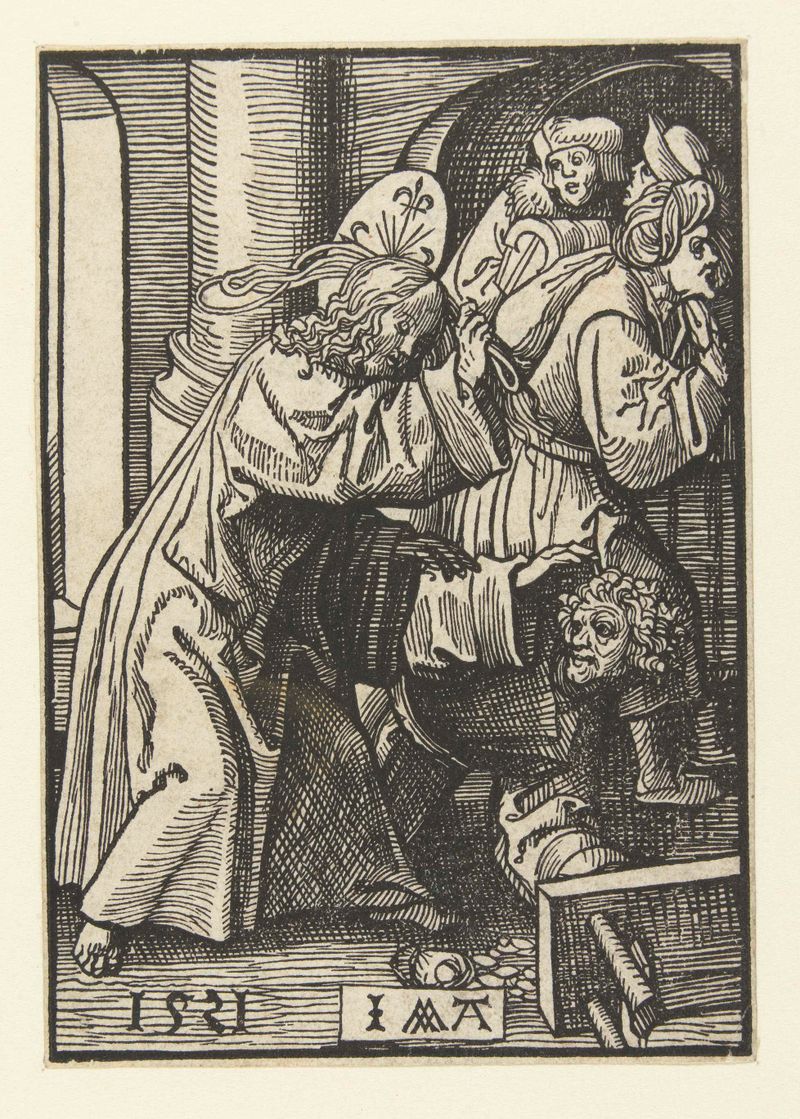
Verdrijving van de handelaren uit de tempel
Jacob Cornelisz van Oostsanen
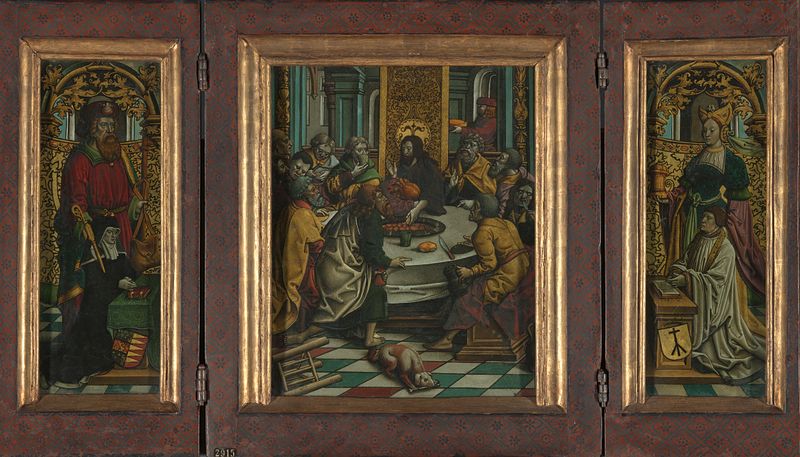
Triptych with the Last Supper and Donors
Jacob Cornelisz van Oostsanen
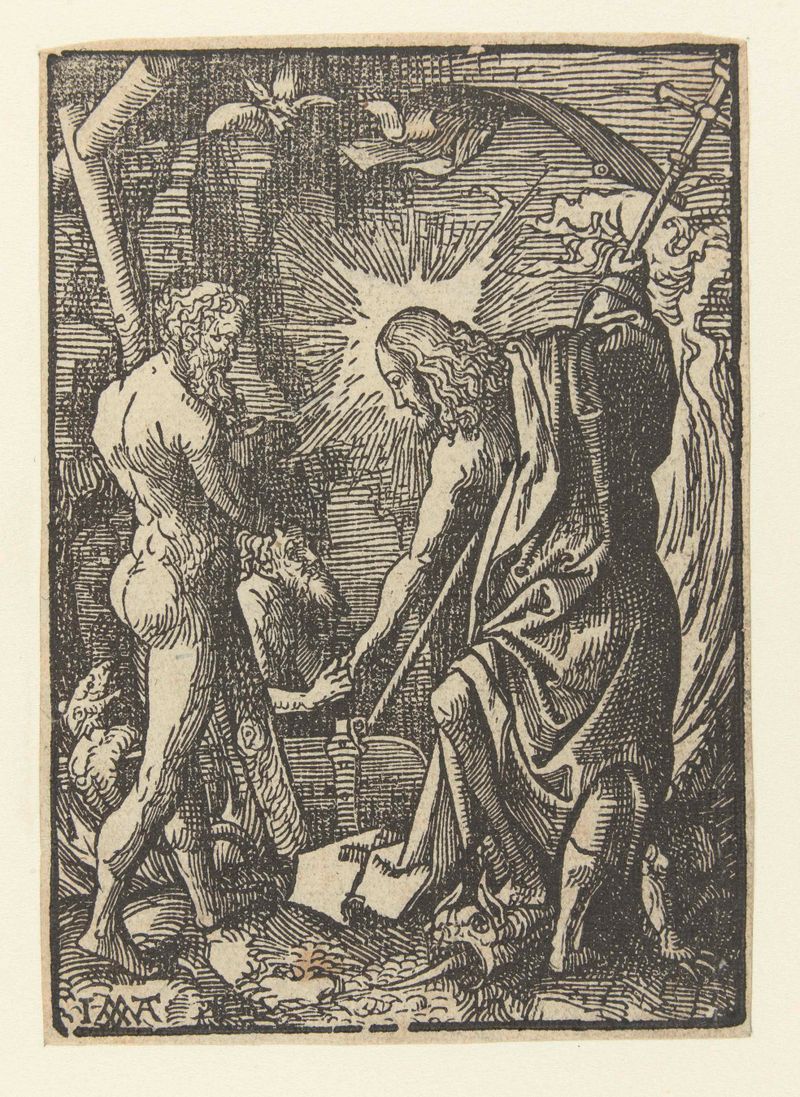
Christus in het voorgeborchte
Jacob Cornelisz van Oostsanen
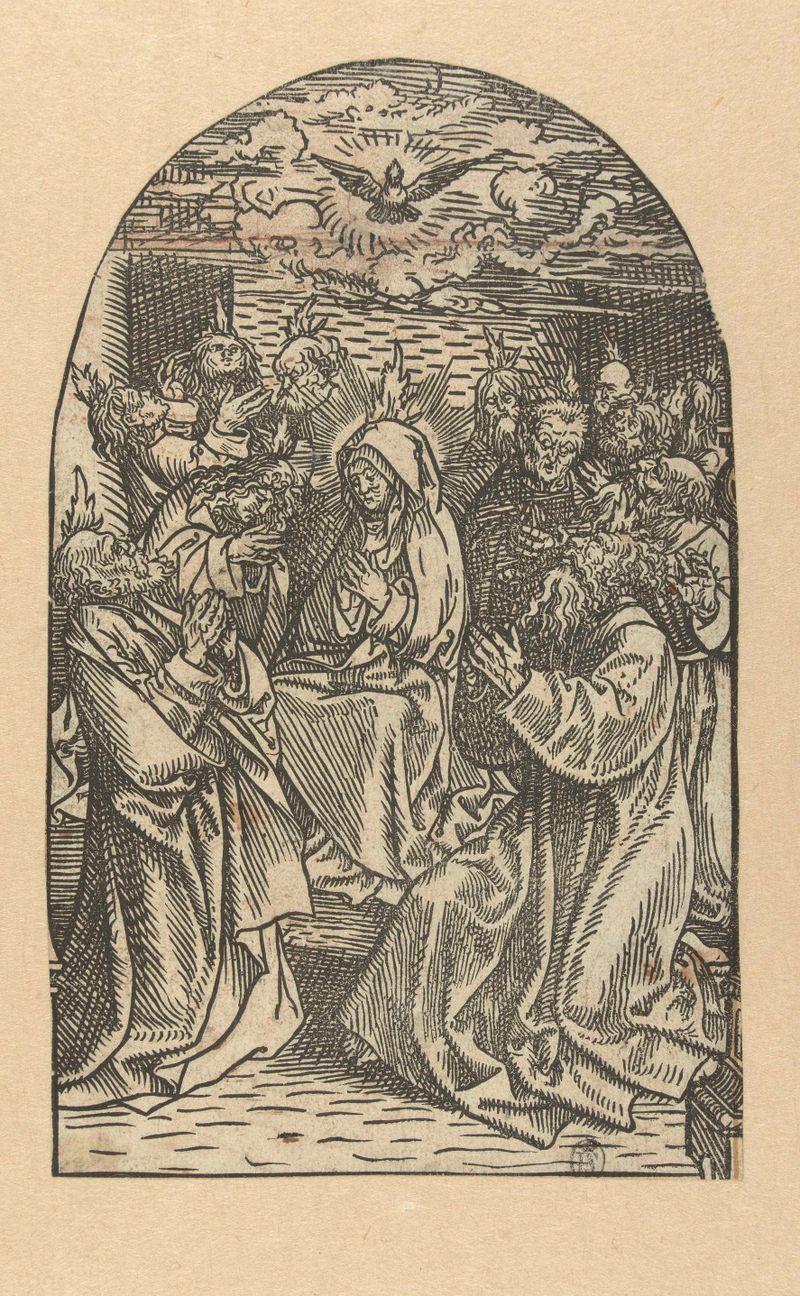
Uitstorting van de Heilige Geest
Jacob Cornelisz van Oostsanen
Christus aan het kruis
Jacob Cornelisz van Oostsanen

De kruisiging en de graflegging van Christus
Jacob Cornelisz van Oostsanen
More Religious Art
Browse all →
The Return of the Prodigal Son
Rembrandt van Rijn

The Garden of Earthly Delights
El Bosco

Count Orgaz’ funeral
El Greco

The Hundred Guilder Print: the central piece with Christ preaching, the plate arched
Rembrandt van Rijn

The Descent from the Cross
Rogier van der Weyden

The return of the prodigal son
Rembrandt van Rijn