
Troupeau de moutons au bord de la rivière — History & Facts
Can paint confess what words never could? In Troupeau de moutons au bord de la rivière, a serene tableau unfolds the quiet destiny of a pastoral scene, where nature and the rhythm of life converge seamlessly. Focus first on the lush green foreground, where the sheep graze peacefully, their woolly forms brought to life through Daubigny’s delicate brushwork. Notice how the light dances across the river, casting shimmering reflections that highlight the fluidity of water, while the trees frame the composition, creating a natural enclosure. The palette, a harmonious blend of earthy greens and soft blues, invites the viewer to linger in this tranquil moment, evoking a sense of harmony between the sheep and their environment. Delve deeper and consider the contrasts at play.
The stillness of the water juxtaposes the restless energy of the animals, hinting at the underlying tension between freedom and domesticity. Each sheep, while part of a cohesive flock, carries its own individuality, symbolizing the delicate balance between community and solitude. This duality mirrors the human experience, where one often finds solace amidst the chaos of life, suggesting a destined path shaped by both choice and circumstance. Created in 1875, this work reflects Daubigny's ongoing exploration of nature during his time in the French countryside.
As an integral figure in the Barbizon School, he sought to capture the rugged beauty of rural life. The mid-19th century was ripe with shifts in artistic expression, and Daubigny’s approach signals a transition toward impressionism, showcasing an evolving relationship with the landscape that would influence future generations of artists.
More Artworks by Charles François Daubigny
Browse all →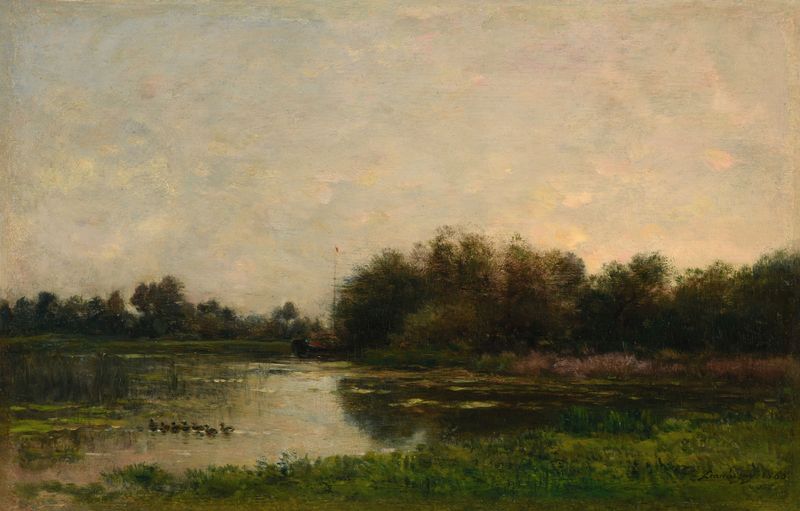
Bords de l’Oise
Charles François Daubigny
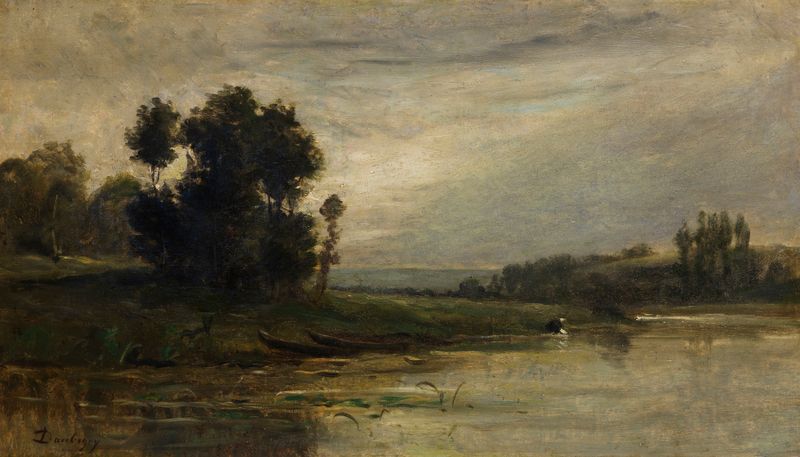
Bords de l’Oise
Charles François Daubigny
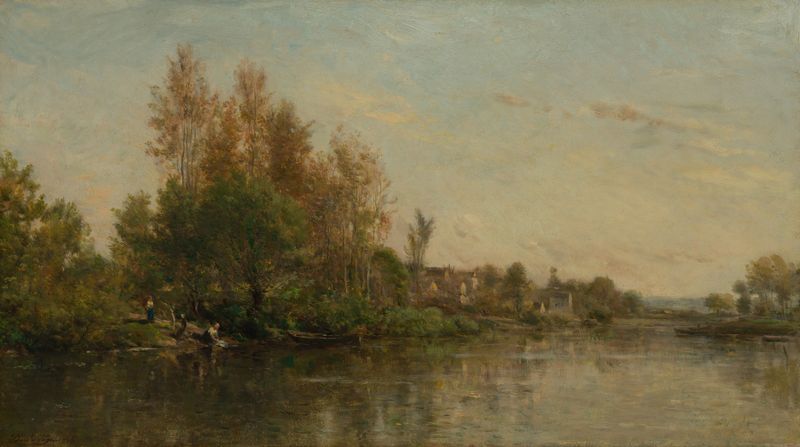
The Banks of the Oise
Charles François Daubigny
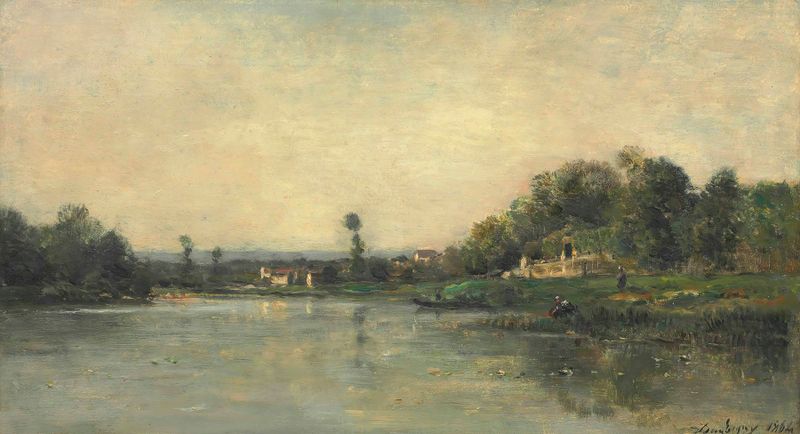
Les Bords De L’oise
Charles François Daubigny
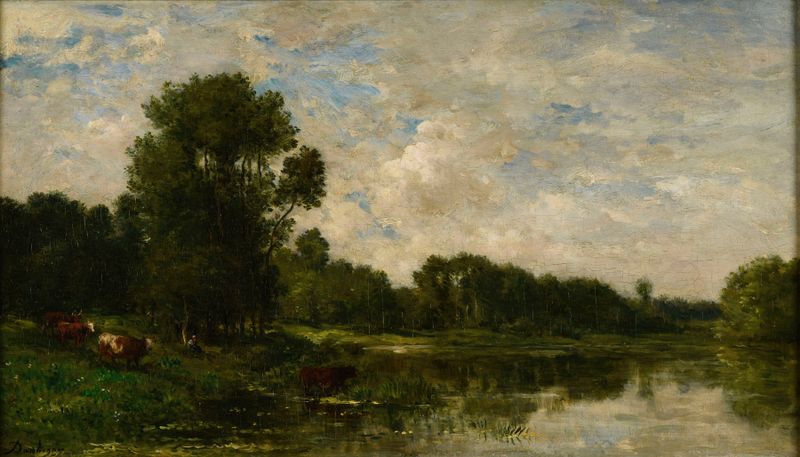
Bords de l’Oise
Charles François Daubigny
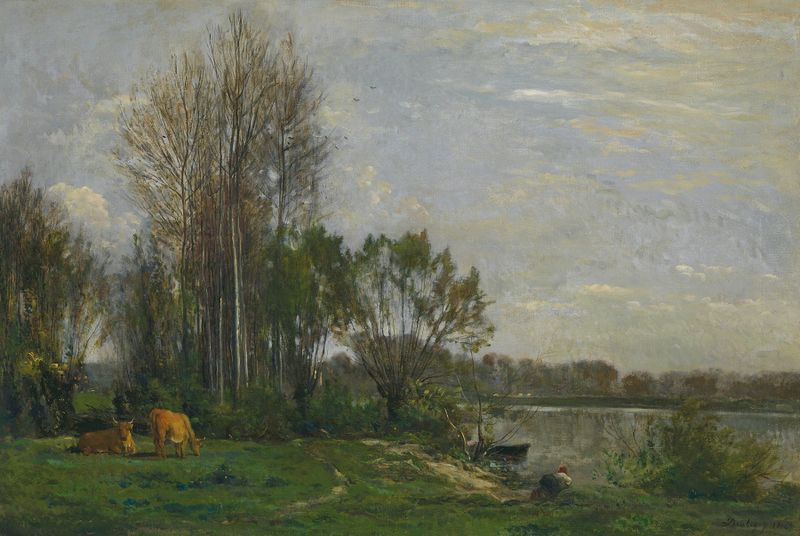
Les Bord De L’oise
Charles François Daubigny
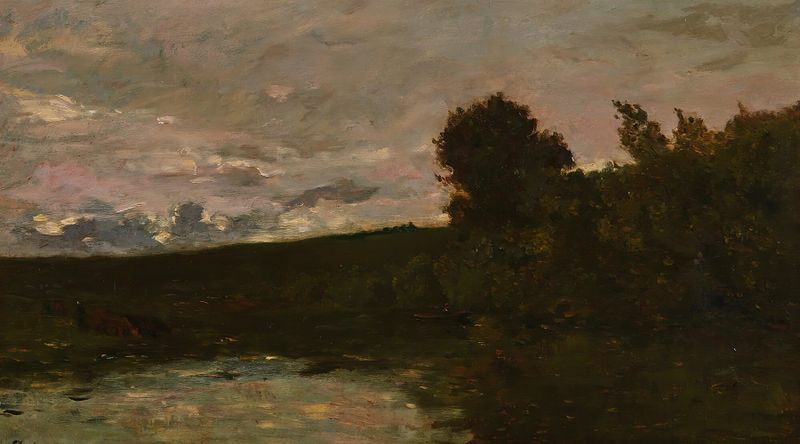
Bord De Riviére
Charles François Daubigny
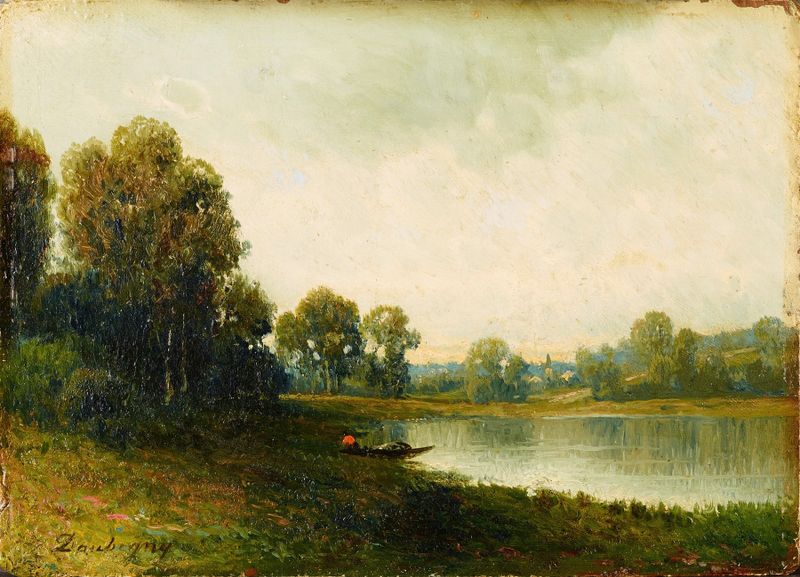
Landscape
Charles François Daubigny
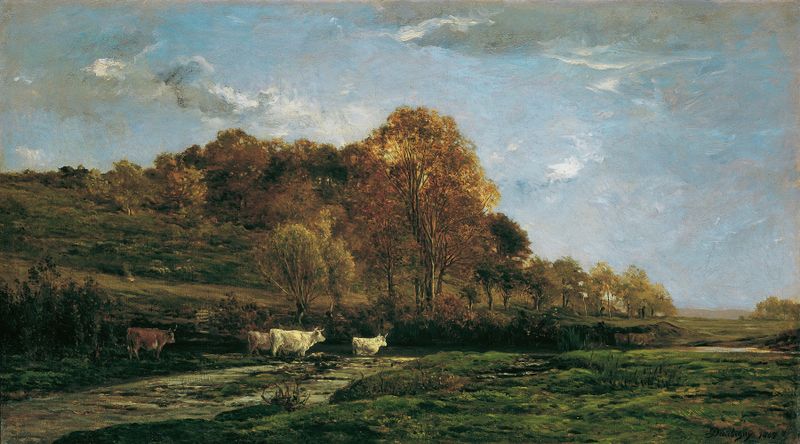
Herbstliche Aulandschaft Abendstimmung
Charles François Daubigny
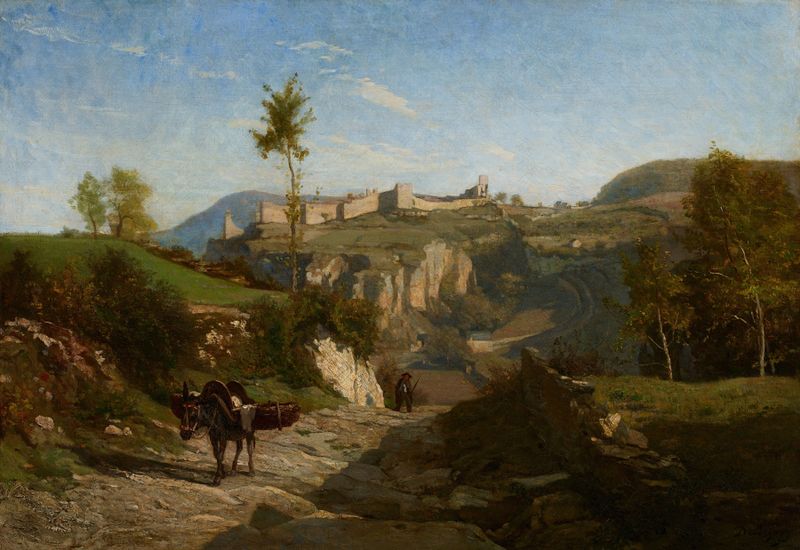
Landscape near Crémieu
Charles François Daubigny





