
Trouville, Le port — History & Facts
In the gentle embrace of nostalgia, memories unfurl like the sails of boats nestled in a tranquil harbor. Each brushstroke beckons us closer to a moment suspended in time, inviting us to lose ourselves within its serene depths. Look to the left of the canvas, where the soft hues of the sky meld into the calm waters of the port, an expanse of blues and greys that meld harmoniously. Notice the way the light dances on the surface, reflecting the cloud’s delicate shadows while also illuminating the activity of the fishermen and their vessels.
Boudin’s masterful use of color and texture creates a lively tableau, encapsulating the essence of a bustling day in Trouville. Beyond the charm of the harbor, there are undercurrents of emotion. The small figures of fishermen move with purpose, yet the stillness of the water evokes a sense of longing, perhaps for lost times or unspoken dreams. The contrast between the dynamic movements on land and the placid reflections in the water hints at the duality of human experience — activity juxtaposed with contemplation.
This tension enriches the scene, making it resonate with the viewer’s own memories and desires. Eugène Boudin painted Trouville, Le port in 1887, during a period when he was emerging as a key figure in the plein air movement, advocating for outdoor painting. At the time, the art world was undergoing significant transformation, with Impressionism gaining momentum. Boudin, already inspired by the beauty of coastal life, captured the essence of this particular place and moment, cementing his role in the evolution of modern art.
More Artworks by Eugène Boudin
Browse all →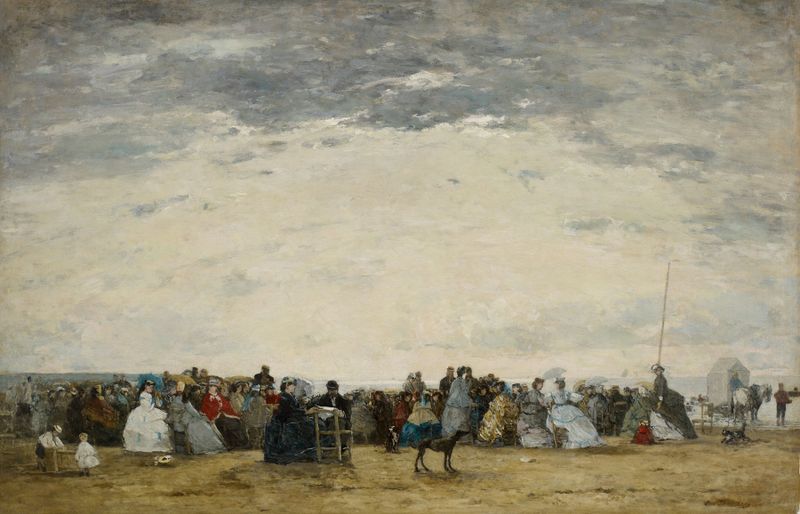
Vacationers on the Beach at Trouville
Eugène Boudin

Washerwoman near Trouville
Eugène Boudin
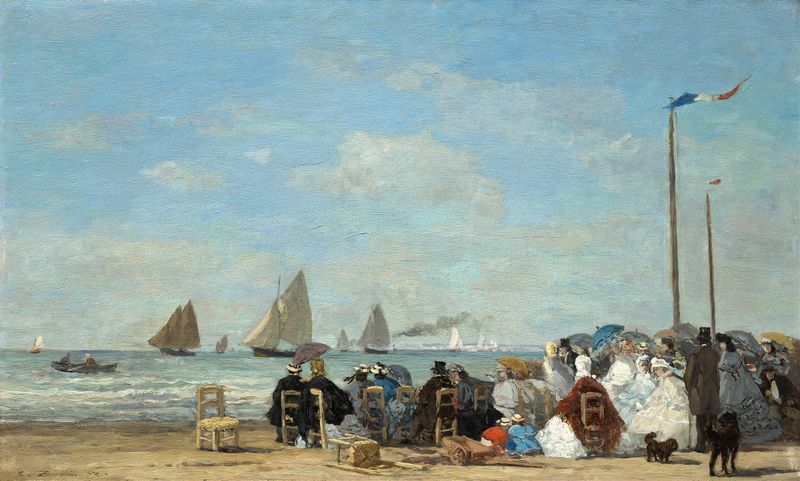
Beach Scene at Trouville
Eugène Boudin

Port aux environs d’Honfleur
Eugène Boudin

Le Faou, un coin du village
Eugène Boudin
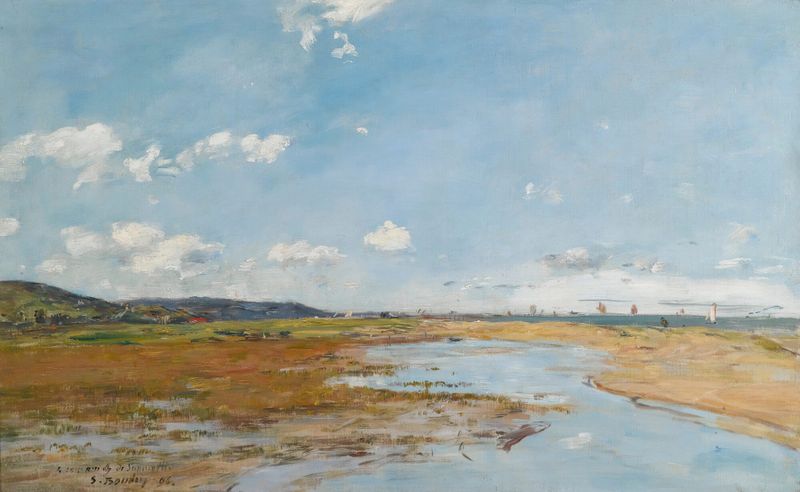
Deauville. Le Rivage
Eugène Boudin
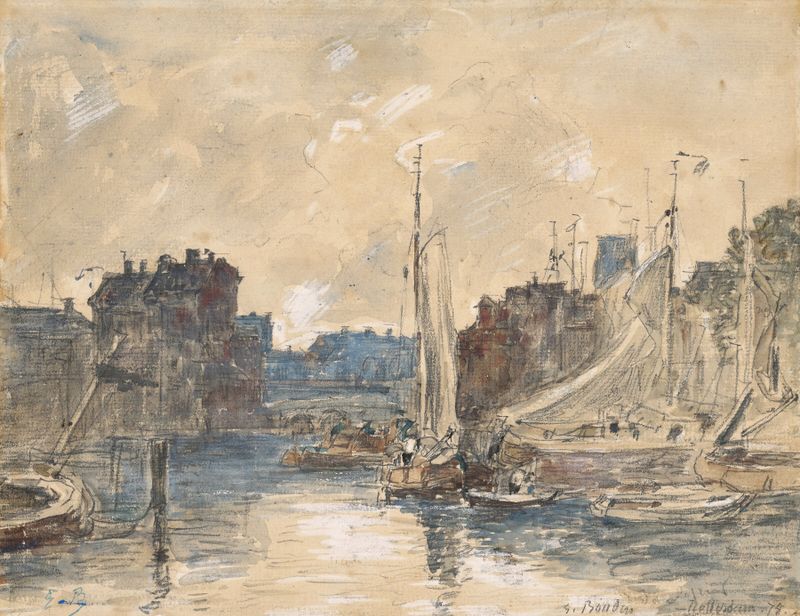
Port de Rotterdam
Eugène Boudin

View of Bordeaux, from the Quai des Chartrons
Eugène Boudin

Trouville, Scène De Plage
Eugène Boudin

Trouville, Le Port
Eugène Boudin





