Tufara — History & Facts
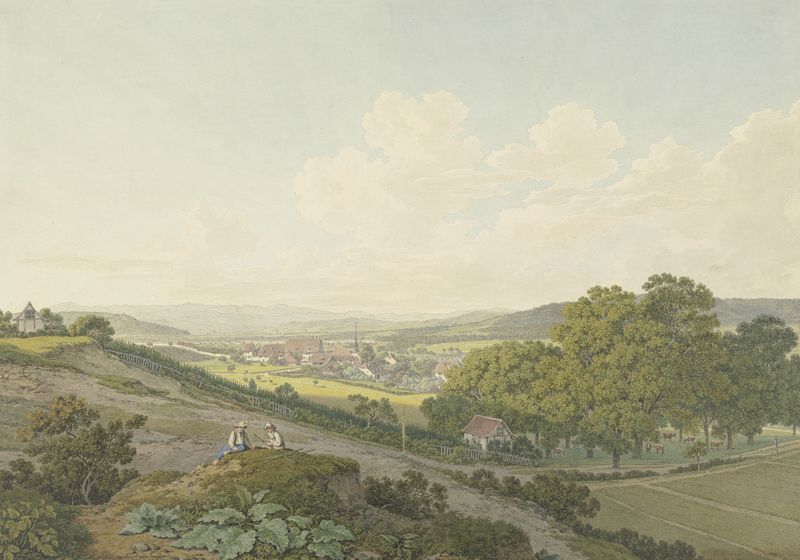
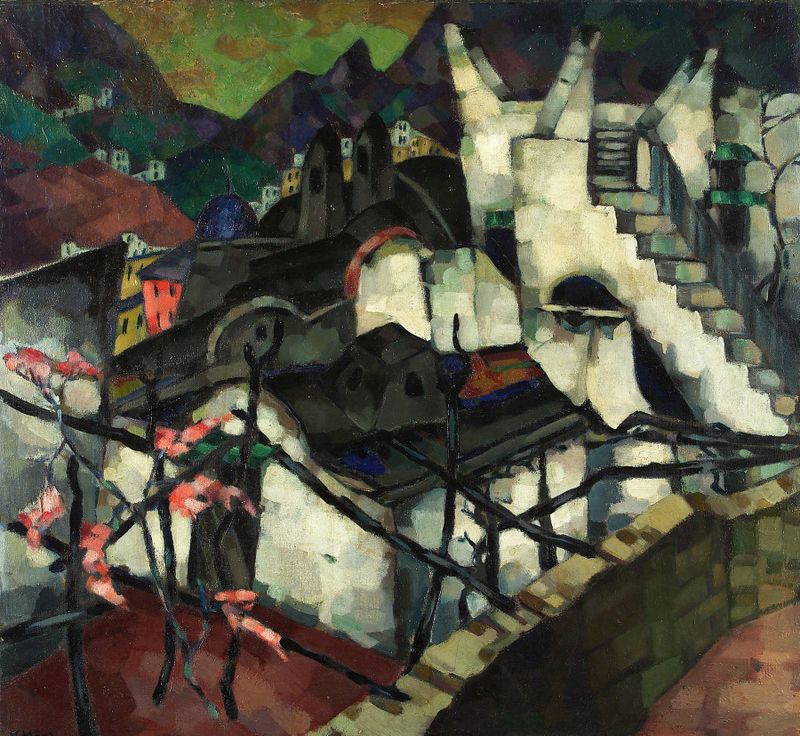
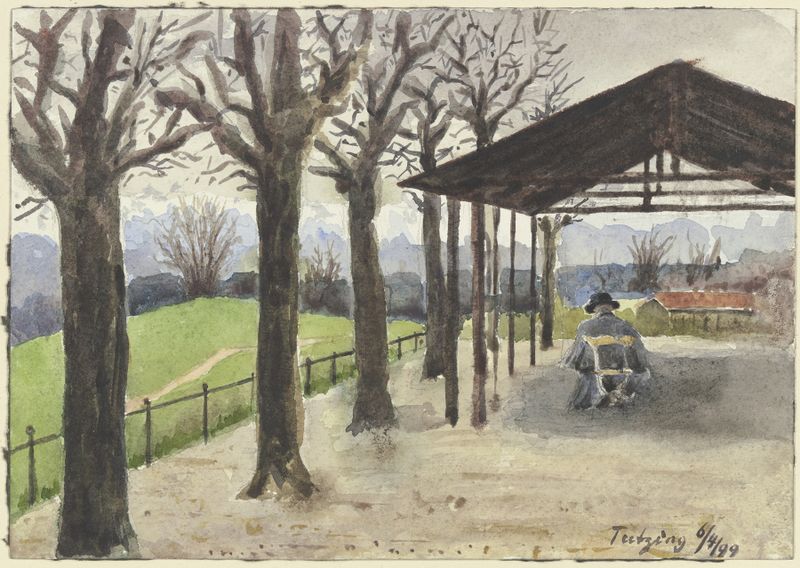
Can beauty exist without sorrow? In Tufara, the artist encapsulates a moment that resonates deep within the human experience, where destiny intertwines with both joy and melancholy. Look closely at the intricate layers of the landscape, where soft hues blend seamlessly across the sky, drawing the eye toward the lush, green hills that cradle a gentle river. Notice how the golden light spills across the canvas, illuminating the delicate play of shadow and brightness that evokes a sense of depth and tranquility. The meticulously rendered details in the foreground invite you to wander through the wildflowers, while the distant mountains linger like silent spectators, adding a monumental presence to the peaceful scene. At first glance, the painting offers a serene vista, yet hidden within its beauty lies a poignant contrast between the vibrancy of nature and the stillness of time.
The flowing river symbolizes the passage of life, evoking a sense of inevitability that speaks to the nature of destiny. Each brushstroke, from the vivid greenery to the soft azure sky, encapsulates the duality of existence — a reminder that within beauty there is often an undercurrent of longing or loss. During the period Labruzzi created Tufara, he was immersed in the neoclassical movement, where a focus on harmony and beauty prevailed. Working in Italy, he sought to capture the essence of the landscape while reflecting the sentiment of his time — a moment of exploration and introspection amidst an evolving artistic landscape.
The work stands as a testament to both his skill and the broader narrative of art, where the quest for beauty is often shadowed by an awareness of fate's fragility.
More Artworks by Carlo Labruzzi
Browse all →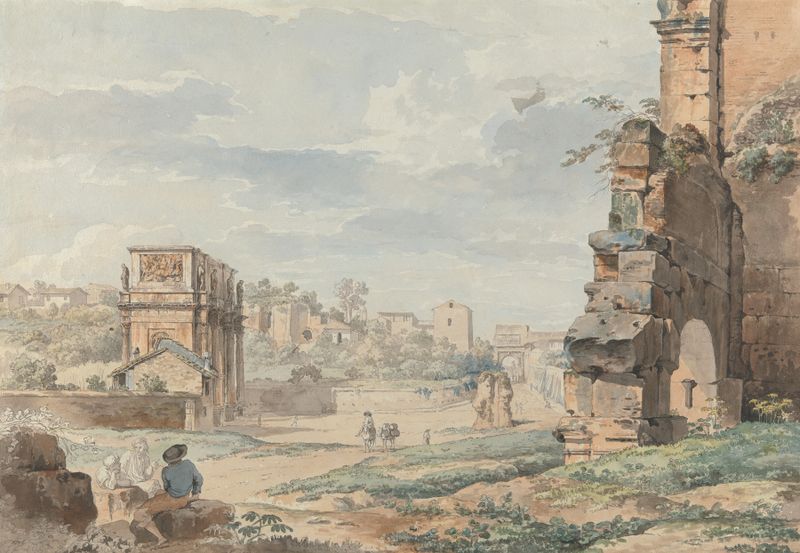
Part of the Colosseum with the Arch of Constantine and Arch of Titus in the Distance, Rome
Carlo Labruzzi
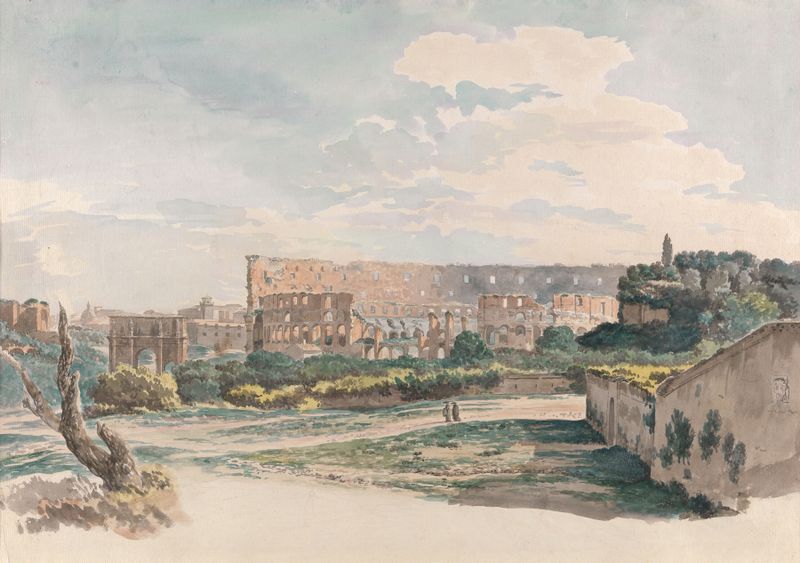
The Colosseum from the Caelian Mount, with the Arch of Constantine and a View of the Forum, Rome.
Carlo Labruzzi
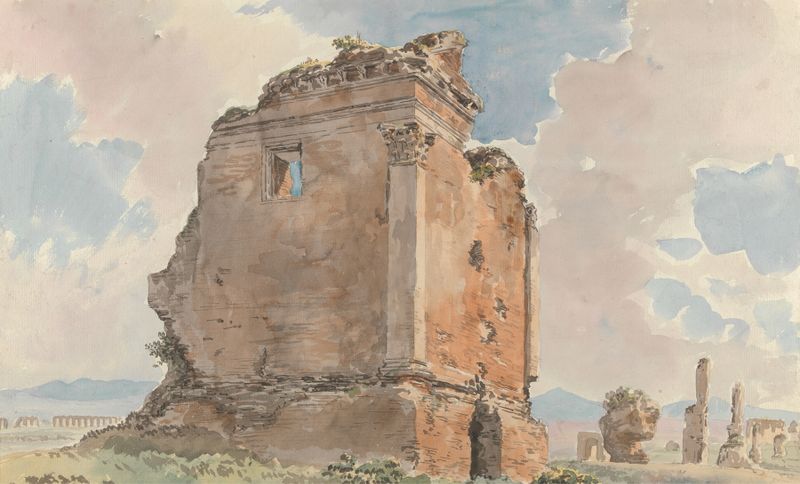
Sepulchre on the Via Nomentana in the Roman Campagna
Carlo Labruzzi
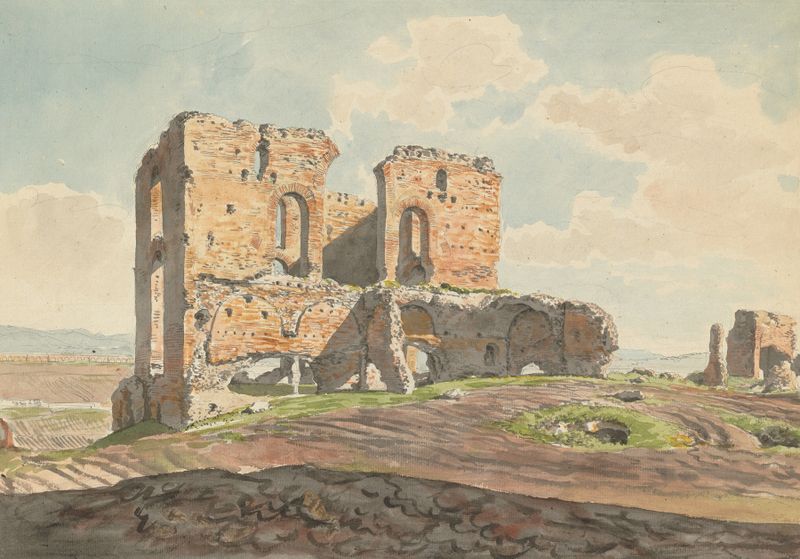
The Great Villa of the Quintilii on the Appian Way
Carlo Labruzzi
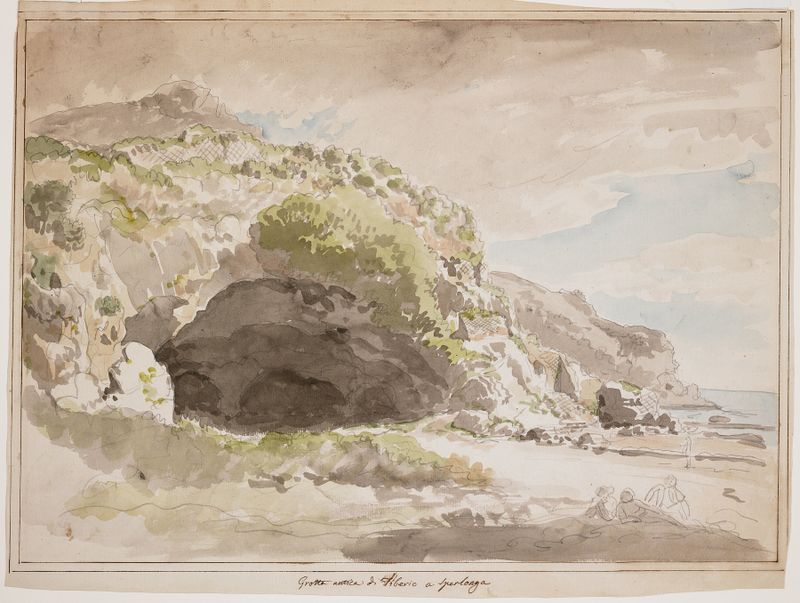
Grotto of Tiberius at Sperlonga
Carlo Labruzzi
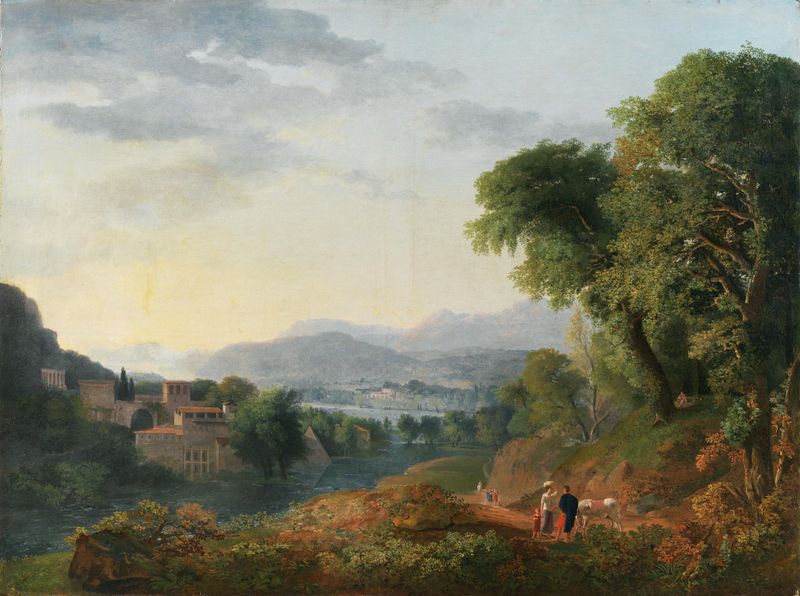
An Italianate landscape
Carlo Labruzzi
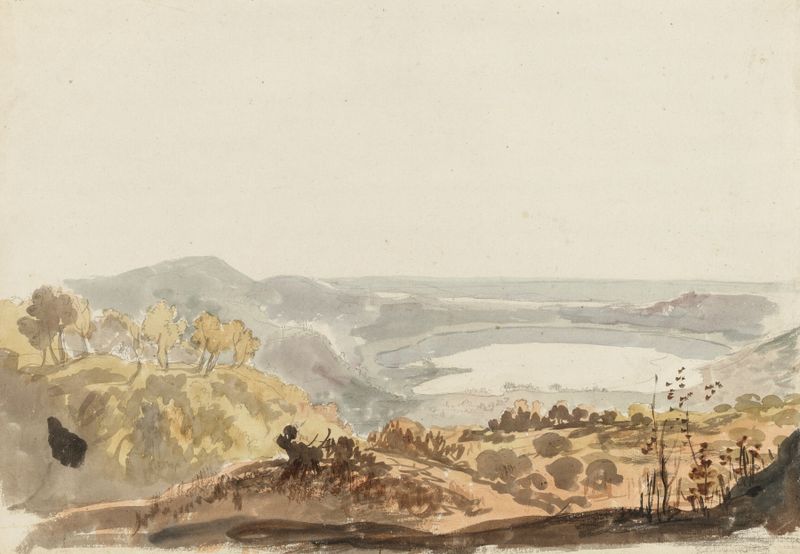
View of Lake Nemi looking towards Rome
Carlo Labruzzi
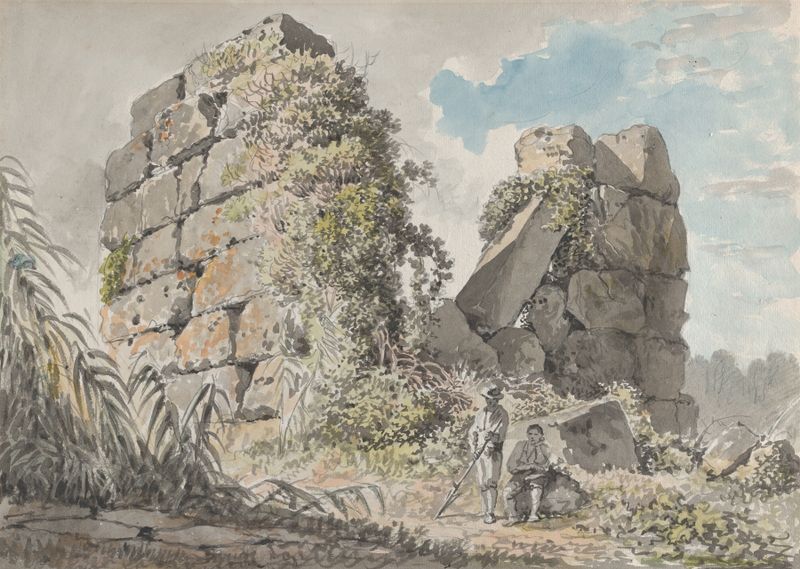
Ruins on the Right of the Via Appia
Carlo Labruzzi
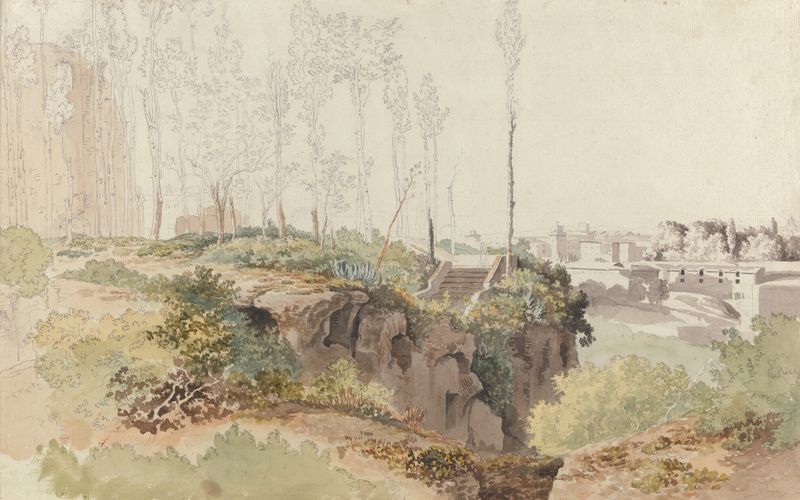
The Baths of Caracalla, Rome
Carlo Labruzzi
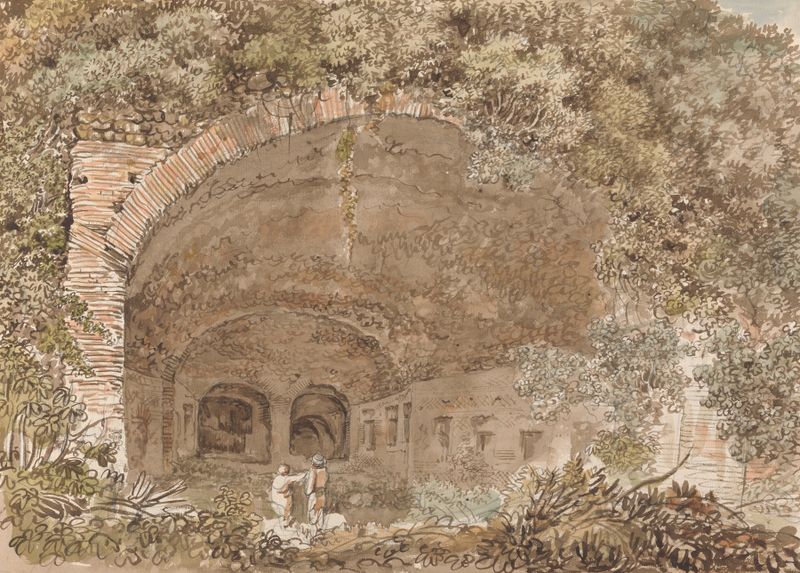
On the Appian Way
Carlo Labruzzi