Tuin met lichtgevende boom — History & Facts
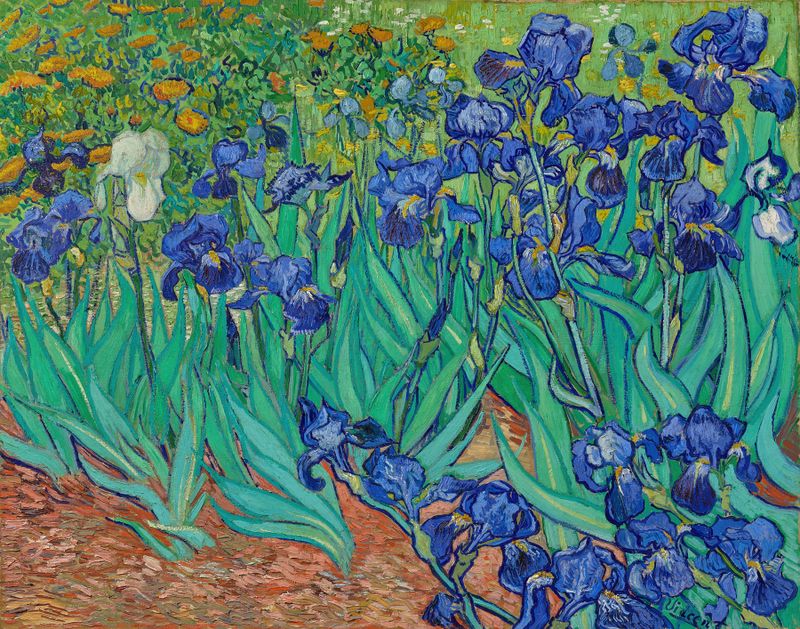
Who listens when art speaks of silence? In the stillness of Tuin met lichtgevende boom, the weight of absence hovers, echoing the deep grief hidden within its vibrant colors. Focus on the luminous tree at the center, its branches stretching outward like hands reaching for solace. The rich greens and radiant whites contrast sharply with the muted shadows surrounding it, suggesting a sanctuary caught between light and darkness. Notice how the light almost seems to pulse, inviting viewers to step closer and explore the interplay of color and emotion that envelops the scene. Delve deeper into the layers of meaning woven through this work.
The glowing tree can symbolize hope amid sorrow, a beacon of resilience rising from a garden that might otherwise feel desolate. The subtle tension between the vibrancy of the tree and the somber undertone of the surrounding foliage reflects the complexity of the human experience — a dance between vitality and loss, reminding us that beauty often dwells alongside grief. Created during a tumultuous period in art history, Tuin met lichtgevende boom emerged from the hands of Arend Hendriks between 1911 and 1943. This was a time marked by both personal and global upheaval as the artist navigated the challenges of war and the shifting art movements of his era.
Amidst this backdrop, Hendriks sought to convey the profound emotions that accompany the human condition, translating his experiences into an artwork that speaks volumes despite its silence.
More Artworks by Arend Hendriks
Browse all →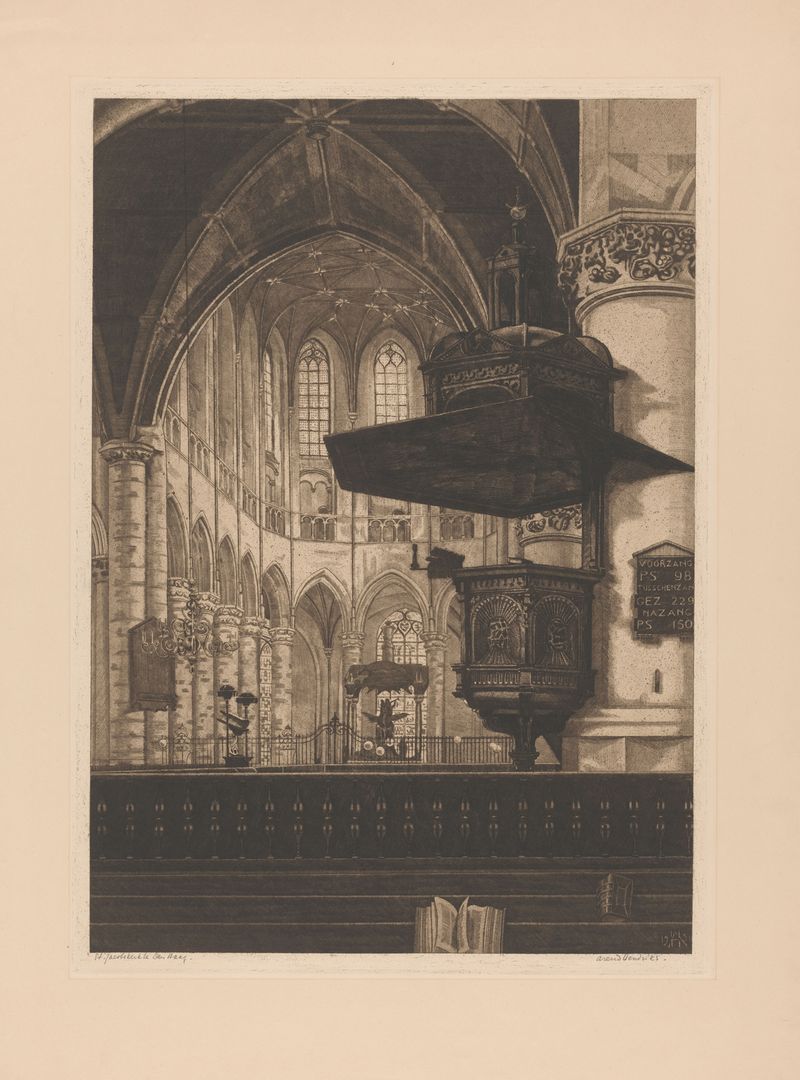
St. Jacobskerk te Den Haag
Arend Hendriks

Landschap met bloemen
Arend Hendriks
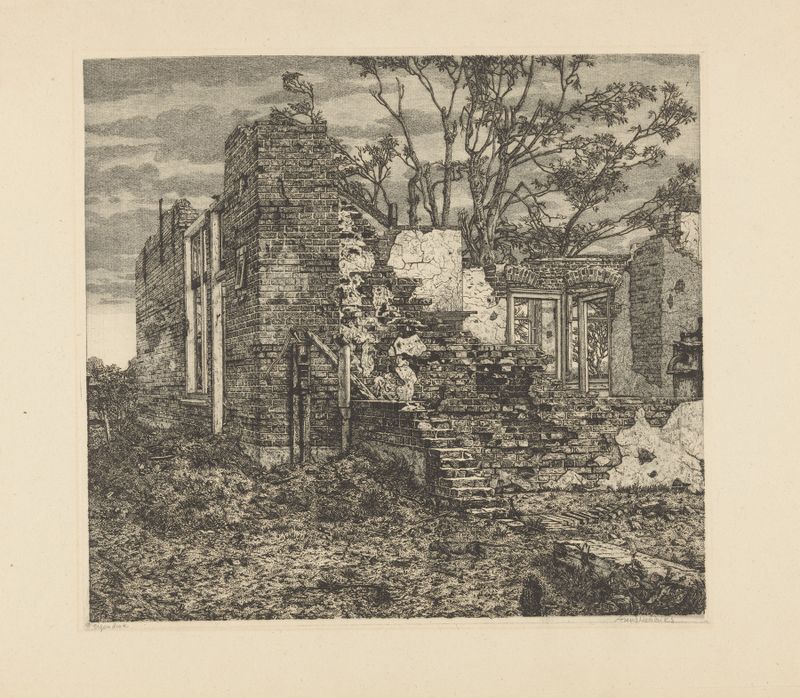
Ruïne van een huis
Arend Hendriks
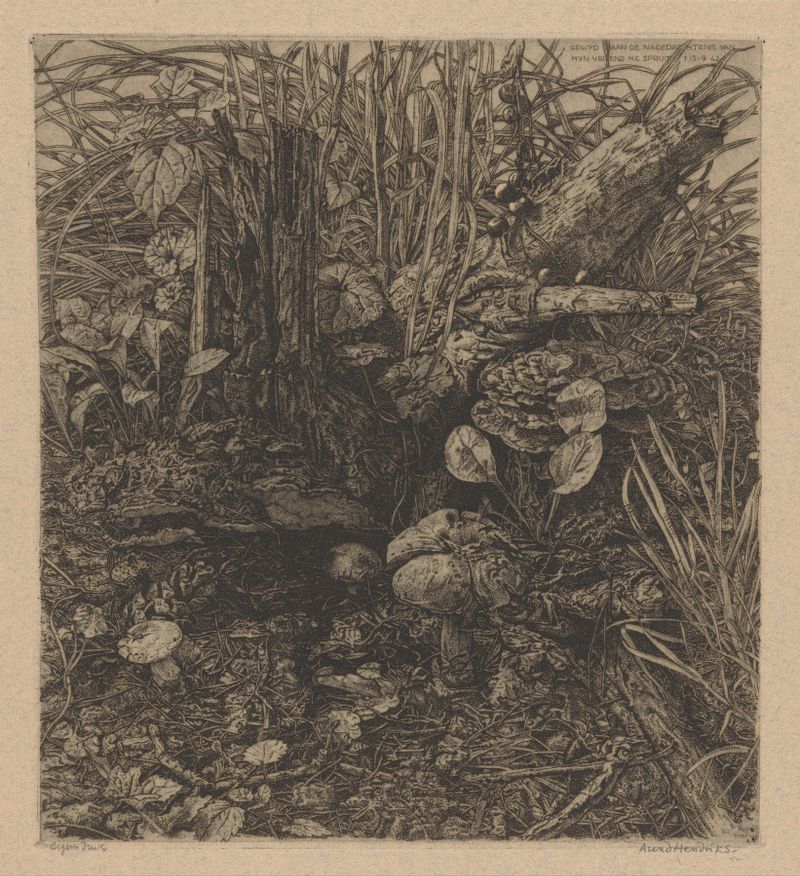
Paddenstoelen bij een boomstronk
Arend Hendriks

Gezicht op Huis ten Bosch, RP-P-2014-83-65
Arend Hendriks
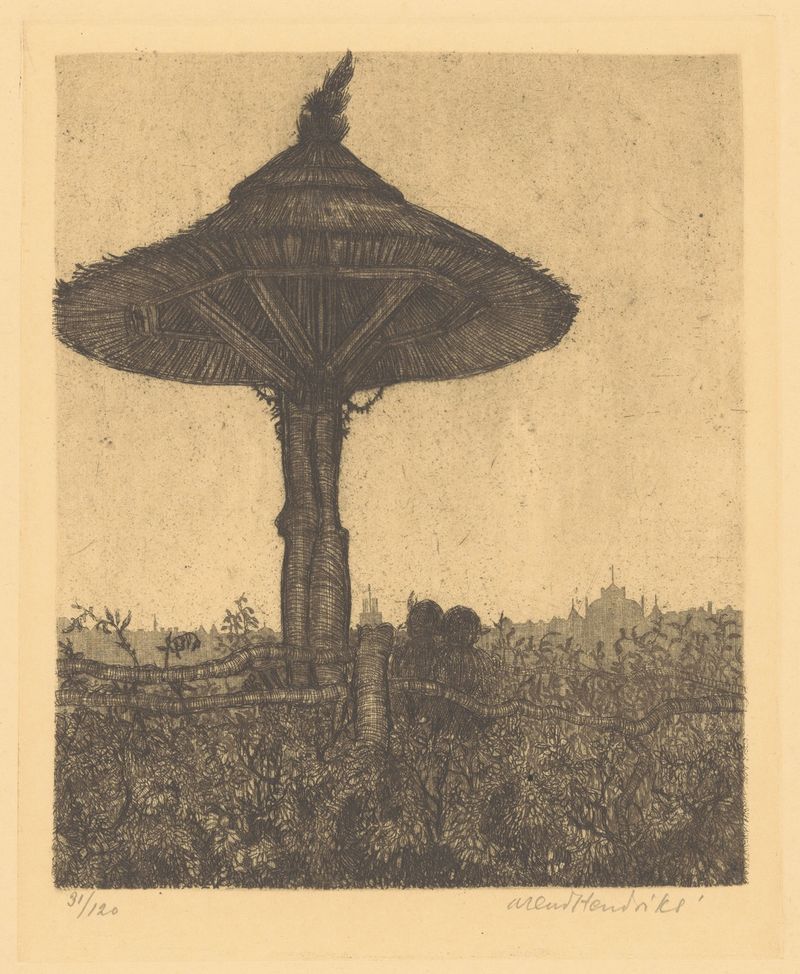
De paraplu
Arend Hendriks

Hessenweg bij Lunteren
Arend Hendriks
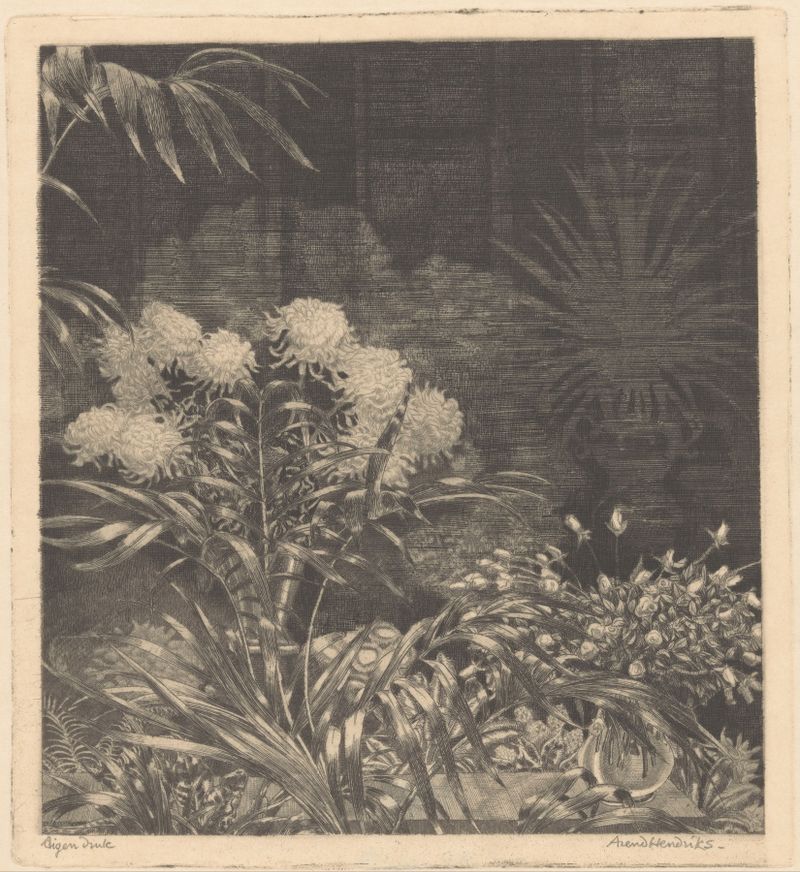
Interieur met bloemen in vazen en planten in potten
Arend Hendriks
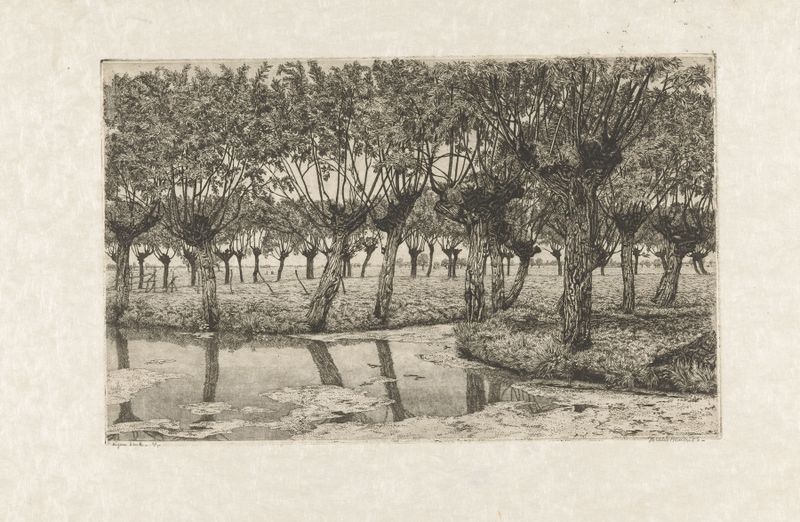
Polderlandschap met knotwilgen
Arend Hendriks

Bouwerij, Ieplaan, Den Haag
Arend Hendriks