
Twee geiten of bokken — History & Facts
What if silence could speak through light? In Twee geiten of bokken, the soft interplay of sunlit hues whispers the legacy of pastoral life, inviting the viewer into a tranquil world seldom captured in words. Look closely at the serene landscape, where the goats graze peacefully on the lush, verdant grass. Notice how the warm golden light bathes the scene, illuminating the textures of their fur and the gentle undulation of the rolling hillside. The artist’s deft brushwork captures not only the forms of the goats but also the play of shadow and light, creating a rhythmic harmony that draws the eye across the canvas.
The subtle colors engage the viewer, blending earth tones with soft greens that reflect a serene, idyllic existence. The goats symbolize not only the peace of rural life but also the fragility of existence within nature. The relaxed posture of the animals contrasts with the underlying tension of the transience of life, hinting at the quiet struggle against the passage of time. Additionally, the harmonious interaction between animal and landscape speaks to a deeper connection and interdependence, urging us to reflect on our own relationships with the natural world. Nicolaes Pietersz Berchem painted Twee geiten of bokken between 1648 and 1652, during a period marked by the flourishing of Dutch landscape painting.
At this time, Berchem was influenced by his travels in Italy, which informed his approach to light and color. The artwork reflects not only his artistic vision but also a broader cultural appreciation for the beauty of nature, establishing a lasting legacy that resonates through the ages.
More Artworks by Nicolaes Pietersz Berchem
Browse all →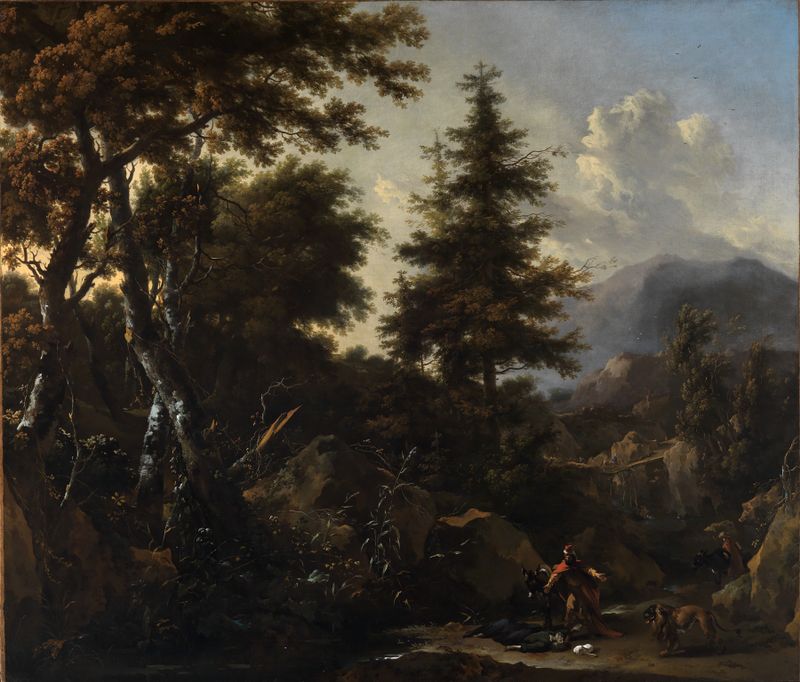
Schlucht im Bergwald mit alttestamentlicher Staffage
Nicolaes Pietersz Berchem
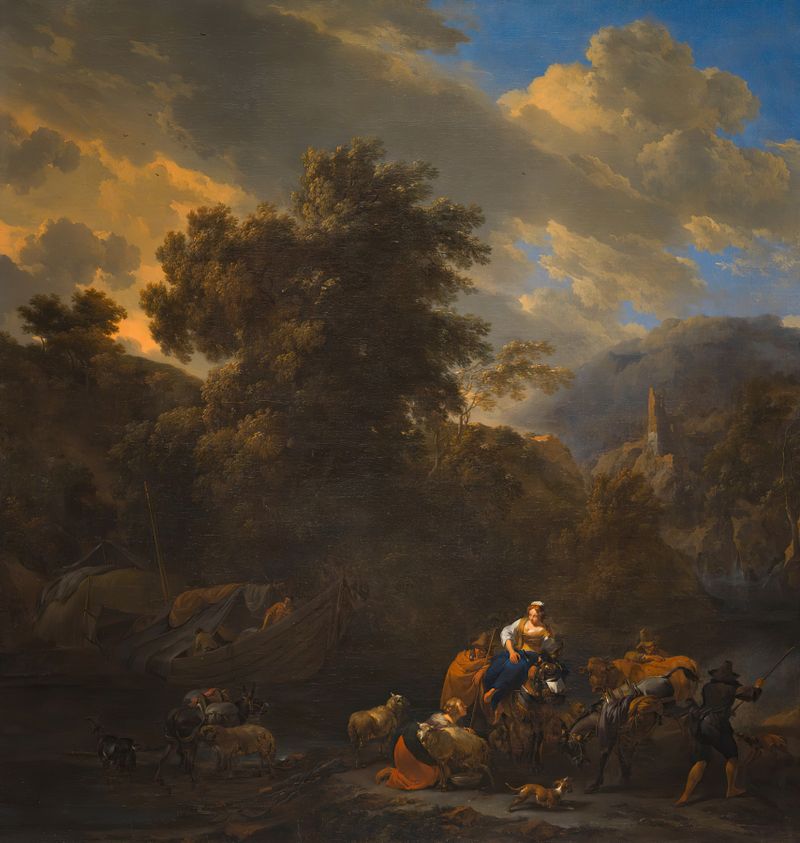
Italianate Landscape with Figures and Pack Animals on the Banks of a River
Nicolaes Pietersz Berchem
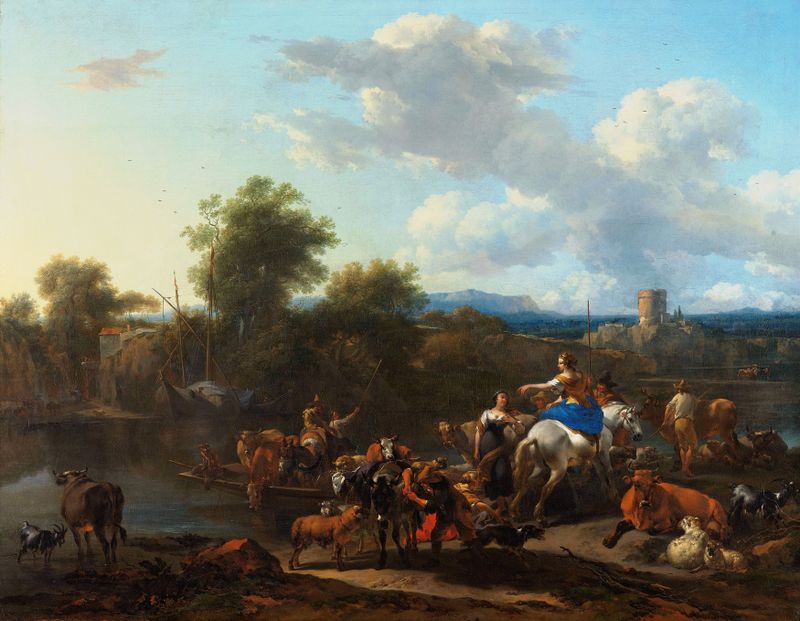
The Cattle Ferry
Nicolaes Pietersz Berchem
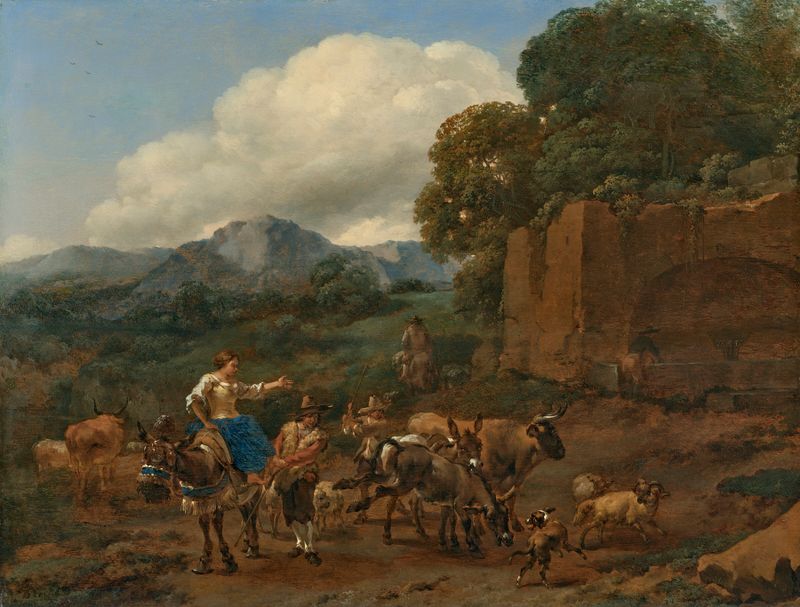
An Italianate landscape with a shepherdess on a mule and a shepherd, herding cattle, sheep, donkeys and dogs on a mountain track next to ruins
Nicolaes Pietersz Berchem
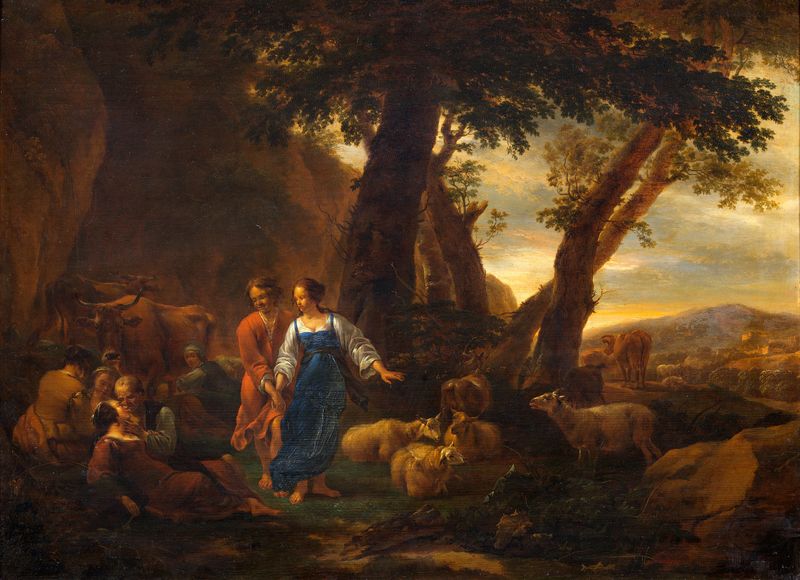
Landscape with Peasants and Cattle
Nicolaes Pietersz Berchem
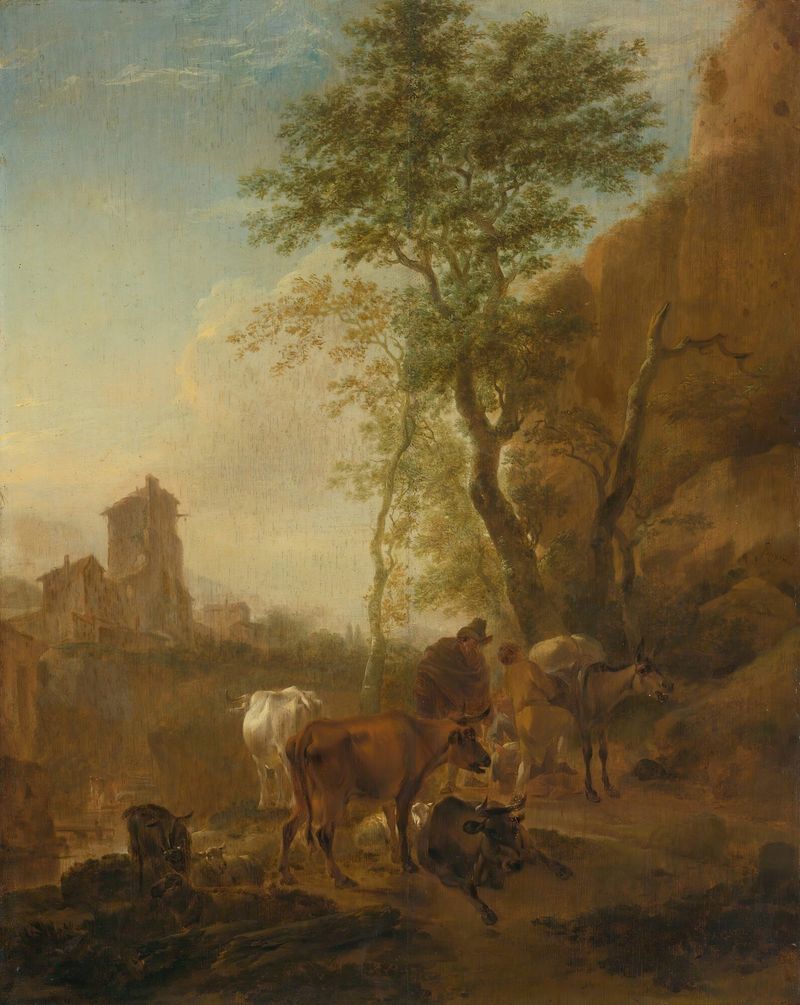
Italianate Landscape With Cows
Nicolaes Pietersz Berchem
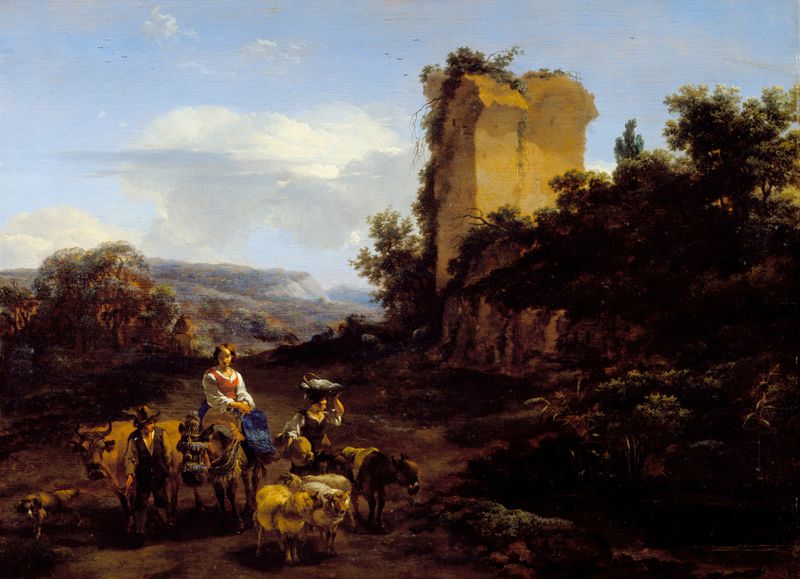
Landscape with Ruins and Travelers
Nicolaes Pietersz Berchem
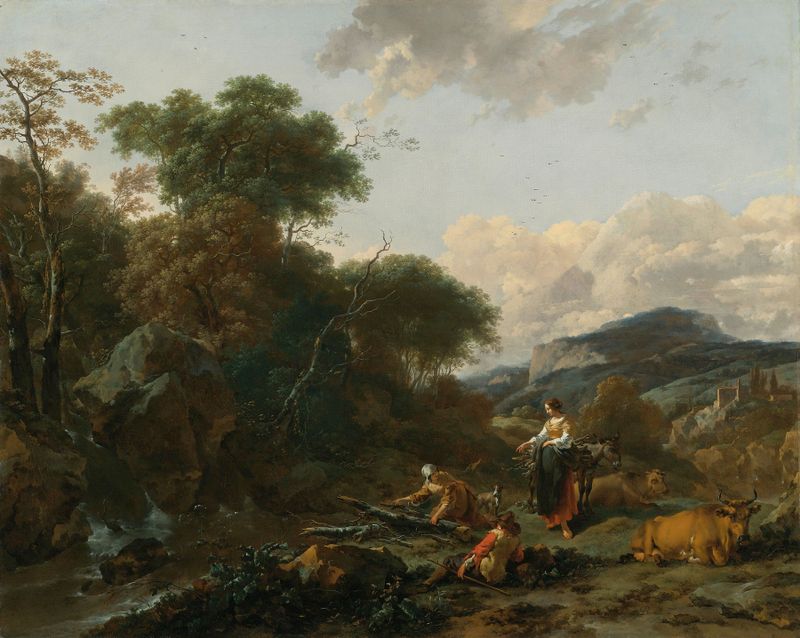
A Landscape With Figures
Nicolaes Pietersz Berchem
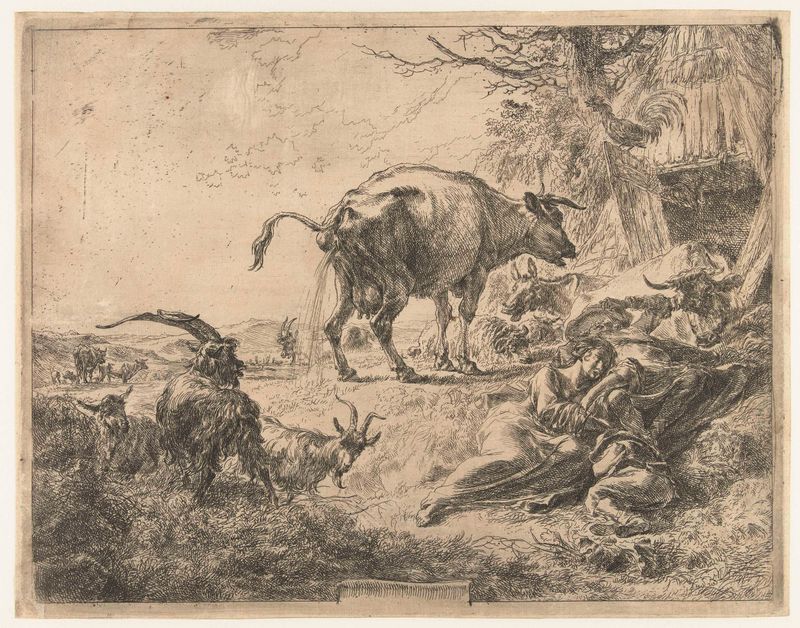
Slapende herdersfamilie en rustend vee
Nicolaes Pietersz Berchem
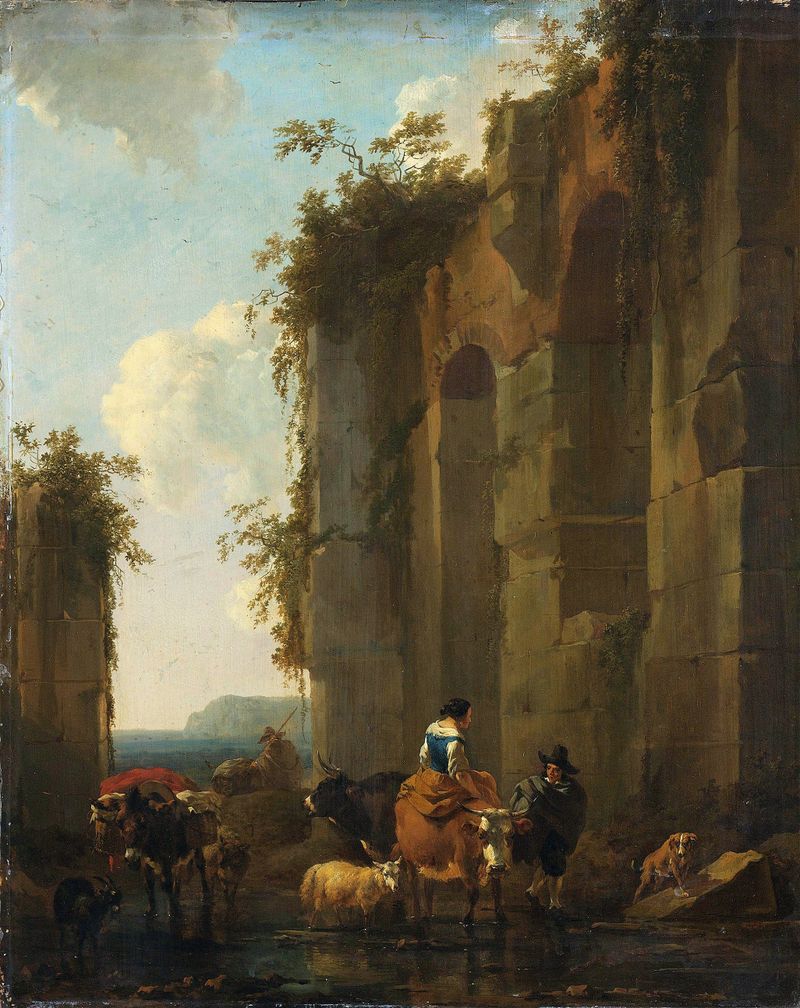
Ruins in Italy
Nicolaes Pietersz Berchem





