
Twee jongetjes met een helm en een vaandel — History & Facts
Can paint confess what words never could? In Twee jongetjes met een helm en een vaandel, a delicate rebirth unfolds, encapsulating innocence and valor in a single frame. Look closely at the two boys, young yet unwavering, positioned shoulder to shoulder at the forefront of the canvas. Notice how the light gently caresses their youthful faces, illuminating the nobility in their expressions. The vibrant colors of their garments stand in stark contrast to the subdued background, drawing your gaze toward the rich textures of their attire and the intricate details of the banner they proudly hold.
The helm atop one boy's head signifies protection and courage, while the flag flutters in an unseen breeze, symbolizing hope and aspiration. Delve deeper into the subtle interplay of innocence and duty. The boys represent a merging of childhood wonder and the weight of societal expectations, reflecting a world where the burdens of adulthood encroach upon youth. Their resolute postures convey a sense of readiness, yet their eyes harbor a flicker of uncertainty, an emotional tug-of-war between ambition and naivety.
The banner, while a symbol of loyalty, also evokes a question: at what cost does heroism come? In 1527, Lucas van Leyden created this work during a time of great artistic evolution in Europe, marked by the transition from Gothic to Renaissance styles. He found himself in a flourishing artistic milieu in the Netherlands, where the burgeoning humanist ideals embraced both individual expression and communal values. This painting reflects not only his mastery of technique but also the complex societal narrative of a time when tradition and change intertwined.
More Artworks by Lucas van Leyden
Browse all →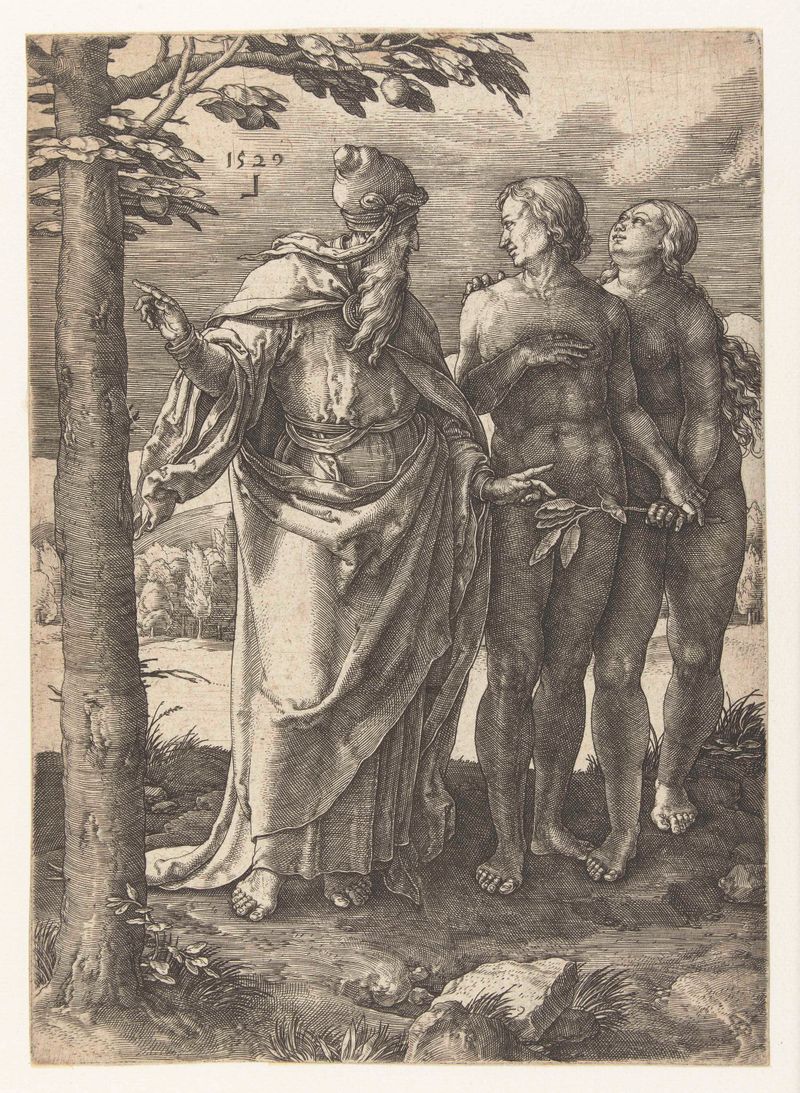
Het eerste verbod
Lucas van Leyden
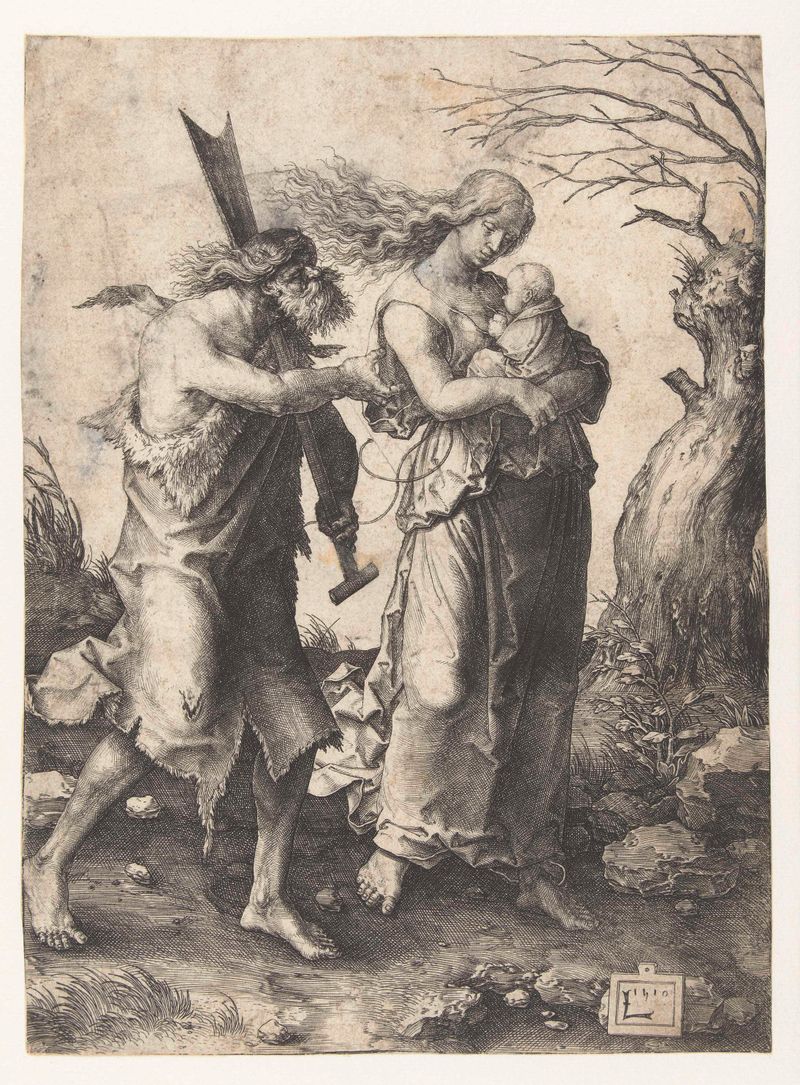
Adam en Eva na de verdrijving uit het paradijs
Lucas van Leyden
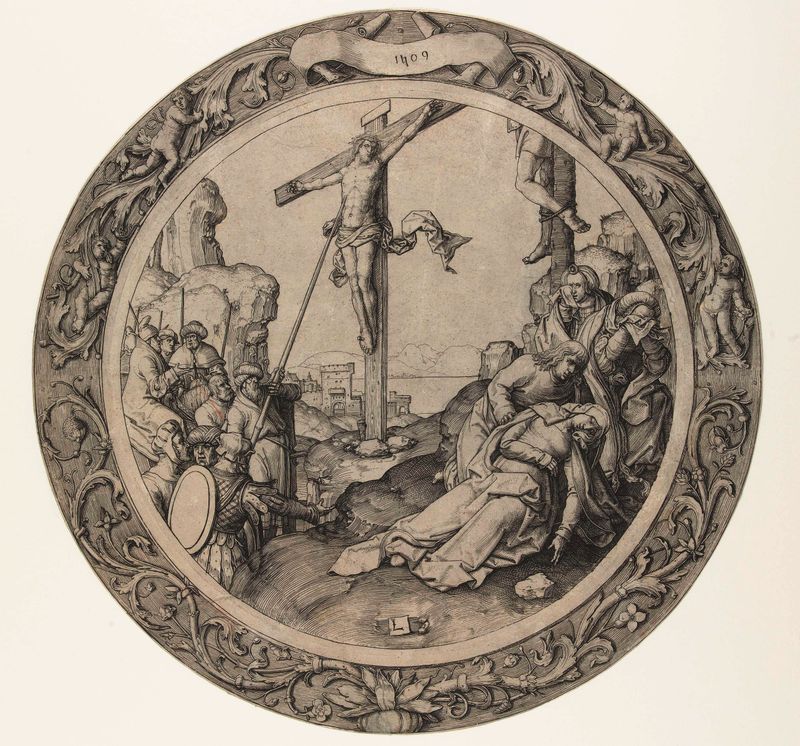
De kruisiging
Lucas van Leyden
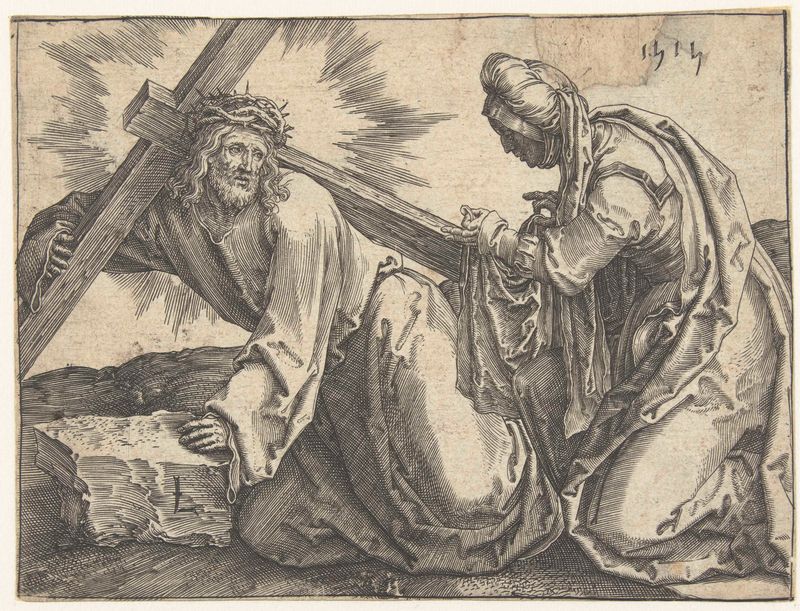
Kruisdraging
Lucas van Leyden
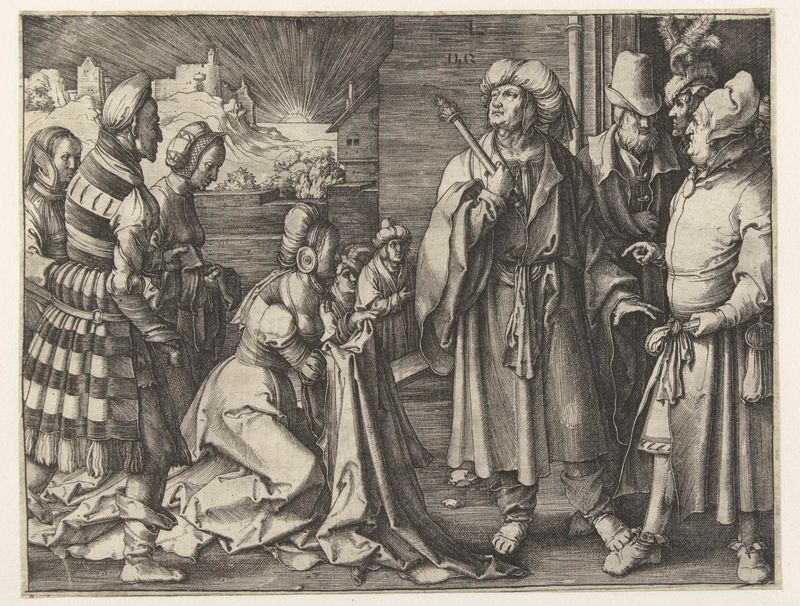
De vrouw van Potifar beschuldigt Jozef
Lucas van Leyden
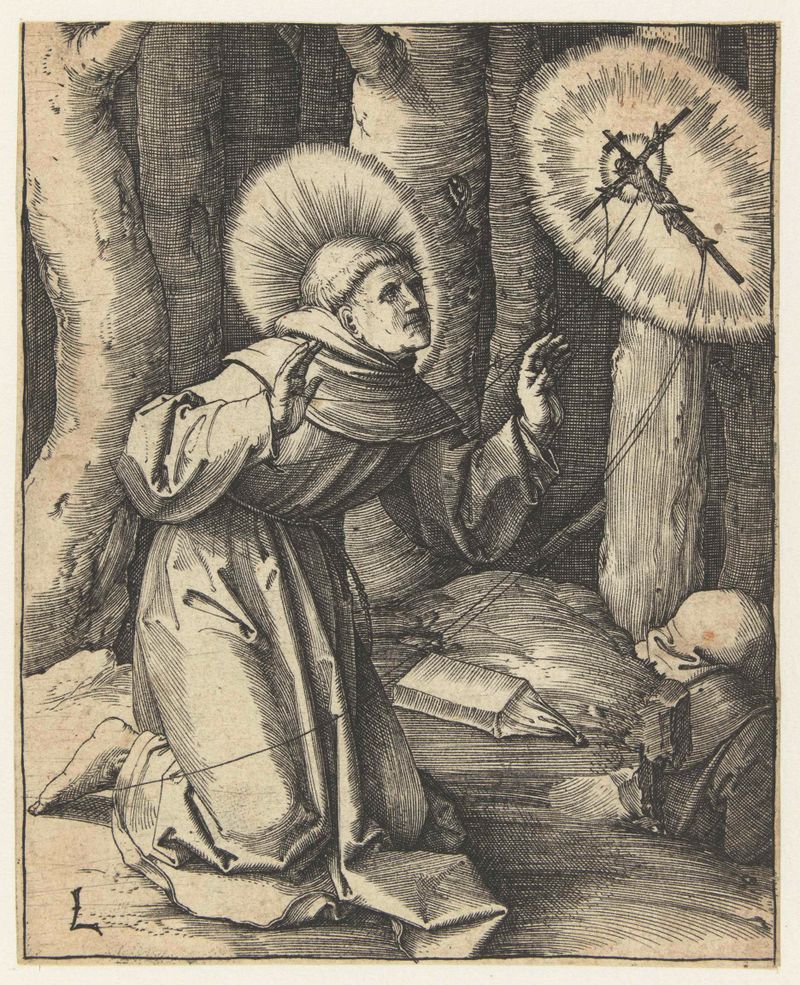
De stigmatisatie van de heilige Franciscus
Lucas van Leyden
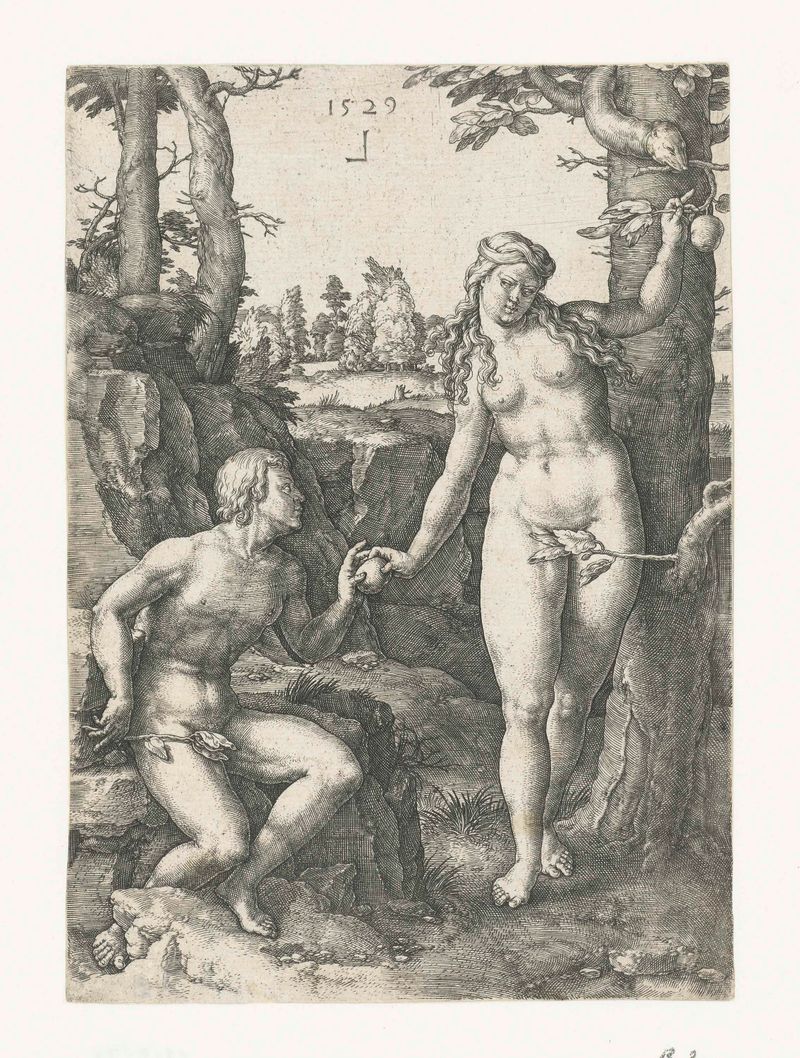
De zondeval
Lucas van Leyden
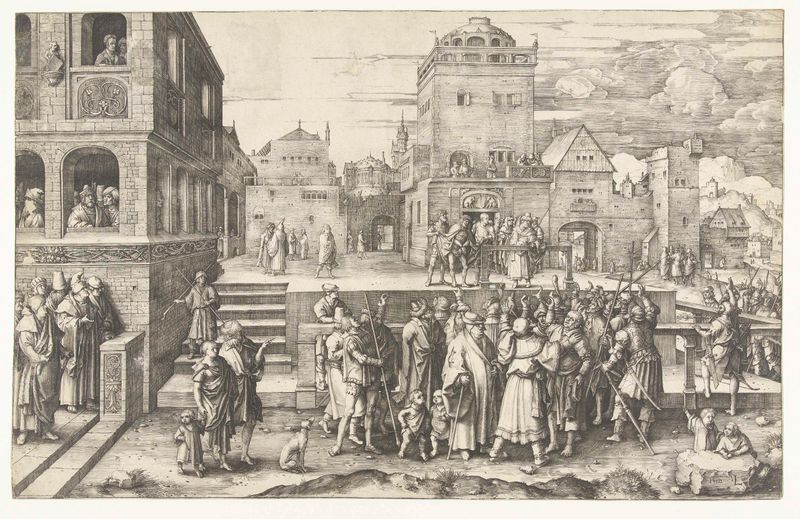
De grote Ecce Homo
Lucas van Leyden
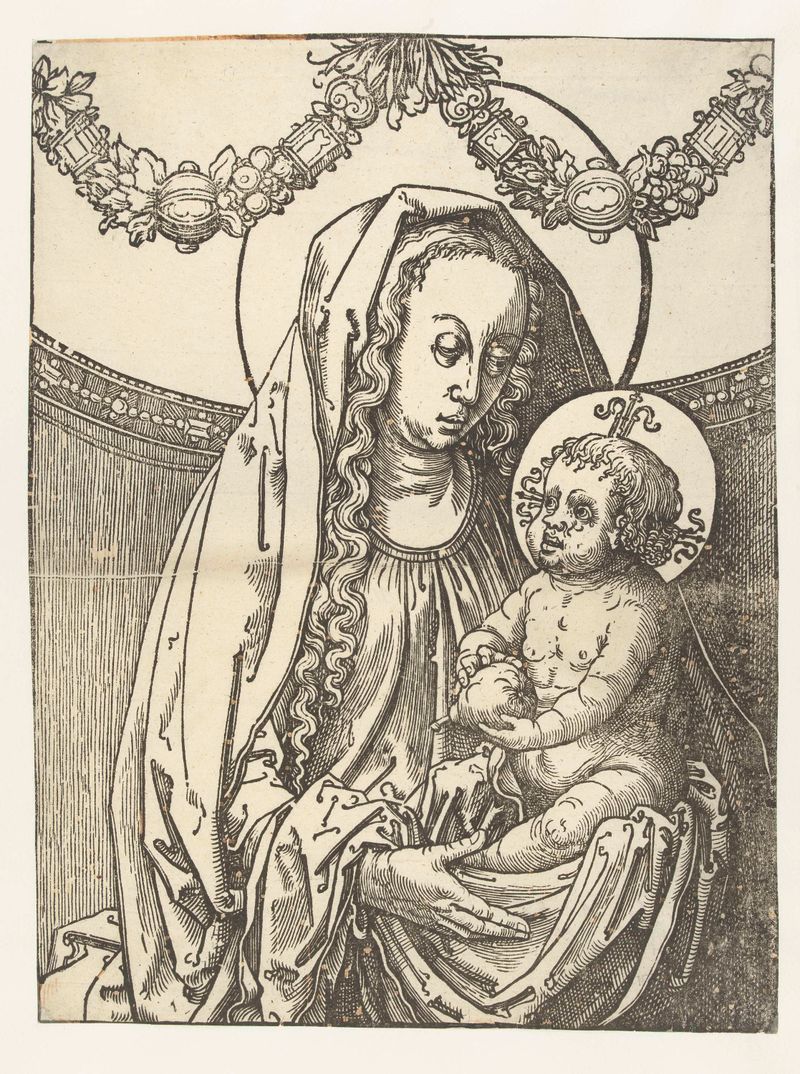
Maria met kind
Lucas van Leyden

Doornenkroning
Lucas van Leyden





