
Twilight in the Zádiel Valley — History & Facts
In a world where moments slip away like shadows at dusk, this artwork captures the essence of ecstasy woven into nature’s quiet embrace. Look to the left at the gentle rise of the hills, each contour meticulously painted to evoke a sense of movement, as if the landscape itself were sighing. The warm hues of orange and purple blend seamlessly in the sky, creating a gradient that draws the eye upward, mirroring the transition from day to night. Notice how the strokes dance delicately across the canvas, with vibrant greens and deep browns anchoring the foreground, inviting a sense of tranquility amidst the dynamic backdrop. Delve deeper into the contrasts present in the composition: the vibrancy of twilight against the stillness of the valley, the tension between light and shadow.
The soft illumination of the horizon evokes a sense of longing, while the surrounding darkness hints at both mystery and comfort. Each detail, from the wisps of clouds to the subtle reflections in the water, offers layers of meaning that resonate with an underlying joy found in watching day fade into night. In the years between 1920 and 1930, Čordák worked amidst the vibrant art movements of Central Europe, seeking to capture the beauty of his homeland in a time of political and social change. He painted Twilight in the Zádiel Valley while striving to reconcile the complexity of his environment, finding artistic solace in the serene landscapes around him.
This period marked an exploration of national identity and emotion, which deeply informed his brushwork and thematic choices.
More Artworks by Ľudovít Čordák
Browse all →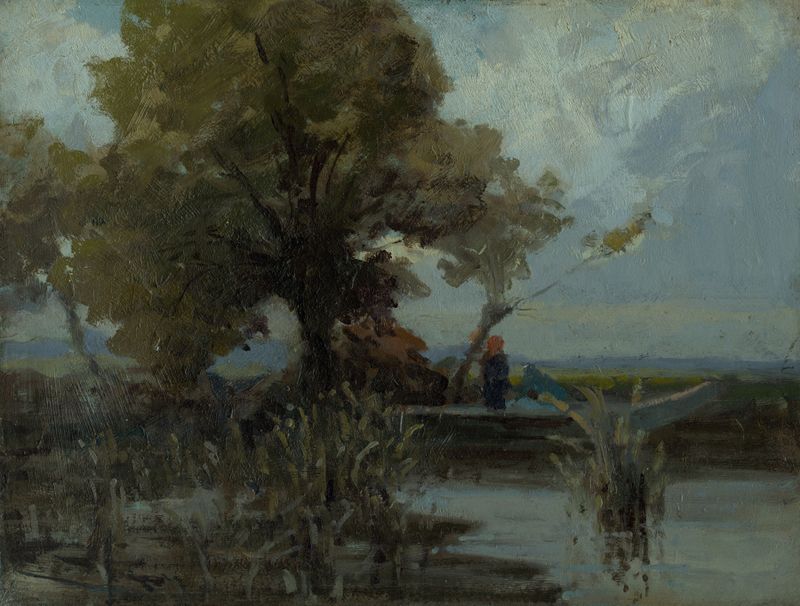
Košatý strom pri jazere
Ľudovít Čordák
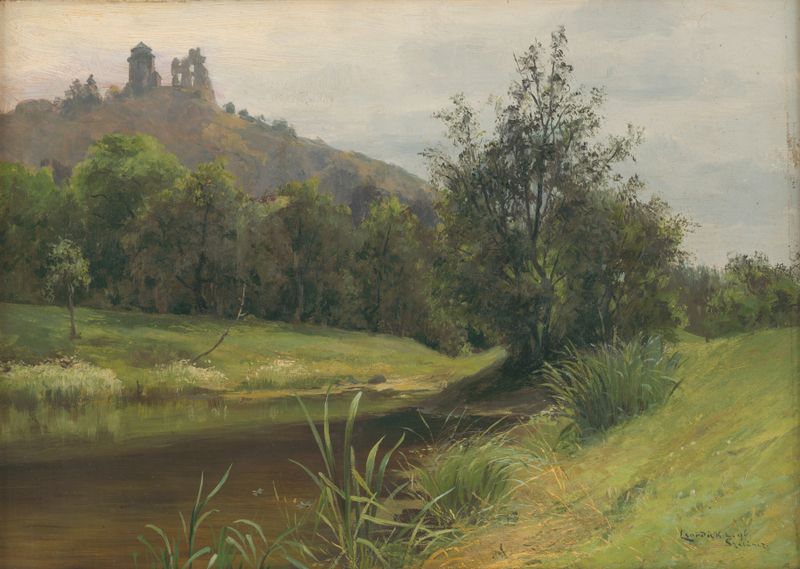
Močarina pod Slaneckým hradom
Ľudovít Čordák
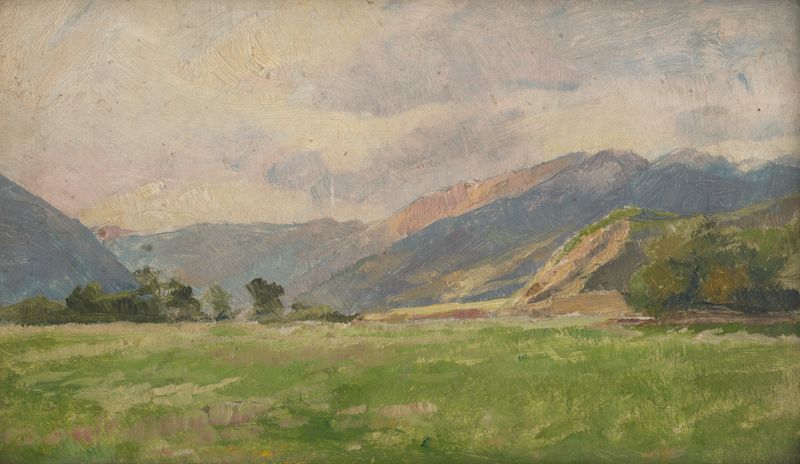
Mountain Meadow
Ľudovít Čordák
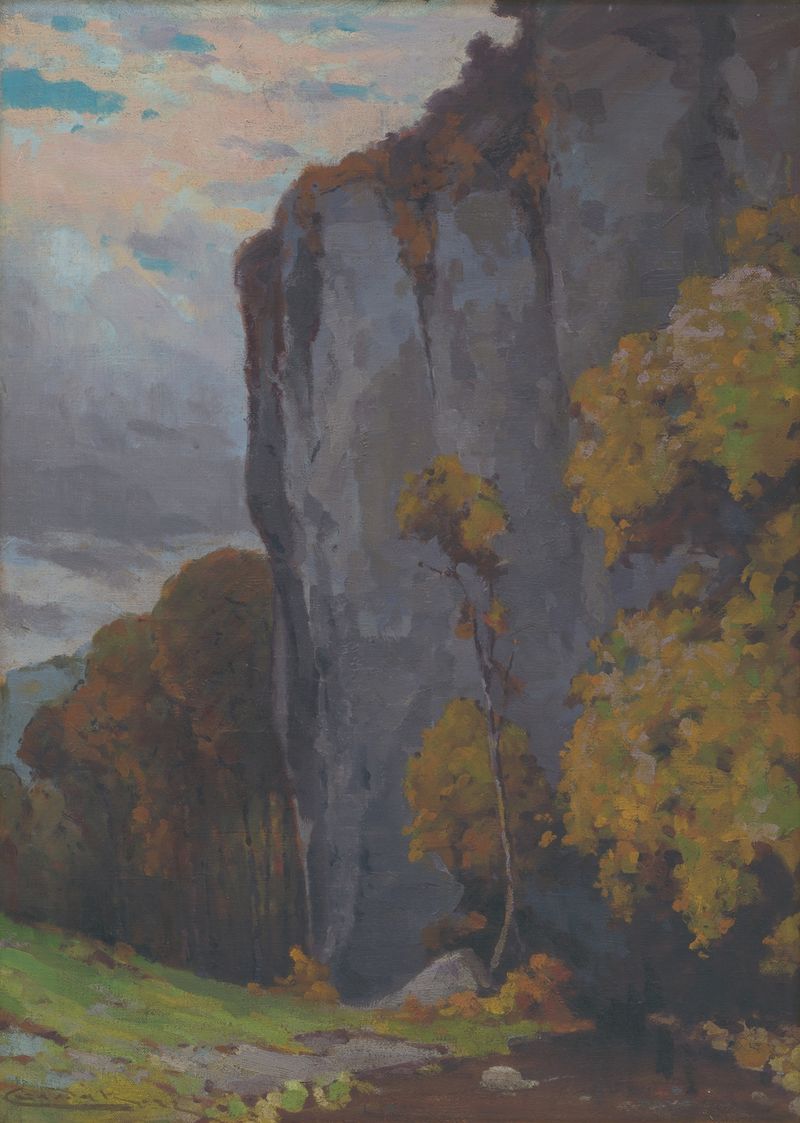
Zádiel
Ľudovít Čordák
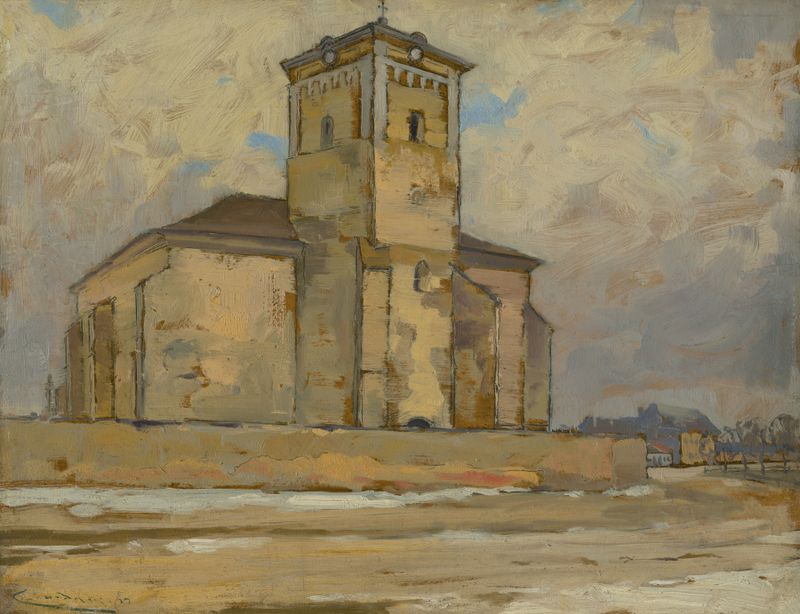
Church in Moldova
Ľudovít Čordák
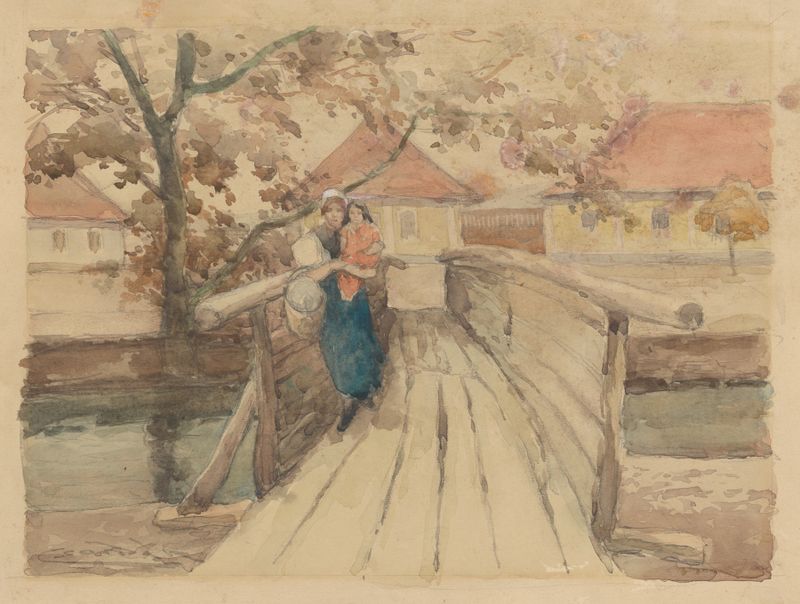
Wooden bridge
Ľudovít Čordák
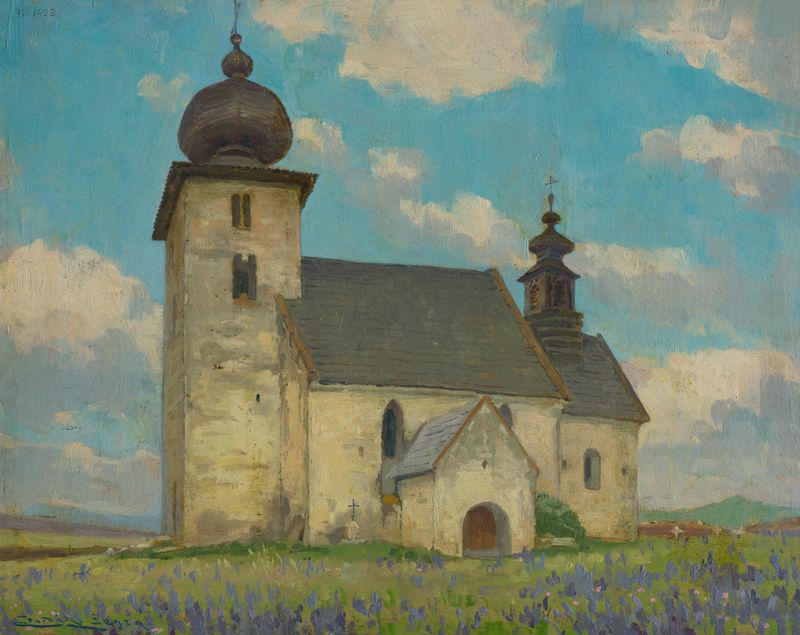
Gothic church in Žehra
Ľudovít Čordák
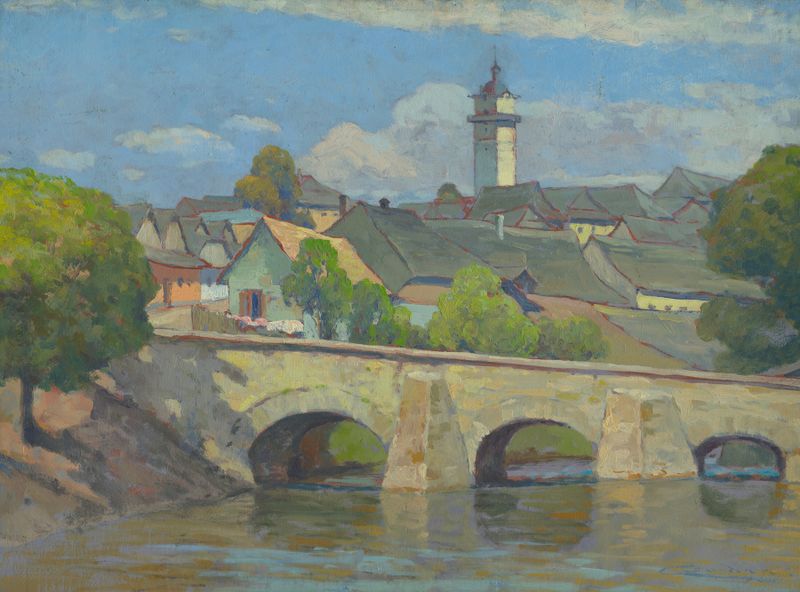
A small town in Spiš
Ľudovít Čordák
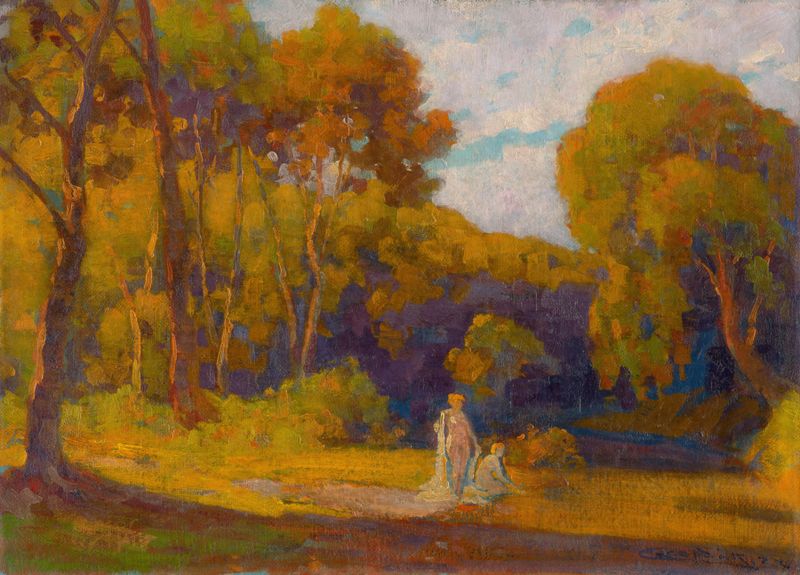
At Sunset
Ľudovít Čordák
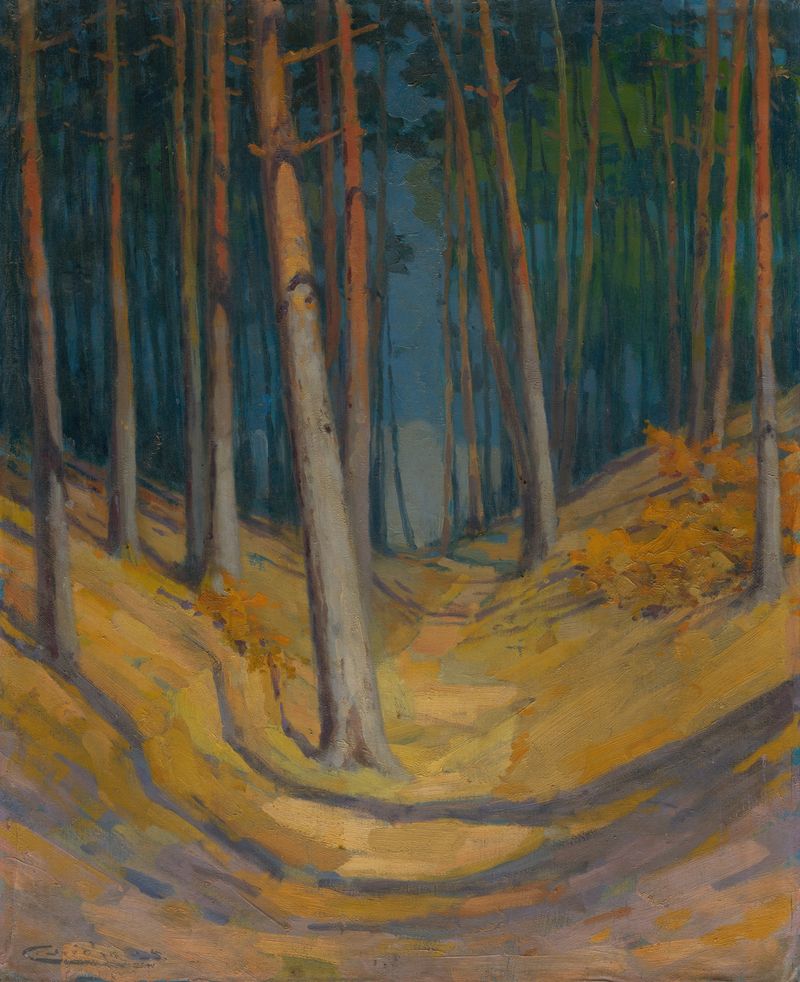
Forest
Ľudovít Čordák





