
Two Springs — History & Facts
No other painting by Gustave Van de Woestijne has sparked as much speculation as Two Springs, not least because both its date and medium remain uncertain. The artwork’s title itself has been the source of debate: does it refer to the season, to sources of water, or to a doubling of youth? Critics in Van de Woestijne’s own lifetime puzzled over its meaning, and the absence of clear documentation has only deepened the mystery. What is certain is that the painting stands apart in his oeuvre for its enigmatic atmosphere and subtle symbolism, drawing viewers into a quiet riddle. At the heart of Two Springs are two figures, often interpreted as young women or girls, set in a landscape that hovers between reality and dream.
Their mirrored postures and the gentle, almost hesitant way they turn towards each other suggest a moment of recognition or awakening. The cool, diffused light and the delicate rendering of their garments recall the introspective calm of Symbolism, a movement with which Van de Woestijne is often associated. The painting’s restrained palette and psychological tension invite comparison with Fernand Khnopff’s I Lock My Door Upon Myself, where ambiguity and silence also reign.
Here, the “spring” may be read as both a literal season of renewal and a metaphor for the dawning of inner consciousness. Little is known about the early history of Two Springs. No records survive of its first exhibition, and it does not appear in the artist’s own correspondence. Scholars generally place it in the later phase of Van de Woestijne’s career, when his work took on a more introspective and symbolic character, moving away from the overt religiosity of his earlier canvases.
Today, Two Springs is recognized as a key work for understanding Van de Woestijne’s unique position within early 20th-century Belgian art, bridging the worlds of rural realism and the private, psychological space of Symbolism. Its current location is not widely publicized, adding yet another layer to its aura of secrecy.
More Artworks by Gustave Van de Woestijne
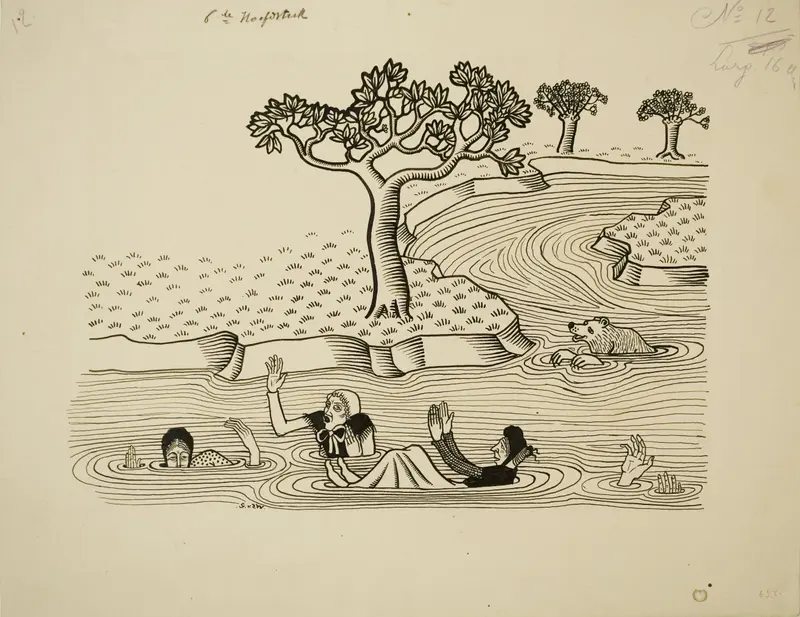
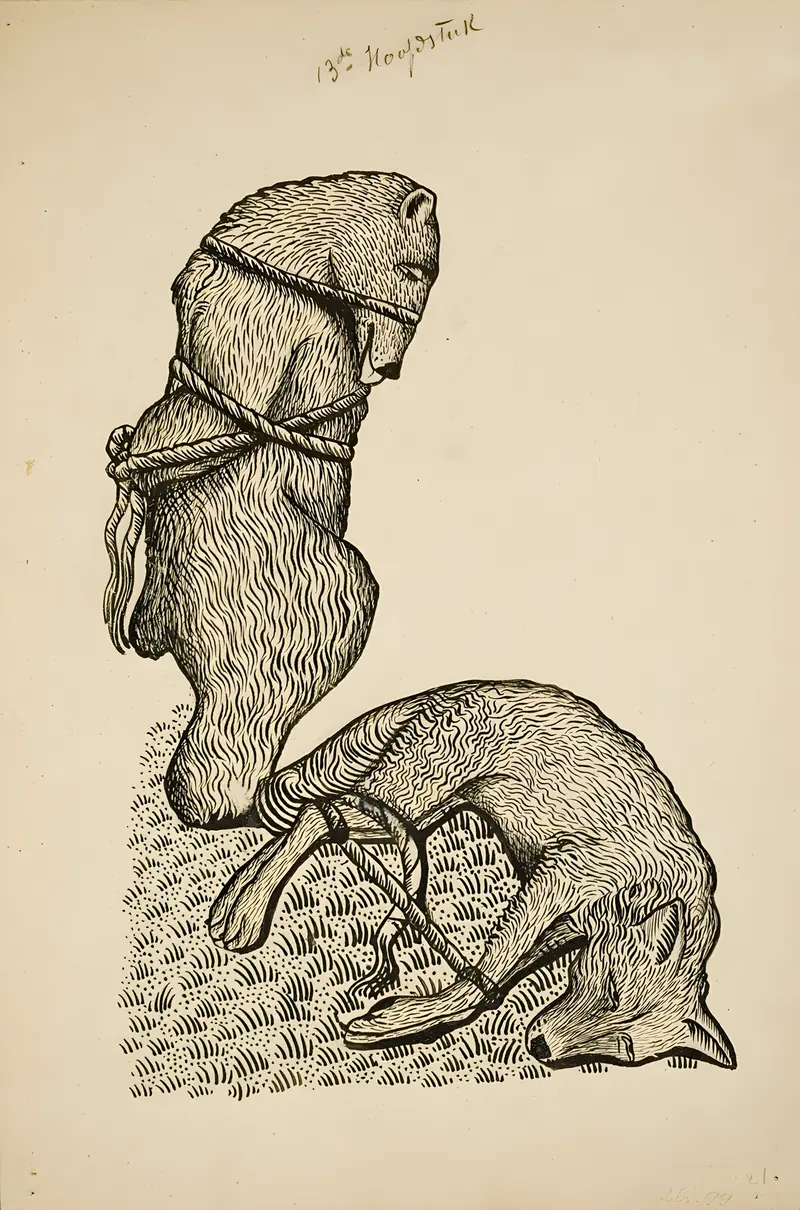
How Brown went out with Reynard where he thought he was eating honey and how he was caught by head and feet and suffered further misfortune
Gustave Van de Woestijne
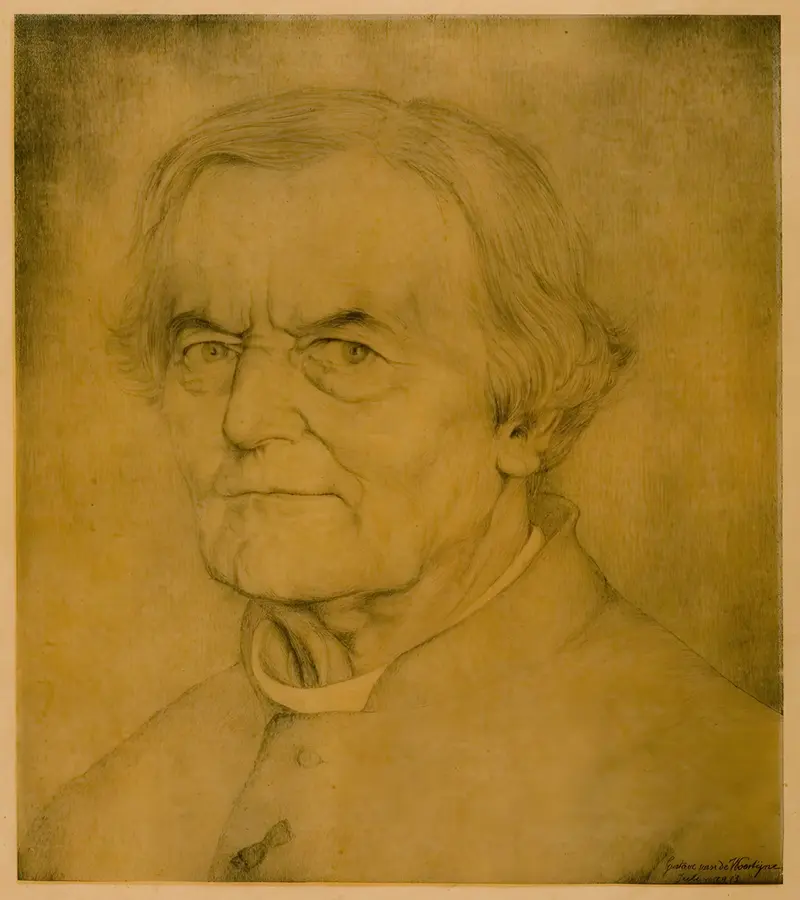
Portrait of Hugo Verriest
Gustave Van de Woestijne
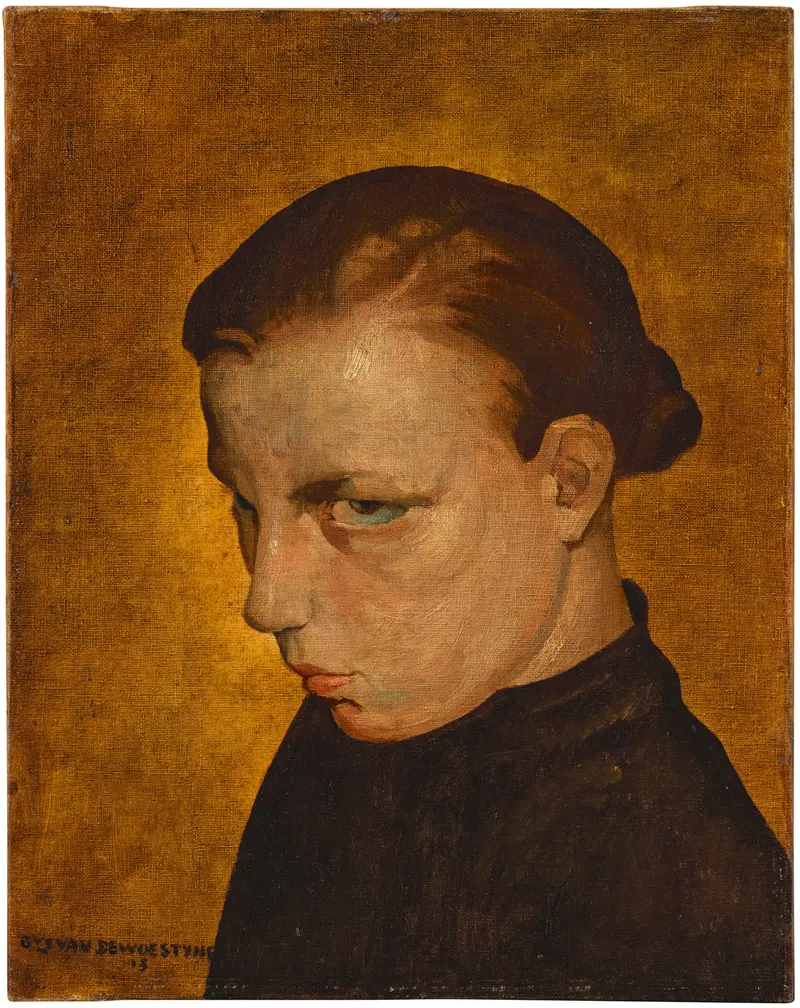
Angèle
Gustave Van de Woestijne
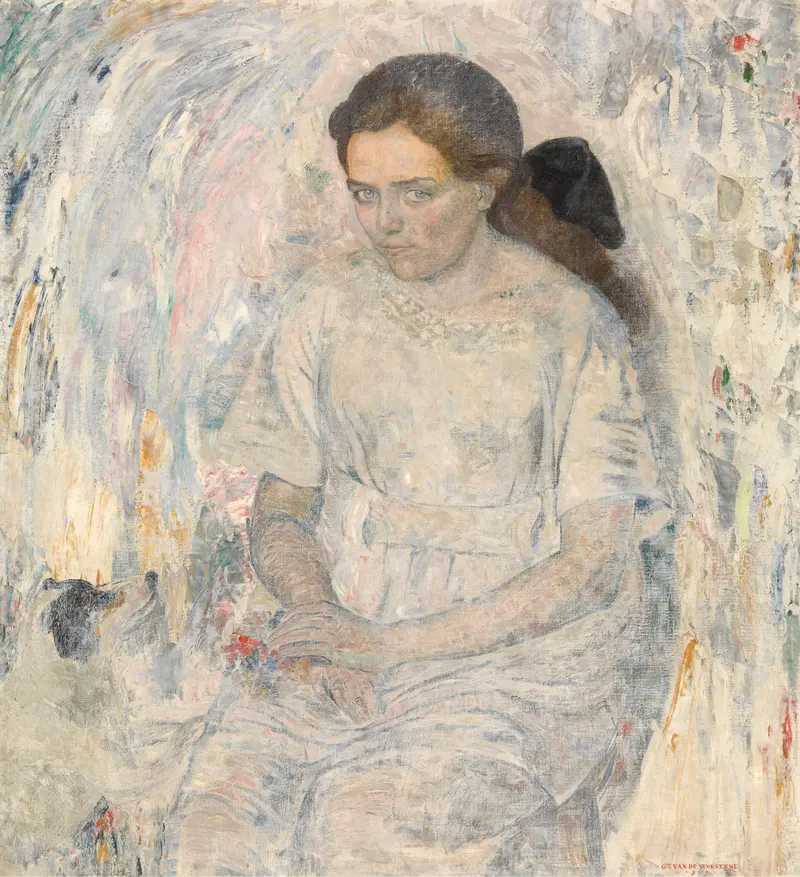
Adrienne
Gustave Van de Woestijne
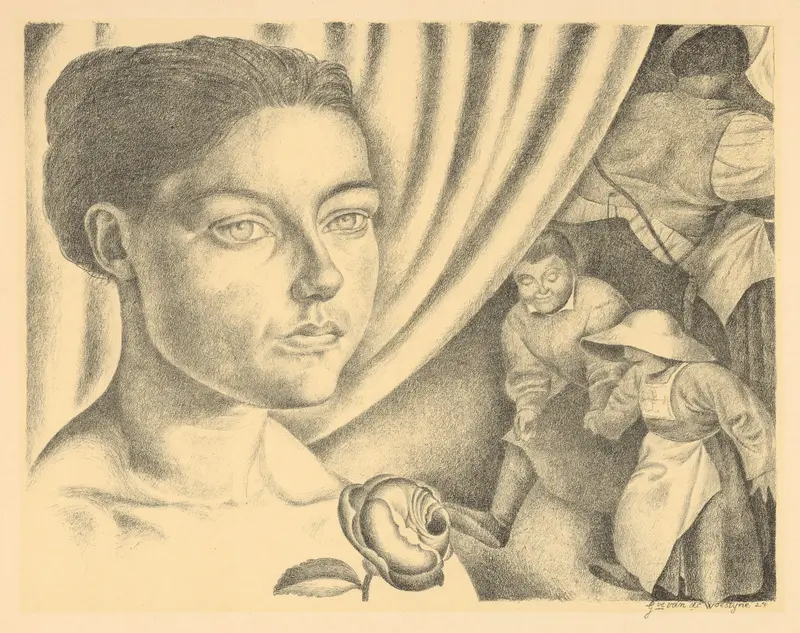
Jeune Femme
Gustave Van de Woestijne
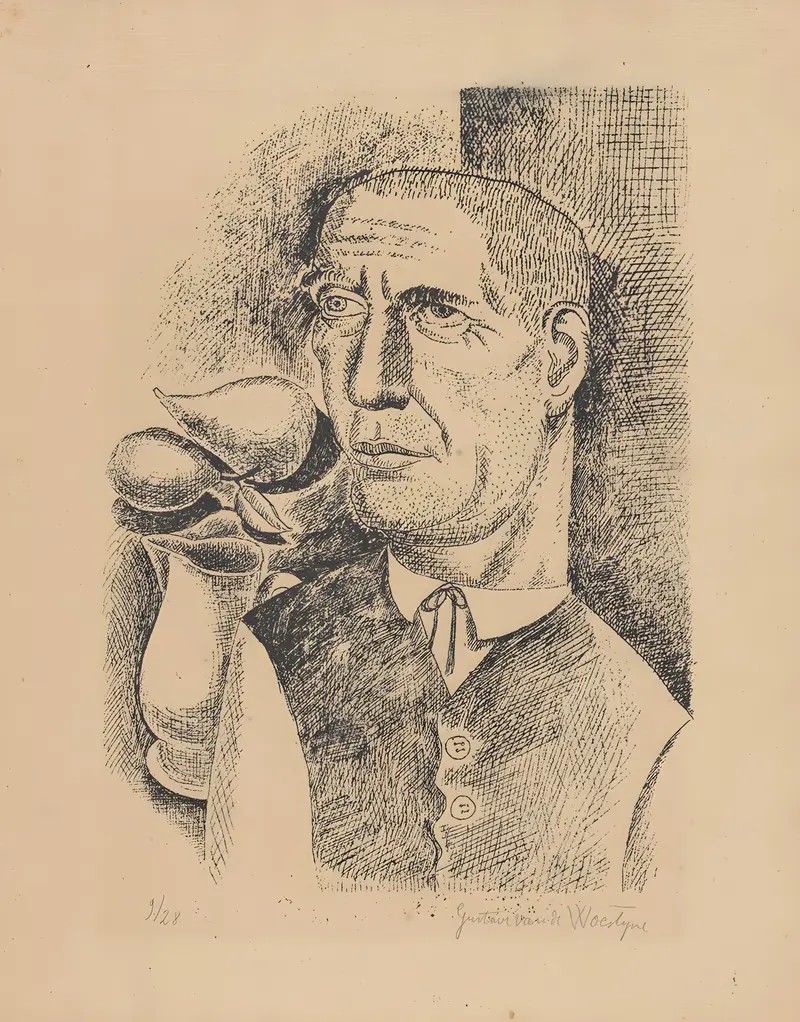
Boer op zijn zondags (Paysan endimanché)
Gustave Van de Woestijne
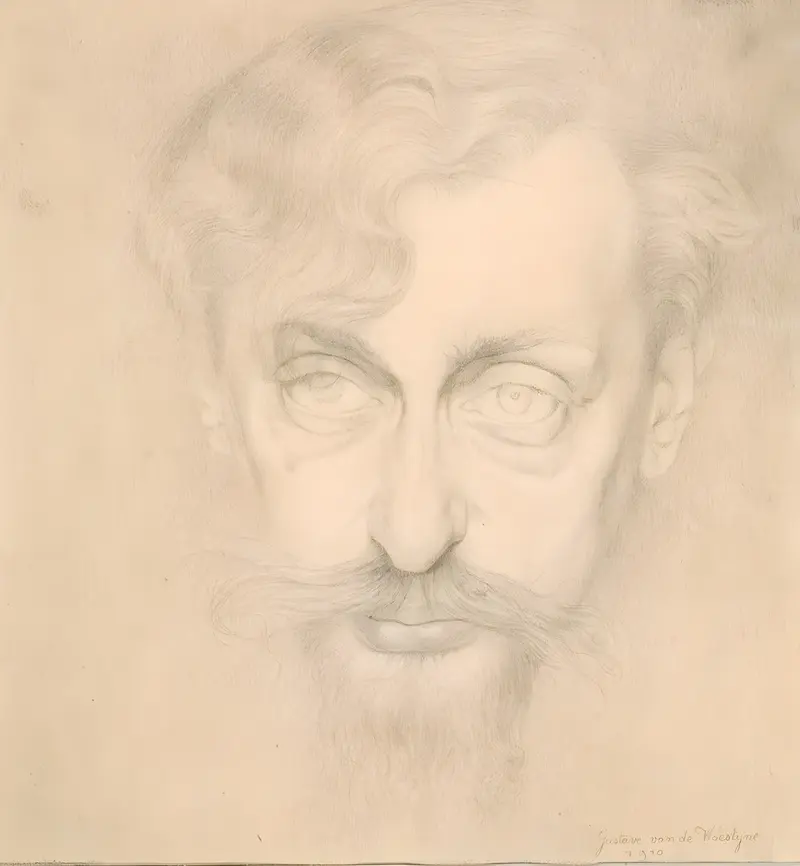
Portrait of the Writer Karel van de Woestijne
Gustave Van de Woestijne
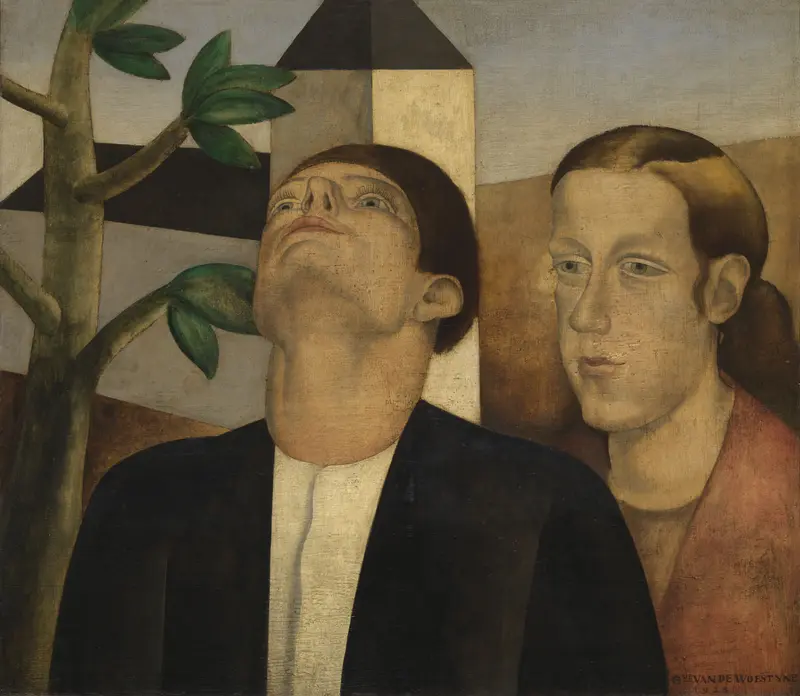
Azure
Gustave Van de Woestijne
How Reinaert devises a new trick to get free and exterminate his enemies
Gustave Van de Woestijne
Country Girl
Gustave Van de Woestijne



