
Two women — History & Facts
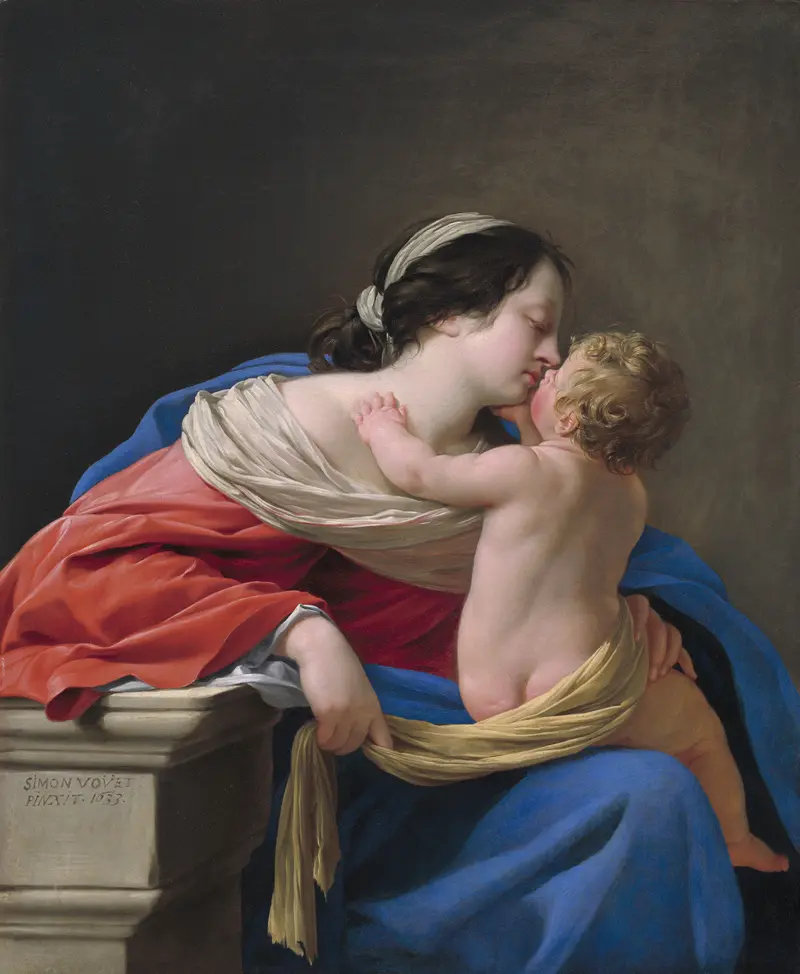
No one knows for certain whether Two women by Simon Vouet was intended as a portrait, an allegory, or something more enigmatic—a mystery that has intrigued art historians for generations. This ambiguity is heightened by the absence of a clear date or commission, leaving the painting’s origins shrouded in uncertainty. What is certain is that Vouet, a central figure in French Baroque painting, often blurred the boundaries between genre, allegory, and portraiture, making works like this a puzzle for both scholars and viewers.
The painting stands as a testament to Vouet’s ability to create intrigue through composition and character, inviting speculation about the identities and relationship of its subjects. In the scene, two women are captured in close proximity, their gazes and gestures suggesting a silent conversation or an unspoken bond. One woman, perhaps older, leans slightly toward the other, her hand resting gently on a table or an object between them—an ambiguous gesture that could imply guidance, intimacy, or instruction. The younger woman meets her companion’s eyes with a look that is open to interpretation: is it trust, curiosity, or something more complex? Vouet’s use of light draws attention to their faces and hands, emphasizing the psychological interplay rather than a narrative event.
The composition recalls the intimacy found in Caravaggio’s double portraits, though Vouet’s figures are rendered with a softer, more polished touch typical of French Baroque sensibilities. The lack of documentation about Two women has left its journey through history largely uncharted. It is not clear for whom Vouet painted this work, nor when it first entered a public or private collection. Like many of Vouet’s lesser-known pieces, it may have been created during his prolific years in Paris after returning from Italy, a period when he shaped the course of French painting.
Today, the painting is valued as an example of Vouet’s skill in psychological observation and his influence on later artists in France. Its unresolved meaning continues to invite viewers to imagine the story behind these two enigmatic figures.
More Artworks by Simon Vouet

Portrait of Louis XIII
Simon Vouet
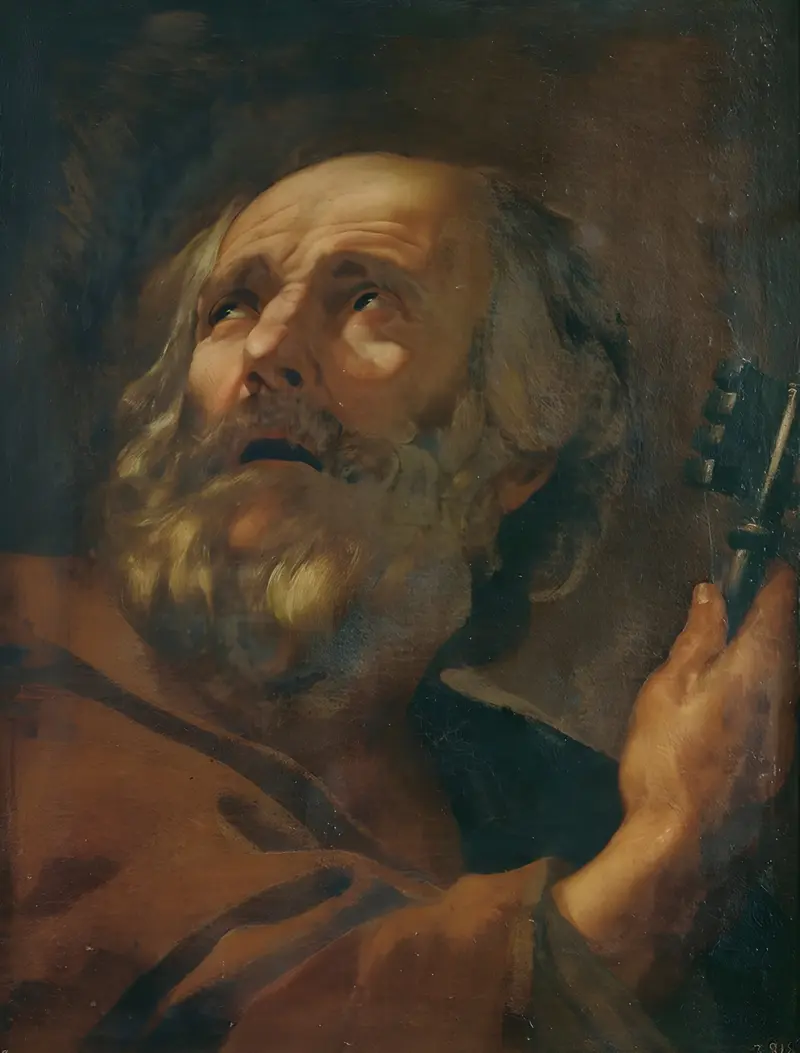
Saint Peter
Simon Vouet
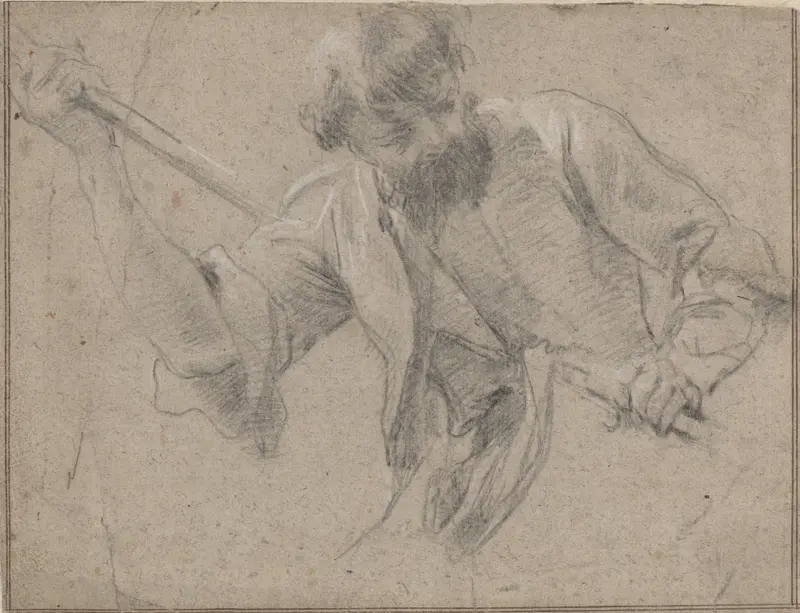
A Bearded Man with a Staff
Simon Vouet
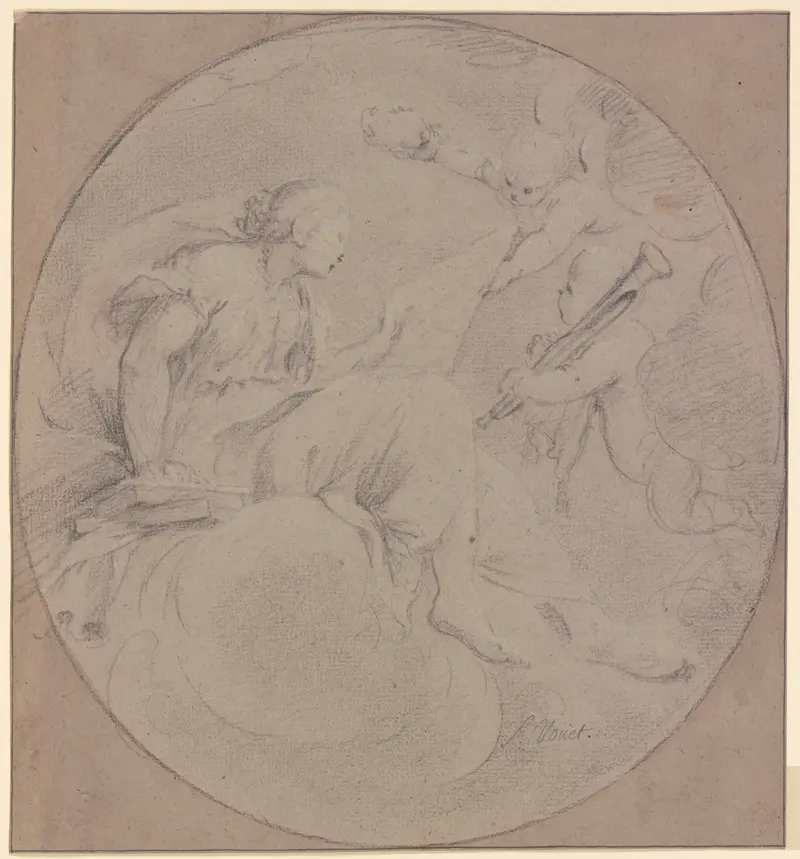
Die Muse der Musik mit zwei Genien, deren einer eine Trompete trägt
Simon Vouet
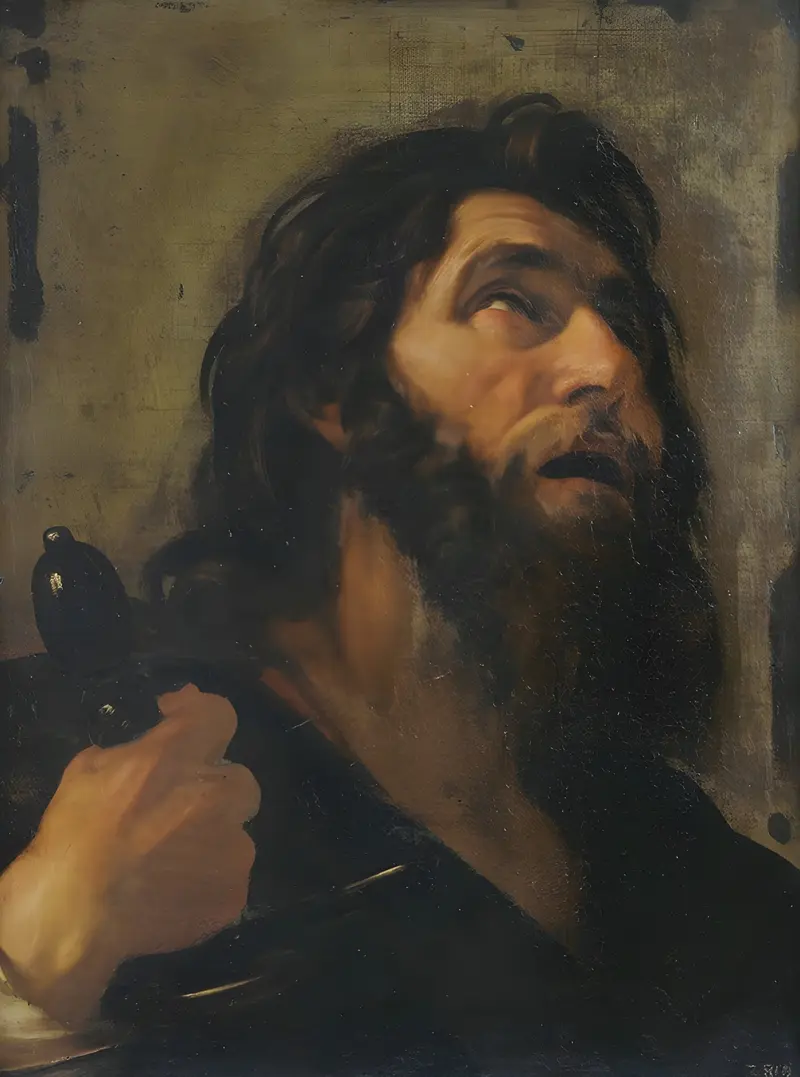
Saint Paul
Simon Vouet
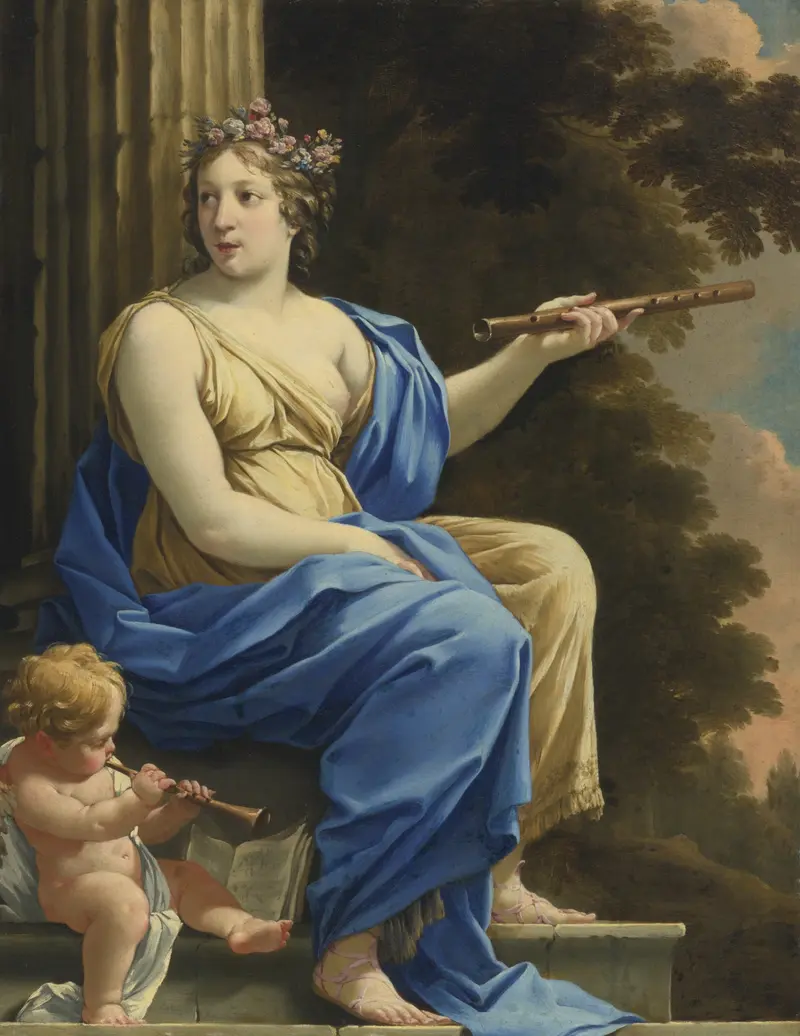
Euterpe, The Muse Of Music And Lyric Poetry
Simon Vouet
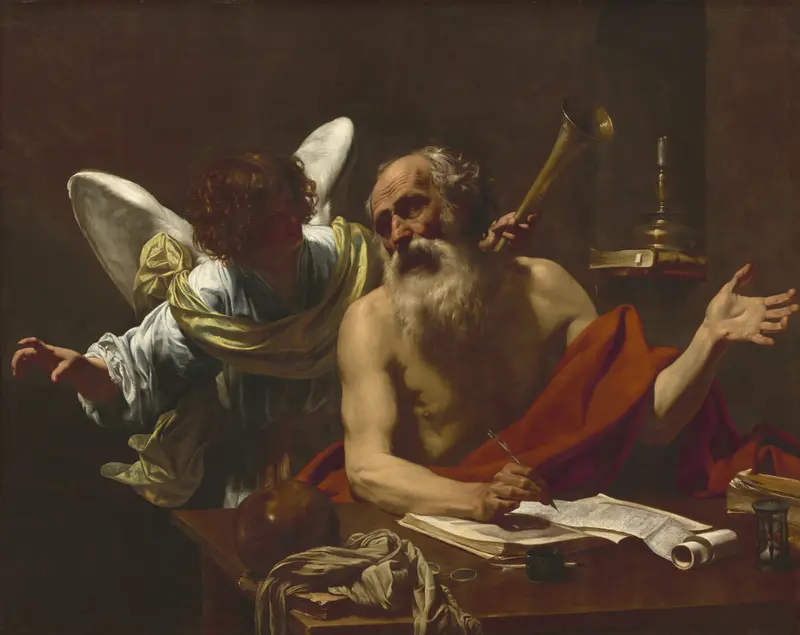
Saint Jerome and the Angel
Simon Vouet
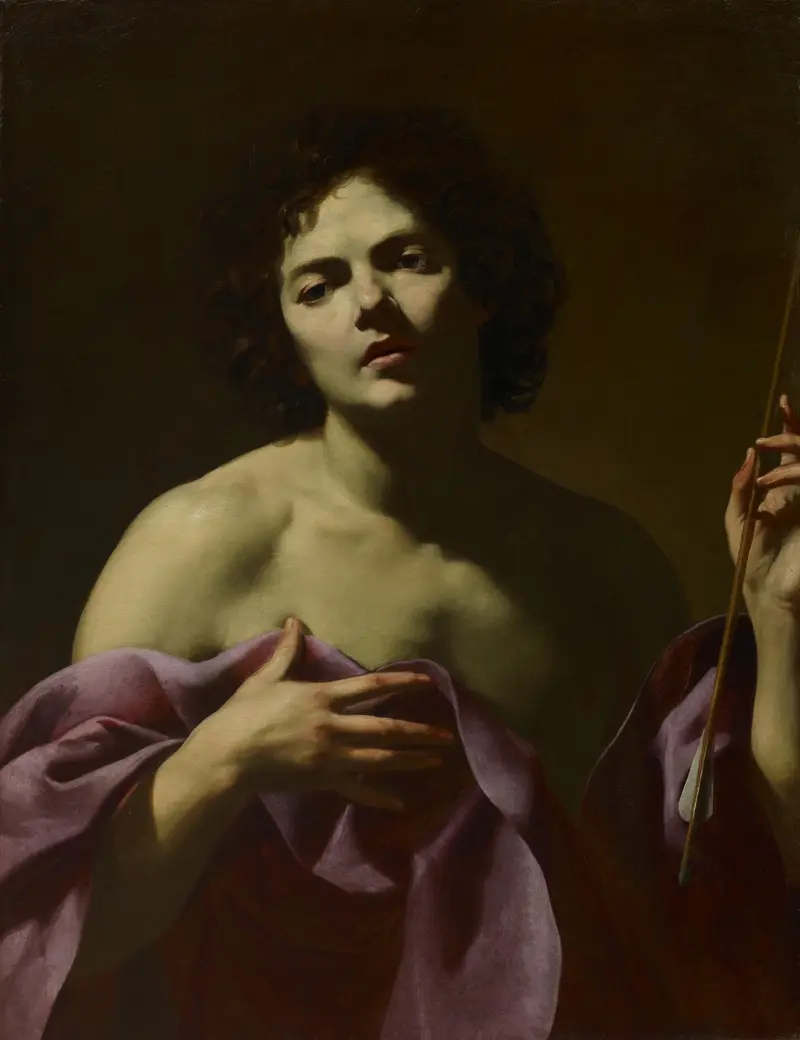
Saint Sebastian
Simon Vouet
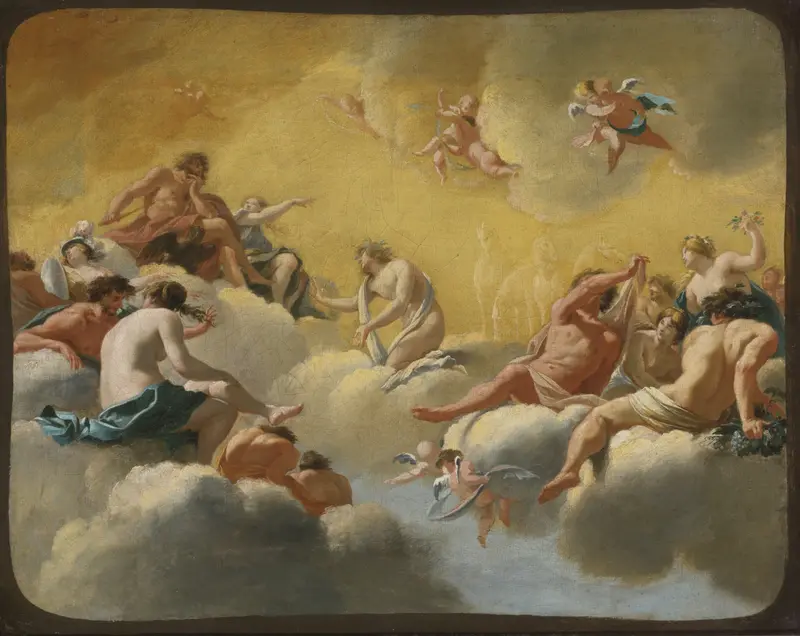
Assembly Of The Gods
Simon Vouet
Madonna and Child
Simon Vouet





