
Under the Ouse Bridge, Bathing — History & Facts
In the stillness of a sunlit afternoon, a moment of tranquil hope hangs delicately between water and sky. The gentle ripple of the river mirrors the soft hues above, inviting us into a world where serenity reigns. Here, the viewer can find solace in the tender interplay of light and shadow. Look to the left at the arch of the bridge, where soft pastels blend seamlessly into the cool blues of flowing water.
The figures bathing, small and unassuming, are rendered with a lightness that embodies both joy and simplicity. Varley’s deft brushwork captures the glint of sunlight on the water’s surface, creating a luminous effect that draws the eye inward, beckoning us to explore further. Notice how the trees frame the scene, their verdant greens contrasting with the warm tones of the bathing figures, grounding the composition in nature’s embrace. Beneath this idyllic surface, themes of vulnerability and camaraderie pulse through the artwork.
The act of bathing invites reflection on purity and renewal, while the shared experience hints at a deeper bond among the figures. The contrast between the vastness of the river and the intimacy of the bathers evokes the balance between solitude and connection, suggesting that hope can flourish in the simplest of moments. John Varley painted Under the Ouse Bridge, Bathing between 1803 and 1804 during a period marked by burgeoning Romantic ideals. At this time, he was deeply influenced by the natural landscape of England and the emerging appreciation for the sublime in art.
Varley, known for his watercolors and landscapes, sought to capture not just beauty but the essence of human experience, reflecting the broader shifts in society’s relationship with nature.
More Artworks by John Varley
Browse all →
Knaresborough on the River Nidd, Yorkshire
John Varley

Kirkstall Abbey near Leeds
John Varley

Bamborough Castle from the Northeast, with Holy Island in the Distance, Northumberland
John Varley
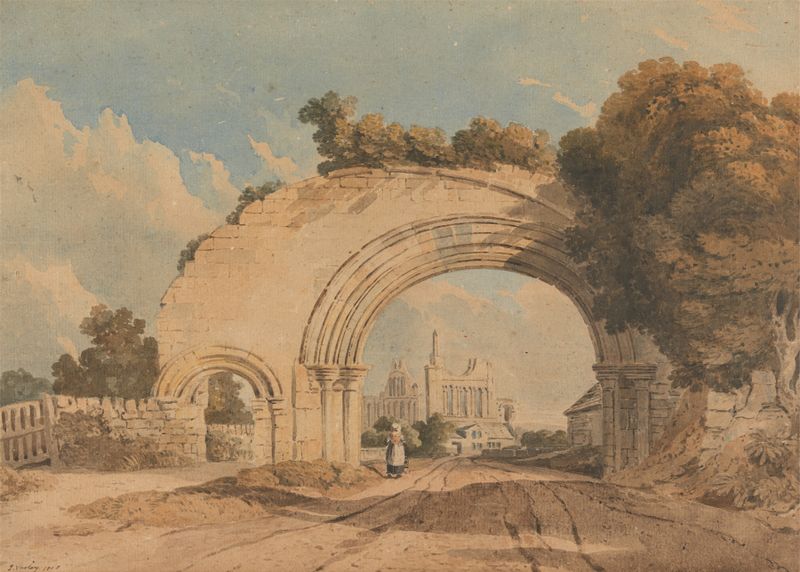
Byland Abbey, Yorkshire
John Varley

View of Conwy Castle, North Wales
John Varley
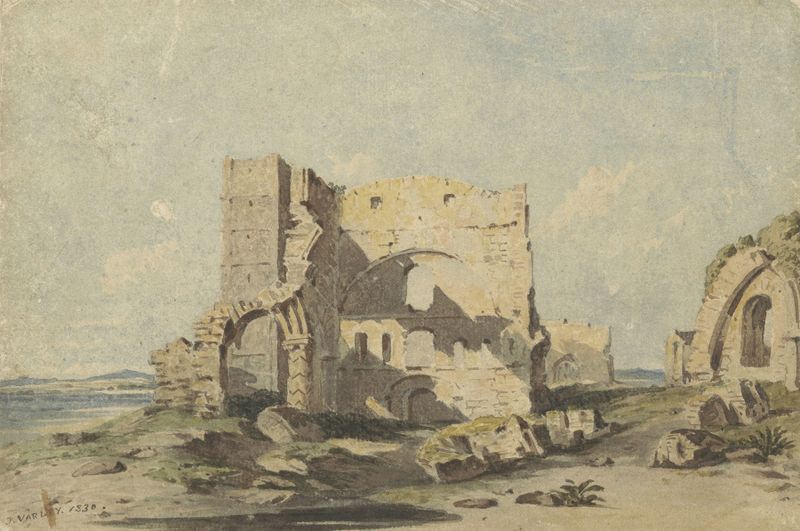
Lindisfarne Abbey op Holy Island, Northumberland
John Varley
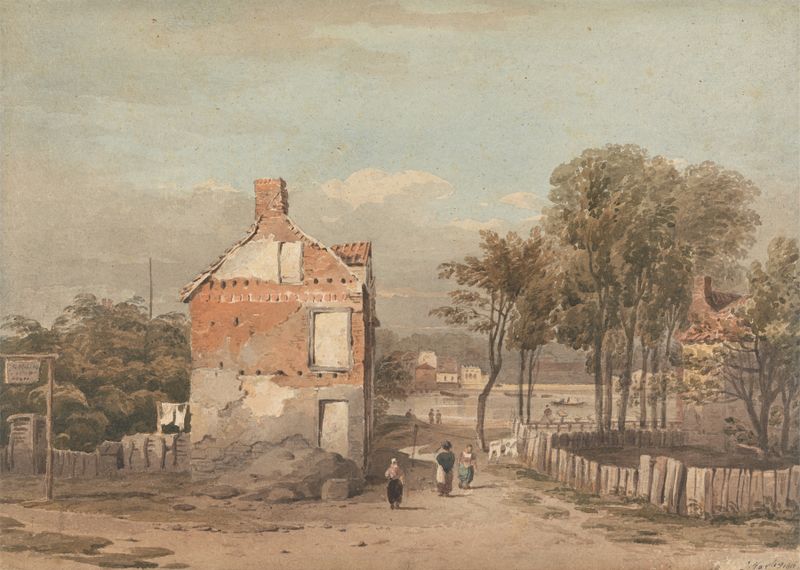
The Thames Near the Penitentiary, Millbank, London
John Varley

Vale of Clwyd, Wales
John Varley

A View along the Thames towards Chelsea Old Church
John Varley

The Thames at Windsor
John Varley





