
Une clairière — History & Facts
Can paint confess what words never could? In Une clairière, Narcisse-Virgile Diaz de La Peña captures a moment of revelation, where nature breathes life into the canvas and emotion spills forth in colors more vivid than speech. Look to the center of the canvas, where a radiant clearing invites the viewer into its embrace. The lush greens and soft earth tones create a harmonious palette, while dappled sunlight filters through the canopy above, casting intricate patterns that dance across the forest floor. The delicate handling of light reveals the artist's mastery, drawing the eye deeper into this tranquil oasis, suggesting a sacred space where serenity and wonder converge. Yet beneath the calm surface lies a subtle tension.
The towering trees, while protective, loom with an almost oppressive weight, hinting at the complexities of nature—a paradox of shelter and confinement. Here, delicate wildflowers peek through the undergrowth, symbolizing endurance and beauty amidst the shadows, while the faint whispers of distant wildlife remind us of life’s unseen vibrancy. This juxtaposition stirs an emotional response, evoking a sense of longing for connection with the wild. Created around 1870, this piece emerged during a transformative period for the artist, as he navigated the depths of Romanticism while embracing aspects of Realism.
Working in France, Diaz was influenced by the Barbizon School, which sought to capture nature's raw essence. This piece reflects both his personal journey and the broader movement towards finding truth in the world around us, solidifying his role within the rich tapestry of 19th-century art.
More Artworks by Narcisse-Virgile Diaz de La Peña
Browse all →
Forest Scene
Narcisse-Virgile Diaz de La Peña
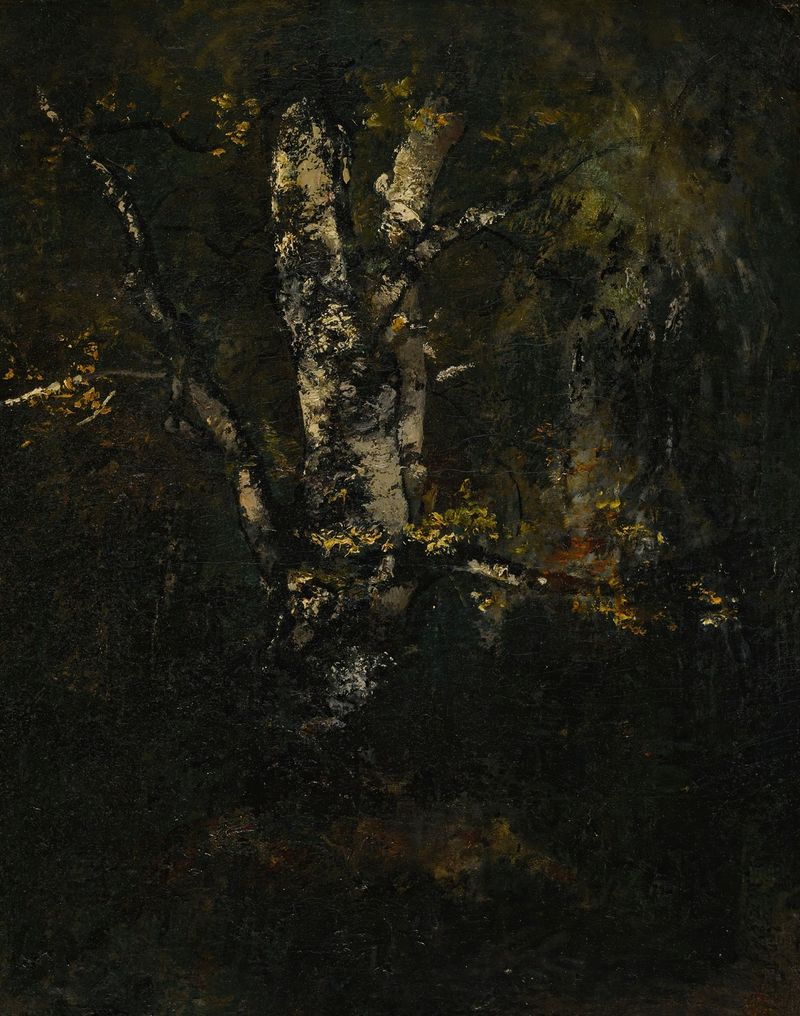
Vieux Troncs De Hêtres
Narcisse-Virgile Diaz de La Peña
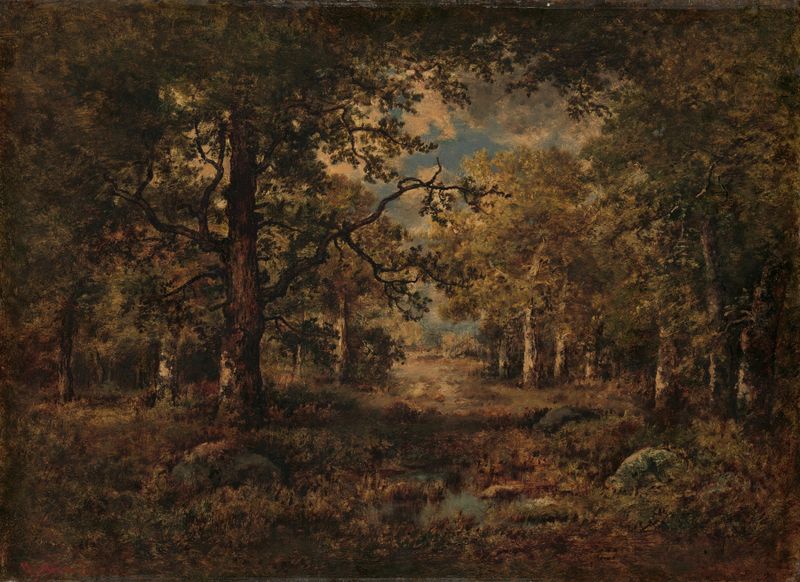
A Vista through Trees; Fontainebleau
Narcisse-Virgile Diaz de La Peña
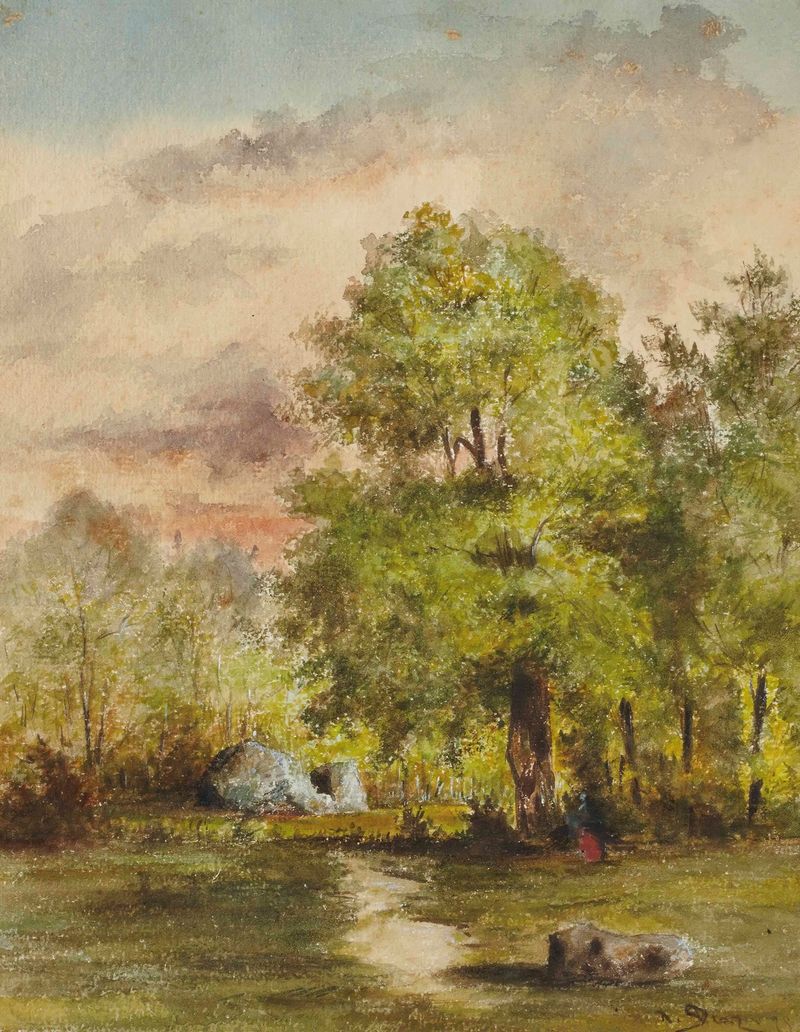
Vue d’une clairière
Narcisse-Virgile Diaz de La Peña

Pond in the Woods
Narcisse-Virgile Diaz de La Peña
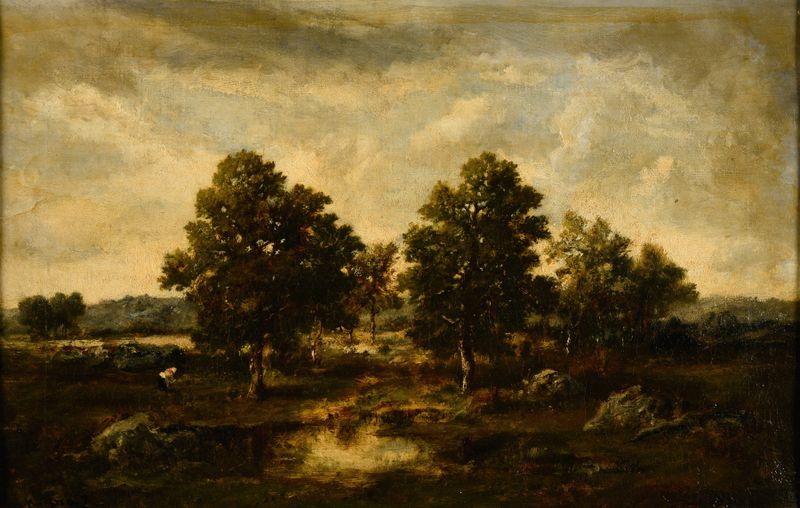
Mare dans une lande
Narcisse-Virgile Diaz de La Peña
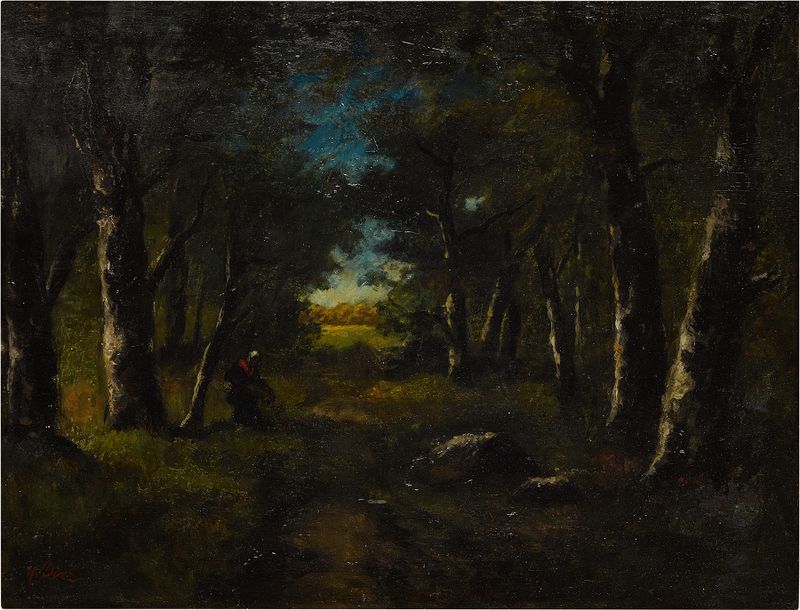
Foraging in the Forest
Narcisse-Virgile Diaz de La Peña
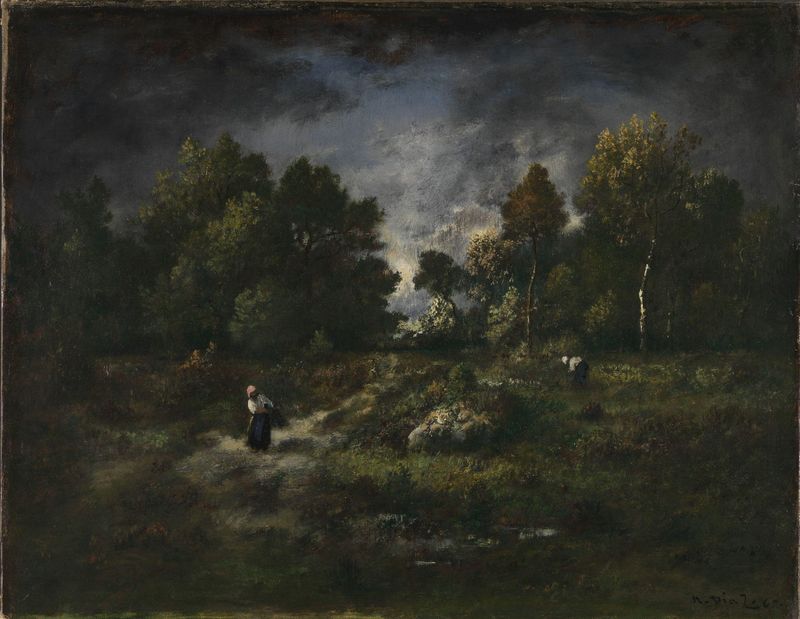
Faggot Gatherers in a Wooden Landscape
Narcisse-Virgile Diaz de La Peña
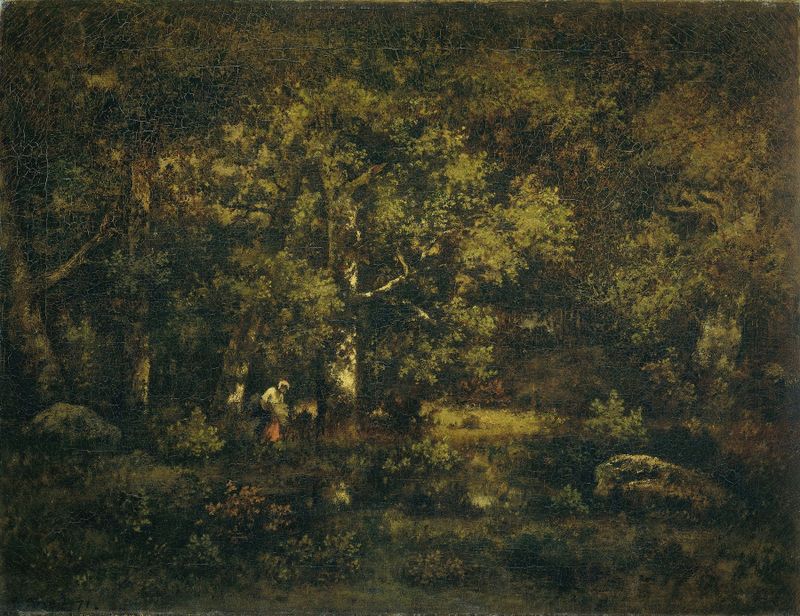
The Forest of Fontainebleau
Narcisse-Virgile Diaz de La Peña

Sous-bois
Narcisse-Virgile Diaz de La Peña





