
Une ruine sur colline — History & Facts
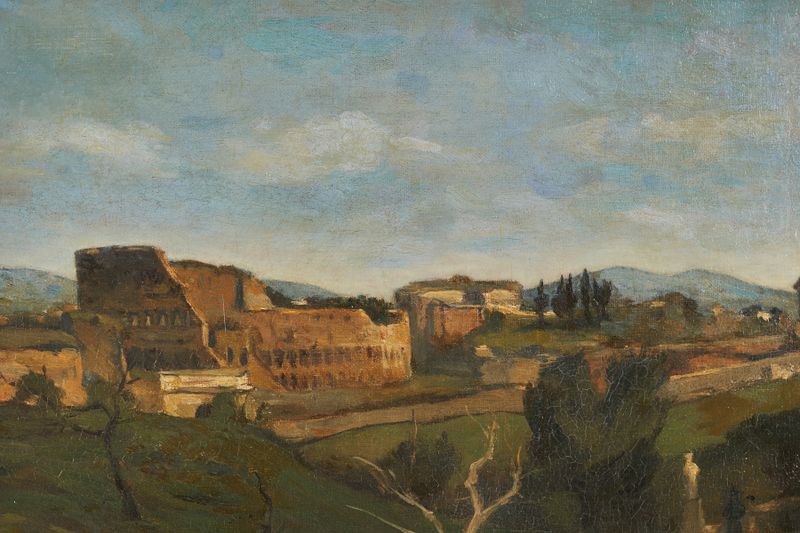
In a moment suspended between time and possibility, a solitary ruin stands upon a hill, whispering the echoes of destinies lost and found. It invites the viewer to reflect on the passage of time and the stories woven into the fabric of existence. Look to the left, where the sun bathes the crumbling stone in a warm golden hue, contrasting against the deep greens of the surrounding landscape. The gentle brushstrokes create a rich texture, drawing your eye to the intricate details of the architecture — the weathered façade, the remnants of what once stood proud.
Notice how the horizon gently curves, leading the viewer’s gaze into the distance where the sky melds into a palette of soft blues and whites. The juxtaposition of ruin and nature embodies a poignant dialogue between decay and rebirth, grappling with themes of impermanence. Each cracked stone hints at a narrative of dreams unfulfilled, while the vibrant foliage hints at life’s resilience, suggesting that even in disintegration, beauty perseveres. This contrast evokes a sense of nostalgia and melancholy, prompting viewers to confront their own perceptions of fate and legacy. Harpignies painted this piece in the late 19th century, a time marked by a growing fascination with nature and landscapes.
At this point, he was already established in the art world, influenced by the Barbizon School while also shaping his unique approach to capturing the sublime in the ordinary. The work reflects his exploration of light and atmosphere, intertwined with his fascination for ruins, echoing the romantic ideals prevalent in art during this period.
More Artworks by Henri-Joseph Harpignies
Browse all →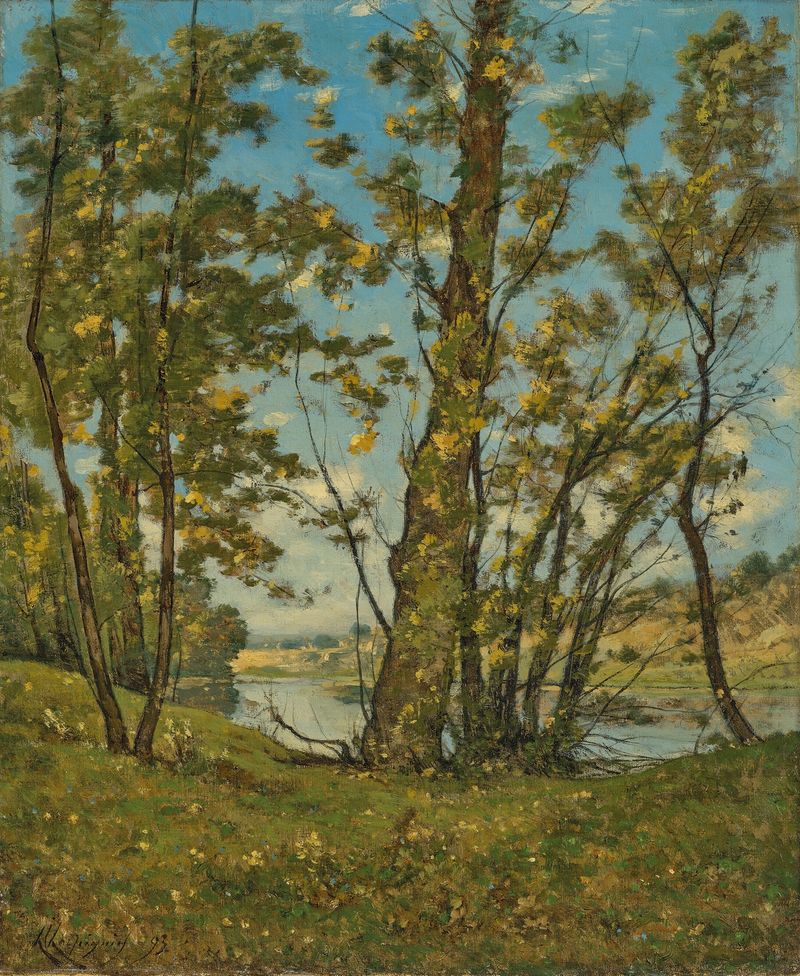
La Loire à Bonny
Henri-Joseph Harpignies
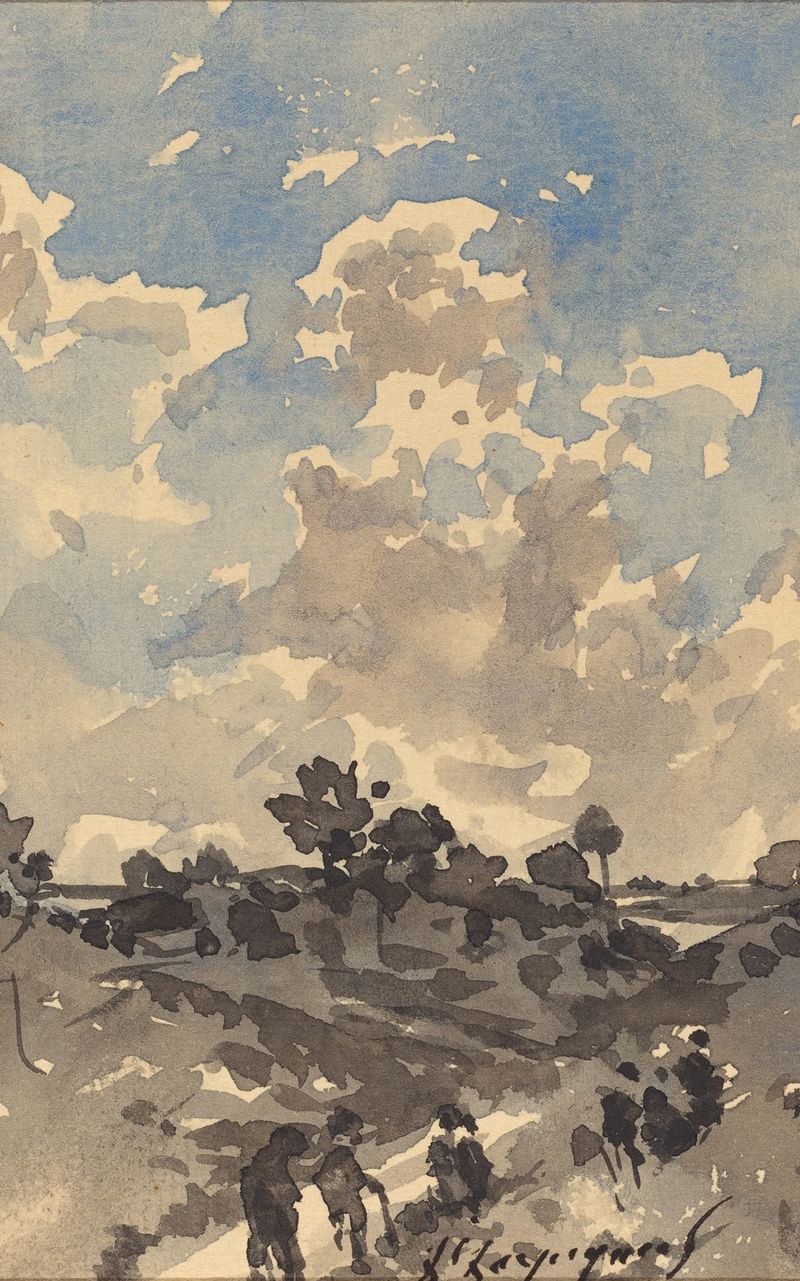
A Landscape with Figures Walking along a Path
Henri-Joseph Harpignies
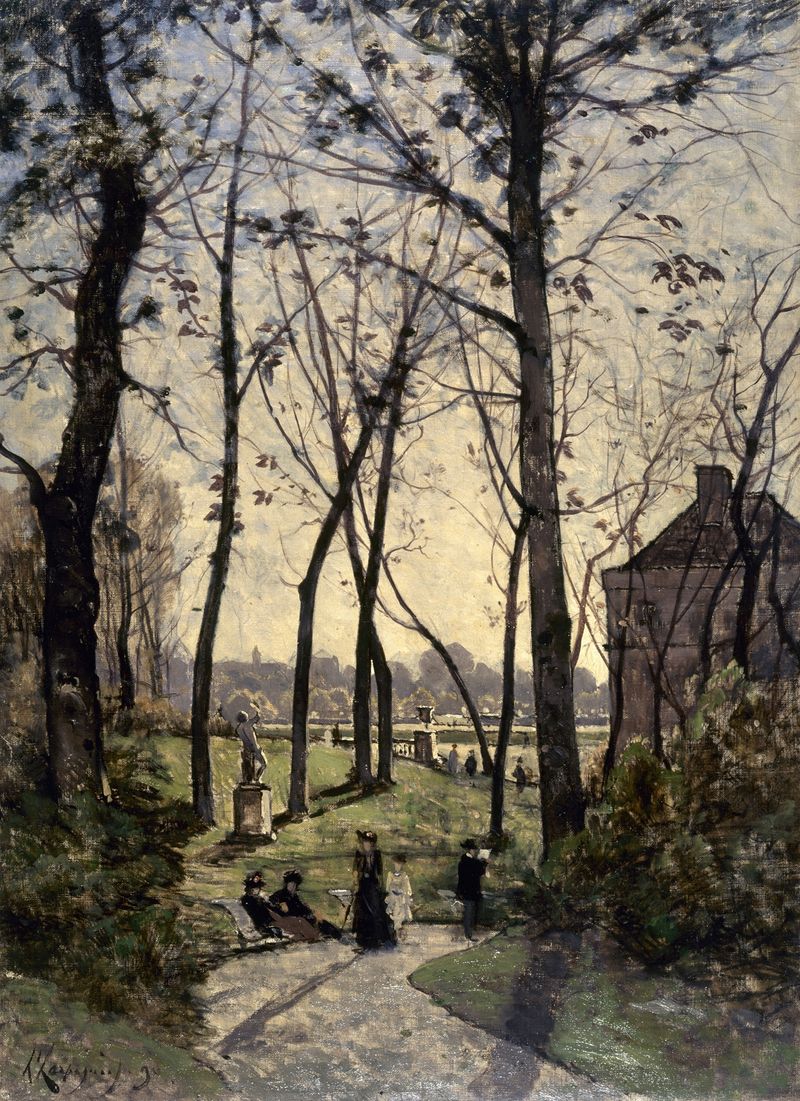
Le jardin du Luxembourg
Henri-Joseph Harpignies
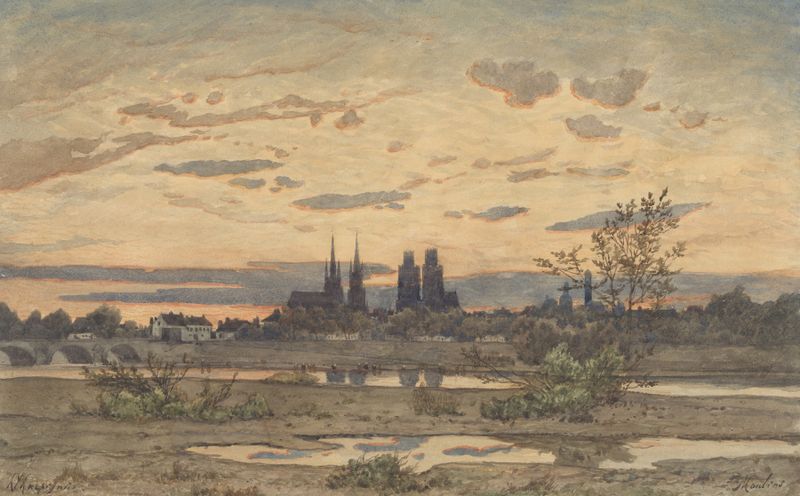
A View of Moulins
Henri-Joseph Harpignies
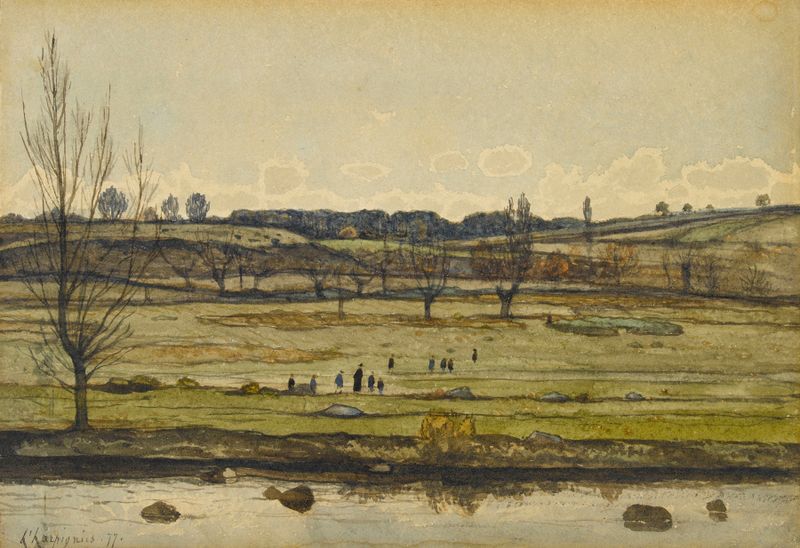
Paysage
Henri-Joseph Harpignies
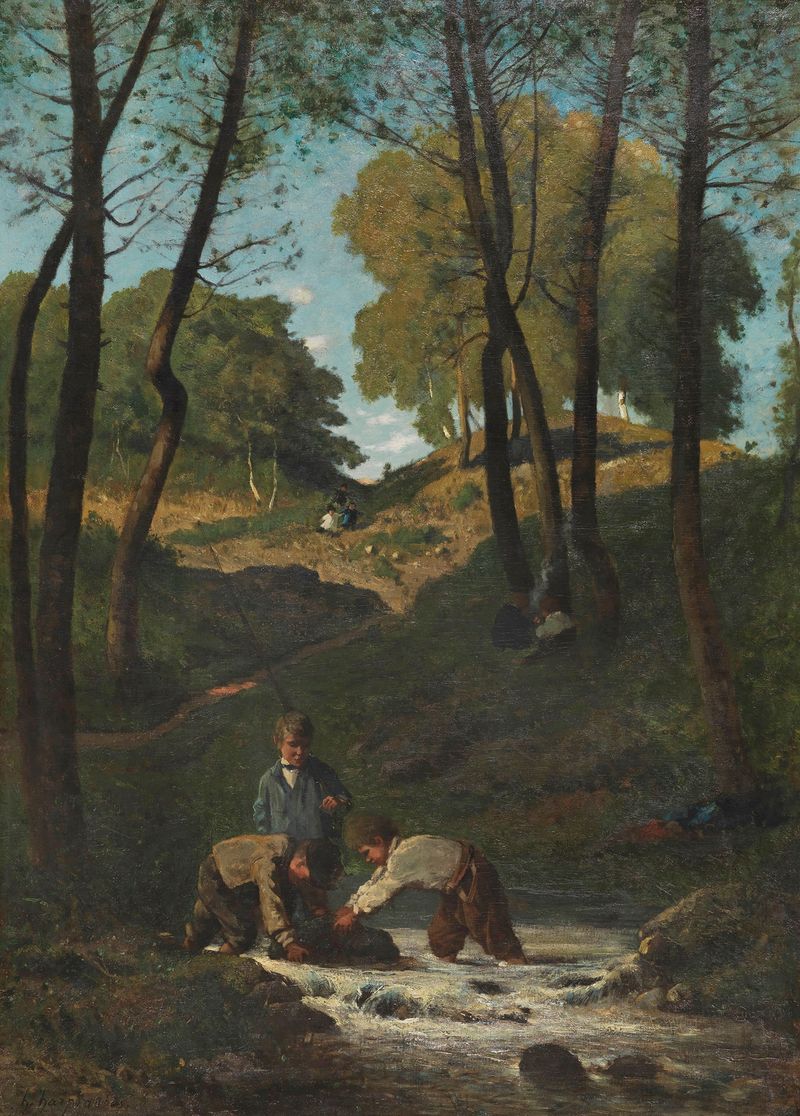
Chercheurs d’écrevisses
Henri-Joseph Harpignies
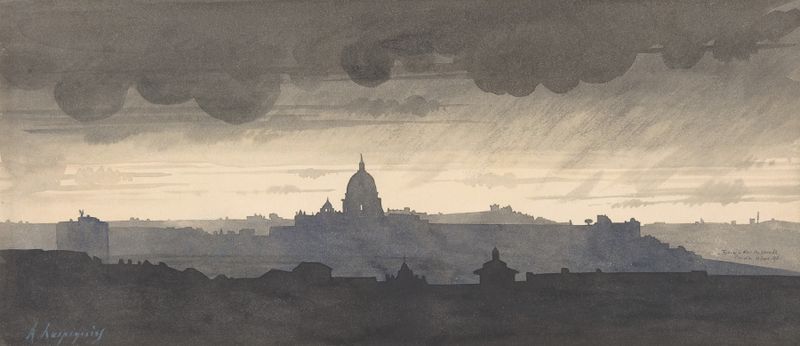
Saint Peter’s Seen From the Pincio, Rome
Henri-Joseph Harpignies
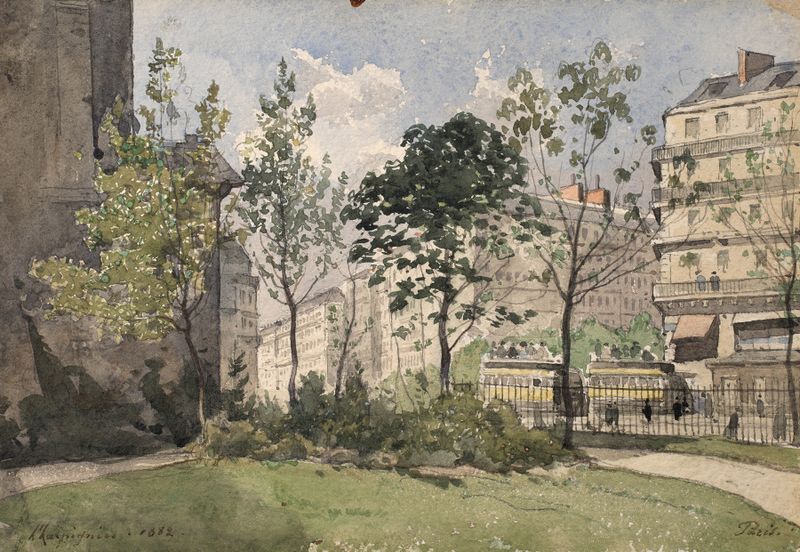
View of the forecourt of the Saint-Germain-des-Prés church
Henri-Joseph Harpignies
Le Colisée à Rome
Henri-Joseph Harpignies

Villefranche
Henri-Joseph Harpignies





