
Une vue près de Saint-Privé — History & Facts
Nostalgia weaves through the landscape, inviting us to wander along the banks of memory where every detail holds a cherished echo of the past. Focus first on the gentle undulations of the verdant hills, as they roll into the horizon. The artist's deft brushwork breathes life into the lush greenery, with dappled sunlight filtering through the trees, casting playful shadows on the grass below. To the left, the soft blues of the sky blend seamlessly into the warm greens of the countryside — a delicate harmony that invites contemplation.
Each stroke conveys both vibrancy and a sense of tranquility, creating a serene atmosphere that beckons the viewer to linger. Delve deeper into the subtle contrasts within the painting. The interplay between light and shadow captures the fleeting moment of day’s end, evoking a sense of transience that resonates with the experience of time itself. Notice how the distant, almost ethereal figures in the landscape serve as reminders of our own past encounters, suggesting connections that transcend the canvas.
There’s a palpable tension between the idyllic setting and the silent acknowledgment of what has been lost, crafting an emotional depth that transforms this landscape into a personal reflection. In 1884, when this piece emerged from the hands of its creator, the artist found himself navigating the shifting currents of the French art scene. Living in Paris, Harpignies was influenced by the Barbizon school and the burgeoning Impressionist movement, which sought to capture the essence of nature. During this period, a growing interest in plein air painting encouraged artists to engage directly with their surroundings, leading to a resurgence of emotive landscapes that resonate deeply with their viewers.
More Artworks by Henri-Joseph Harpignies
Browse all →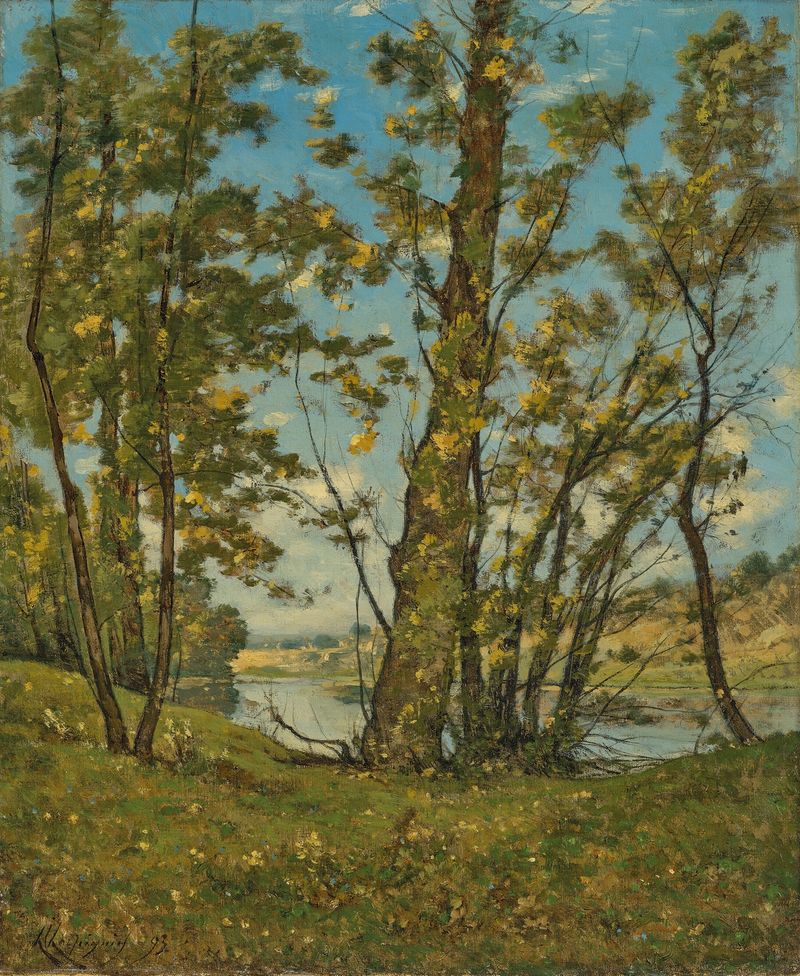
La Loire à Bonny
Henri-Joseph Harpignies
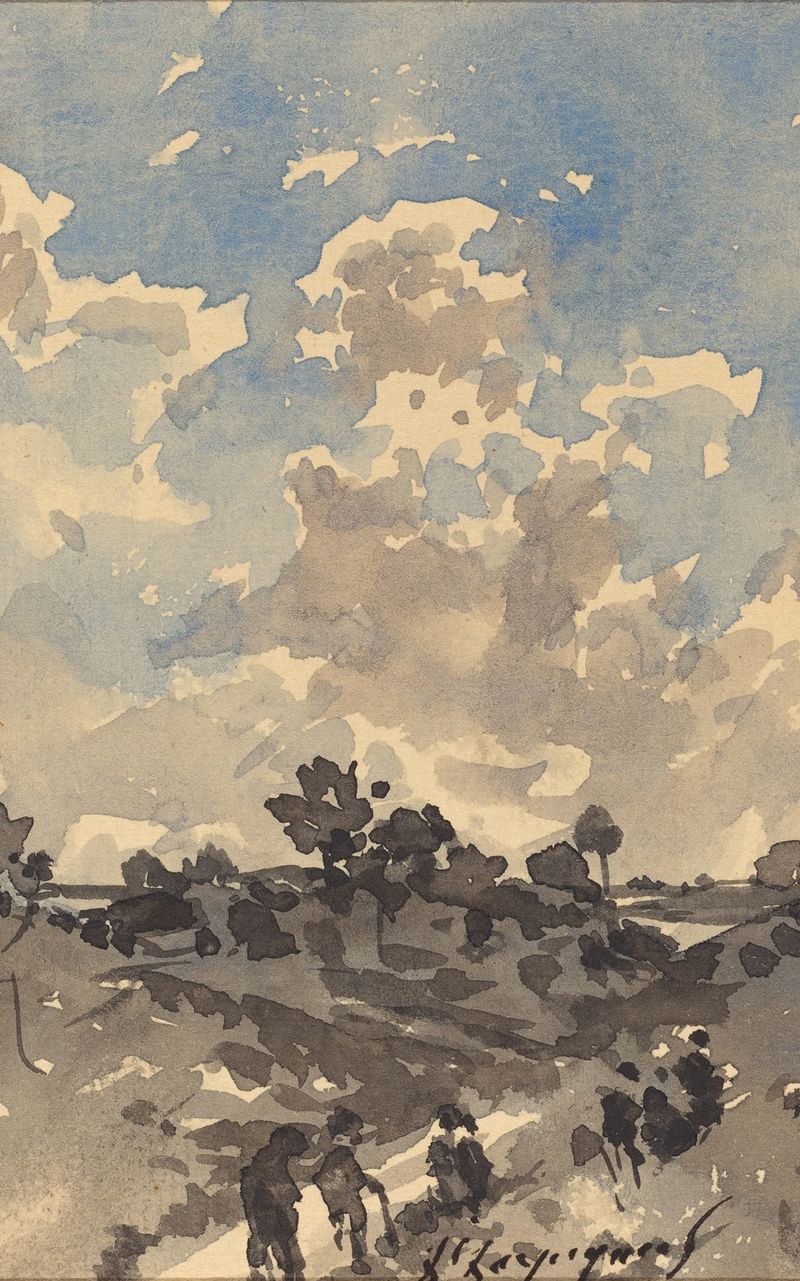
A Landscape with Figures Walking along a Path
Henri-Joseph Harpignies
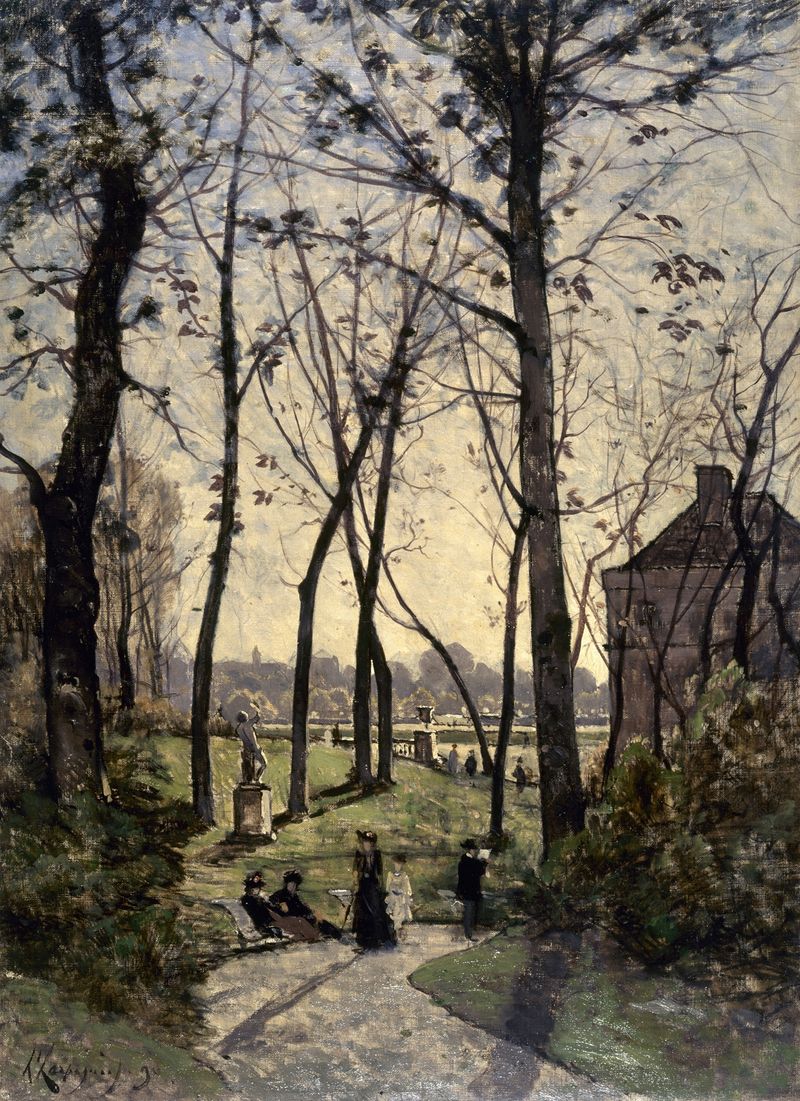
Le jardin du Luxembourg
Henri-Joseph Harpignies
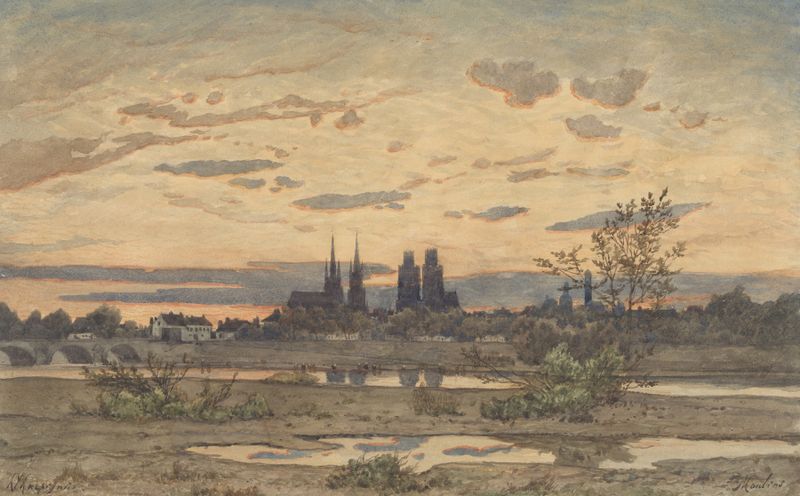
A View of Moulins
Henri-Joseph Harpignies
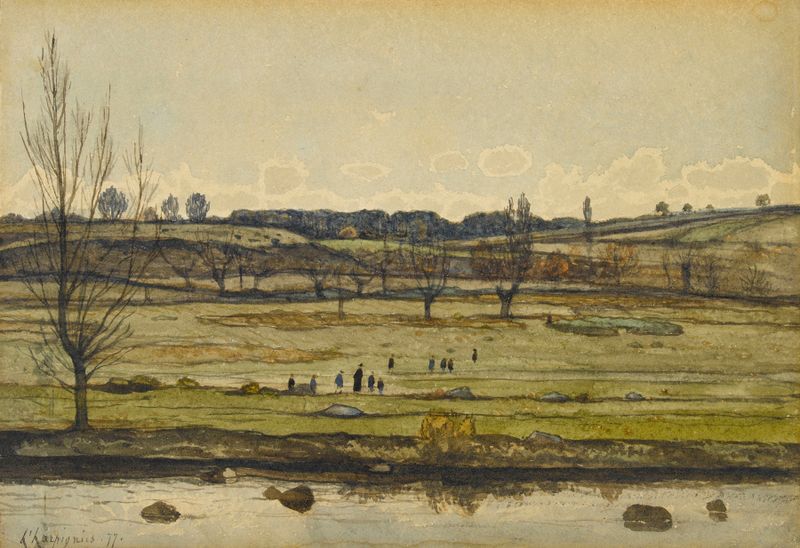
Paysage
Henri-Joseph Harpignies
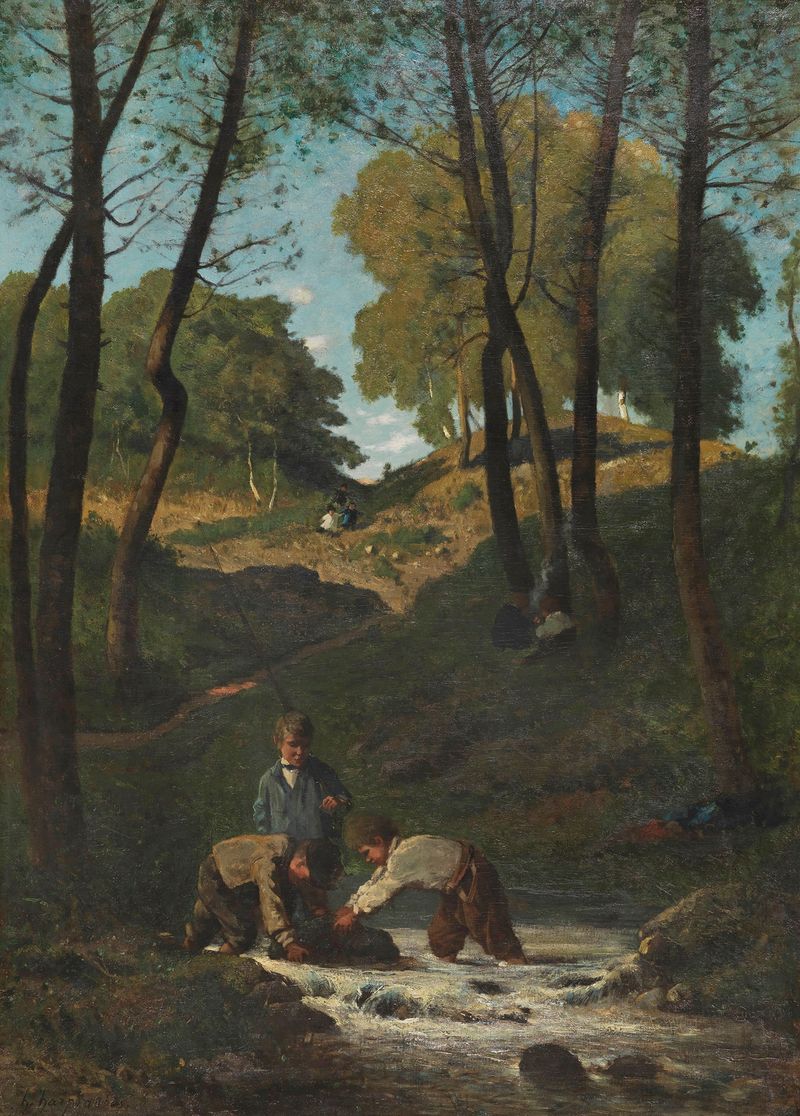
Chercheurs d’écrevisses
Henri-Joseph Harpignies
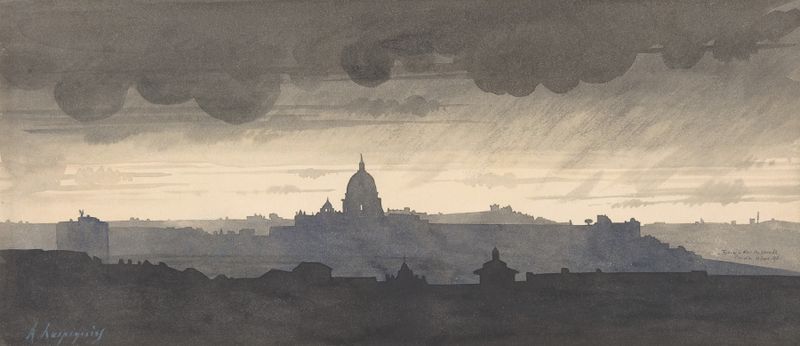
Saint Peter’s Seen From the Pincio, Rome
Henri-Joseph Harpignies
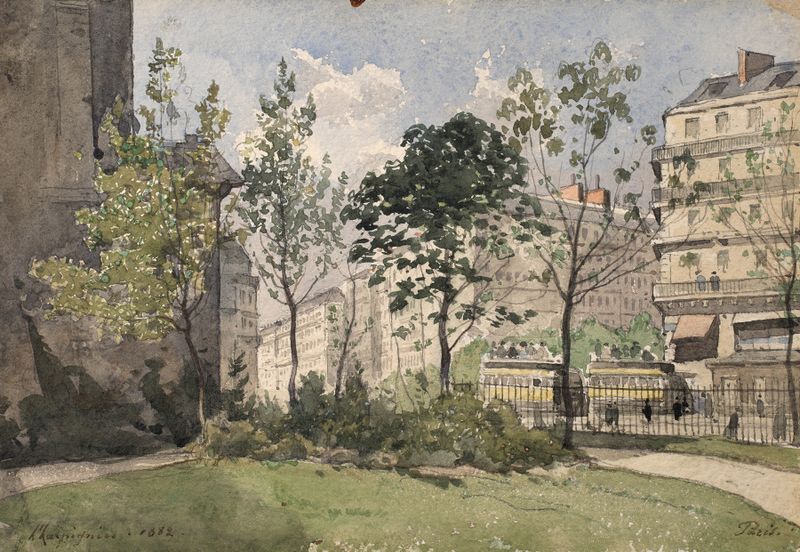
View of the forecourt of the Saint-Germain-des-Prés church
Henri-Joseph Harpignies
Le Colisée à Rome
Henri-Joseph Harpignies

Villefranche
Henri-Joseph Harpignies





