
Union Square — History & Facts
What if beauty was never meant to be finished? In Union Square, the vibrant chaos of life unfolds, teetering on the edge of a delicate balance between grace and discord, capturing the essence of a moment that feels perpetually incomplete. Look to the center, where throngs of people converge, their hurried gestures imbued with a sense of urgency. The artist’s deft use of ink and wash reveals a bustling urban landscape, with light cascading down through the buildings, highlighting the varied expressions of the crowd. Notice how the flickering shadows dance among the figures, suggesting movement and emotion, infusing the scene with a heartbeat that seems to pulse just out of reach. As you explore the intricate details, you'll encounter the tension between stillness and chaos.
The juxtaposition of the rigid architecture and the fluidity of the crowd evokes an emotional undercurrent of betrayal — the city, a beautiful façade, often neglects the individual within its embrace. The contrast between dark ink and lighter washes suggests fleeting moments of joy amidst the overwhelming rush, reflecting on the fragility of human connection in urban life. Joseph Pennell painted Union Square in 1905 while living in New York, a time when the city was burgeoning with innovation and artistic exploration. Amidst the backdrop of an evolving art scene, he sought to capture the complexity of urban existence, embracing the rise of modernity while also critiquing its impacts on society.
This duality underscores his work, inviting viewers to reflect on the beauty and betrayal inherent in city life.
More Artworks by Joseph Pennell
Browse all →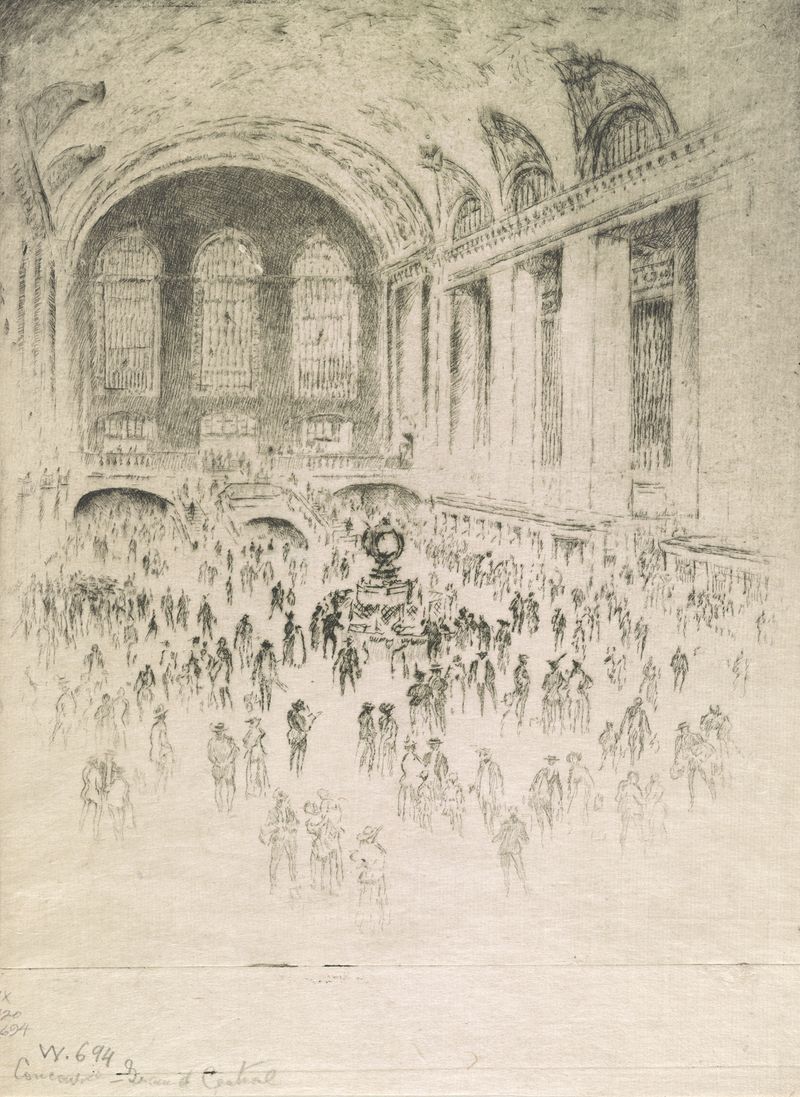
Concourse, Grand Central
Joseph Pennell
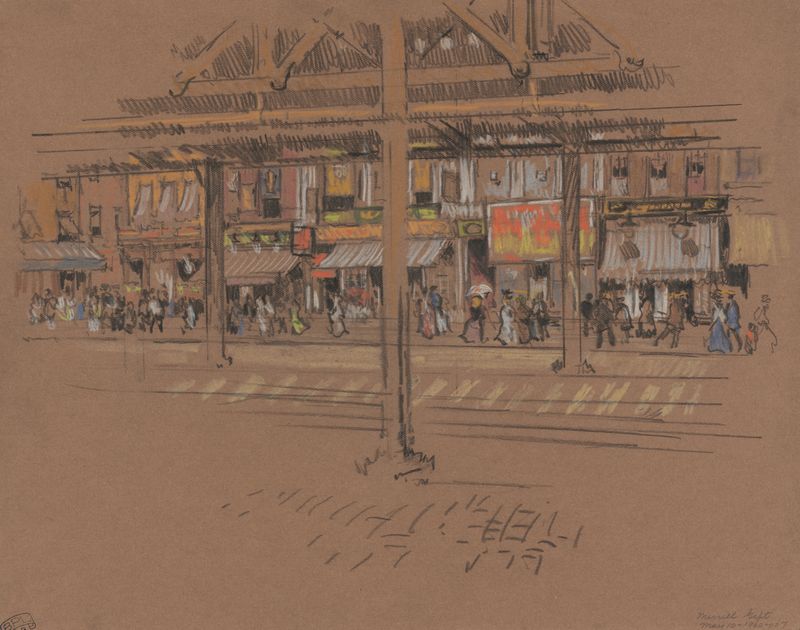
Sixth Avenue
Joseph Pennell
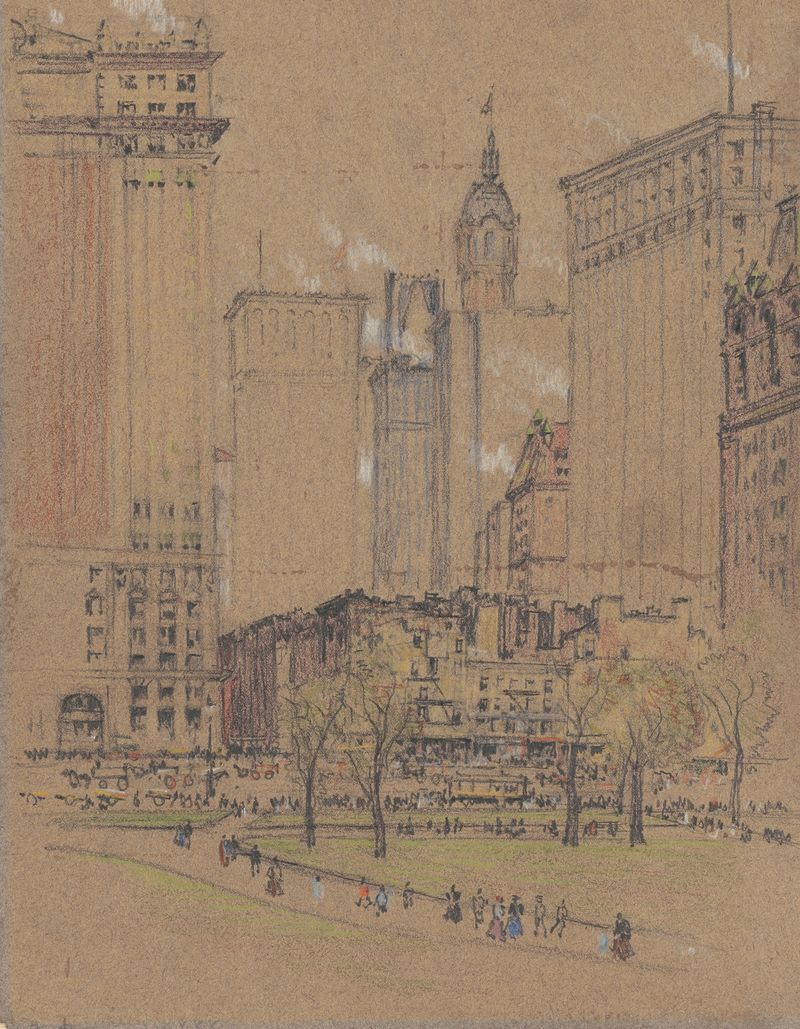
New York,the Old and the New
Joseph Pennell
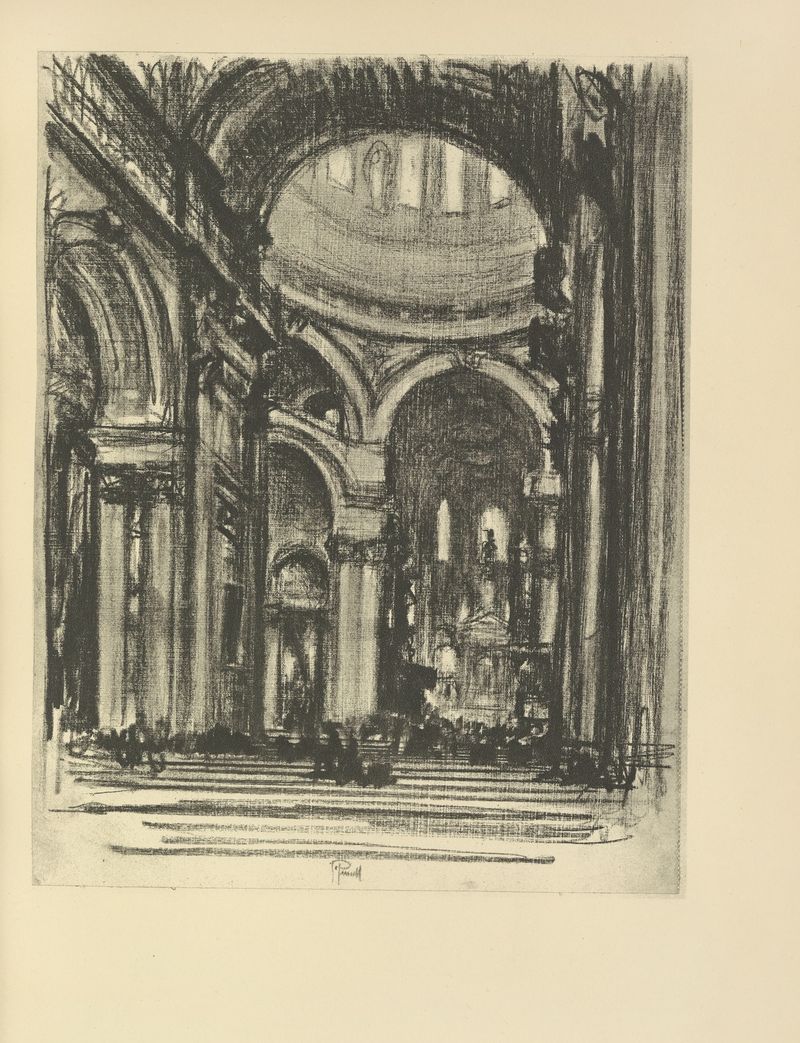
St. Paul’s, The Nave
Joseph Pennell
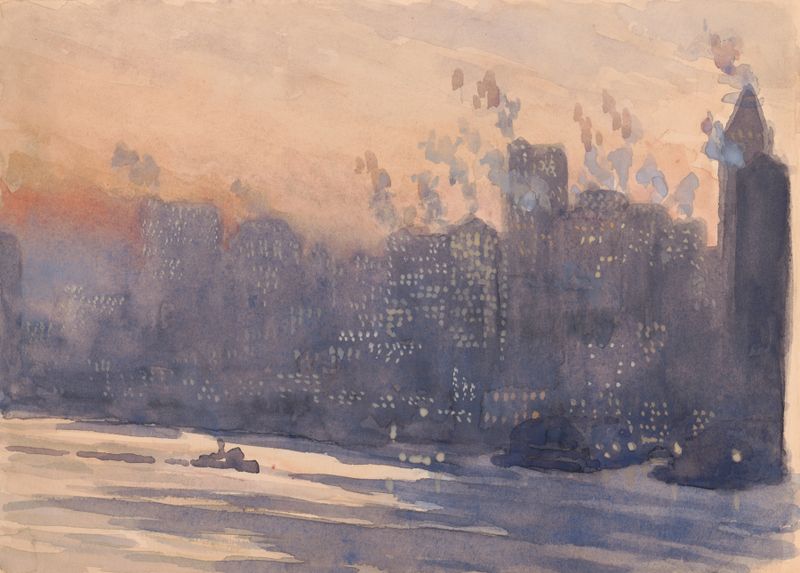
New York City harbor and skyline at night
Joseph Pennell
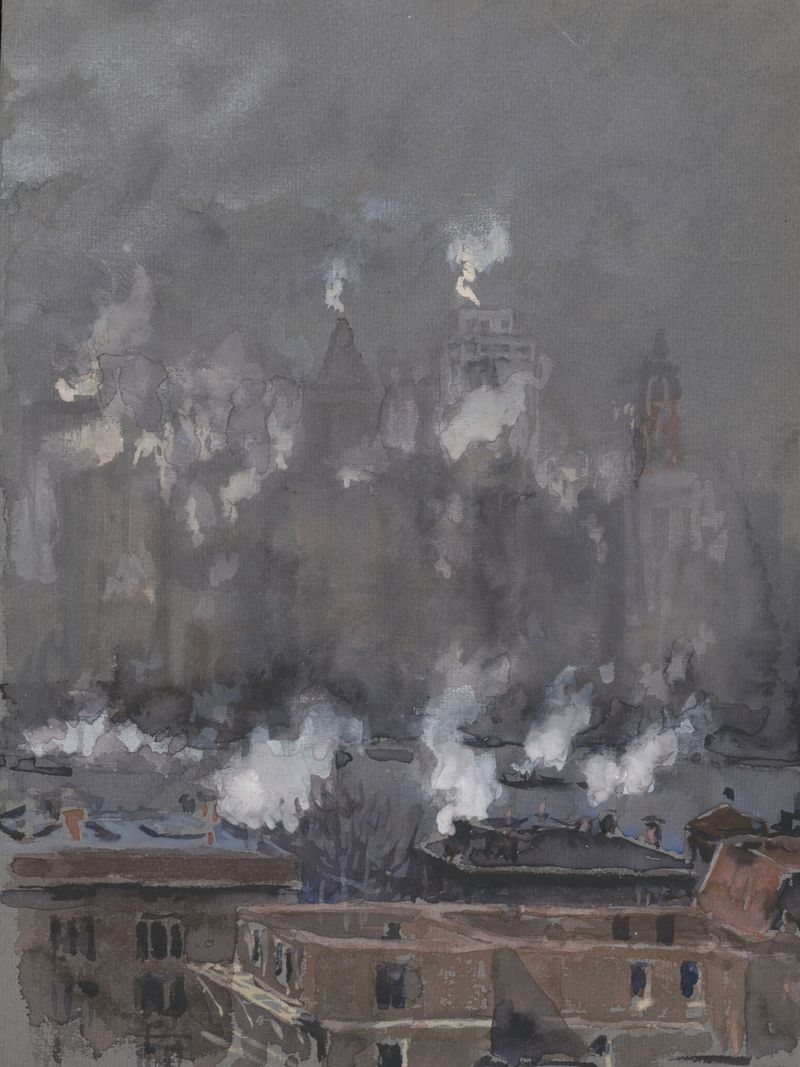
Smoke and fog on gray day, New York City
Joseph Pennell
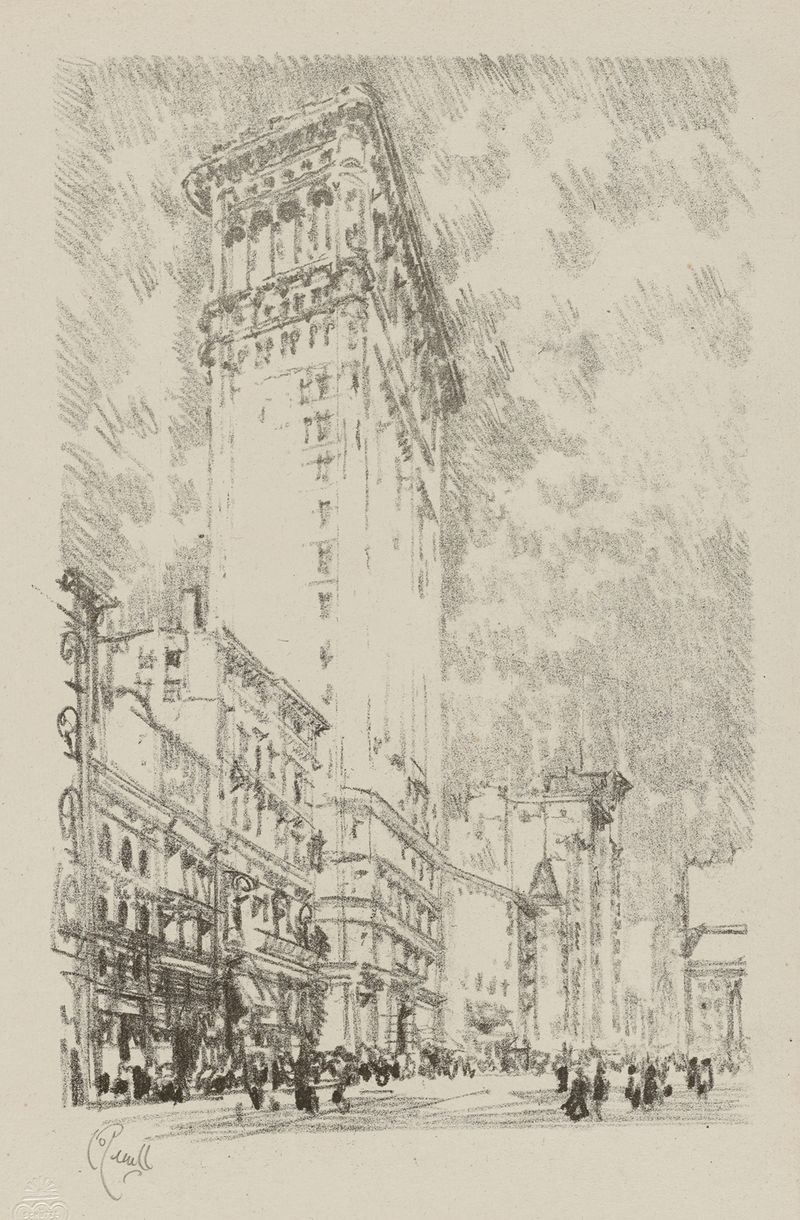
The Flat Iron
Joseph Pennell
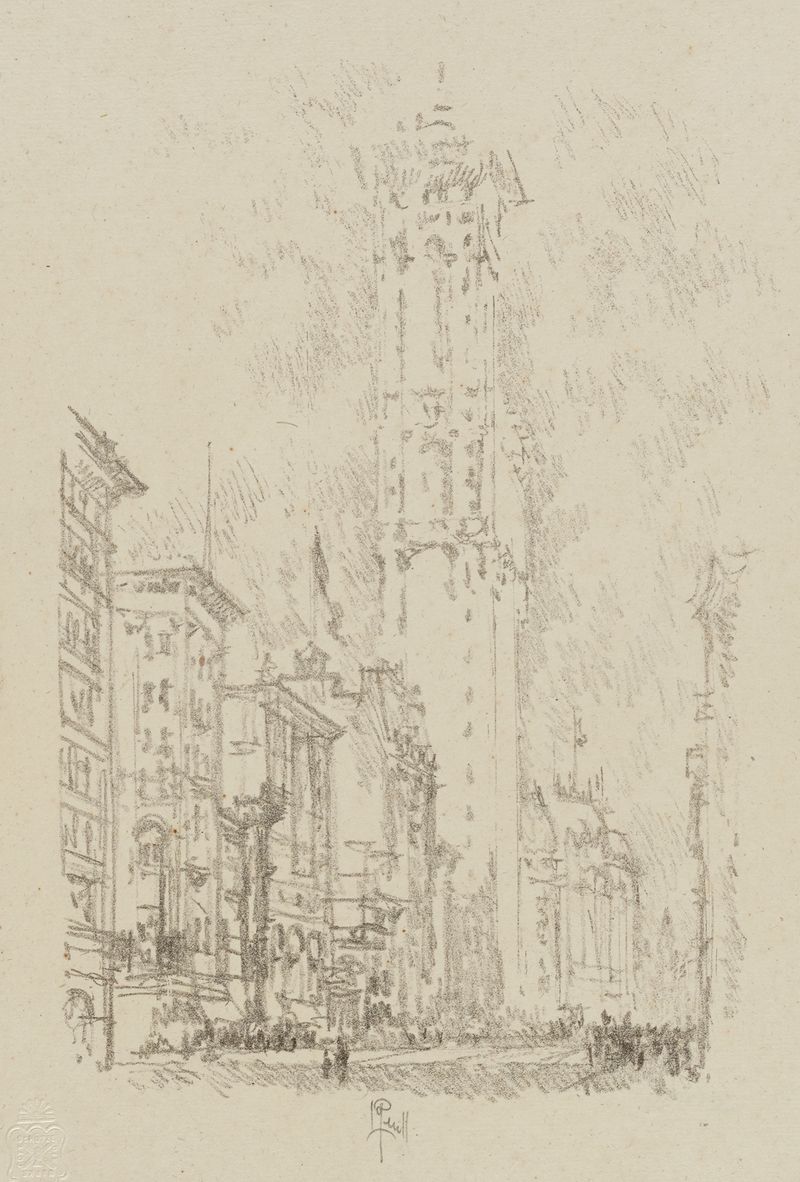
The Times Building
Joseph Pennell
Skyscrapers at night
Joseph Pennell

St. James’ Park
Joseph Pennell





