
Utsikt mot Vesuvuis från Quisisana — History & Facts
What if beauty was never meant to be finished? In Utsikt mot Vesuvuis från Quisisana, a breathtaking vista unfolds, capturing the eternal dance between nature and the passage of time. Look to the left where the sun casts a golden hue over the rolling hills, inviting your gaze toward the majestic silhouette of Vesuvius. Notice how the soft, almost ethereal blues of the sky blend seamlessly with the warm earth tones of the landscape below. Each brushstroke reveals Dahl's meticulous attention to detail, particularly in the delicate rendering of the foliage and the distant city.
The composition strikes a balance between chaos and tranquility, as if the scene breathes with life, inviting contemplation. Delve deeper into the subtle contrasts present in the painting: the juxtaposition of the vibrant greenery against the looming, dormant volcano suggests both life and the slow inevitability of decay. The quiet serenity of the countryside speaks to an unhurried moment, while the distant mountain hints at the latent power of nature, hinting at a past filled with both destruction and rebirth. This duality evokes a sense of nostalgia, as if time itself lingers over the landscape, capturing its beauty in an infinite loop. Johan Christian Dahl created this masterpiece in 1820 while residing in Italy, drawn by the breathtaking vistas and cultural richness of the region.
At a time when Romanticism was gaining momentum in the art world, Dahl sought to express the sublime beauty of nature, influenced by both his northern heritage and the vibrant Italian landscape. This work reflects not only his artistic evolution but also the growing fascination with capturing the essence of time in art.
More Artworks by Johan Christian Dahl
Browse all →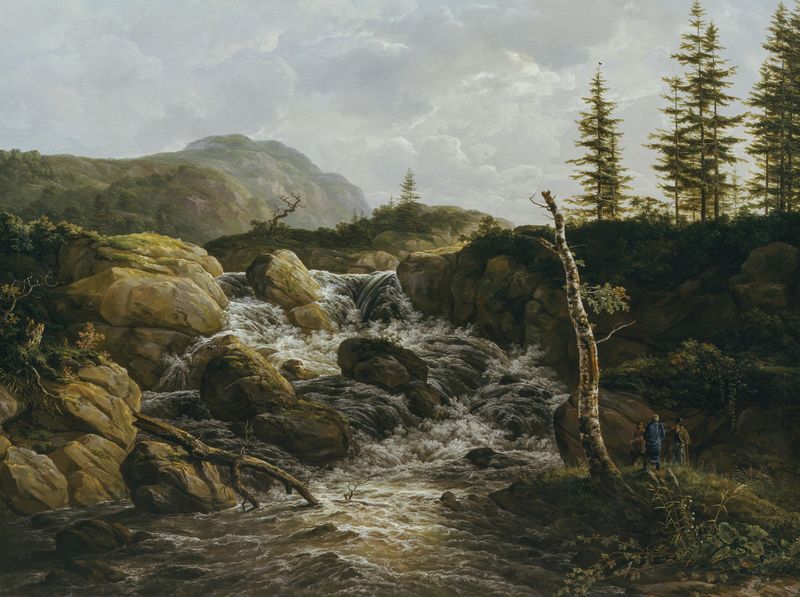
Mountainous Landscape with a Waterfall, Norway
Johan Christian Dahl
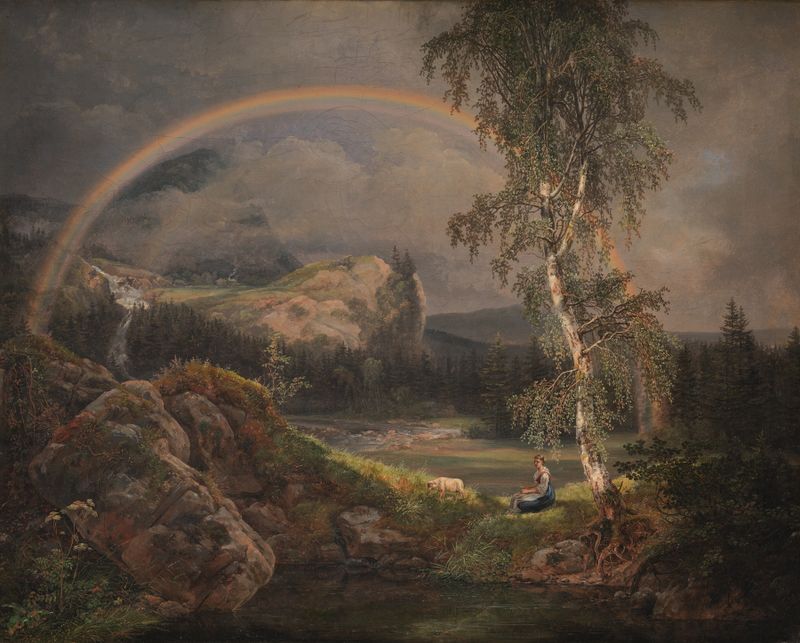
Norwegian Landscape with a Rainbow
Johan Christian Dahl
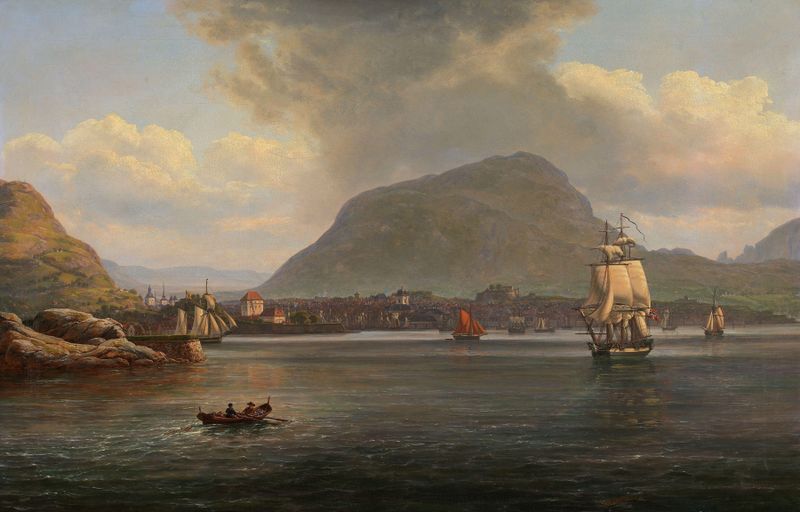
Bergen seen from the northern Inlet
Johan Christian Dahl
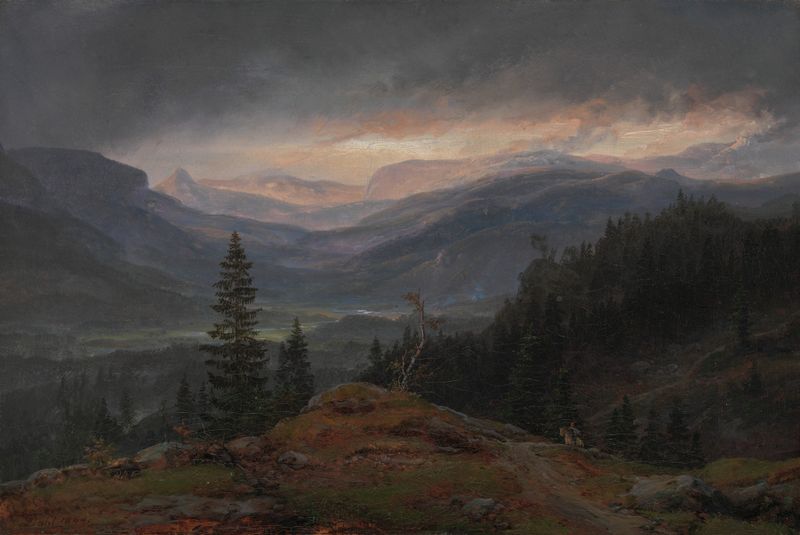
View over Hallingdal
Johan Christian Dahl
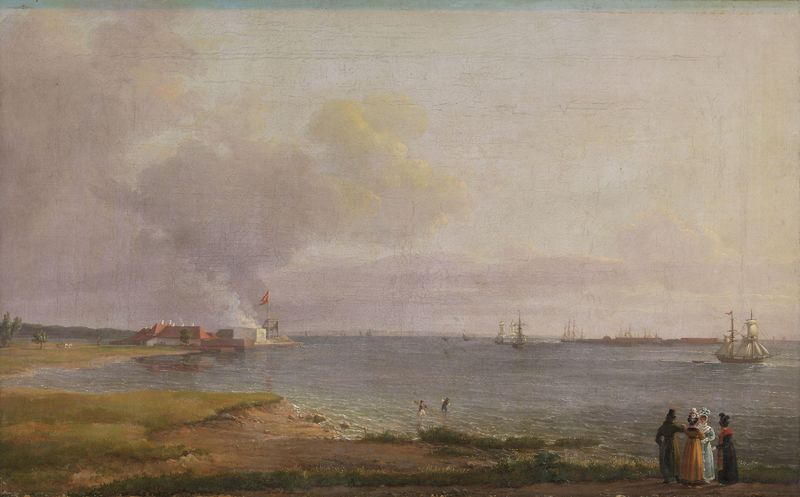
View over Øresund near the Lime Works
Johan Christian Dahl
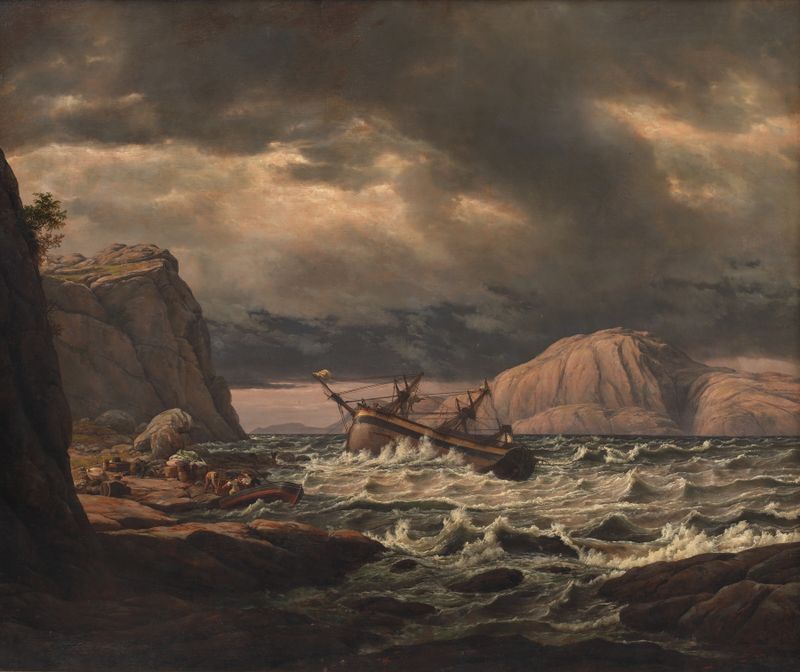
A Shipwreck on the Coast of Norway
Johan Christian Dahl
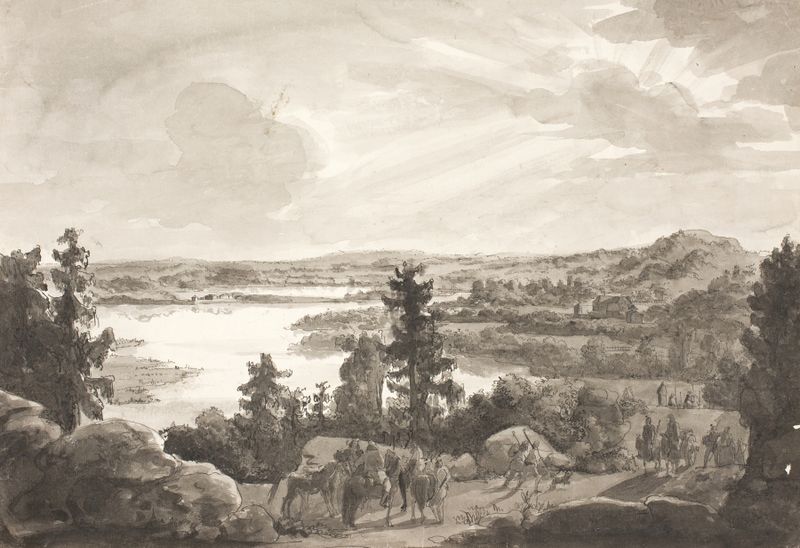
View of a Lake, Norway
Johan Christian Dahl
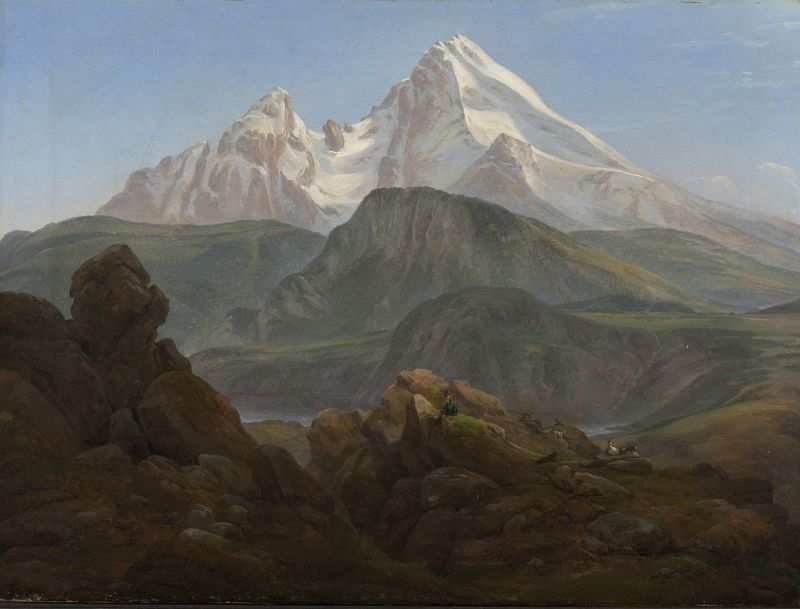
The Watzmann
Johan Christian Dahl
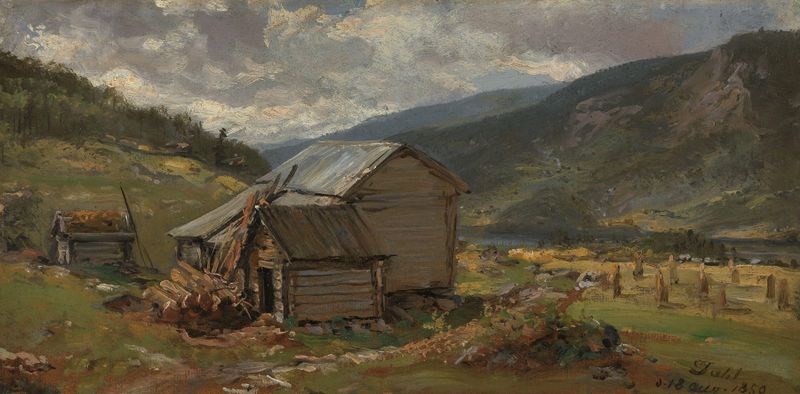
View of Hjelle in Valdres
Johan Christian Dahl

View At Skjolden In Lyster
Johan Christian Dahl





