
Variety Act 7: Sepp and Kathi Steidler, Popular House Comedians (Varietenummer 7: Sepp und Kathi Steidler, Beliebte Hauskomiker) — History & Facts
What leaps out first in Variety Act 7: Sepp and Kathi Steidler, Popular House Comedians is the riot of pattern and energy, the accordion’s bellows slicing the image in a bold arc that almost drowns out the smiling duo at left. The artist, Moriz Jung, corrals the chaos of the cabaret with thick, looping lines and a palette limited to black, white, and a jolt of yellow that electrifies the scene. The table, heaped with bottles, glasses, and a sausage, is rendered with the same rhythmic repetition as the accordion, turning everyday objects into a kind of visual music.
The faces of Sepp and Kathi peek out, their expressions caught between performance and private joke, inviting the viewer to join the fun. Every element is stylized, from the swirling border to the blocky, almost playful lettering, making the whole print pulse with the promise of laughter and song. Created in 1907, this print belongs to a world where posters and prints were the lifeblood of urban entertainment, advertising variety acts and cabaret stars to a public hungry for novelty. The early twentieth century was a golden age for such works, especially in cities like Vienna, where artists like Jung moved easily between fine art and popular culture.
These prints were often commissioned by theaters or performers themselves, designed to catch the eye and capture the spirit of the act. Little is recorded about this specific piece beyond its presence in the Metropolitan Museum of Art’s collection, a reminder of how many performers and artists of the era have faded into obscurity. Yet the image still crackles with the energy of its time, inviting us to imagine the laughter and music just beyond the frame.
More Artworks by Moriz Jung
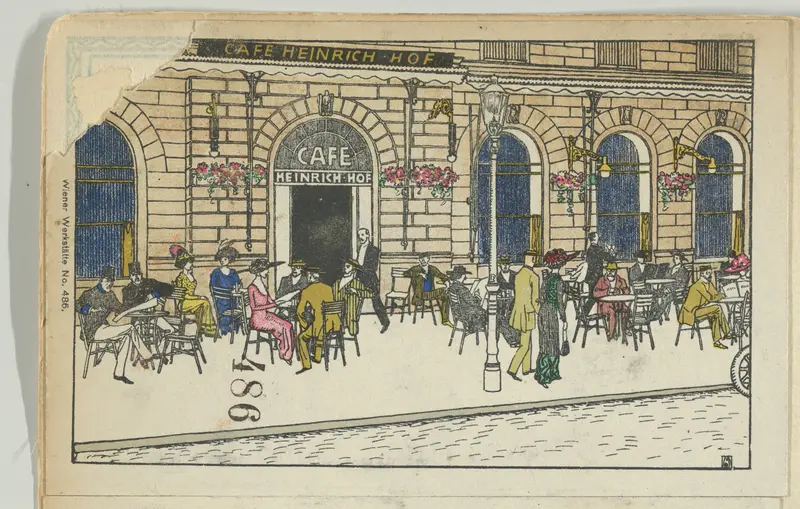
Café Heinrichhof
Moriz Jung

Moriz Jung Porträt
Moriz Jung
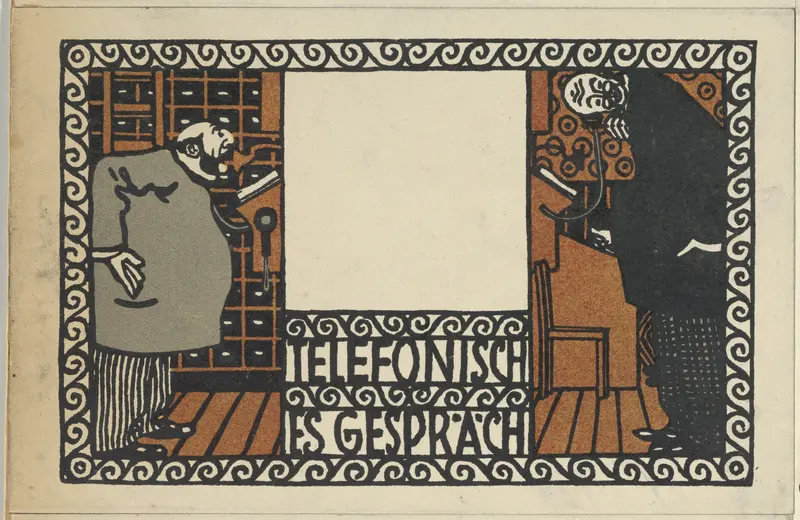
Telephone Conversation (Telefonisches Gespräch)
Moriz Jung
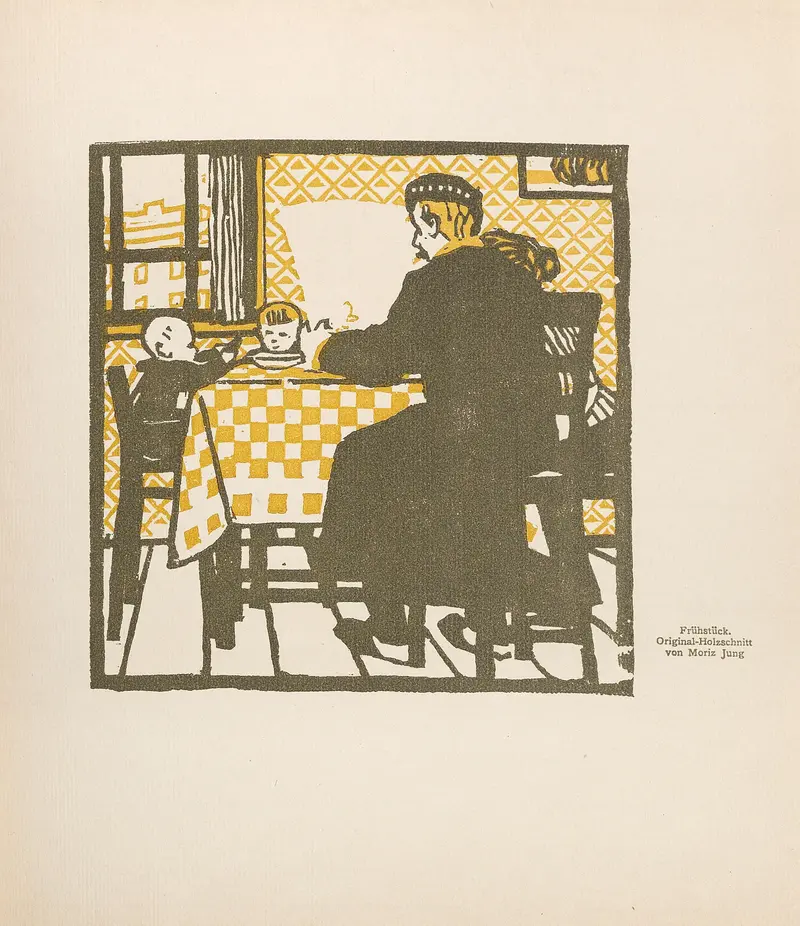
Moriz Jung Frühstück
Moriz Jung
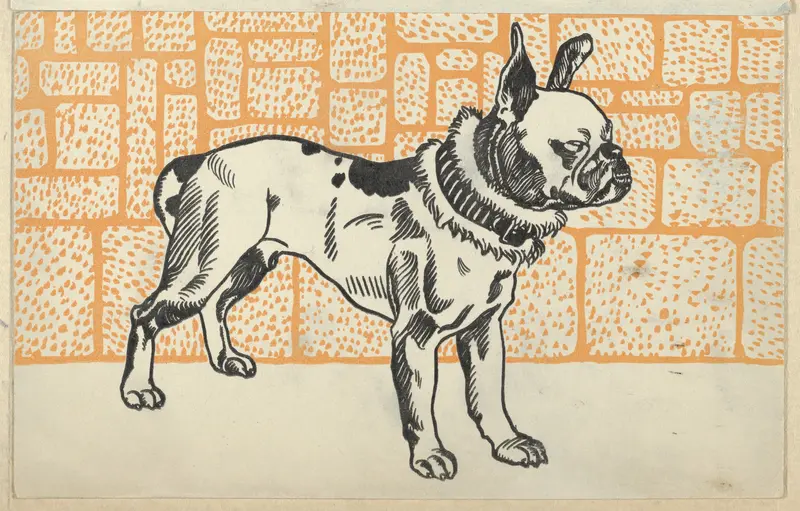
Pitbull Terrier
Moriz Jung
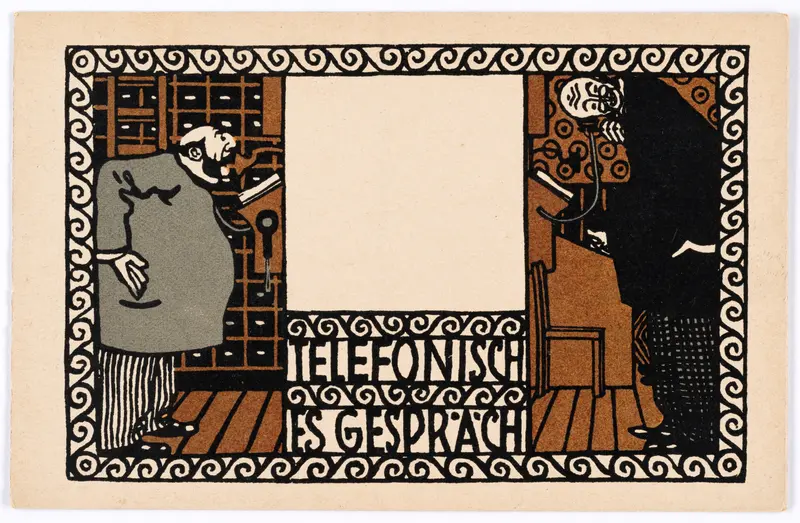
Postkarte der Wiener Werkstätte Nr. 58 - Telefonisches Gespräch
Moriz Jung
Postkarte der Wiener Werkstätte Nr. 58 - Telefonisches Gespräch - verso
Moriz Jung
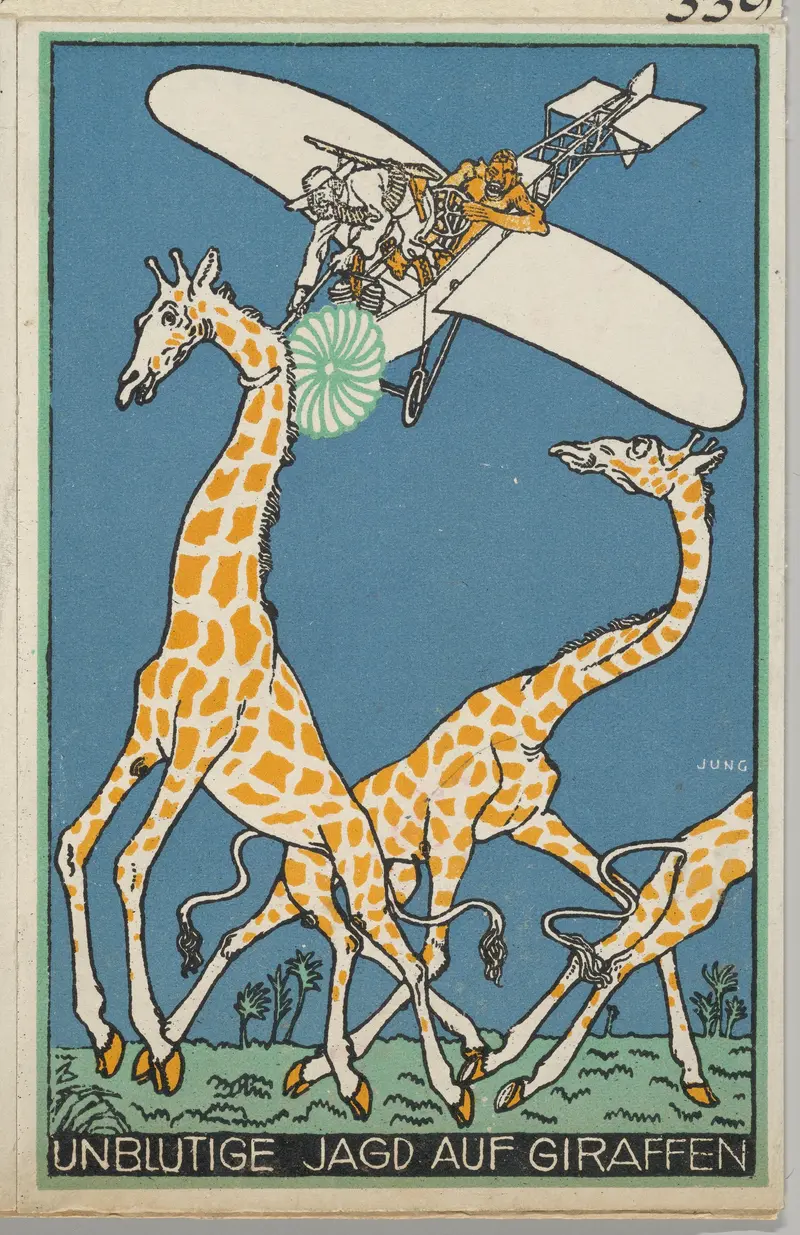
Bloodless Giraffe Hunt (Unblutige Jagd auf Giraffen)
Moriz Jung
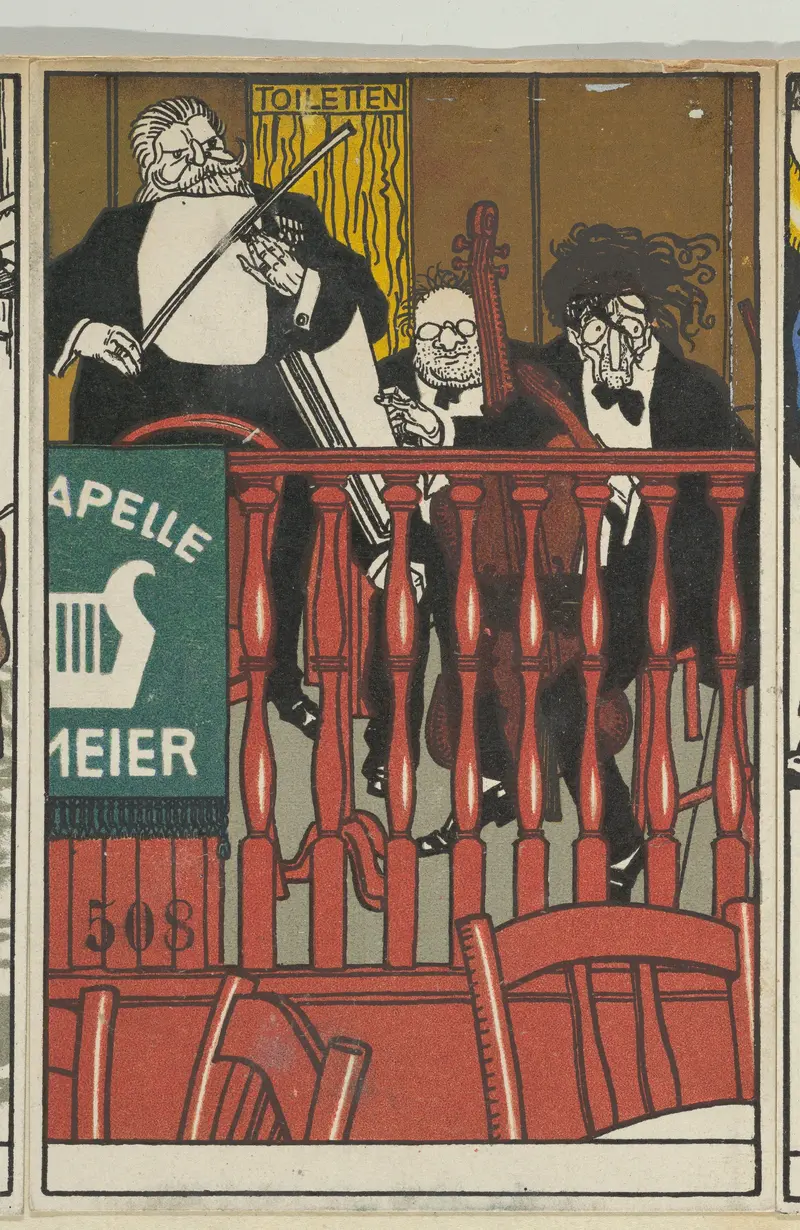
Salon Orchestra Meier
Moriz Jung
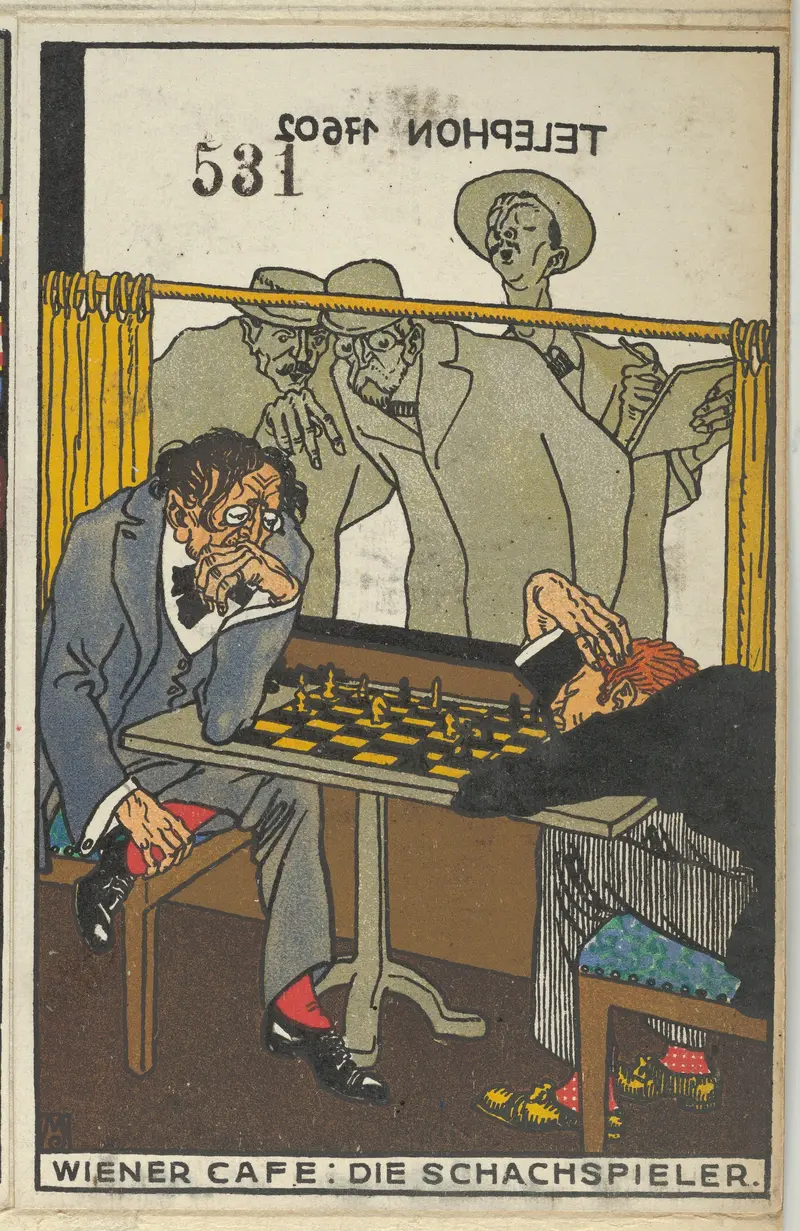
Wiener Café: Die Schachspieler
Moriz Jung
More Genre Scene Art

Banquet of the Officers of the St George Civic Guard
Frans Hals

Rembrandt and Saskia in the Scene of the Prodigal Son
Rembrandt van Rijn

Bal du moulin de la Galette
Pierre-Auguste Renoir

Quadrille at the Moulin Rouge
Henri de Toulouse-Lautrec

A Burial at Ornans
Gustave Courbet

When Will You Marry?
Paul Gauguin