
Vauxmarcus — History & Facts
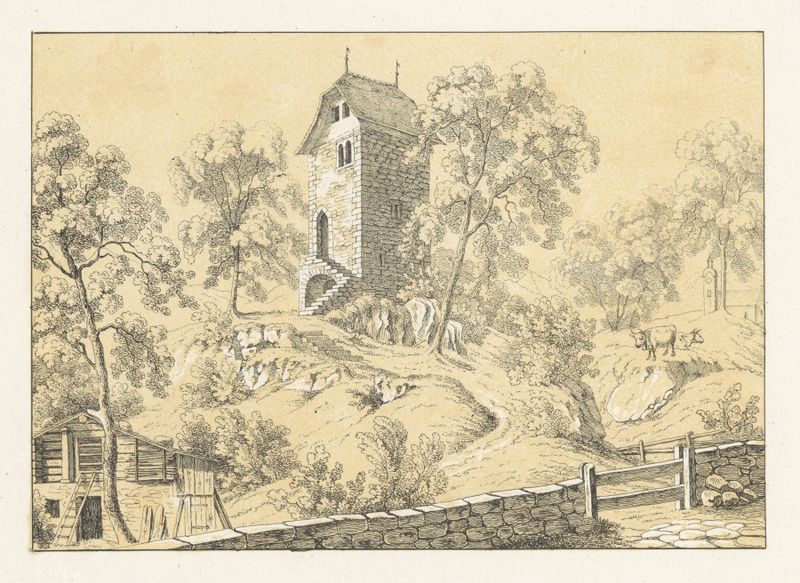
What if beauty was never meant to be finished? The fleeting moments of silence captured within the stillness of Vauxmarcus beckon contemplation. Look to the center of the canvas, where delicate contours and harmonious colors entwine, crafting a sense of serene introspection. Notice how Wagner masterfully employs soft pastels, allowing them to blend gently, creating an ethereal atmosphere. The light seems to flow through the composition, illuminating subtle details that draw the eye: the graceful arch of a tree, the gentle undulation of a distant hill, all evoking a palpable calm. Beneath the surface, the piece resonates with deeper themes of longing and transience.
The juxtaposition of lush nature against the empty spaces imparts a feeling of yearning, as if a whisper of an untold story lingers in the air. The absence of human figures further amplifies this silence, inviting viewers to reflect on the beauty of solitude and the unspoken narratives that exist within it. Wagner painted Vauxmarcus between 1840 and 1844 while residing in Germany, during a period marked by a burgeoning Romantic movement emphasizing emotion and nature. His life was intertwined with the quest for an artistic identity, as he sought to balance traditional techniques with personal expression in a rapidly changing art world.
This work encapsulates that struggle, inviting us to explore the depths of beauty and silence through his lens.
More Artworks by Johann Friedrich Wagner
Browse all →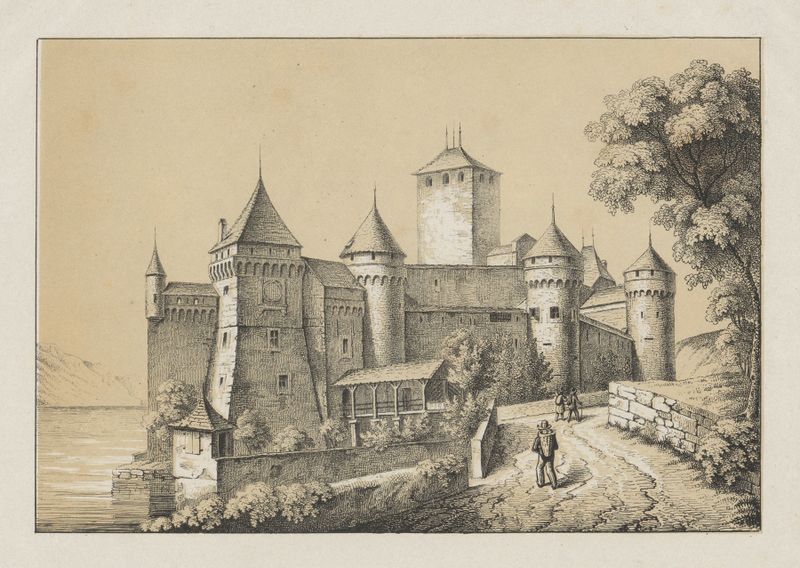
Chillon
Johann Friedrich Wagner

Valangin
Johann Friedrich Wagner
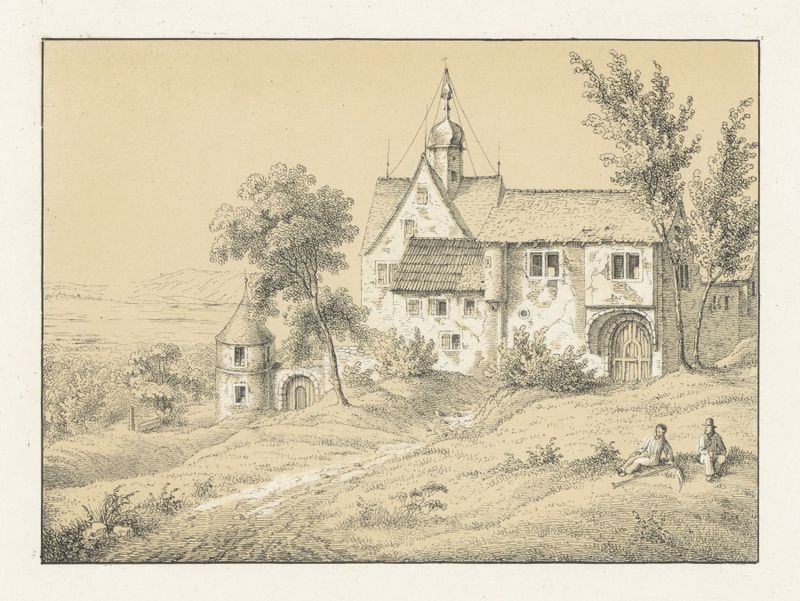
Greifenstein
Johann Friedrich Wagner

Vorburg
Johann Friedrich Wagner
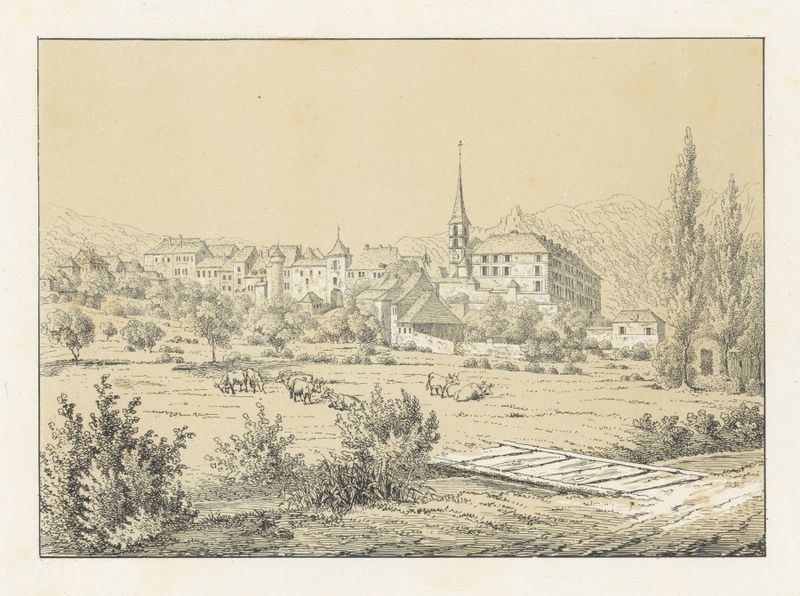
Delémont
Johann Friedrich Wagner

Pleujouse
Johann Friedrich Wagner

Challay
Johann Friedrich Wagner
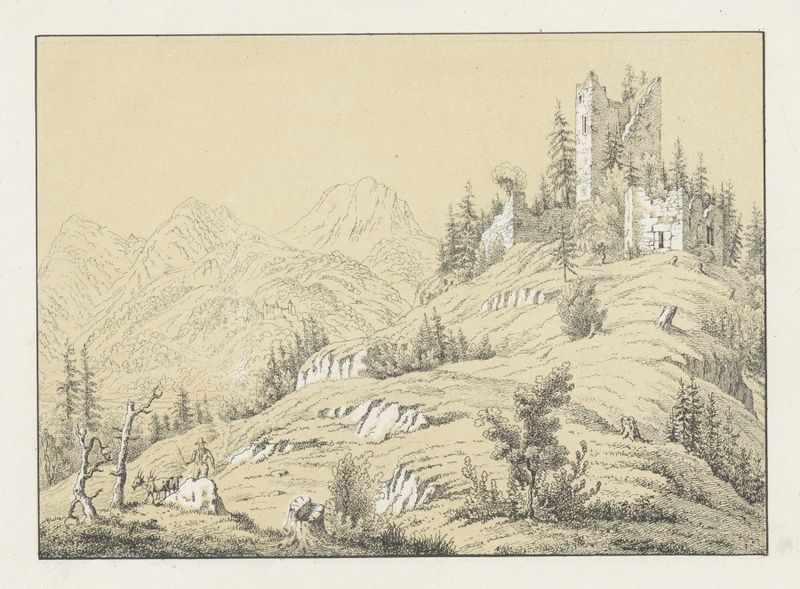
Mont Salvant
Johann Friedrich Wagner
Aha. Od. Untere Burg von Sarnen
Johann Friedrich Wagner
Lausanne
Johann Friedrich Wagner





