
Vechtende boeren — History & Facts
In the stillness of the viewer's gaze, a tempest brews within the painted forms, hinting at the chaos that simmers beneath the surface. Here, madness is not a storm but an unsettling whisper, an invitation to explore the depths of human struggle portrayed in vibrant strokes. Look to the center, where two farmers clash in a cacophony of motion, their bodies tense with fury. The artist employs a dynamic composition, directing our eyes to the tumultuous entanglement of limbs and expressions.
Notice how the earth below is rendered in earthy hues, grounding this explosive confrontation, while the scattered tools and debris around them signify the aftermath of toil, amplifying the chaos of their struggle. The stark contrast between their grim visages and the darkening sky above heightens the sense of impending doom. Hidden within their physical aggression lies a deeper commentary on the human condition. The farmers’ distorted faces convey not just rage but desperation — a reflection of the socio-political turmoil of the time.
The context of their battle, likely over resources or land, evokes a cruel irony; their fight is as much against each other as it is against the oppressive systems surrounding them. Each detail, from clenched fists to gnarled expressions, transforms the canvas into a mirror of societal madness. In 1646, Wenceslaus Hollar was navigating the complexities of post-war Europe, greatly influenced by the tumultuous events of the Thirty Years' War. Living in England at the time, he was deeply engaged in the world of printmaking and drawing, capturing the essence of humanity with acute observation.
This piece reflects not only his technical prowess but also a critical commentary on the struggle for survival amidst chaos, marking a significant moment in his artistic journey.
More Artworks by Wenceslaus Hollar
Browse all →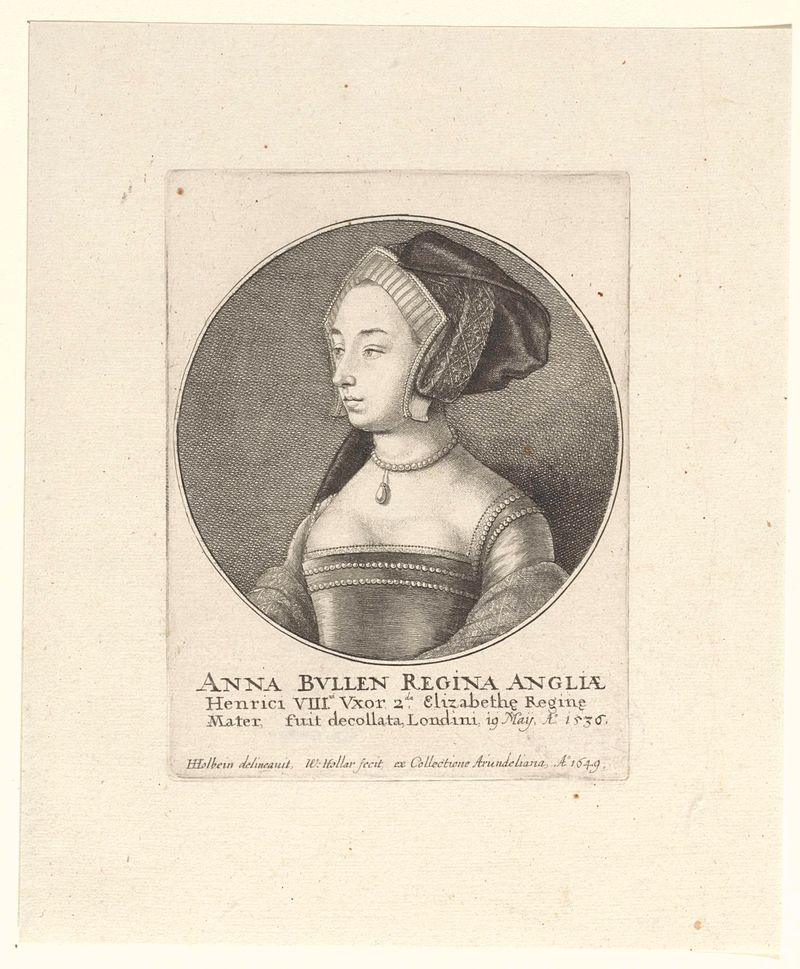
Portret van Anna Boleyn, koningin van Engeland
Wenceslaus Hollar
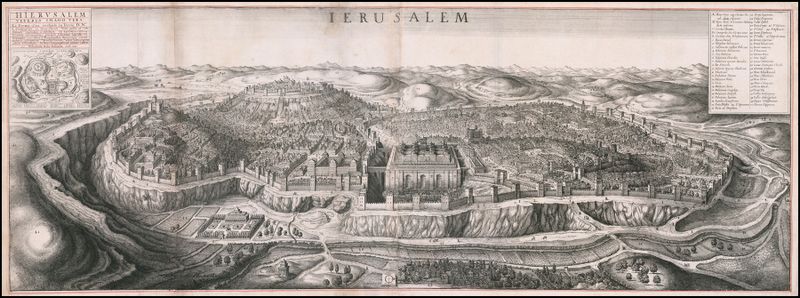
Bird’s eye view of Jerusalem
Wenceslaus Hollar
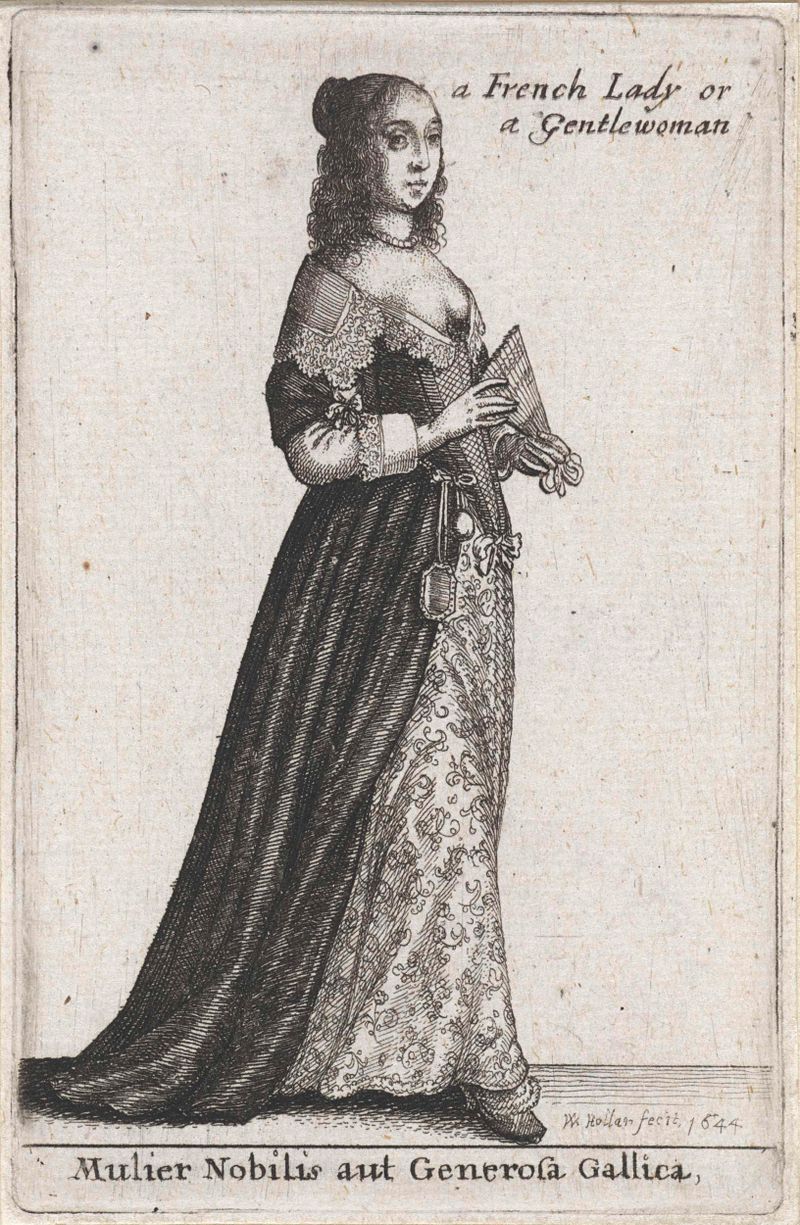
Mulier Nobilis aut Generosa Gallica / a French Lady or Gentlewoman
Wenceslaus Hollar
Titelprent voor: Ornatus Muliebris Anglicanus
Wenceslaus Hollar
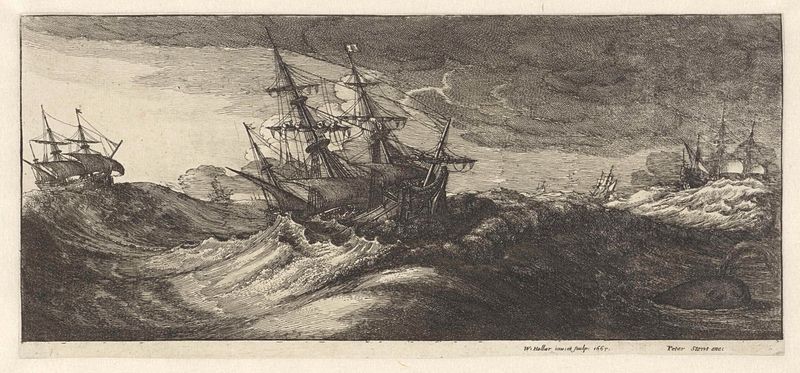
Oorlogsschepen en een walvis in een zeestorm
Wenceslaus Hollar
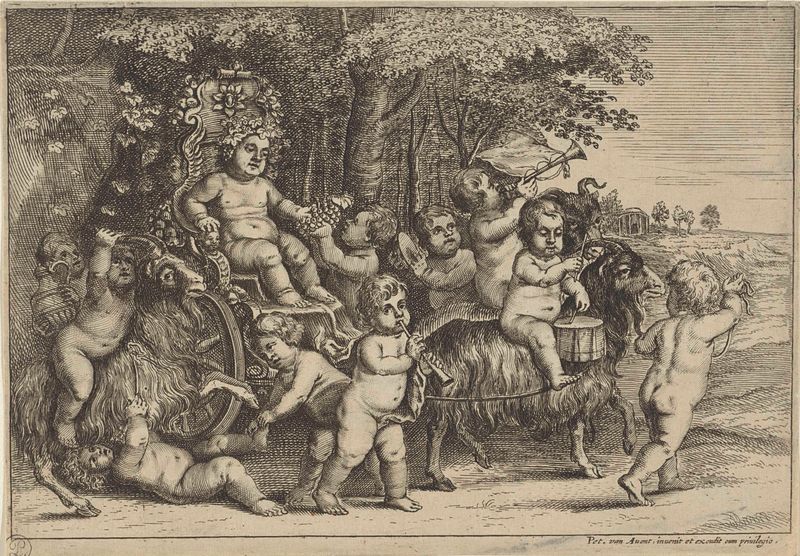
Optocht van bacchant en jongetjes op geiten
Wenceslaus Hollar
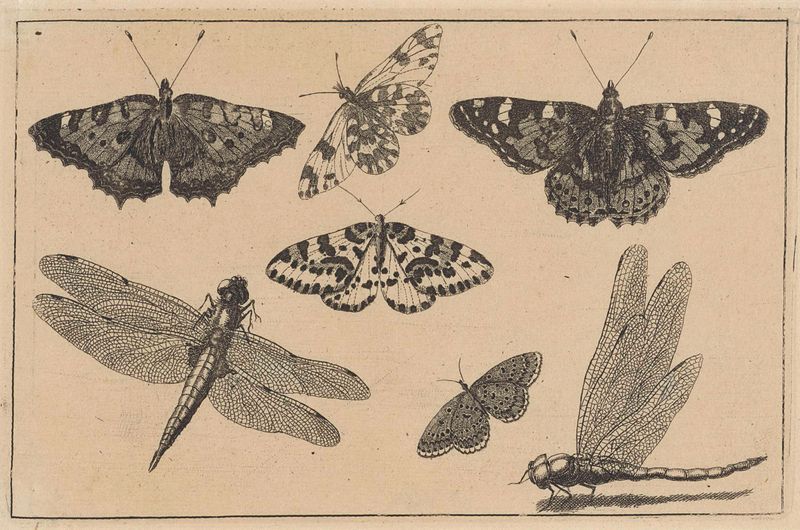
Twee libellen en vijf vlinders
Wenceslaus Hollar
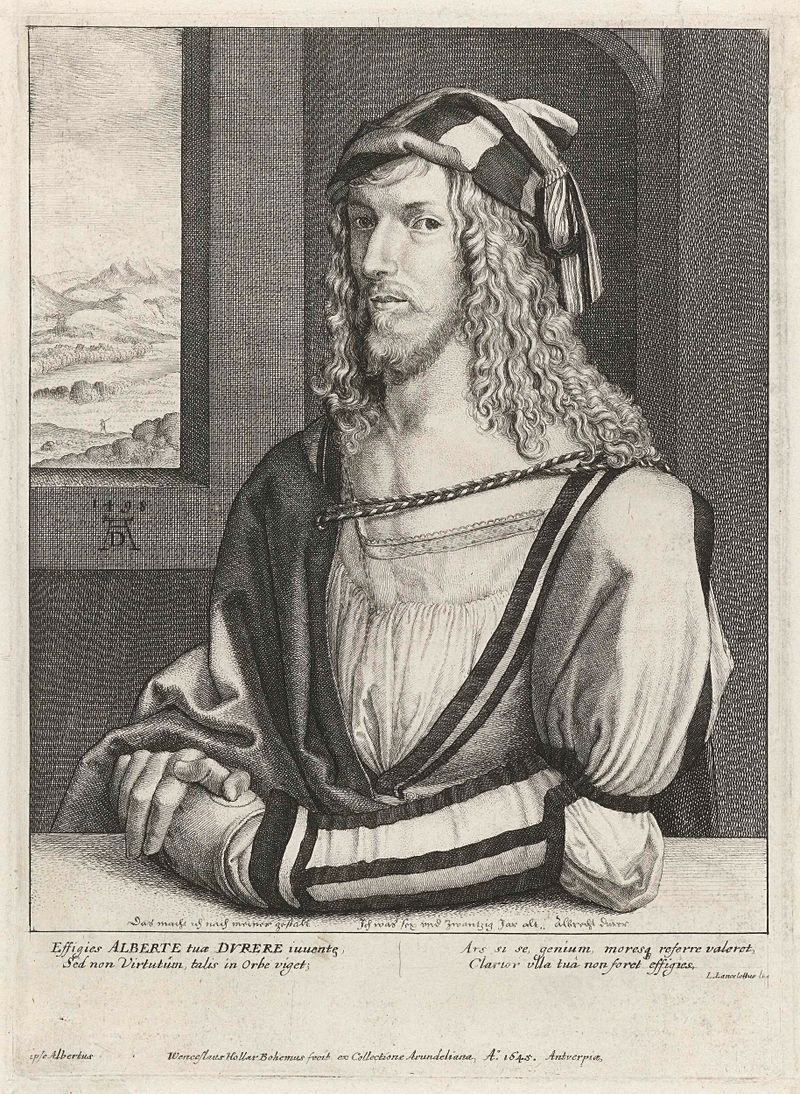
Portret van Albrecht Dürer
Wenceslaus Hollar
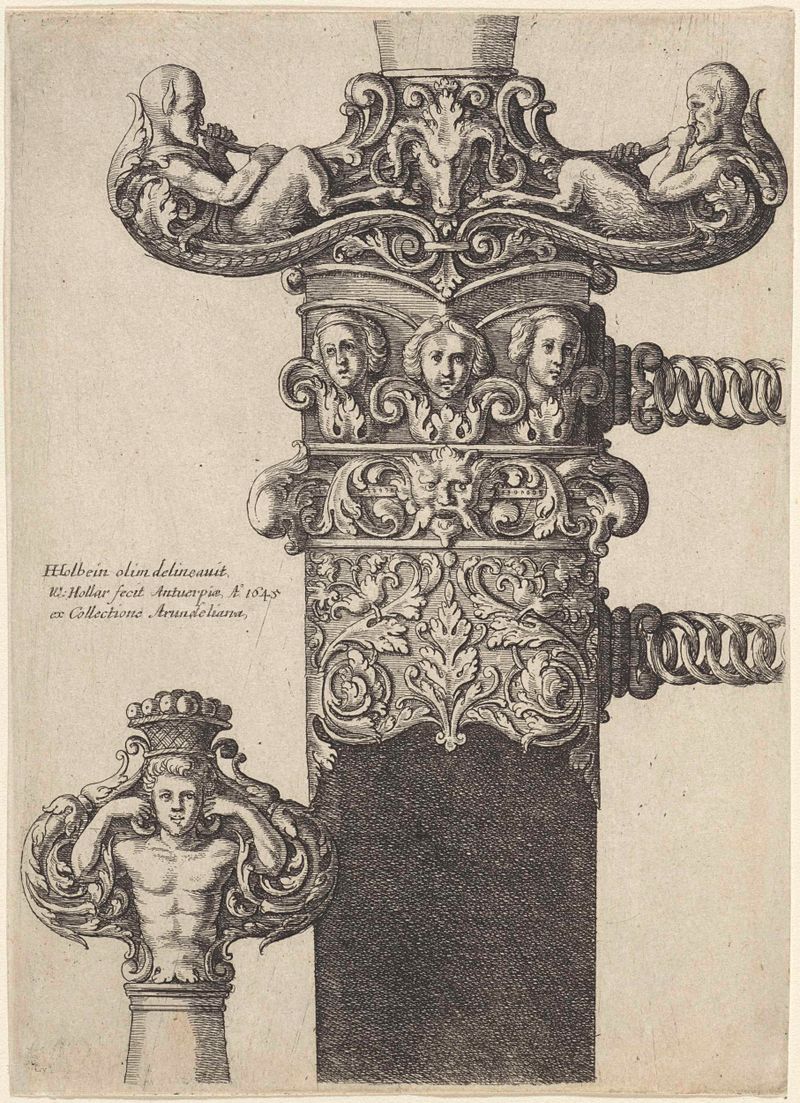
Ornamenteel ontwerp voor een dolk
Wenceslaus Hollar
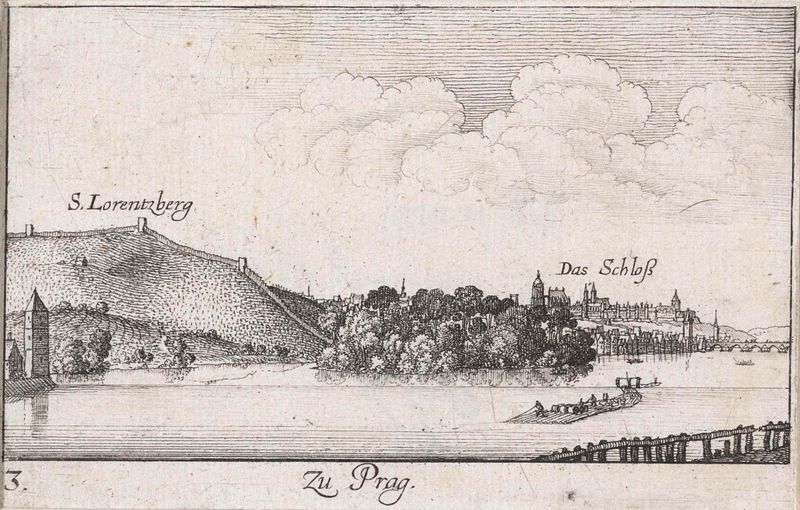
Gezicht op Praag vanaf de Moldau
Wenceslaus Hollar





