
Venus and Mars with Cupid and the Three Graces in a Landscape — History & Facts
When Tintoretto painted Venus and Mars with Cupid and the Three Graces in a Landscape in 1592, he was nearing the end of his long and prolific career, and this work stands out as one of his rare late mythologies. Unlike his grand religious commissions for Venetian churches, this painting was likely created for a private collector, reflecting the tastes of the late Renaissance elite for sensual allegory and classical myth. The exact patron remains unknown, adding a layer of intrigue, but its subject—Venus, Mars, and attendant deities—was favored by collectors seeking both beauty and coded moral lessons.
The painting’s medium is not definitively recorded, a detail that continues to puzzle art historians. The scene captures a moment of playful intimacy: Venus, goddess of love, reclines with Mars, god of war, as Cupid hovers nearby, and the Three Graces dance in the background. Venus’s languid pose and Mars’s attentive gaze suggest the aftermath of their affair, with Cupid as the mischievous instigator. The Graces, embodiments of charm and beauty, reinforce the painting’s celebration of sensual pleasure.
Tintoretto’s energetic brushwork and dramatic contrasts of light and shadow animate the figures and landscape, creating a sense of movement and immediacy. Compared to Botticelli’s more delicate Primavera, Tintoretto’s interpretation is earthier and more robust, emphasizing flesh and emotion over idealized form. As an object, Venus and Mars with Cupid and the Three Graces in a Landscape reflects the Venetian taste for mythological subjects in the late sixteenth century, when artists like Titian and Veronese also explored similar themes. The painting’s provenance is not fully documented, making its early journey through collections obscure.
Today, it is recognized as a significant example of Tintoretto’s late style, marked by rapid execution and bold color. Its place in the artist’s oeuvre is notable: while Tintoretto is best known for his religious and civic commissions, this work shows his continued engagement with the sensual and the mythic, even in his final years.
More Artworks by Tintoretto
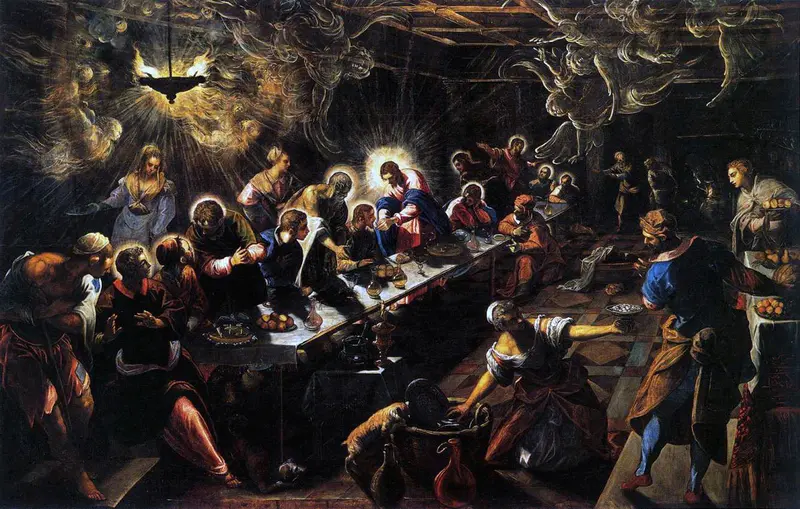
The Last Supper
Tintoretto
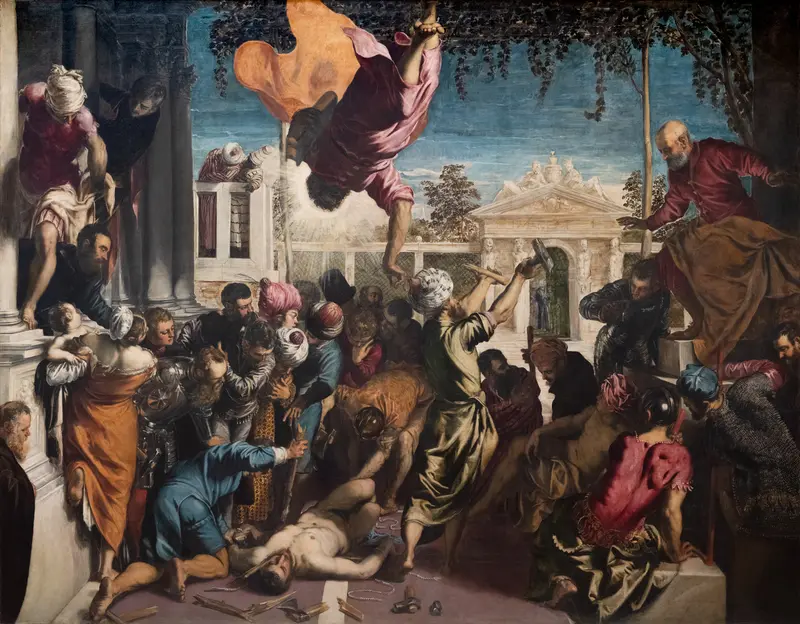
The Miracle of the Slave
Tintoretto
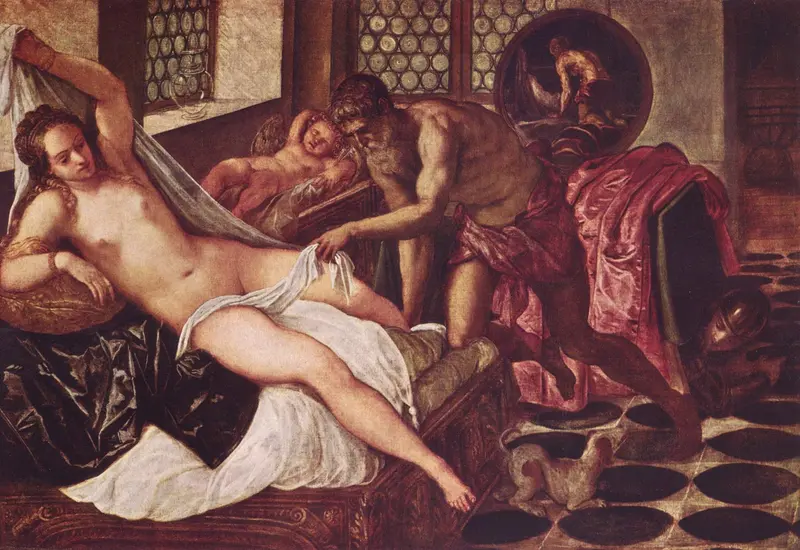
Venus and Mars Surprised by Vulcan
Tintoretto

Adoration of the Shepherds
Tintoretto
Adoration of the Magi
Tintoretto
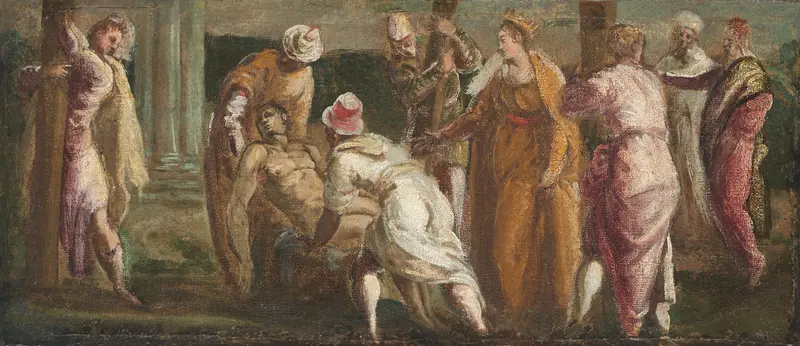
Saint Helen Testing the True Cross
Tintoretto
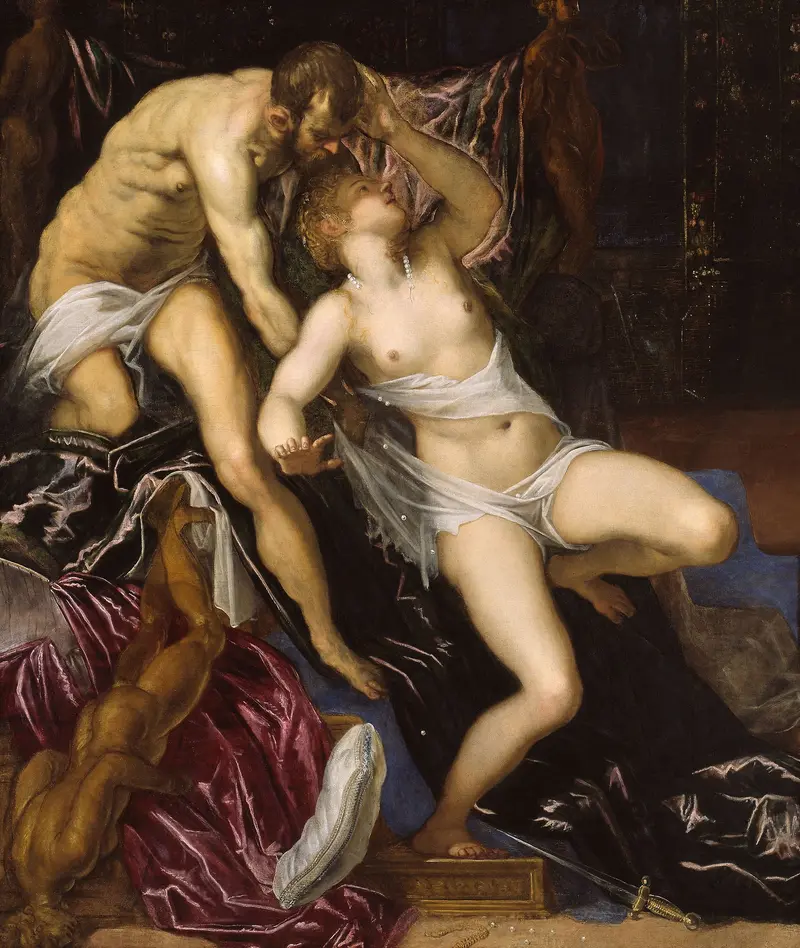
Tarquin and Lucretia
Tintoretto
Two Male Figures in Motion (verso)
Tintoretto
A Female Nude [verso]
Tintoretto
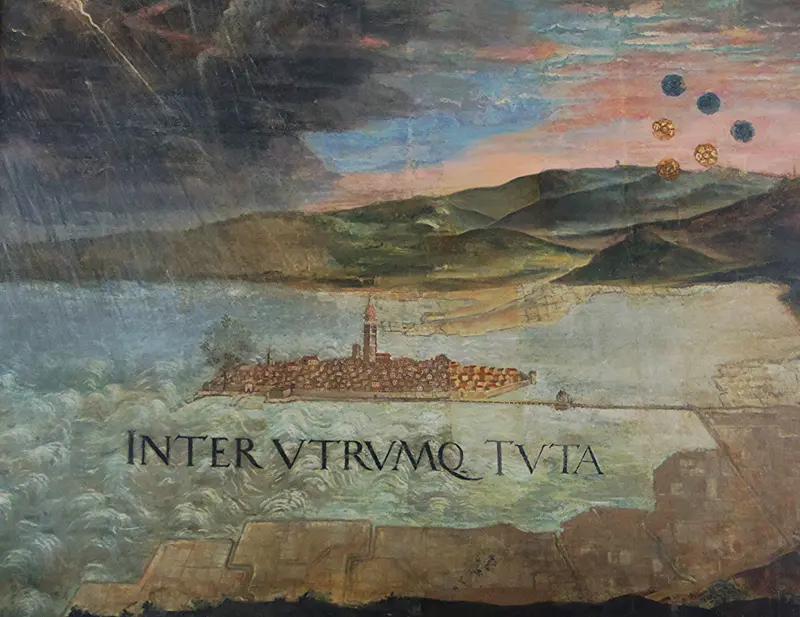
Veduta Kopra
Tintoretto





