
Verdrijving van de Hongaren uit Oostenrijk — History & Facts
In a world of vivid hues and profound longing, the echoes of history whisper through the canvas. Here, amidst the chaos of displacement, the emotions run deep, capturing the essence of a moment steeped in both tragedy and resilience. Look to the right at the figures, their contorted expressions reflecting a mixture of despair and determination. The artist's use of vibrant reds and muted earth tones creates a stark contrast that draws the eye, conveying urgency and loss.
Notice how the light interacts with the figures, illuminating their forms while casting deep shadows that evoke the weight of their plight. The composition is dynamic, with diagonal lines leading the viewer's gaze across the tumultuous scene, enhancing the feeling of movement and upheaval. Beneath the surface of this dramatic portrayal lies a rich tapestry of meaning. The juxtaposition of the fleeing figures against the sprawling landscape suggests the tension between human fragility and the vastness of the world.
The faces, laden with emotion, hint at personal stories of longing and the struggle to find one's place in the aftermath of conflict. Each detail, from the tattered clothing to outstretched hands, speaks of a collective experience that transcends time. Hans Springinklee painted this work in 1515, during a period marked by political strife and cultural transformation in Europe. Living in a time when the Habsburgs sought to consolidate power, he was influenced by the shifting tides of nationalism and the emerging complexities of identity.
This backdrop informed his artistic choices, as he sought to capture not only the historical event but also the raw emotional currents that define the human experience amidst turmoil.
More Artworks by Hans Springinklee
Browse all →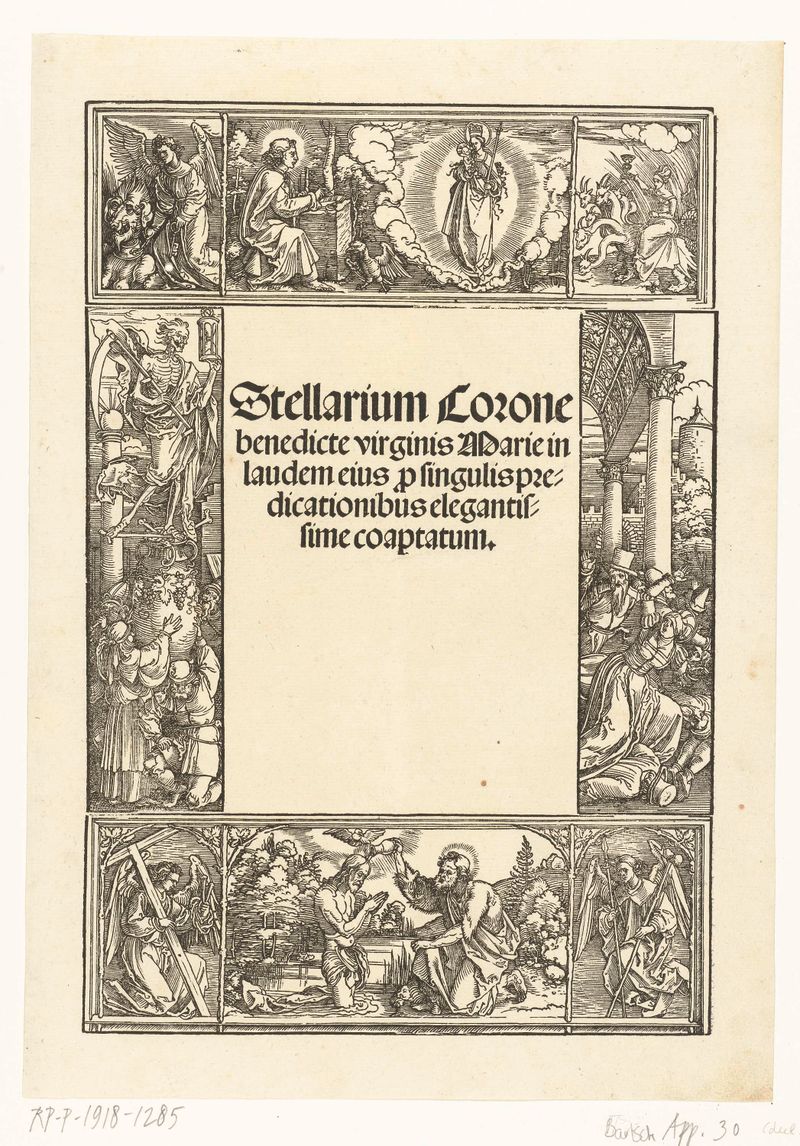
Titelblad met o.a. de doop van Christus en een visioen van Johannes de Evangelist
Hans Springinklee
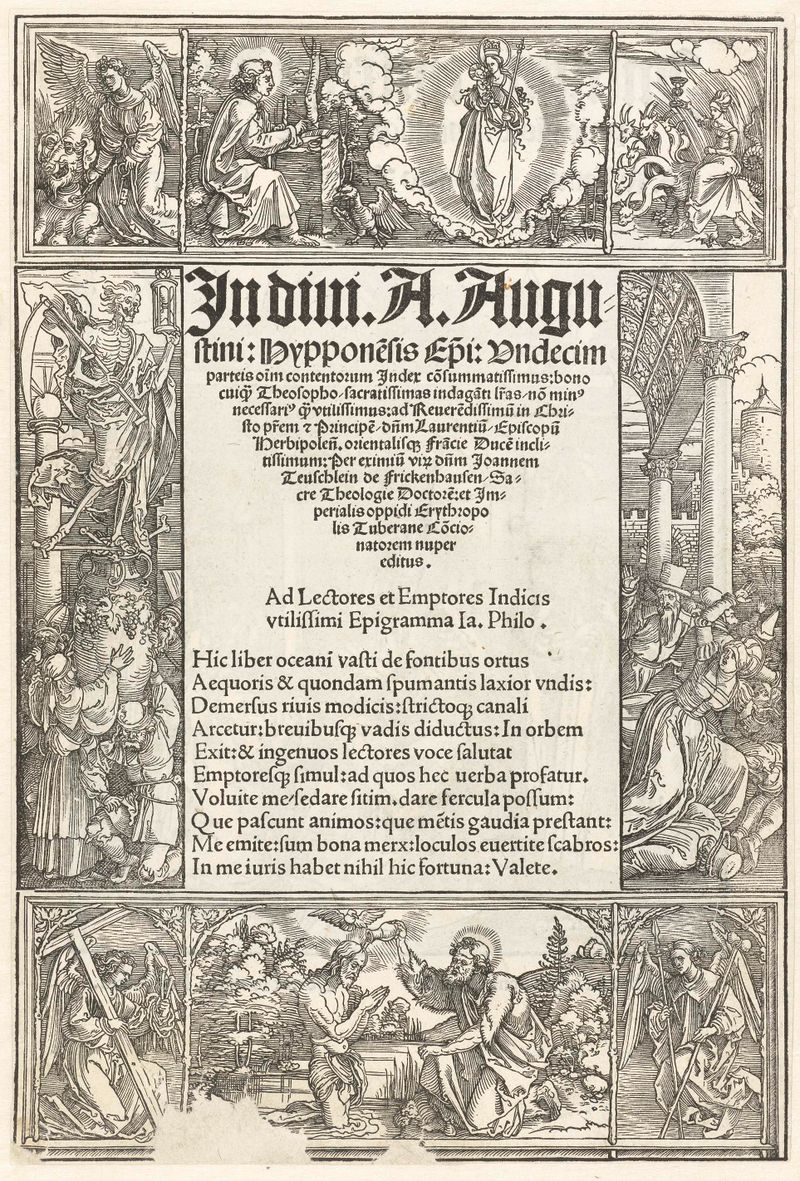
Titelblad met o.a. de doop van Christus en een visioen van Johannes de Evangelist
Hans Springinklee
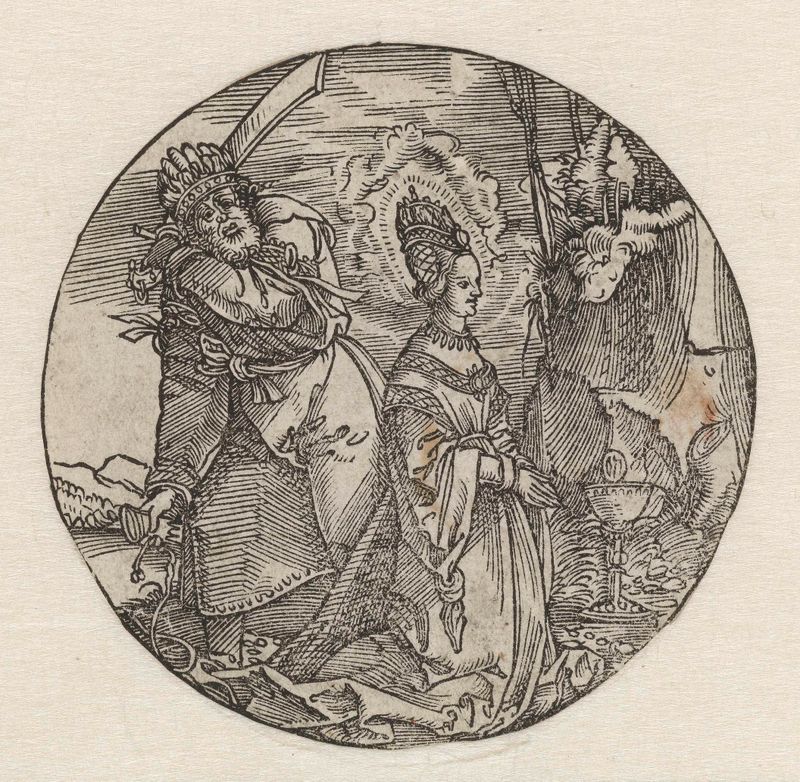
Het martelaarschap van de Heilige Barbara
Hans Springinklee

De Heilige Martinus deelt zijn mantel met een bedelaar
Hans Springinklee
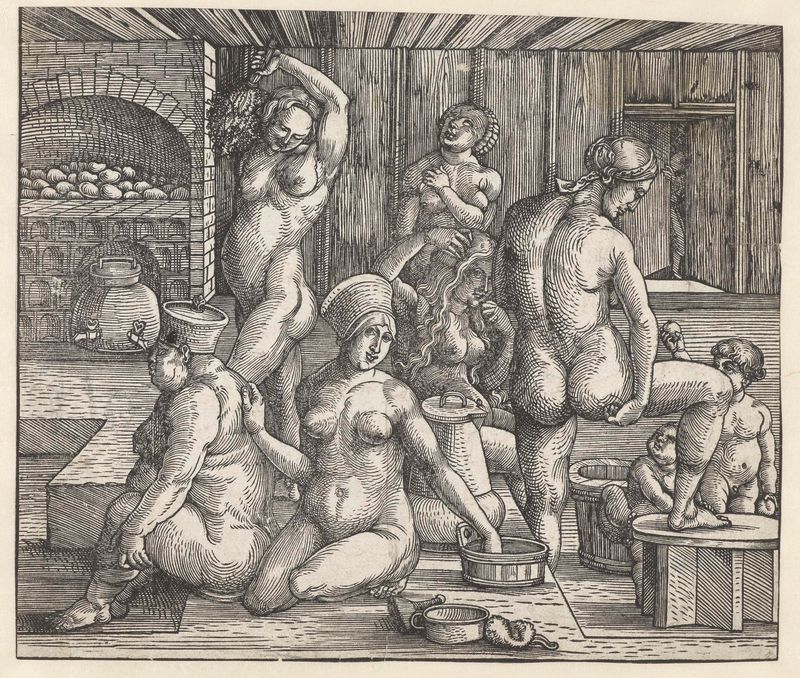
Het vrouwenbad
Hans Springinklee
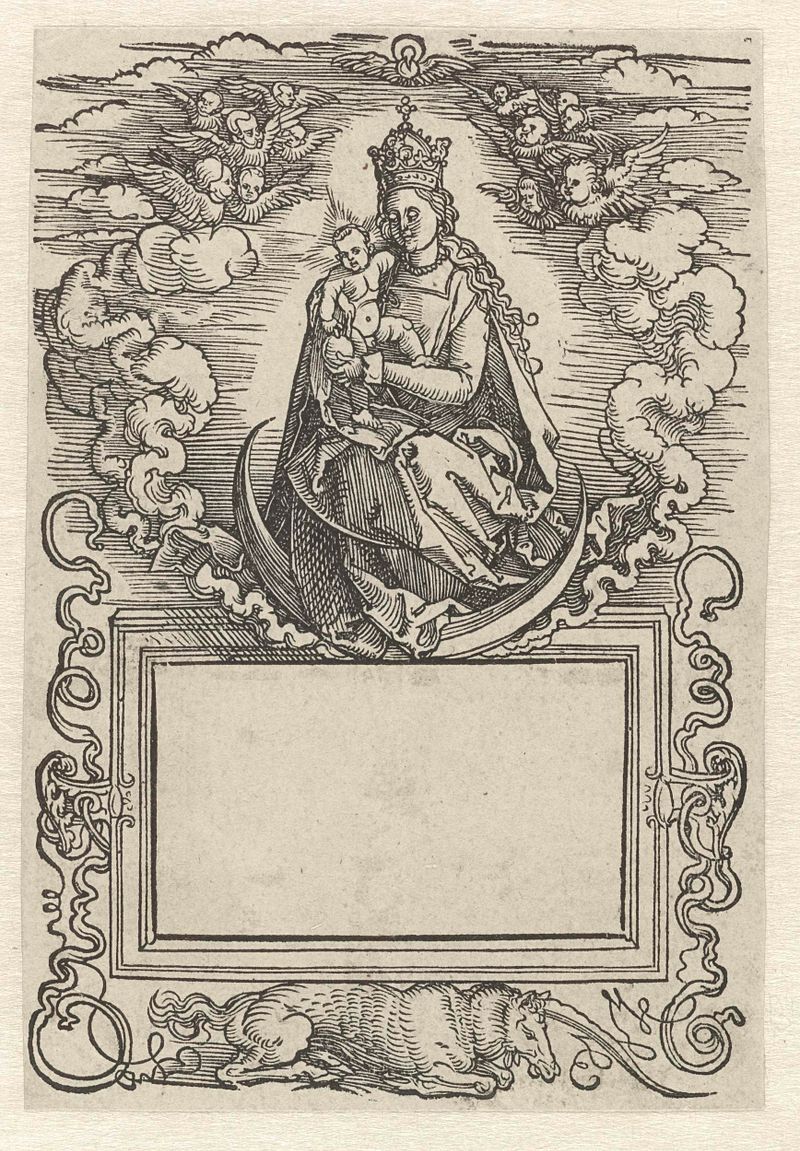
Titelblad met Maria met kind zittend op de maansikkel
Hans Springinklee
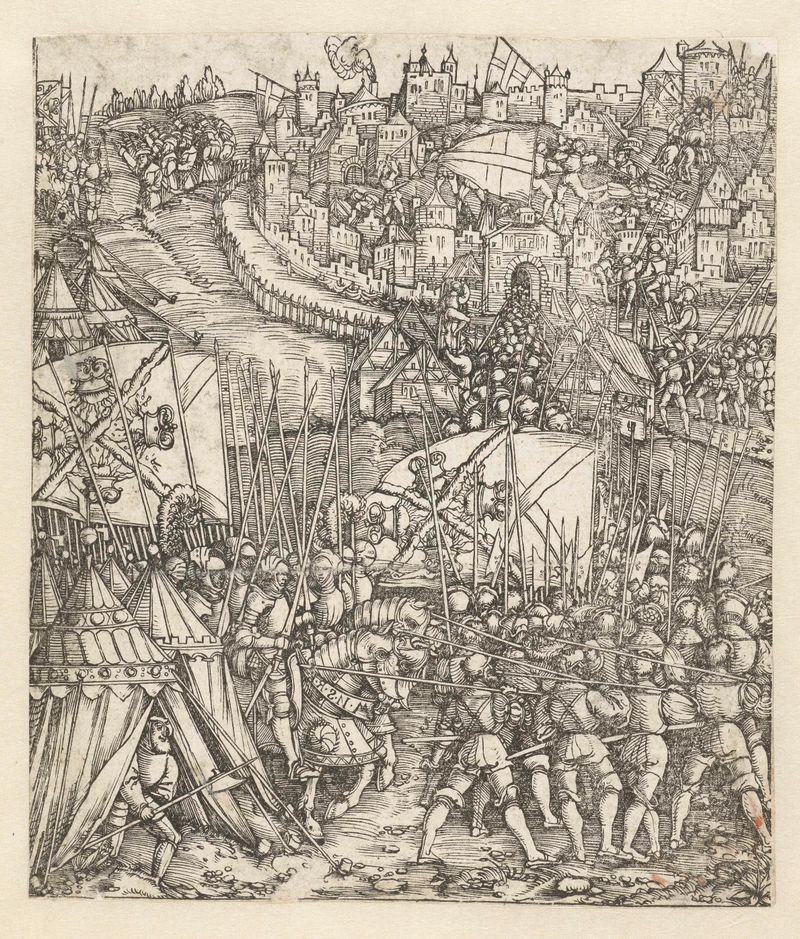
Verovering van Stuhlweissenburg in Hongarije
Hans Springinklee

De aartsengel Michaël verslaat een duivel
Hans Springinklee
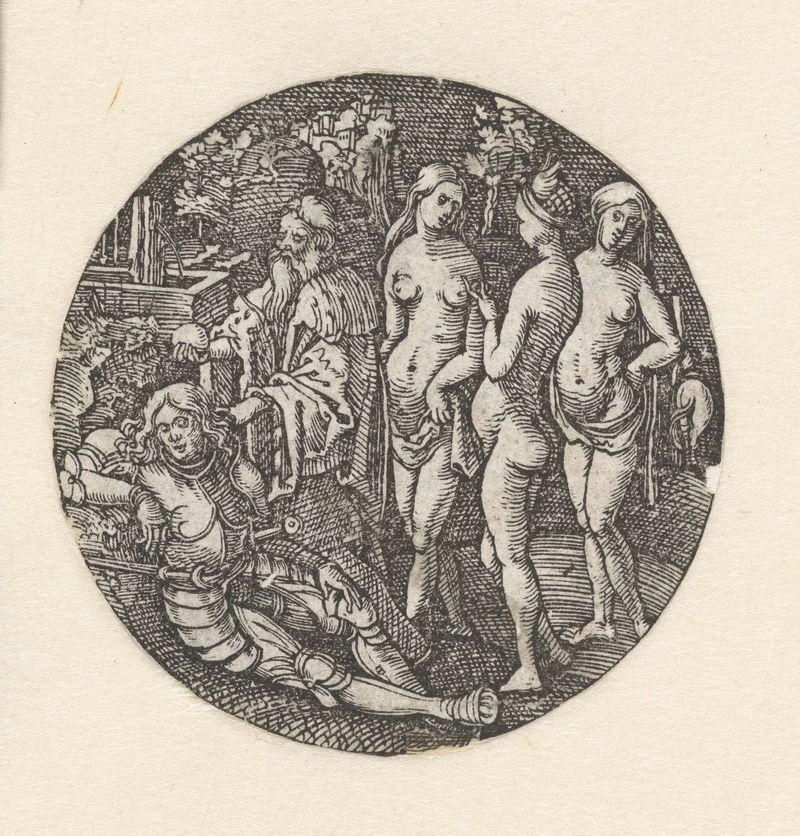
Het oordeel van Paris
Hans Springinklee
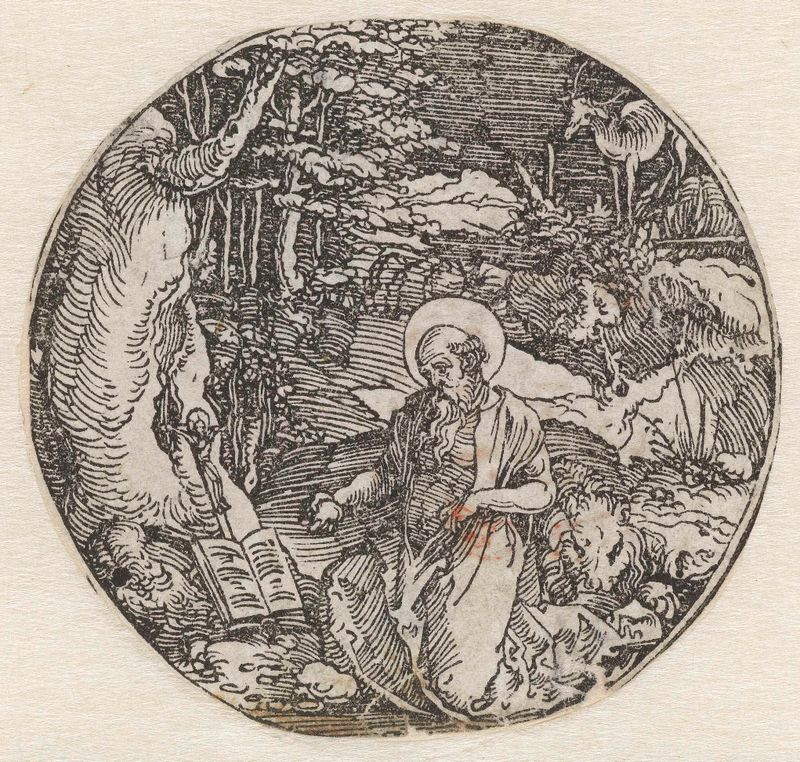
De Heilige Hiëronymus in de wildernis
Hans Springinklee
More Historical Art
Browse all →
The Night Watch Militia Company of District II under the Command of Captain Frans Banninck Cocq
Rembrandt van Rijn

Lincoln Memorial
Henry Bacon

The Third of May 1808
Francisco de Goya

Isaac and Rebecca, Known as ‘The Jewish Bride’
Rembrandt van Rijn

The Charge of the Mamelukes (1814)
Francisco de Goya

De vier ruiters van de apocalyps
Albrecht Dürer