
Vergilius in de mand opgehesen en bespot door mensen — History & Facts
When did color learn to lie? In a world where perception dances with faith, the hues of artistry can lead the heart astray. Focus first on the central figure, who stands poised amidst a tumultuous sea of mockery and disdain. The masterful brushwork captures the faces of the crowd, their expressions a mixture of scorn and disbelief, surrounding a scene so absurd yet profoundly revealing. Look closely at the vibrant colors splashed across this tableau; the bold reds and sickly greens are not merely for decoration, but to evoke a visceral reaction that resonates within the soul. Beneath the surface chaos lies a poignant commentary on human folly and the fragility of faith.
The figure, suspended in a basket, symbolizes vulnerability, suspended between reverence and ridicule. The juxtaposition of the serene, almost divine posture of the central character against the chaotic throng suggests an exploration of belief under duress — a reminder that faith often stands alone amid the clamor of disbelief. The tension crystallizes around the idea of enlightenment amidst ignorance. Created between 1541 and 1542, during a time when the Reformation was reshaping Europe, the artist found himself in a period of questioning and transformation.
Georg Pencz was influenced by the changing tides of spirituality and art, and this work reflects the era's struggle between faith and skepticism. As the world around him grappled with profound uncertainties, Pencz captured a moment that resonates through the ages, inviting contemplation of the nature of belief itself.
More Artworks by Georg Pencz
Browse all →
Parabel van de zaaier
Georg Pencz

Parabel van de arbeiders in de wijngaard
Georg Pencz
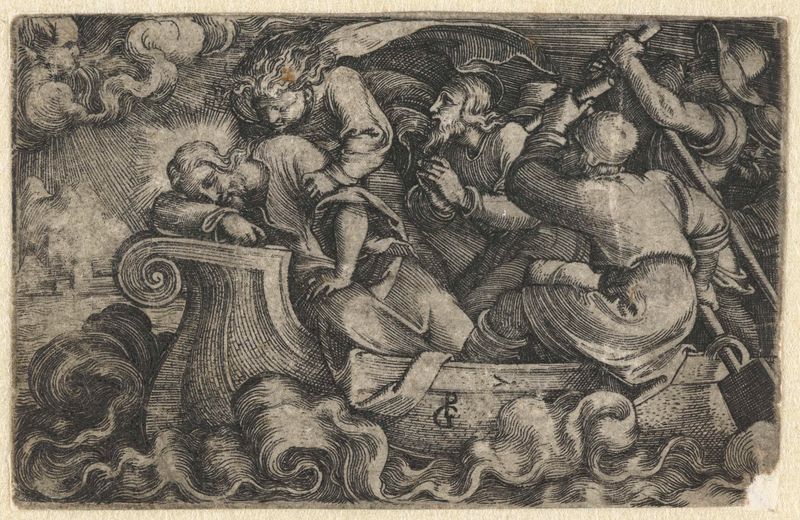
Discipelen wekken slapende Christus tijdens storm op Meer van Galilea
Georg Pencz

Afgunst (Invidia)
Georg Pencz
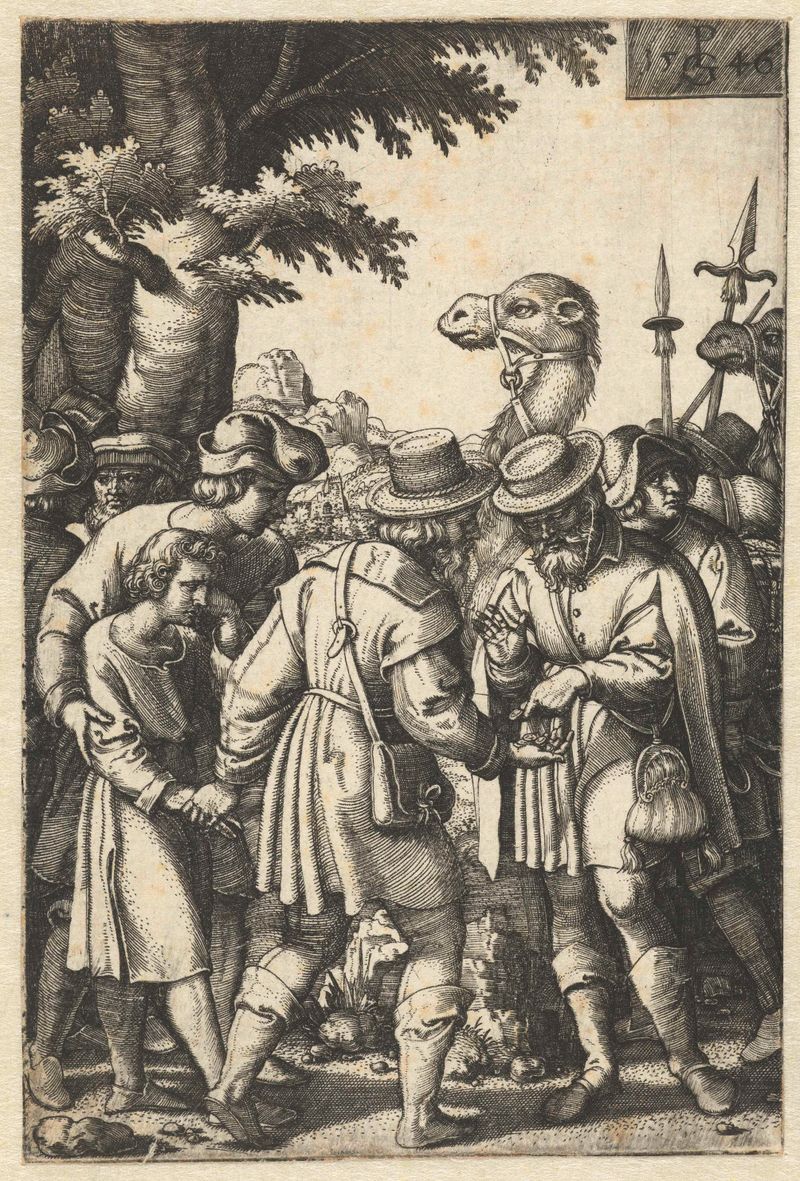
Jozef wordt verkocht aan kooplieden op weg naar Egypte
Georg Pencz

Aanbidding der koningen
Georg Pencz
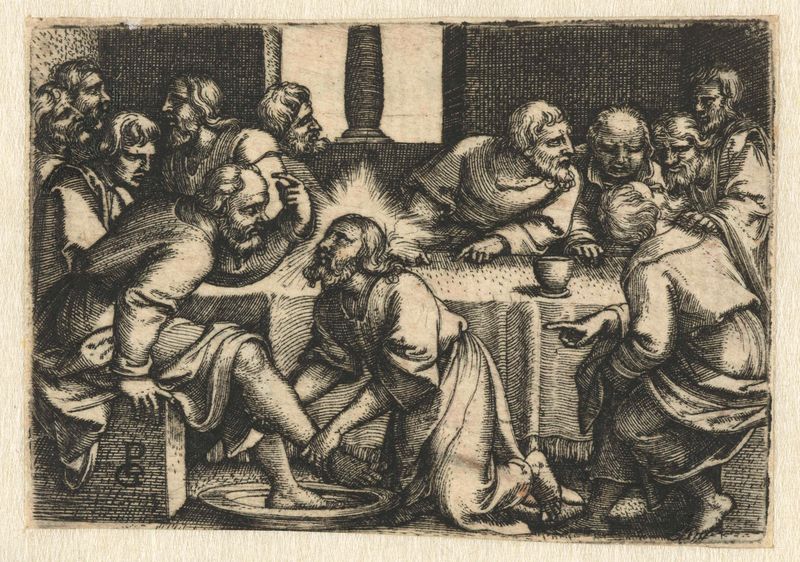
Petrus protesteert als Christus zijn voeten wast
Georg Pencz
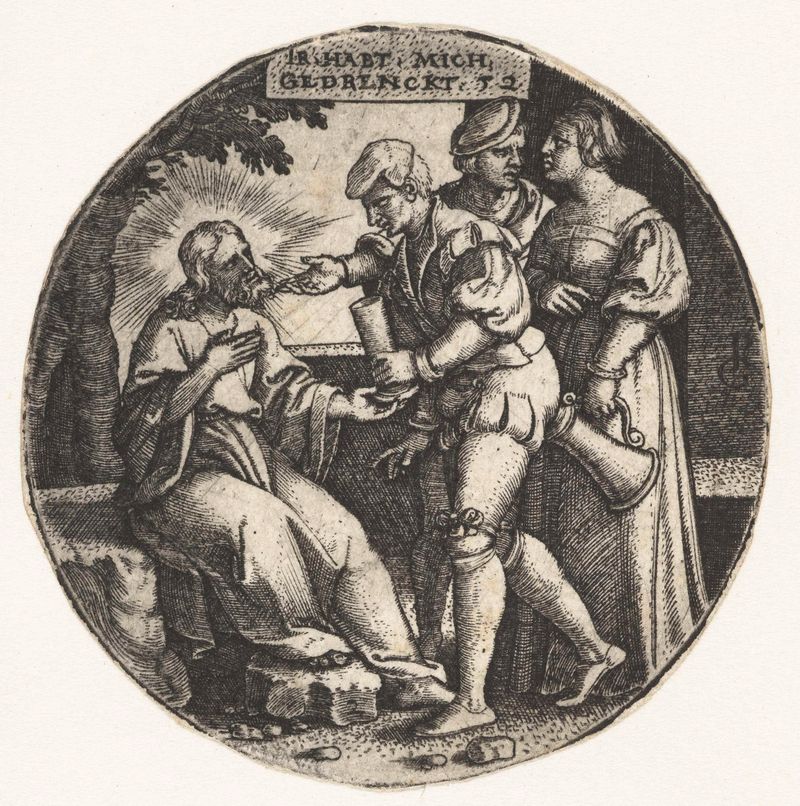
Christus heeft dorst en krijgt drinken aangeboden
Georg Pencz
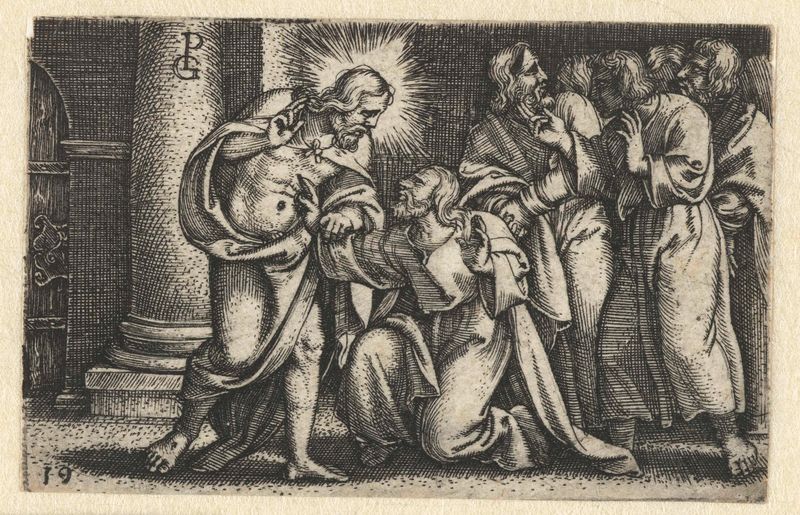
Ongelovige Thomas raakt wonden Christus aan
Georg Pencz

Offer van Abraham van Isaak
Georg Pencz
More Historical Art
Browse all →
The Night Watch Militia Company of District II under the Command of Captain Frans Banninck Cocq
Rembrandt van Rijn

Lincoln Memorial
Henry Bacon

The Third of May 1808
Francisco de Goya

Isaac and Rebecca, Known as ‘The Jewish Bride’
Rembrandt van Rijn

The Charge of the Mamelukes (1814)
Francisco de Goya

De vier ruiters van de apocalyps
Albrecht Dürer