
Verona — History & Facts
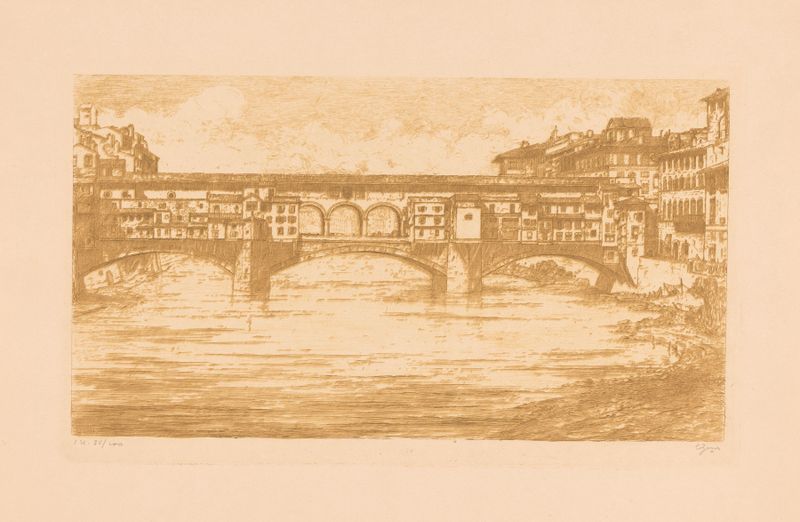
In the delicate interplay between longing and fulfillment, yearning lives within the shadows of grandeur. Look towards the intricate detailing of the architecture, where the opulent golden hues shimmer against a backdrop of muted earth tones. The composition draws your eye to the elegant arches and ornate balconies, beautifully contrasting the quiet melancholy of the empty piazza. Notice how light plays upon the surfaces, illuminating the rich textures while subtly hinting at the absence of life, as if the scene holds its breath, waiting. Within the stillness of the piece lies an emotional depth, evoking a bittersweet nostalgia.
The empty streets suggest a longing for connection, while the lavish details of the buildings whisper of past vibrancy. The interplay between light and shadow furthers this tension, where brightness reveals beauty, yet darkness hints at the solitude that permeates the scene. The yearnings of the city resonate with every viewer, inviting contemplation on what was and what might have been. During the years 1873 to 1931, Etienne Bosch painted Verona amidst a world increasingly torn between tradition and modernity.
Living in a time of rapid change, he sought to capture the soul of places often forgotten in the rush of progress. His work stands as a testament to a longing for beauty — a desire to preserve the essence of a moment before it fades away, a reflection of both personal and universal yearning.
More Artworks by Etienne Bosch
Browse all →
Gezicht op de achterkant van de Notre Dame in Parijs Notre Dame
Etienne Bosch
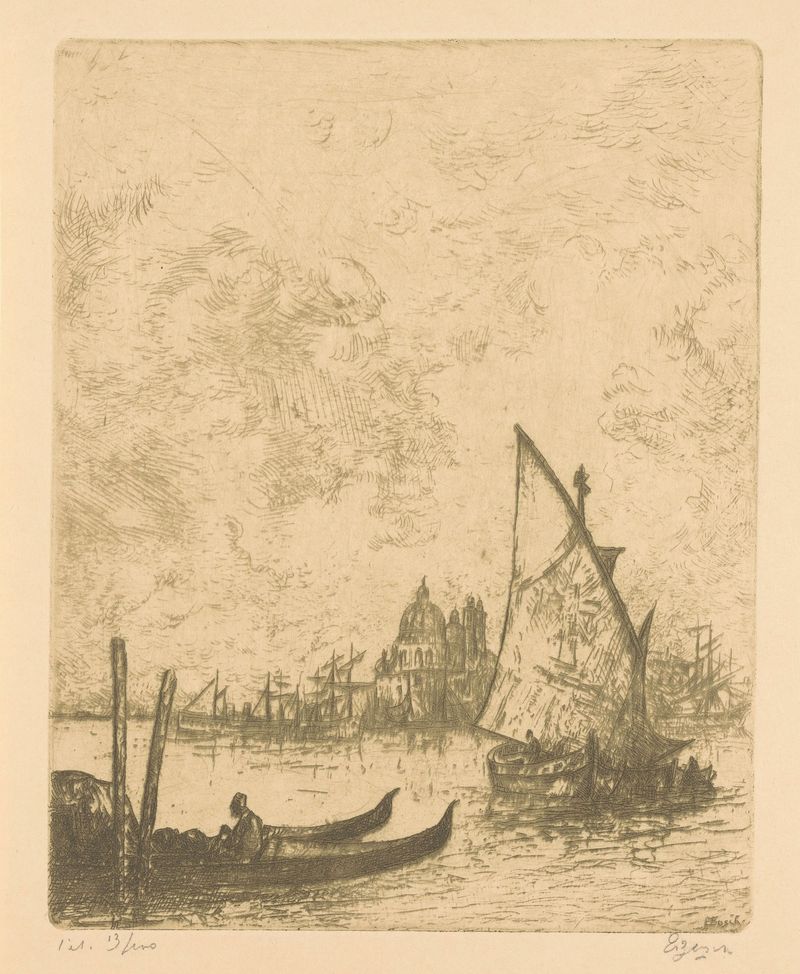
Venetië
Etienne Bosch

Amsterdamse poort te Haarlem
Etienne Bosch

Le Palatin Rome
Etienne Bosch

Landschap bij Rome
Etienne Bosch
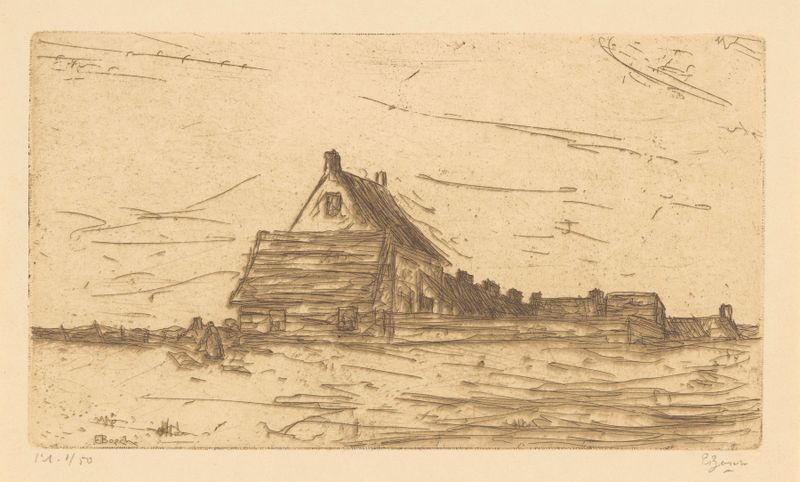
Boerenwoning
Etienne Bosch

Scheveningen
Etienne Bosch
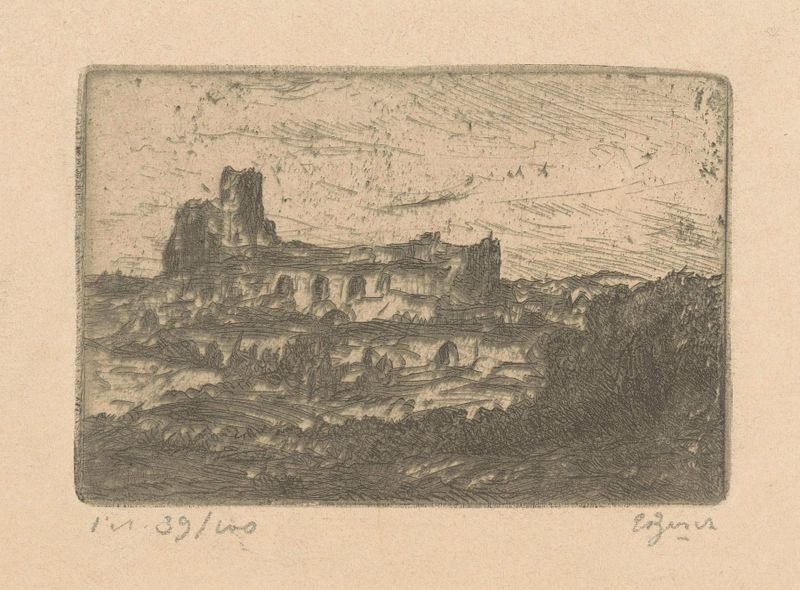
Ruïne Rome
Etienne Bosch
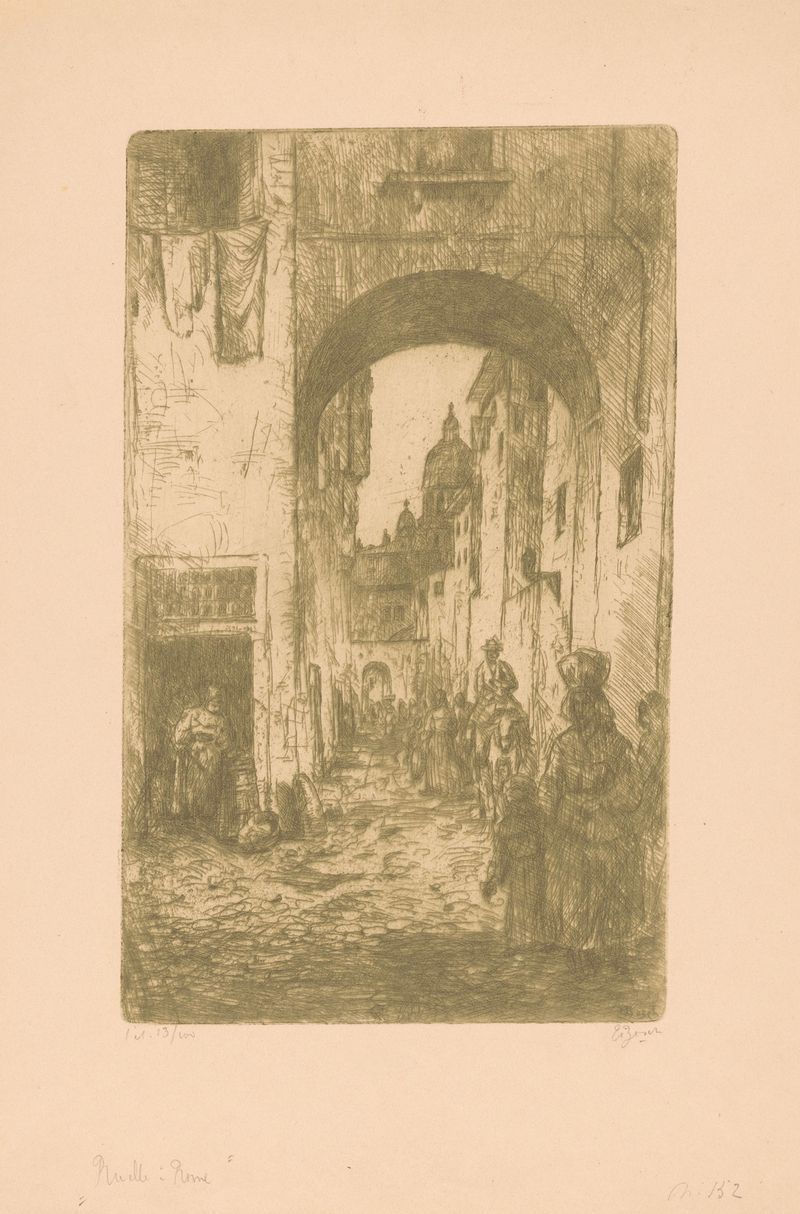
Ruelle, Rome
Etienne Bosch
Ponte Vecchio in Florence
Etienne Bosch
More Architecture Art
Browse all →
The statue of Liberty
Frédéric Auguste Bartholdi

View of Houses in Delft, Known as ‘The Little Street’
Johannes Vermeer

View of Houses in Delft, Known as ‘The Little Street’
Johannes Vermeer

The Cathedral in Rouen. The portal, Grey Weather
Claude Monet

The yellow house
Vincent van Gogh

The Church in Auvers-sur-Oise, View from the Chevet
Vincent van Gogh