
Verovering van de stad Oppenheim door de Zweedse legers op 7 september 1631 — History & Facts
In a world where beauty often masks the harshness of reality, the art reveals deeper narratives. Look to the left at the intricate details of the cityscape, where the contours of Oppenheim rise against the horizon, characterized by finely rendered towers and rooftops crafted with meticulous precision. The subtle hues of ochre and grey blend seamlessly, creating a harmonious balance that invites contemplation. Notice how the swirling clouds overhead, rich with dramatic contrasts, evoke a sense of impending chaos, while the muted palette suggests a fragile peace before the storm. Beneath the surface, the artwork speaks of conquest and loss, beauty and destruction intertwined.
The juxtaposition of the vibrant, bustling life within Oppenheim and the encroaching Swedish forces hints at the duality of human experience — one moment filled with vibrancy, the next overshadowed by conflict. Small details, such as the scattered flags and the distant cries of soldiers, suggest the tension between triumph and despair, leaving the viewer to ponder the cost of such beauty. Wenceslaus Hollar created this work in 1631 during a tumultuous period marked by the Thirty Years' War, a conflict that ravaged much of Europe. Living in Prague, Hollar was deeply influenced by the events around him, capturing scenes that were both historical and personal.
As he rendered the siege of Oppenheim, the artist's ethereal technique reflected the shifting artistic trends of the time, bridging the gap between the Baroque’s dramatic flair and the emerging realism that sought to depict life with sobering honesty.
More Artworks by Wenceslaus Hollar
Browse all →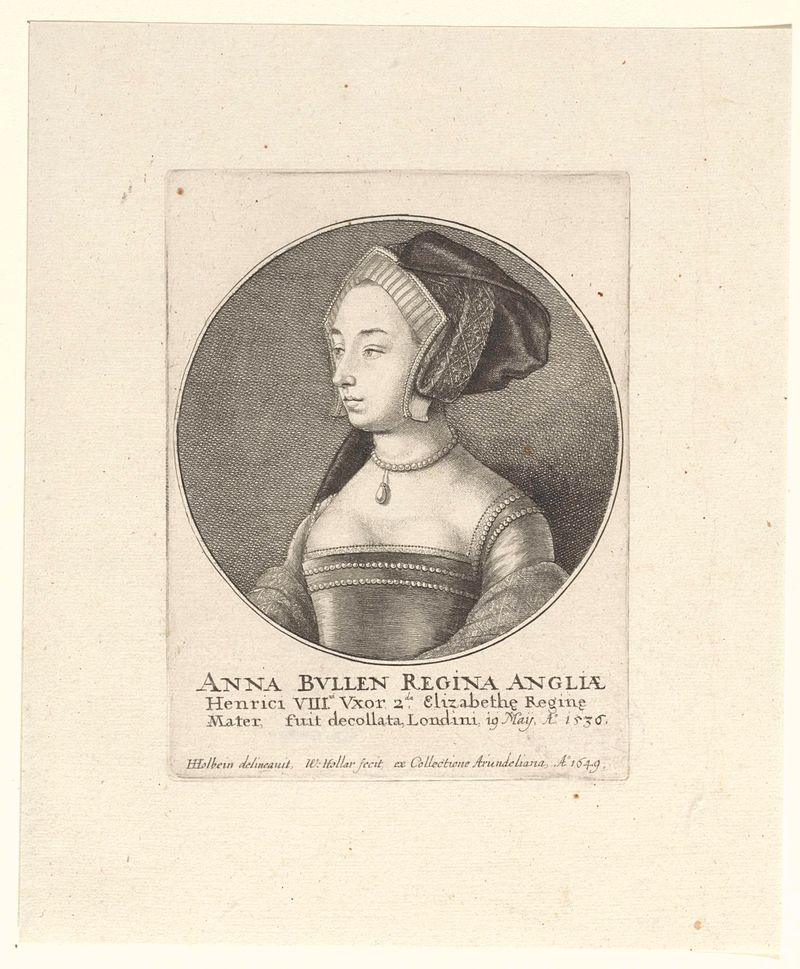
Portret van Anna Boleyn, koningin van Engeland
Wenceslaus Hollar
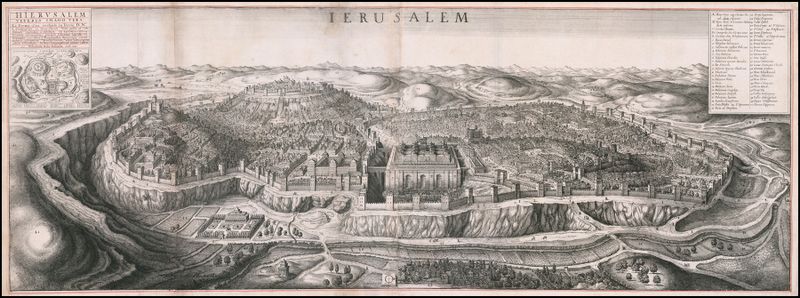
Bird’s eye view of Jerusalem
Wenceslaus Hollar
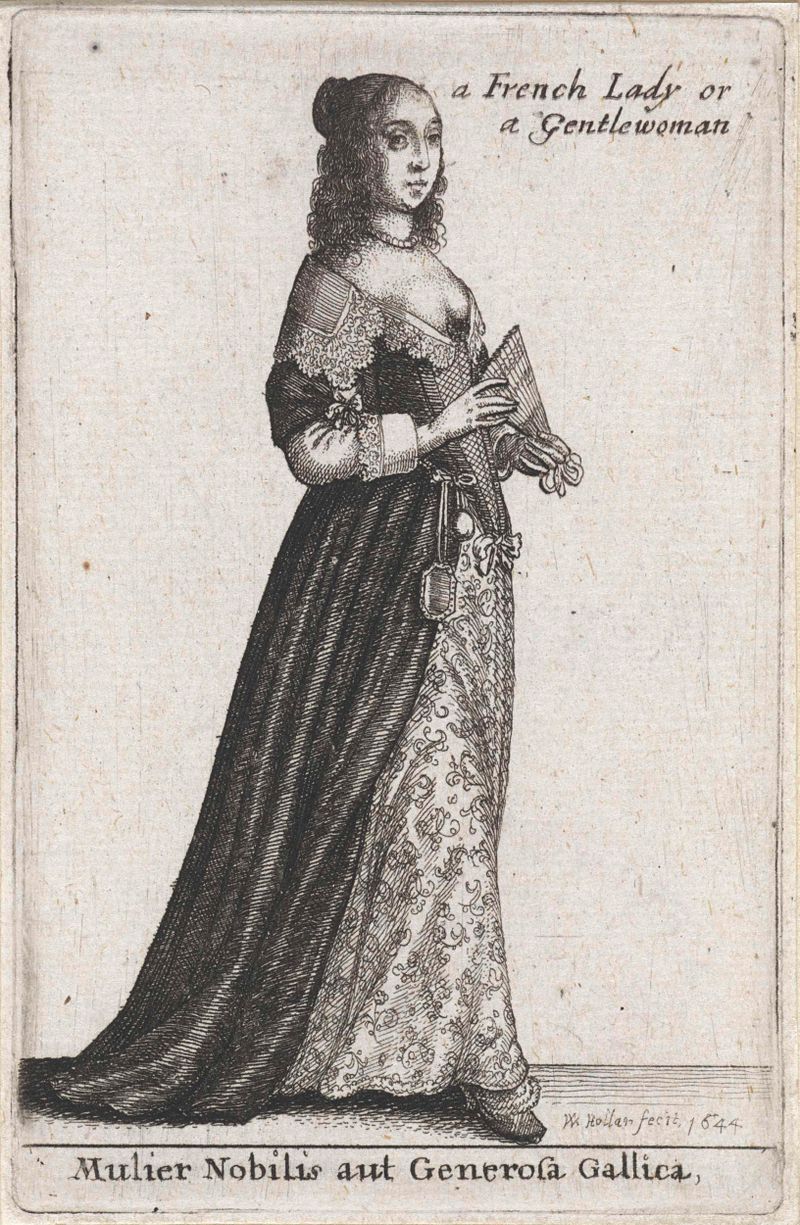
Mulier Nobilis aut Generosa Gallica / a French Lady or Gentlewoman
Wenceslaus Hollar
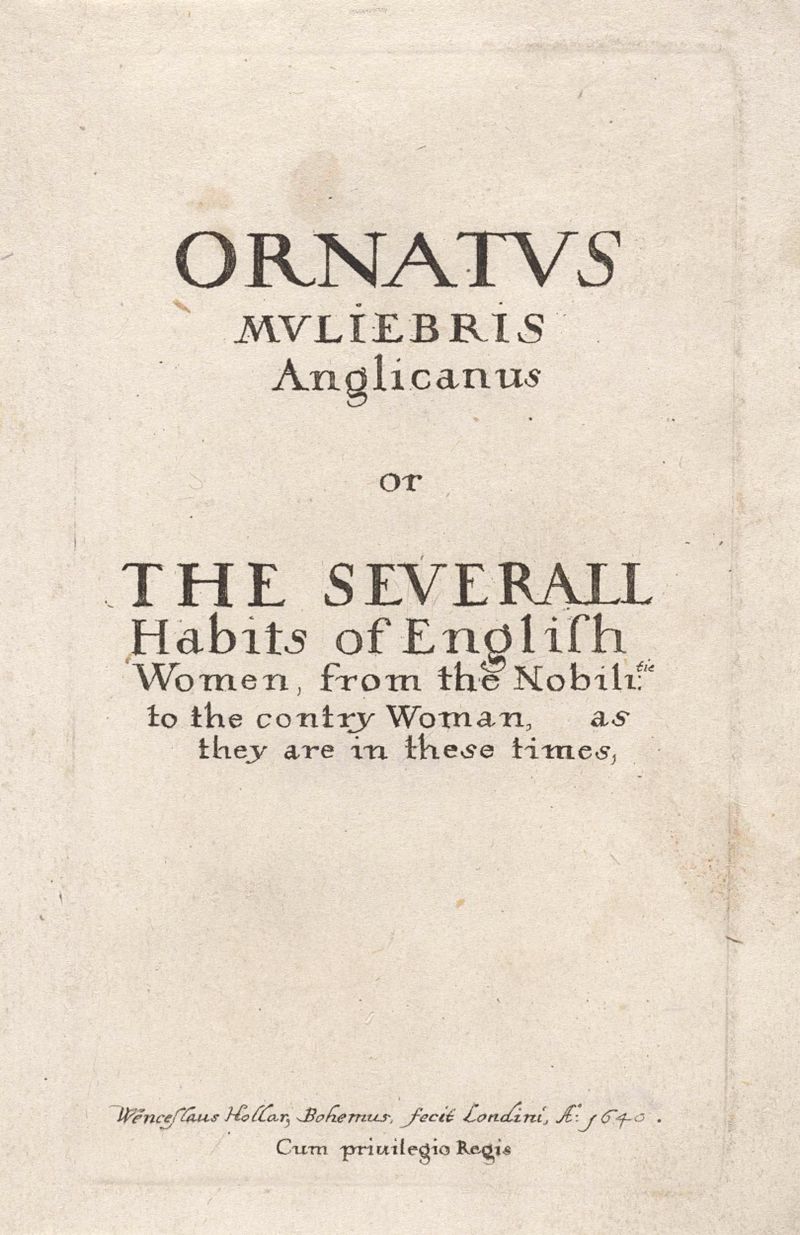
Titelprent voor: Ornatus Muliebris Anglicanus
Wenceslaus Hollar
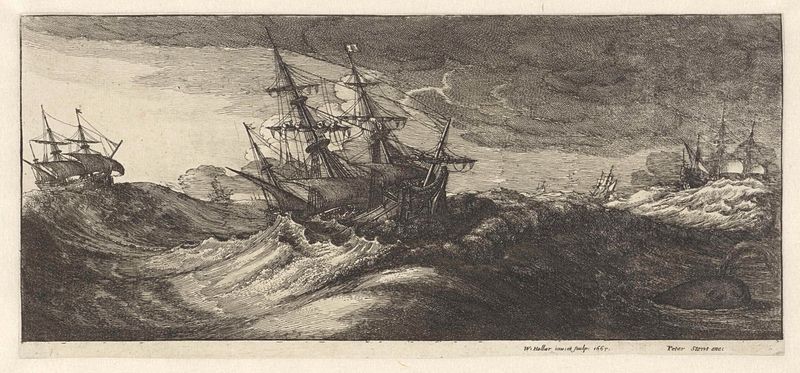
Oorlogsschepen en een walvis in een zeestorm
Wenceslaus Hollar
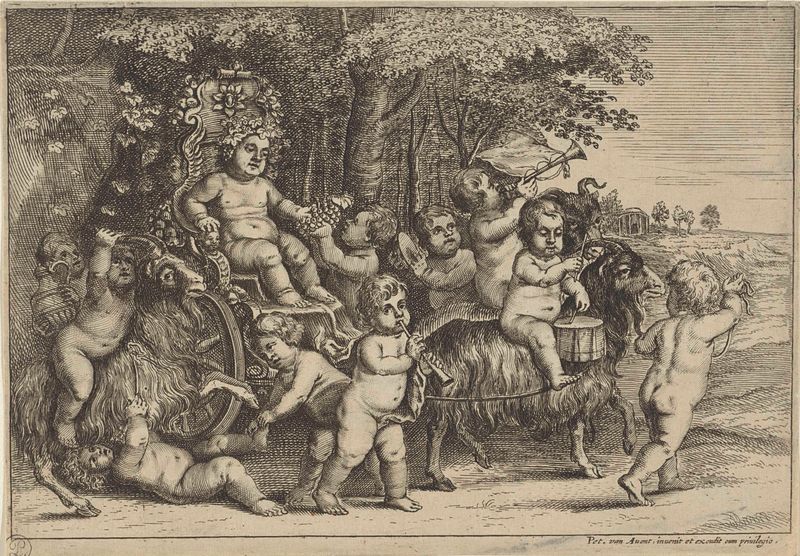
Optocht van bacchant en jongetjes op geiten
Wenceslaus Hollar
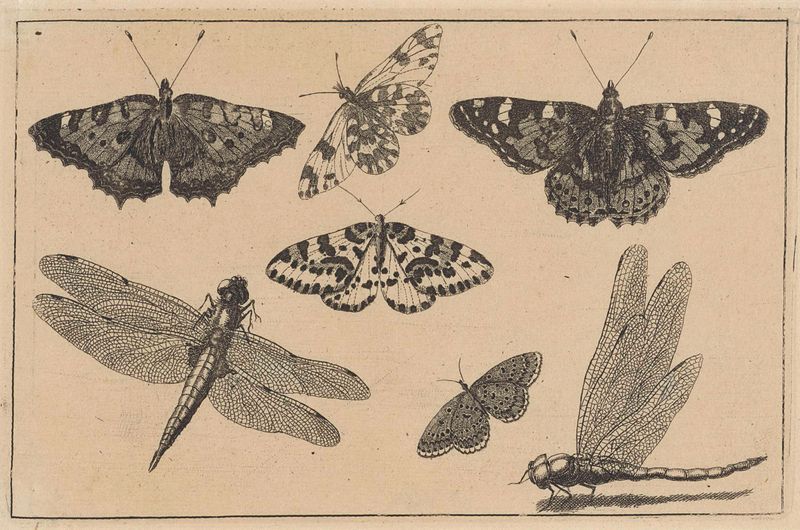
Twee libellen en vijf vlinders
Wenceslaus Hollar
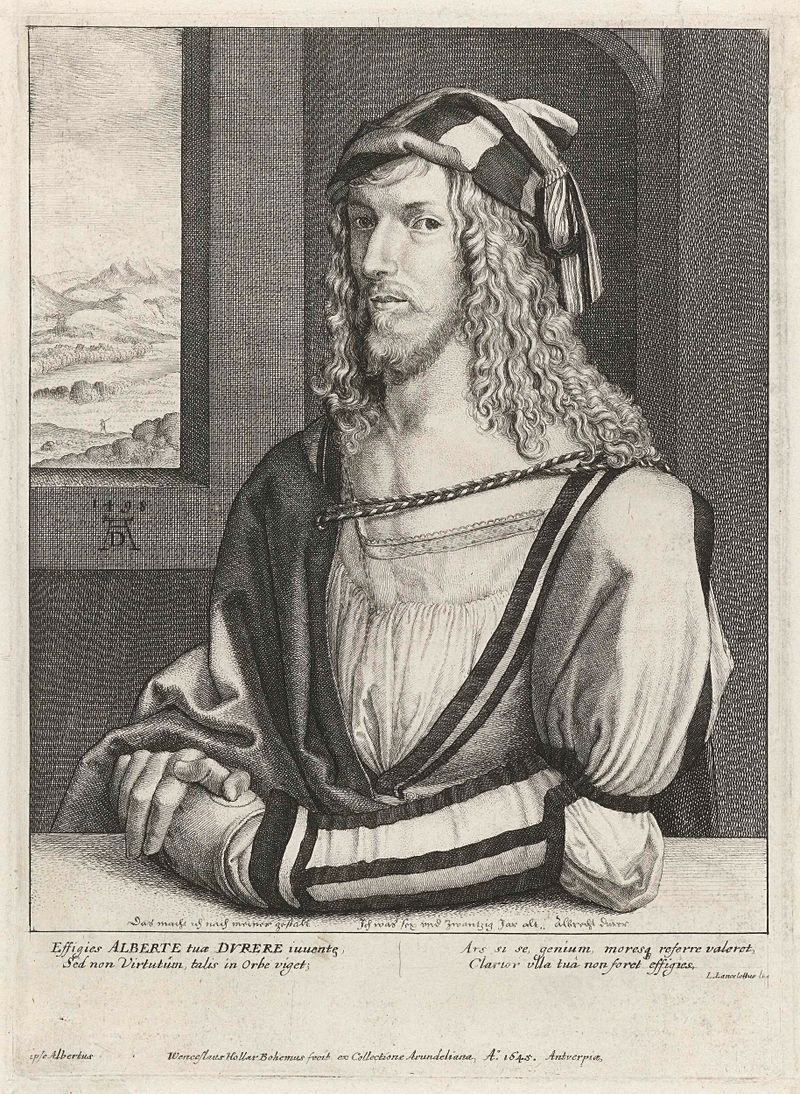
Portret van Albrecht Dürer
Wenceslaus Hollar
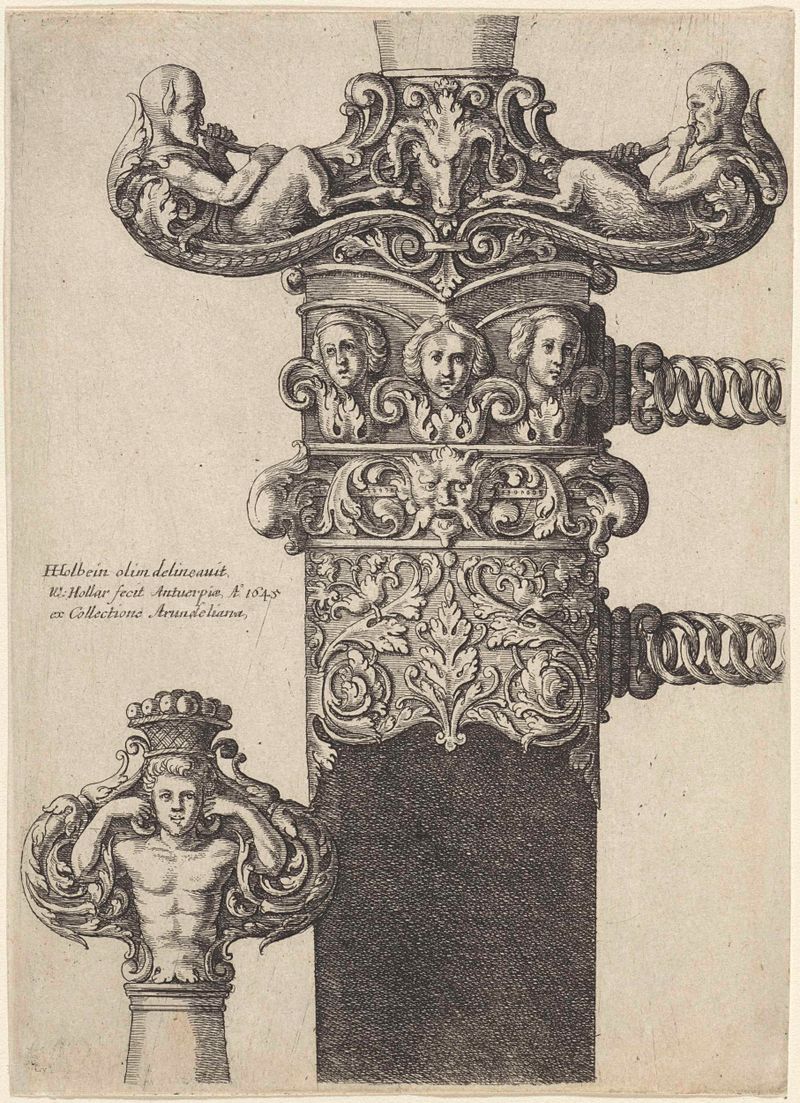
Ornamenteel ontwerp voor een dolk
Wenceslaus Hollar
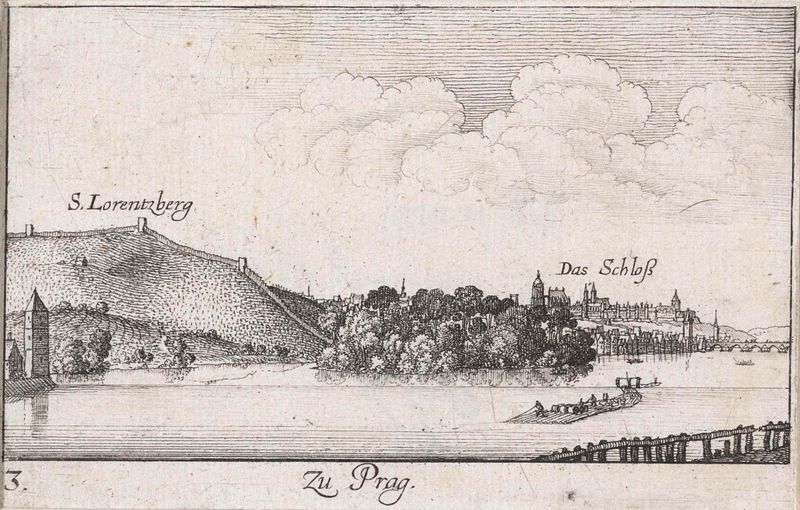
Gezicht op Praag vanaf de Moldau
Wenceslaus Hollar
More Historical Art
Browse all →
The Night Watch Militia Company of District II under the Command of Captain Frans Banninck Cocq
Rembrandt van Rijn
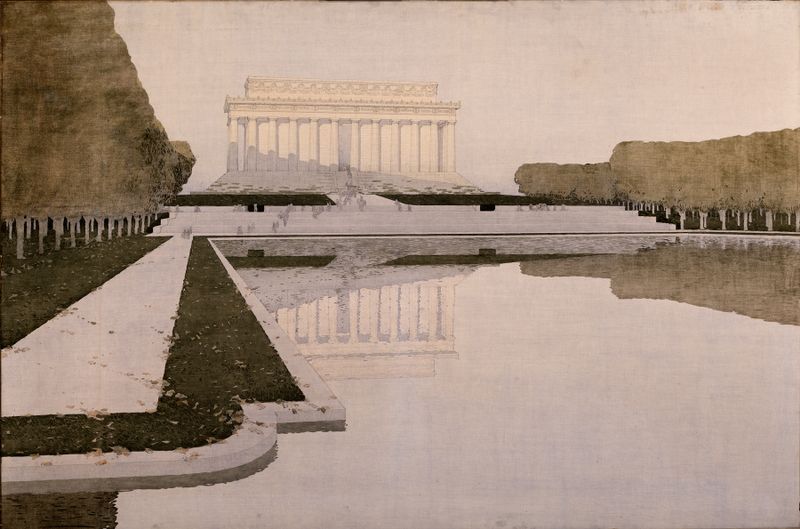
Lincoln Memorial
Henry Bacon
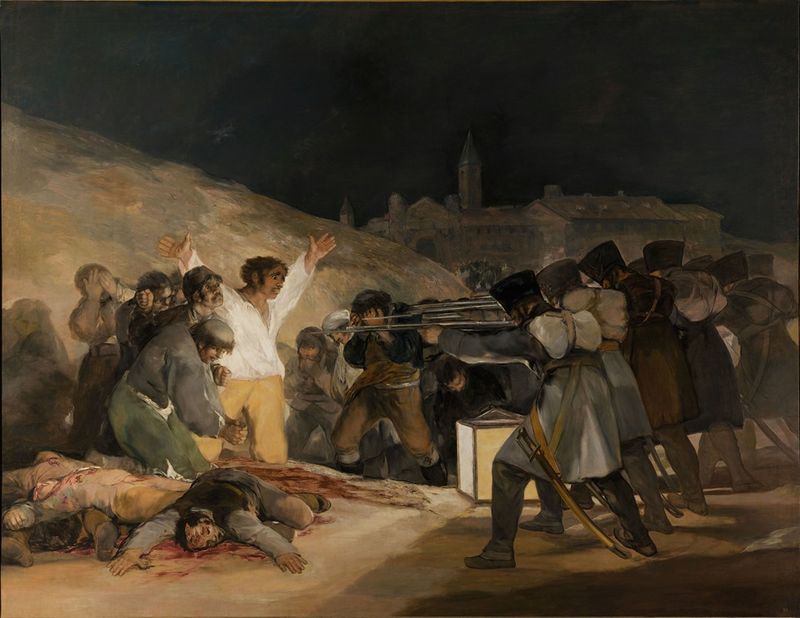
The Third of May 1808
Francisco de Goya

Isaac and Rebecca, Known as ‘The Jewish Bride’
Rembrandt van Rijn
The Charge of the Mamelukes (1814)
Francisco de Goya

De vier ruiters van de apocalyps
Albrecht Dürer