
Versailles — History & Facts
When did color learn to lie? The vibrant hues of Versailles seduce the eye, suggesting a paradise that may not exist beyond the canvas. Focus on the lush greens of the manicured gardens, where spiraling topiaries beckon with their intricate shapes. Notice how the golden sunlight bathes the palace’s ornate façade, illuminating the delicate architectural details that speak of opulence. The contrast of deep blue skies against the warm earth tones draws you deeper into this serene yet extravagant world, inviting contemplation. Yet beneath this picturesque beauty lies a tension—a blend of desire and distance.
The viewer is enticed by the lavish decor but also reminded of the unattainable nature of such grandeur. Each meticulously painted bloom seems to whisper secrets of longing, while the spaces between the elements evoke feelings of solitude, as if one is both part of and separate from this shimmering dreamscape. The vibrant colors may deceive, suggesting joy while harboring a sense of yearning. William Callow created Versailles in 1833 while residing in England, having established his career as a renowned landscape painter.
This period was marked by a return to nature in art, as Romanticism gained momentum, with artists seeking to capture the sublime. Callow's portrayal of the famous French palace reflects both an admiration for its beauty and a deeper introspection about the transient nature of desire and the complexities of human emotion.
More Artworks by William Callow
Browse all →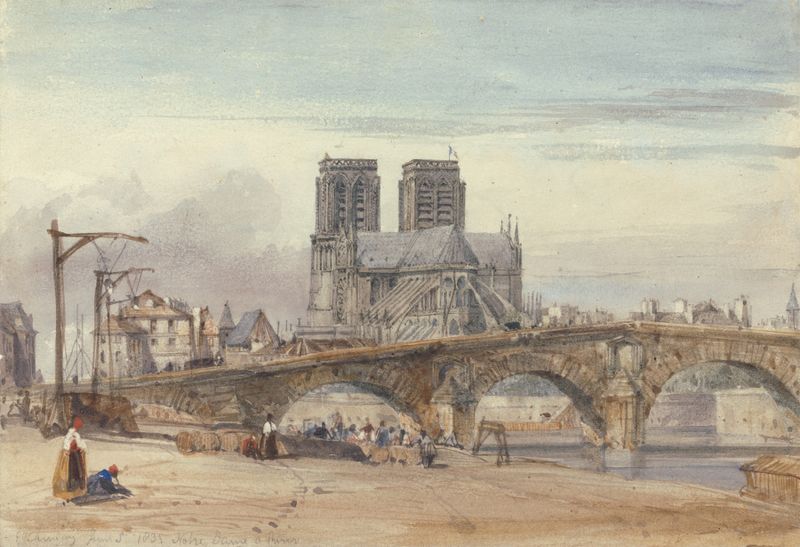
Notre Dame, Paris
William Callow
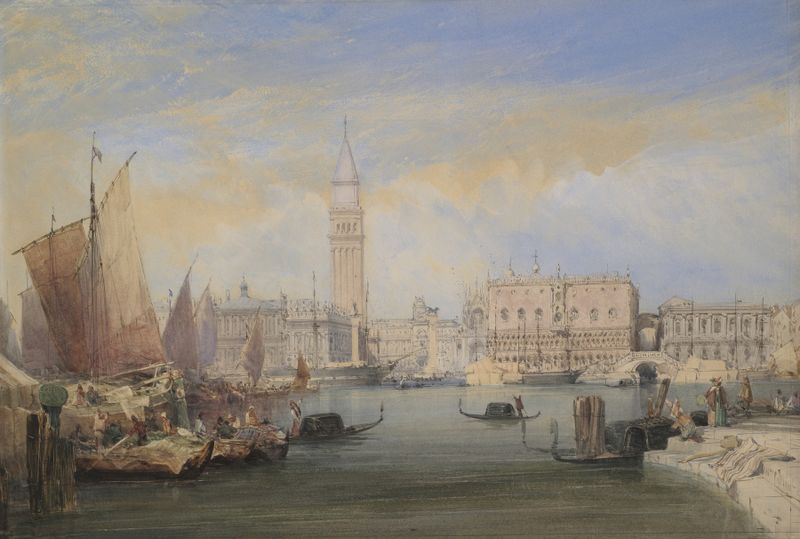
Venice from St. Giorgio
William Callow
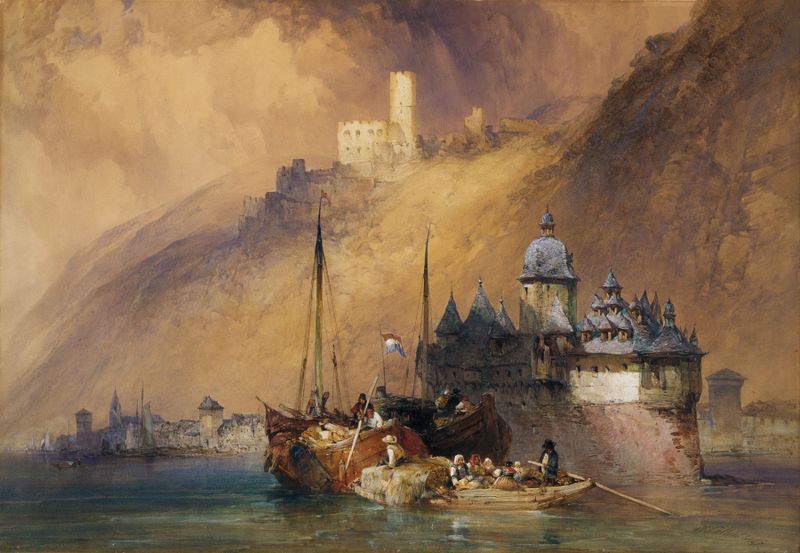
The Phalz Castle on the Rhine
William Callow

The Luxor, Paris, December 1833
William Callow

On the Wharfe, Bolton Abbey
William Callow

Caesar’s Tower, Warwick Castle
William Callow
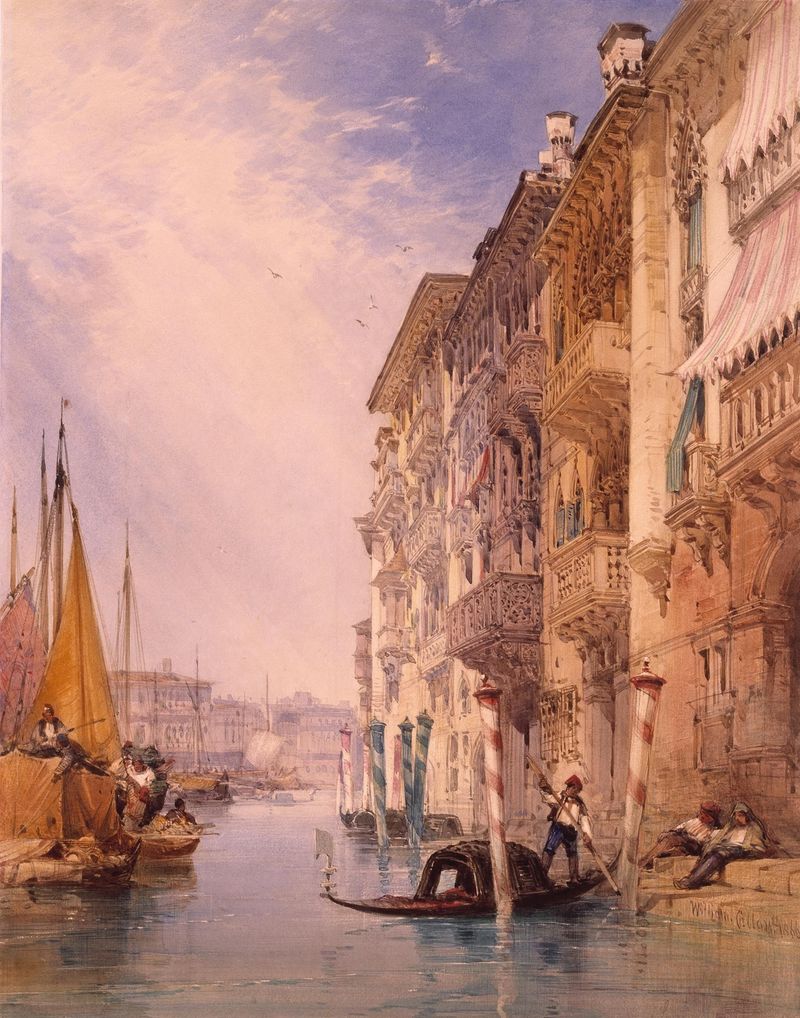
A Gondola on the Grand Canal, Venice
William Callow

Rheinfels and St. Goar
William Callow
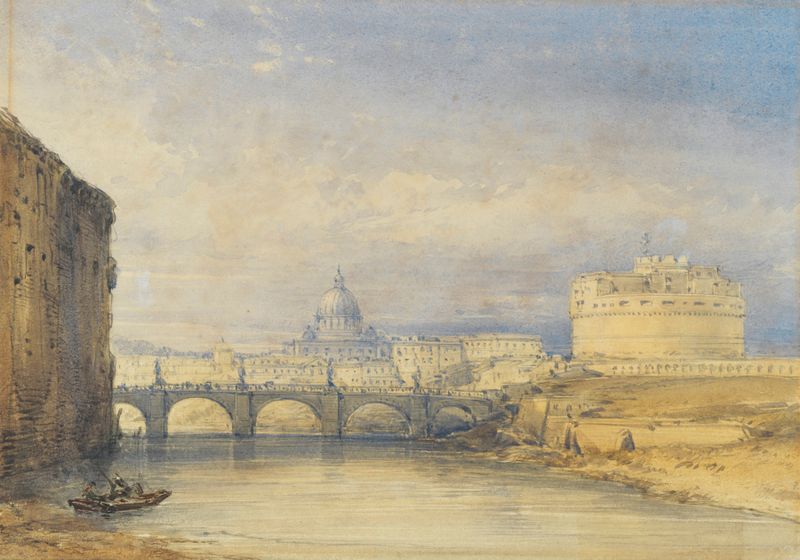
Castel Sant’Angelo, Rome
William Callow

Entering Harbour
William Callow





