
Vervallen huis bij een zeshoekige toren — History & Facts
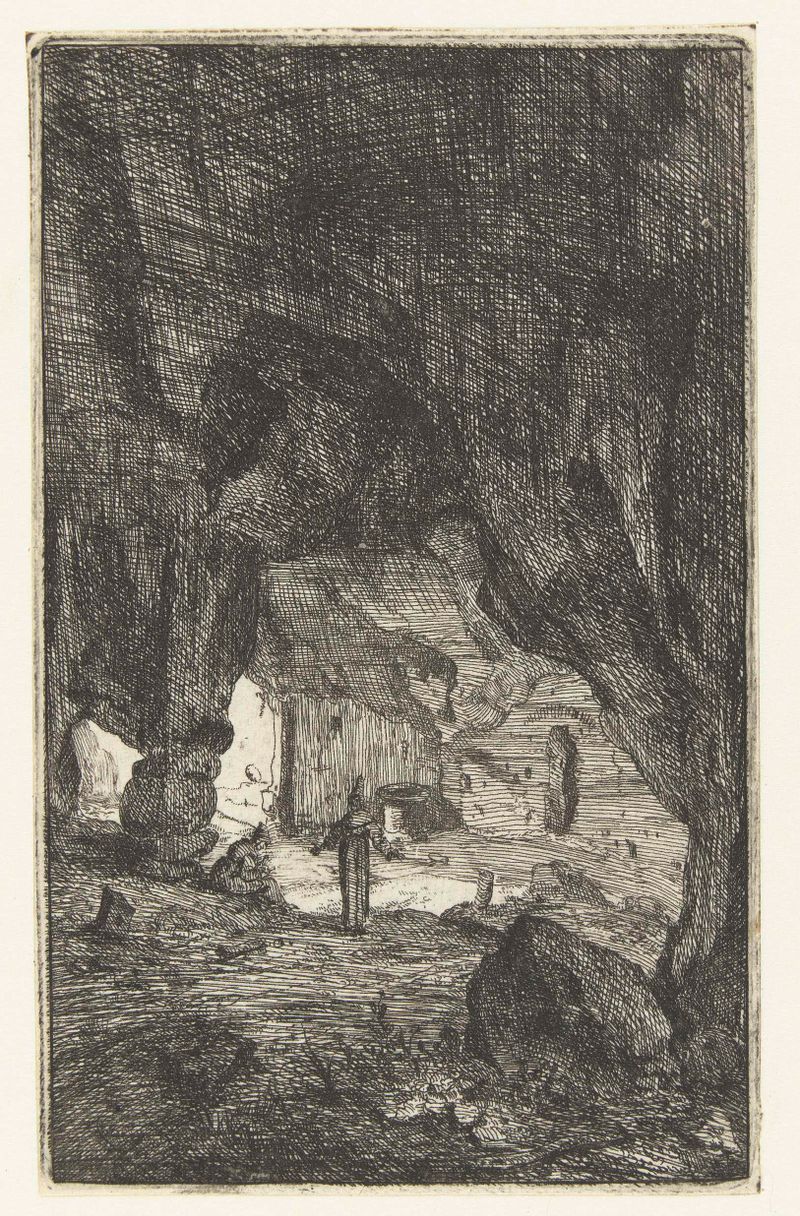
In the quiet solitude of a landscape, obsession takes root, intertwining with the essence of existence itself. Here, in this work from the early 17th century, we glimpse the delicate interplay between yearning and desolation, a theme as timeless as the trees that surround it. Look to the center of the canvas, where a dilapidated house stands beneath the shadow of a polygonal tower. The structure's crumbling walls, rendered with meticulous attention, draw the eye, inviting contemplation of its whispered stories.
Notice how the muted earth tones contrast sharply with the vivid blues and greens of the surrounding foliage; sunlight dances through the leaves, casting fragmented shadows that mirror the emotional tension held within the house's weathered façade. The juxtaposition of the vibrant nature and decaying man-made structures speaks to the passage of time and the fleeting nature of human ambition. Each detail — from the scattered remnants of what once was to the lively brushstrokes of the trees — reflects a duality of existence: the fervent desire to create and the inevitable surrender to decay. This tension encapsulates a deeper obsession with permanence amidst the relentless march of time, encouraging viewers to ponder their own fleeting legacies. In the years between 1639 and 1640, Breenbergh, a Dutch painter, was immersed in the flourishing landscape tradition of his time.
Working primarily in Haarlem, he explored the contrasts of light and shadow, as well as the tension between man and nature. This period was marked by a growing interest in realism and detail within Dutch art, reflecting both the artist's personal journey and the broader cultural movements that shaped the era.
More Artworks by Bartholomeus Breenbergh
Browse all →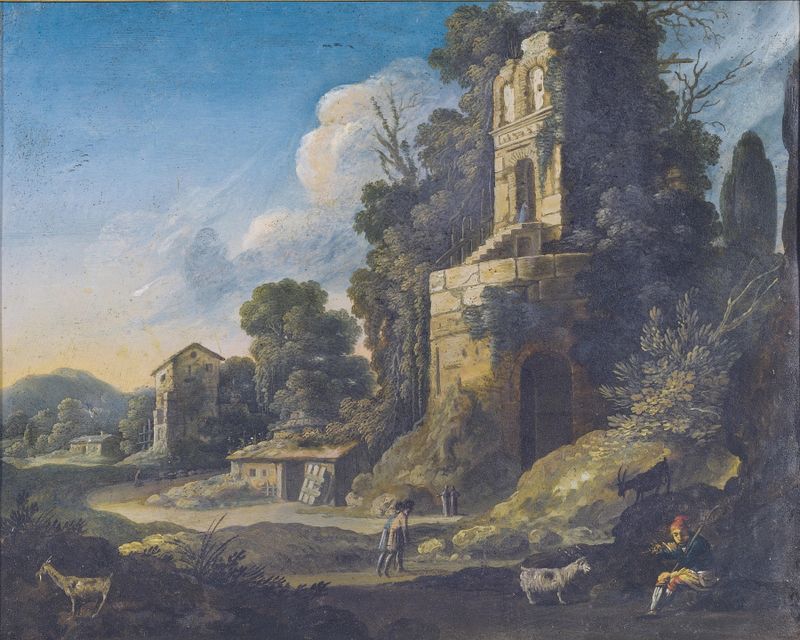
Italianate landscape with buildings and a herdsman playing pipes
Bartholomeus Breenbergh

Arcadian Landscape
Bartholomeus Breenbergh

Ruïnes van keizerlijk paleis te Rome
Bartholomeus Breenbergh

Ruïne van het Colosseum
Bartholomeus Breenbergh
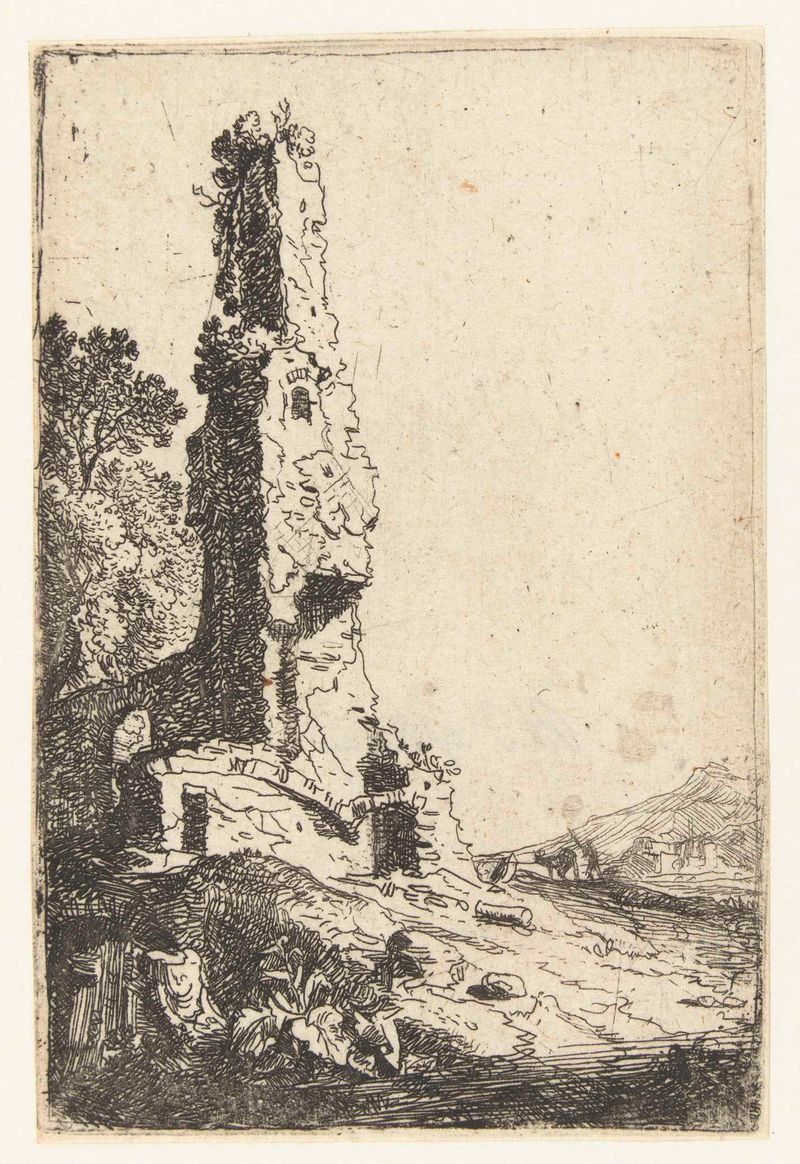
Ruïnes van de stadsmuren van Rome
Bartholomeus Breenbergh
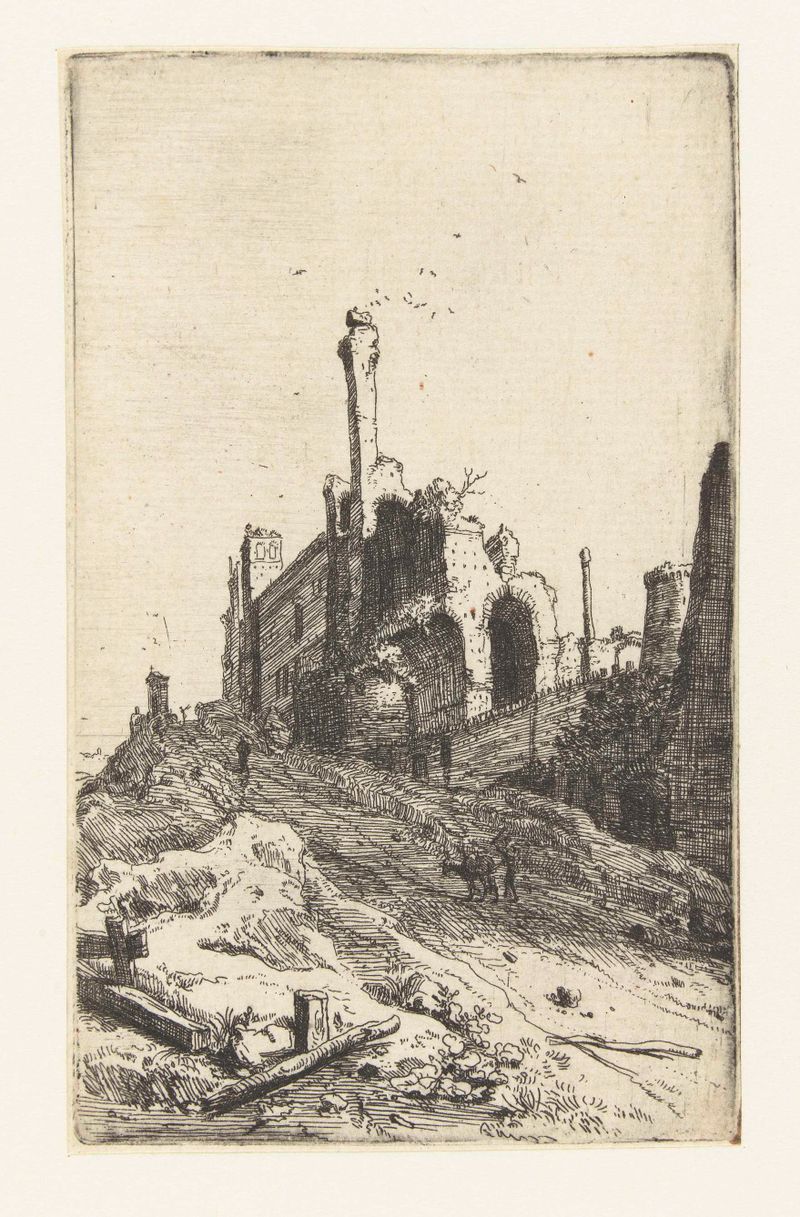
Ruïnes van een paleis te Tivoli
Bartholomeus Breenbergh

Figures Among Ruins By The Tiber
Bartholomeus Breenbergh

Italian Landscape with the Aurelian Wall
Bartholomeus Breenbergh
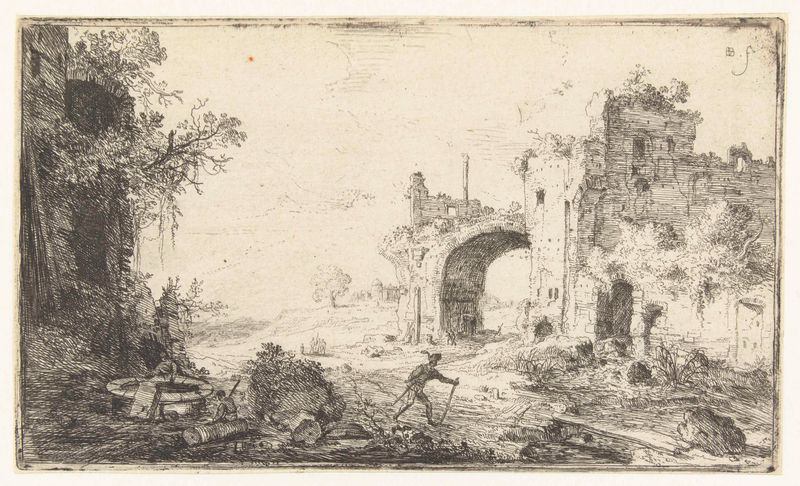
Ruïnes van de thermen van Caracalla
Bartholomeus Breenbergh
Interieur van een grot
Bartholomeus Breenbergh





