Viburnum — History & Facts
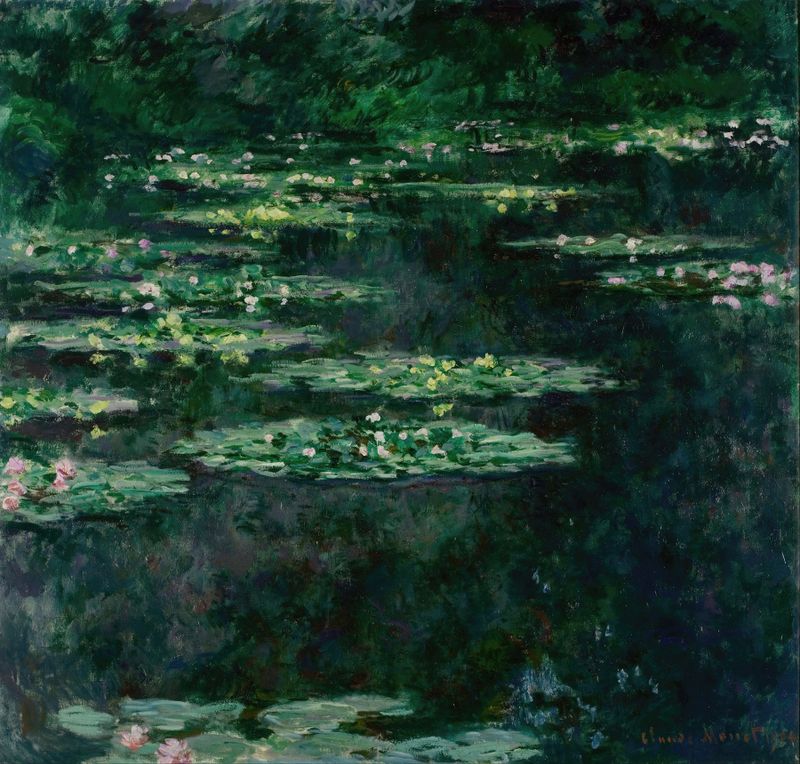
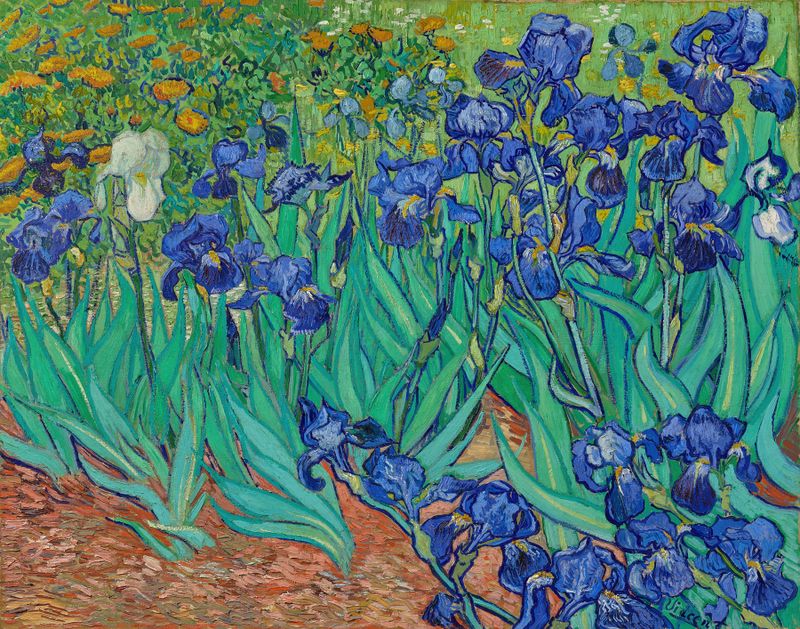
In the delicate interplay of light and shadow, time weaves through the canvas, reminding us of the transient nature of existence. Look to the center, where the vibrant vibrancy of the viburnum blooms draws your attention. The artist masterfully employs a palette of rich greens and soft whites, contrasting the lush foliage with specks of sunlight that seem to dance upon the blossoms. Notice how the brushstrokes create depth, inviting the viewer to explore the intricacies within each petal, and observe how the composition pulls your gaze into the heart of the painting, where the flowers symbolize fleeting moments of beauty. As you study the piece, consider the juxtaposition of life and decay nestled within the blooms.
Each flower, while stunning in its glory, hints at the inevitable passage of time — a reminder that such beauty is often ephemeral. The artist's treatment of space evokes a sense of serenity tinged with melancholy, capturing the way nature's splendor can mirror our own transient joys and sorrows. In 1922, Ambroży Sabatowski painted this work during a period marked by both artistic exploration and personal introspection. Living in a time of profound change in Europe, he was influenced by the emergence of modernist trends while also grappling with the aftermath of World War I.
This painting reflects his desire to encapsulate not just the aesthetic allure of nature, but also the deeper, more complex emotions that accompany our understanding of time and beauty.
More Artworks by Ambroży Sabatowski
Browse all →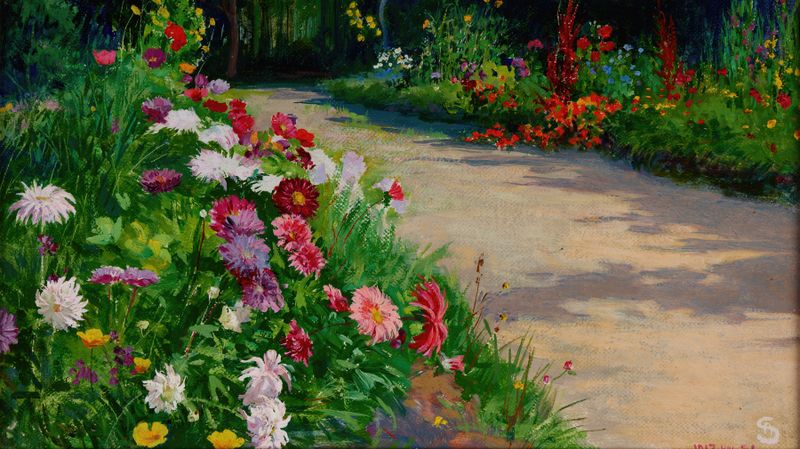
Asters
Ambroży Sabatowski
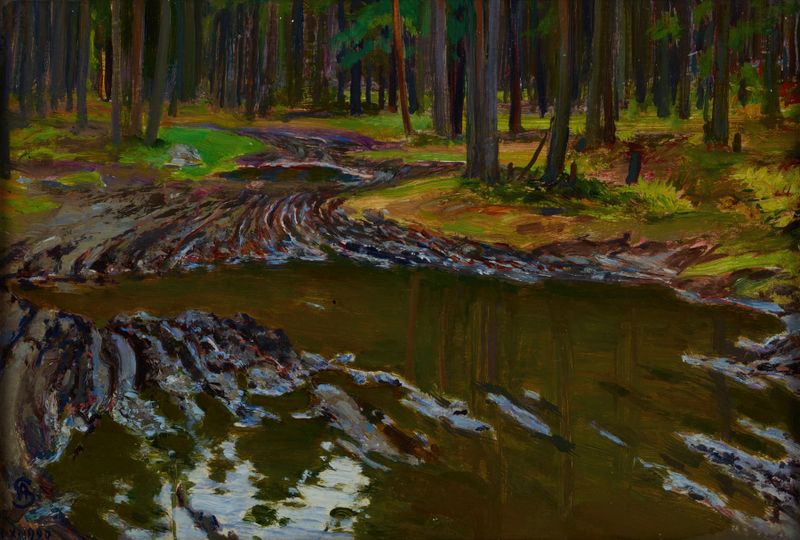
Mud in the Forest
Ambroży Sabatowski
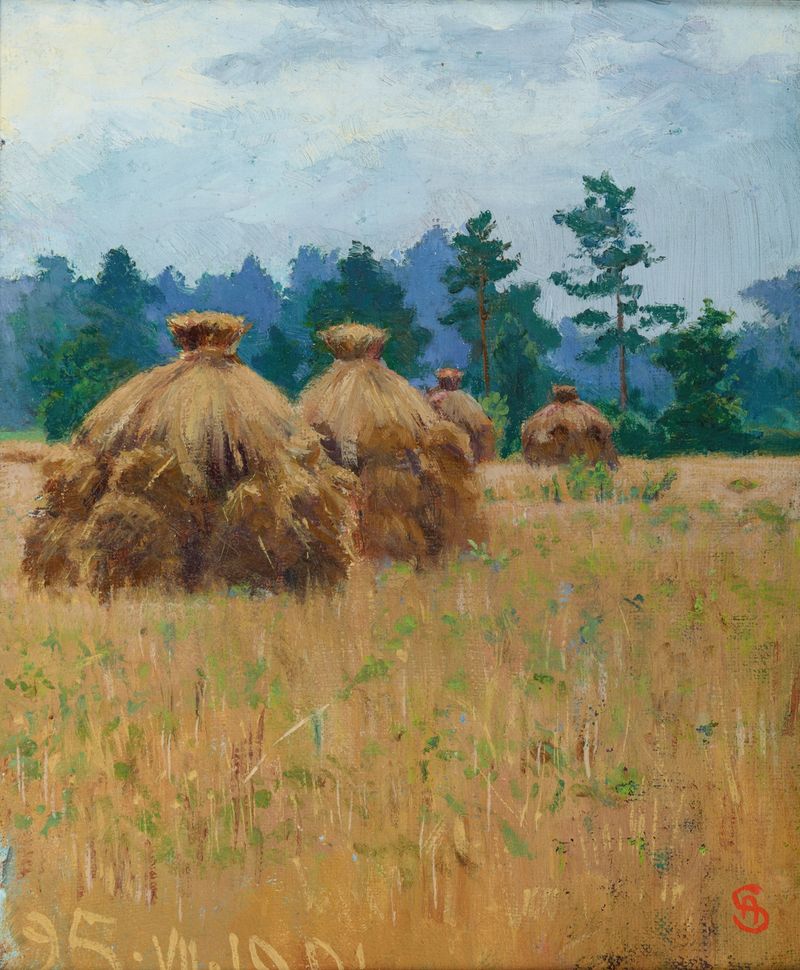
Volhynian Stacks of Corn
Ambroży Sabatowski
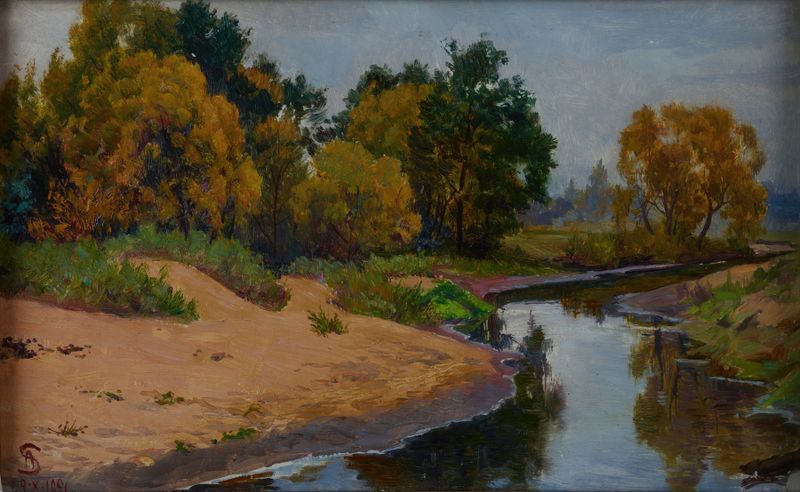
Autumn
Ambroży Sabatowski
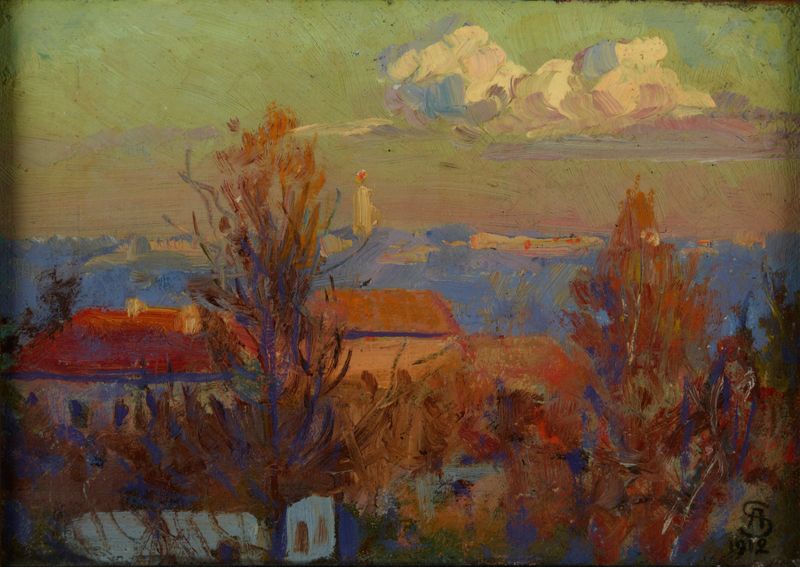
Landscape
Ambroży Sabatowski
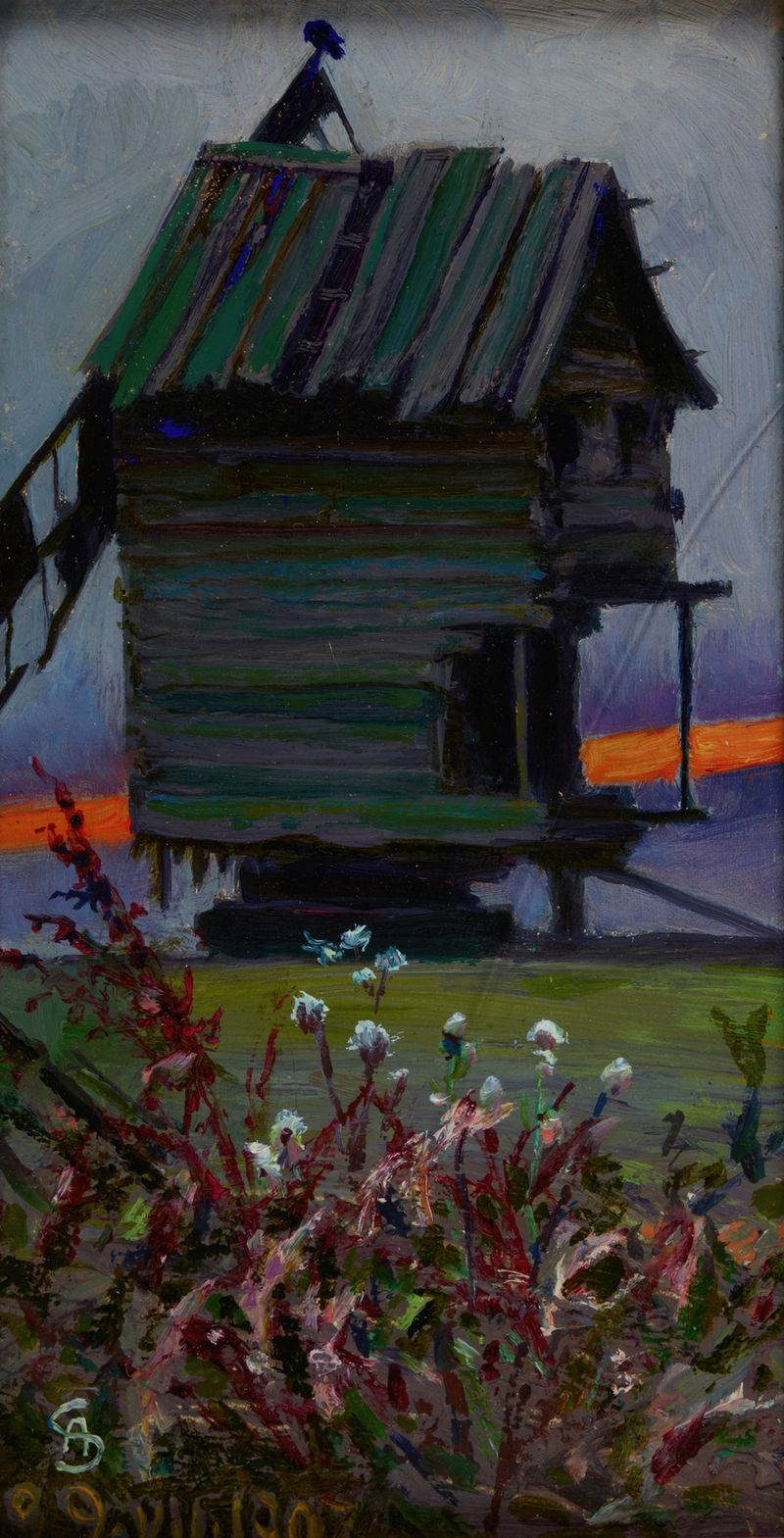
Old Windmill
Ambroży Sabatowski
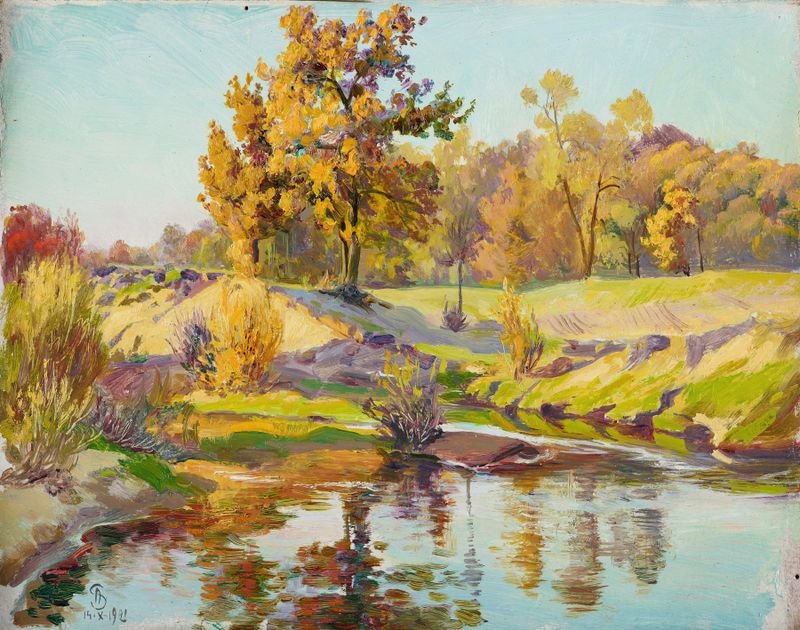
Sunny Autumn
Ambroży Sabatowski
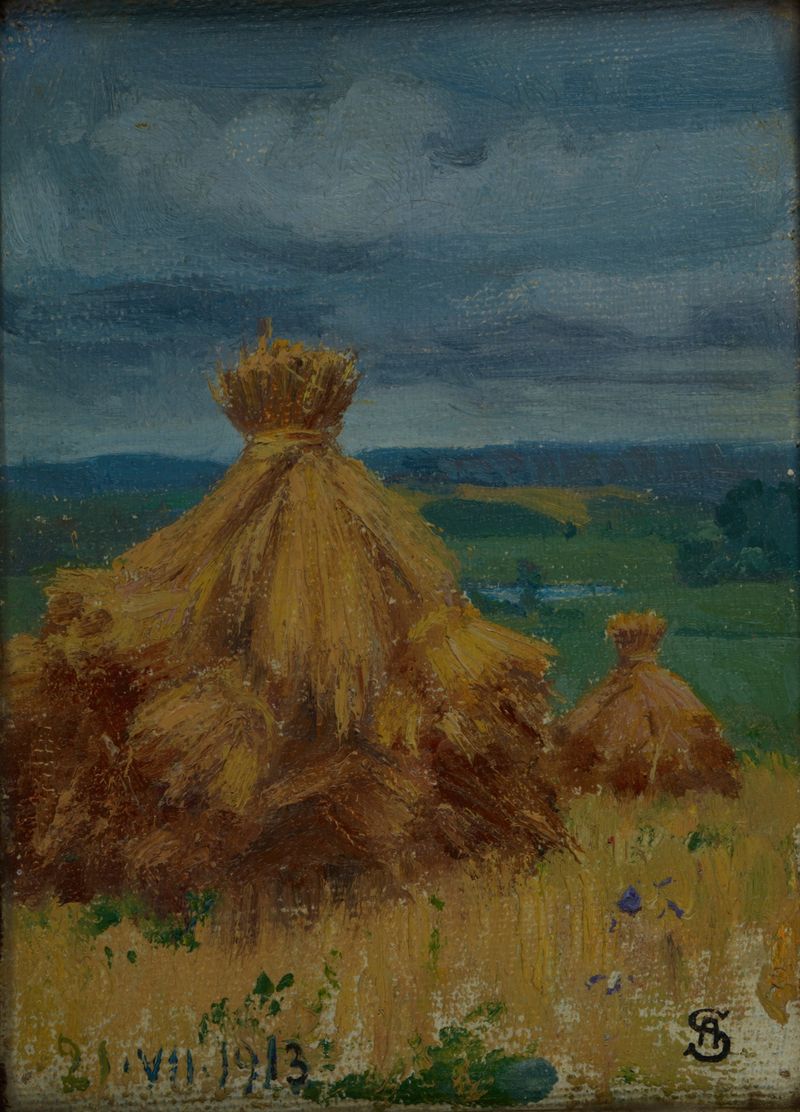
Cloudy Day
Ambroży Sabatowski
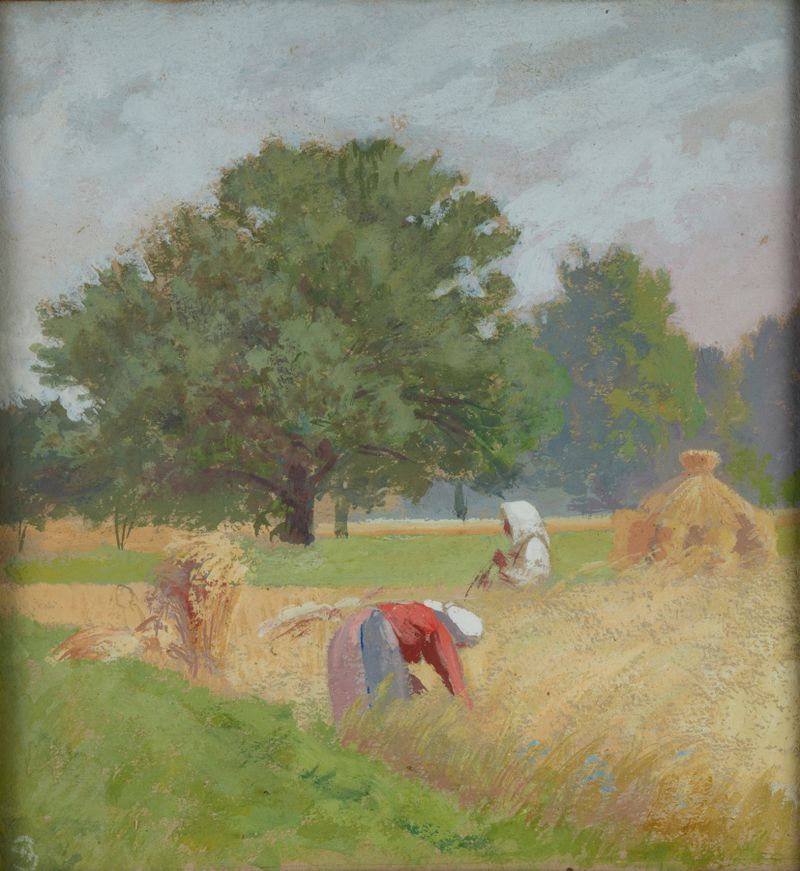
Three Moments – Triptych (Noon)
Ambroży Sabatowski
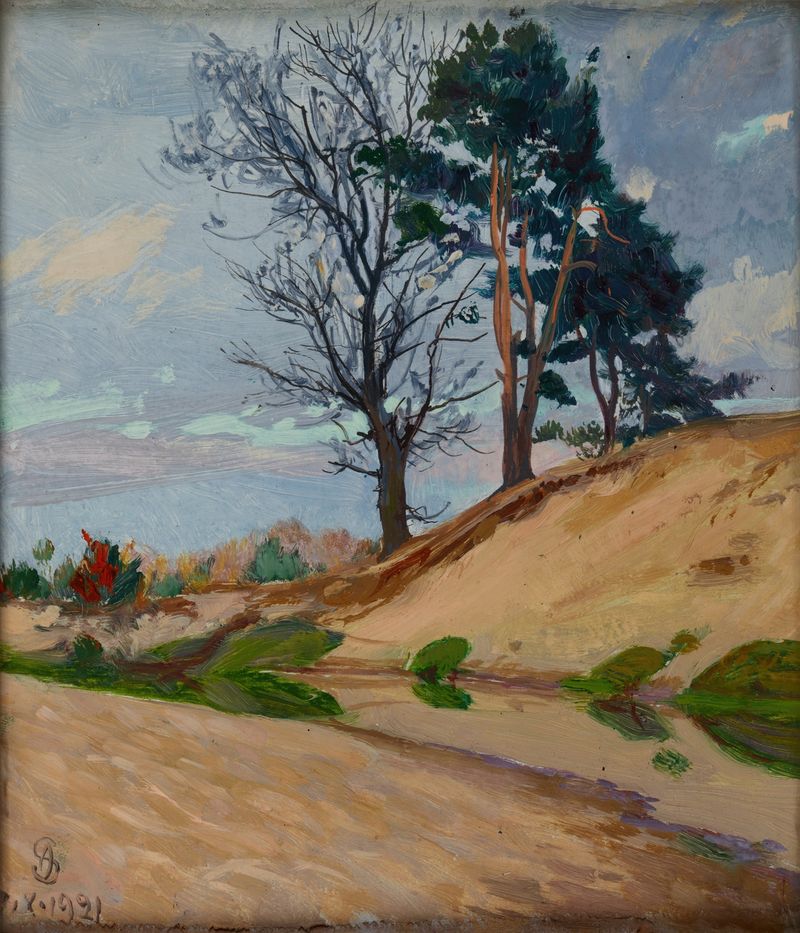
Sandy Bank of the Kamienna River
Ambroży Sabatowski