
View of a rough sea near a cliff — History & Facts
Did the painter know this moment would outlive them? In View of a Rough Sea near a Cliff, the chaos of nature becomes a testament to the artist's enduring vision, embodying both turmoil and beauty in a single frame. Look to the tumultuous waves crashing against the jagged cliffs, their foamy crests embroidered with bright whites that contrast starkly with the deep blues and greens of the sea. The horizon is shrouded in a vague mist, drawing your eye toward the turbulent skies, where dark clouds loom ominously, capturing the essence of an impending storm. Notice how Courbet's brushwork varies from smooth strokes to rough, vigorous taps, imbuing the sea with a pulse that feels almost alive, vibrating with raw energy. In this piece, chaos reigns supreme, evoking a sense of both awe and fear.
The stark contrast between the dark cliffs and the frothy ocean suggests the struggle between humanity and nature, as well as a looming sense of isolation. The swirling energy of the water, paired with the oppressive skies, reflects the artist's own internal conflicts, perhaps mirroring his thoughts on mortality and the passage of time. Each wave embodies a fleeting moment, a reminder that beauty often resides within chaos. Courbet painted this work in the latter years of his life, during a time when he was grappling with personal and professional challenges.
After 1873, he found himself largely marginalized within the art world, striving to find his voice amidst the rise of Impressionism. Despite this turbulence, his commitment to realism and the dramatic portrayal of nature remained steadfast, marking a pivotal shift that would influence generations to come.
More Artworks by Gustave Courbet
Browse all →
Marine
Gustave Courbet
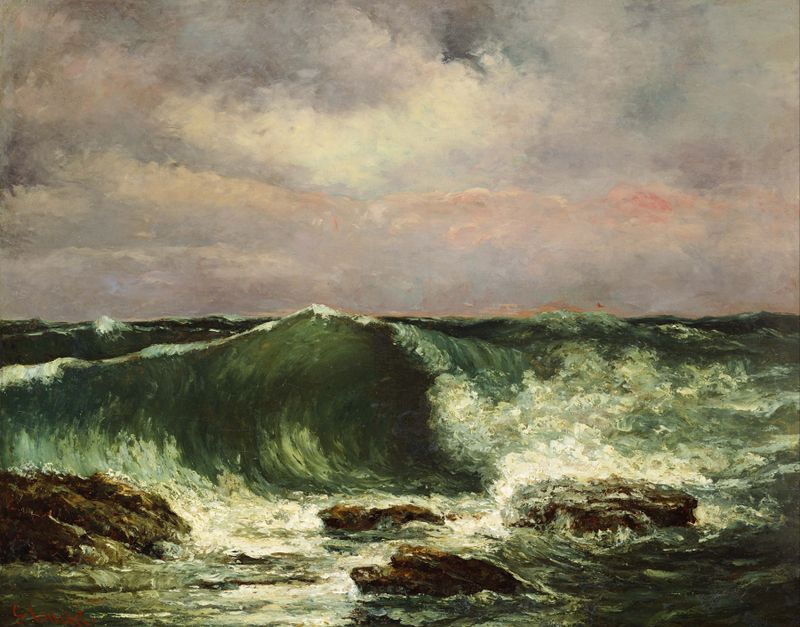
Waves
Gustave Courbet

Étretat; Les Falaises
Gustave Courbet
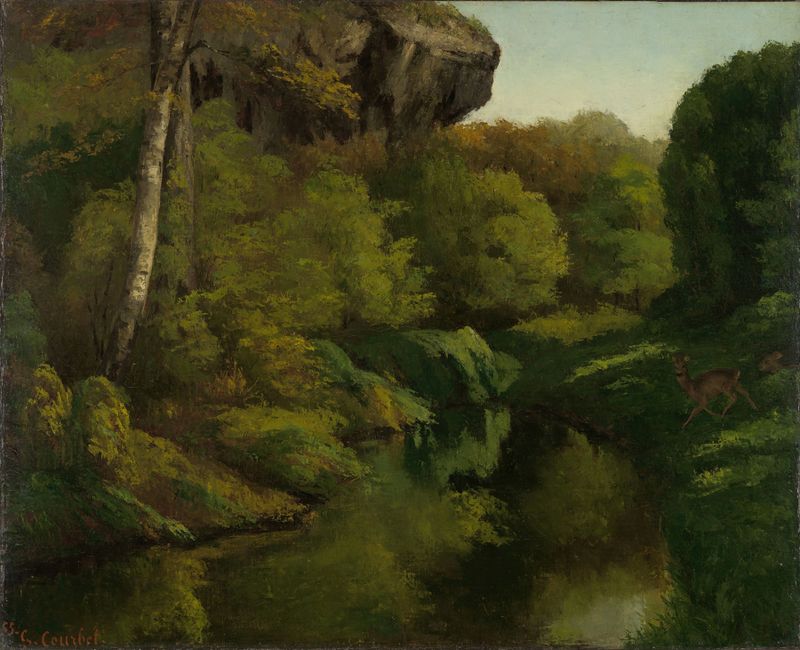
View in the Forest of Fontainebleau
Gustave Courbet
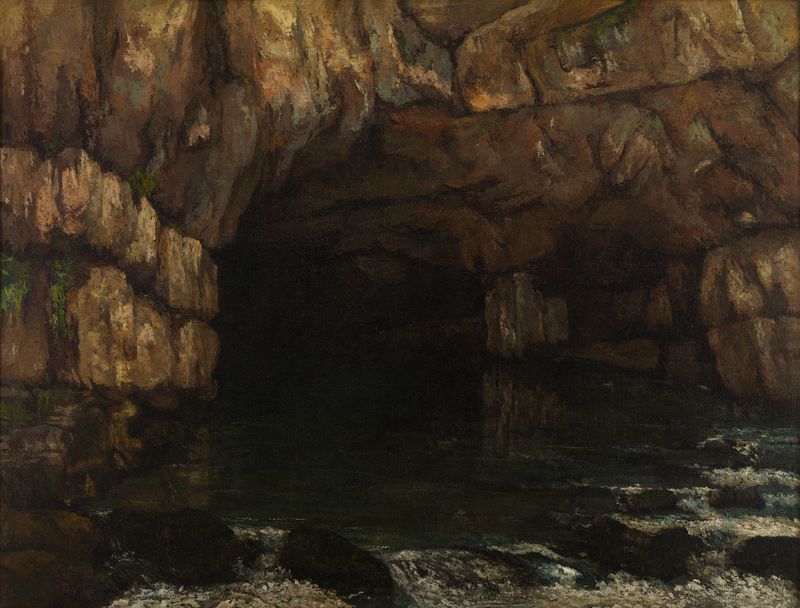
La source de la Loue (The Source of the Loue)
Gustave Courbet

Low Tide at Trouville
Gustave Courbet
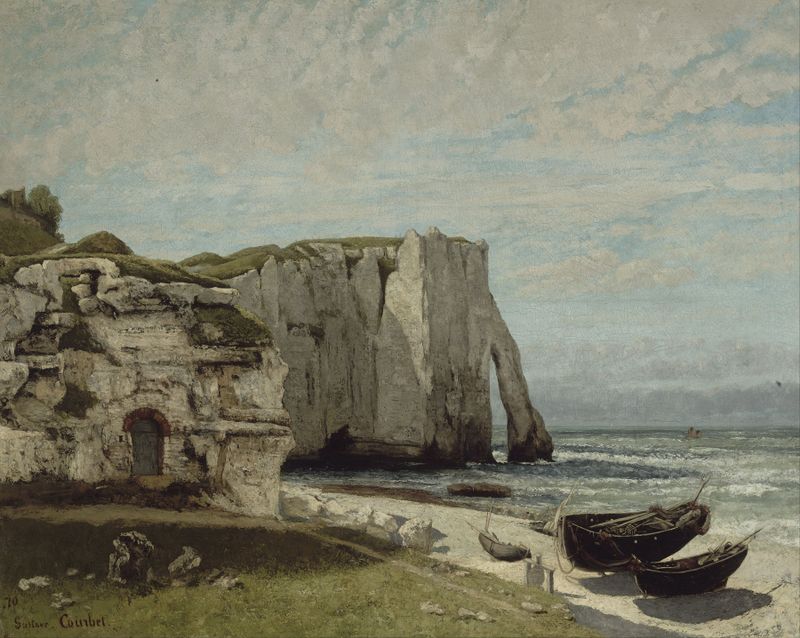
The Etretat Cliffs after the Storm
Gustave Courbet
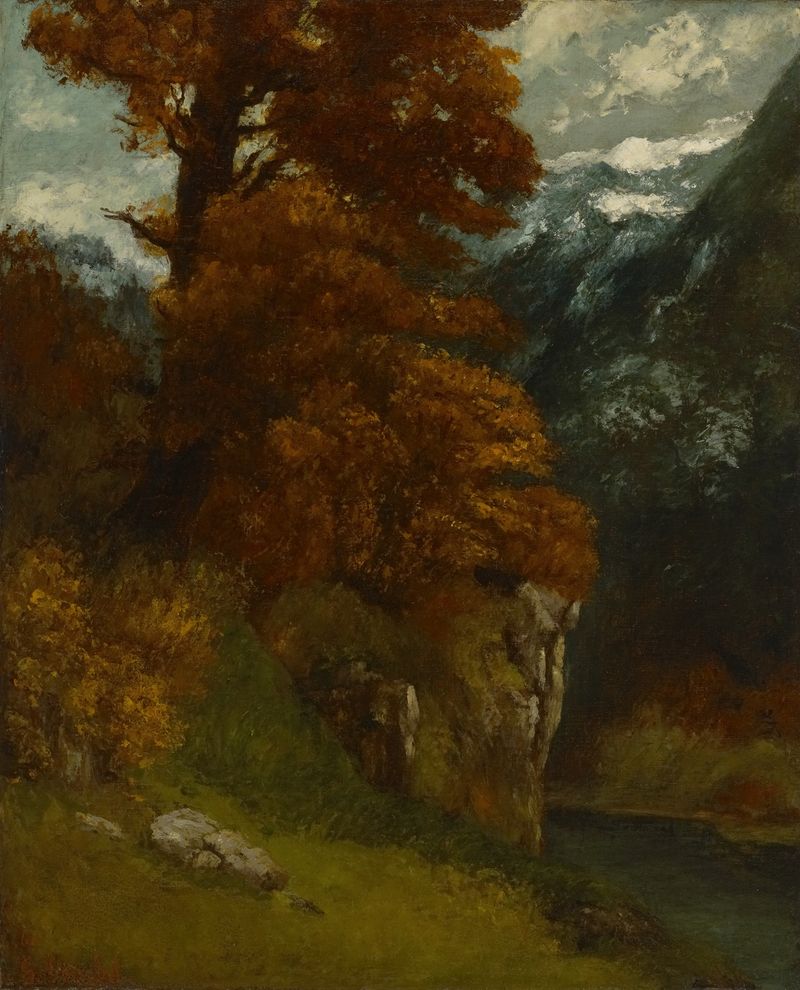
The Glen at Ornans (Bords du Doubs; Effet d’Automne)
Gustave Courbet
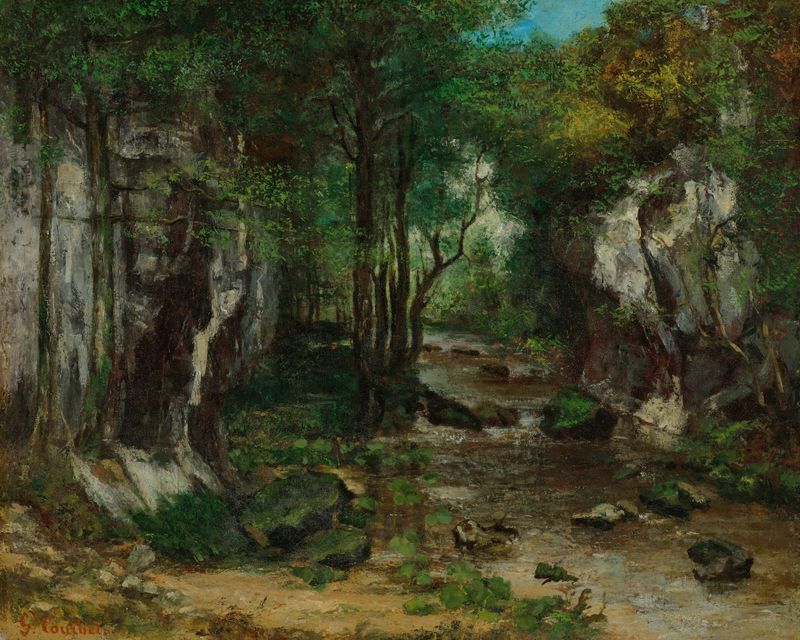
Le Ruisseau de Puits Noir
Gustave Courbet
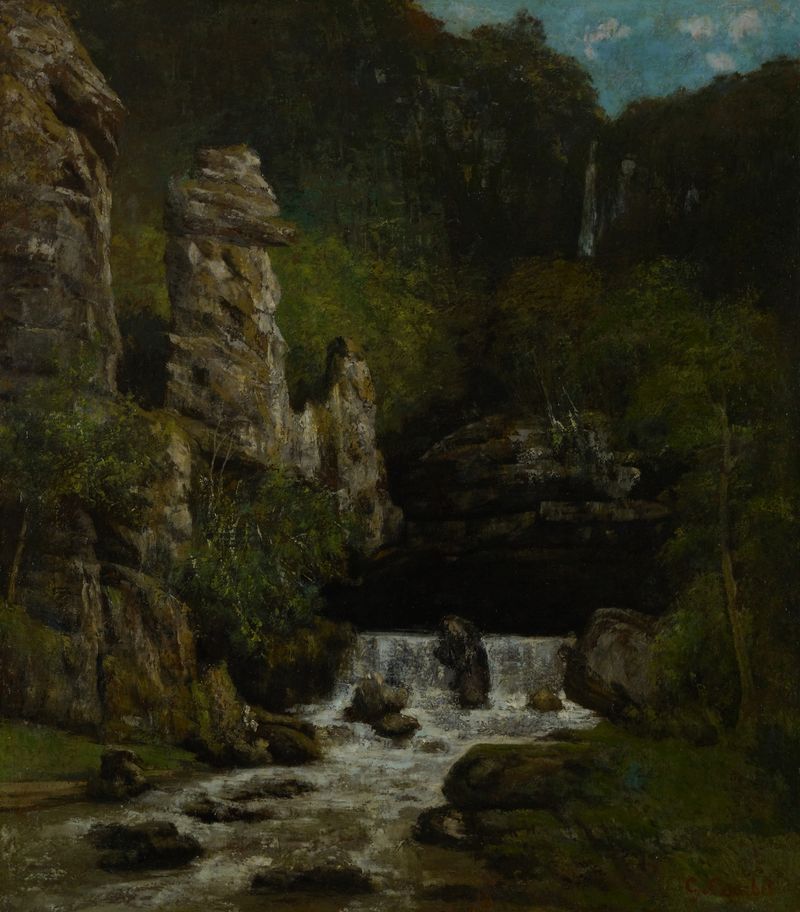
Landscape with a Waterfall
Gustave Courbet





