
View of Algiers — History & Facts
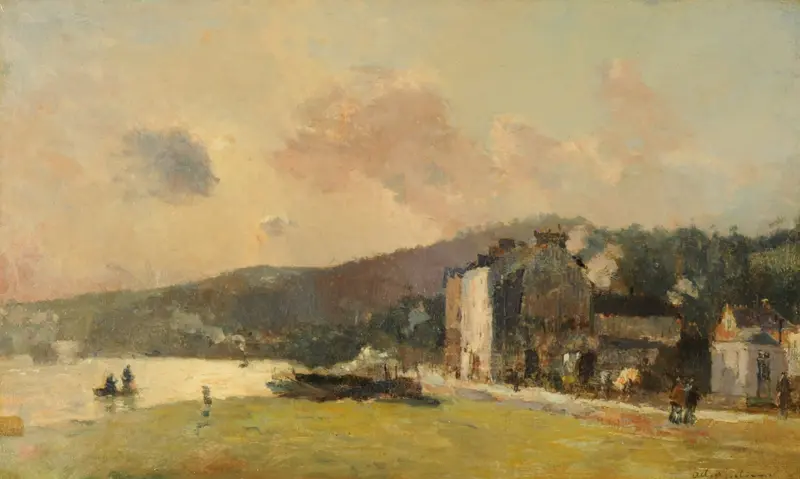
A haze of warm, shifting light washes over the port city, as if the painter has caught Algiers in the act of waking. The skyline is rendered in broad, swift strokes, the forms of domes, towers, and masts just emerging from the morning mist. The brushwork is loose, almost impatient, yet every mark is purposeful: the vertical thrust of the minaret, the horizontal sweep of the harbor wall, the scattered rigging of boats.
The palette is soft, dominated by ochres, pinks, and pale blues, so that the sky and water seem to merge, blurring the boundary between earth and air. Look closely at the water—those broken reflections are not mere accident, but a record of fleeting light, the city’s silhouette trembling on the surface. Albert Charles Lebourg belonged to a generation of artists entranced by atmosphere and the changing face of the city, and his views of North Africa are prized for their immediacy and restraint. Works like this, now in the Museum of Fine Arts Ghent, were often painted for collectors who craved glimpses of distant ports and the romance of the Mediterranean.
In the late nineteenth and early twentieth centuries, European painters flocked to places like Algiers, drawn by the promise of new light and color, and their paintings became souvenirs of a world in flux—colonial, cosmopolitan, and rapidly modernizing. History has kept few traces of this particular canvas’s journey, but its quiet poetry invites us to linger, searching for stories in the shimmer of paint.
More Artworks by Albert Charles Lebourg

Le Jardin du Docteur Viau
Albert Charles Lebourg
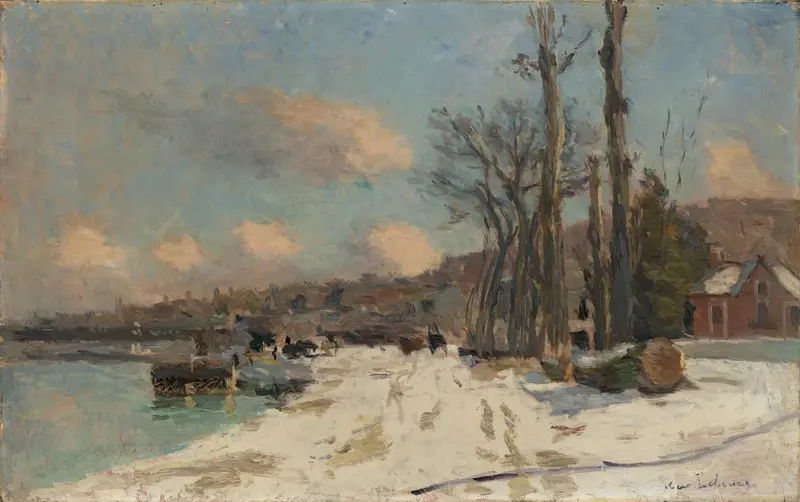
Snow Scene at Bougival
Albert Charles Lebourg
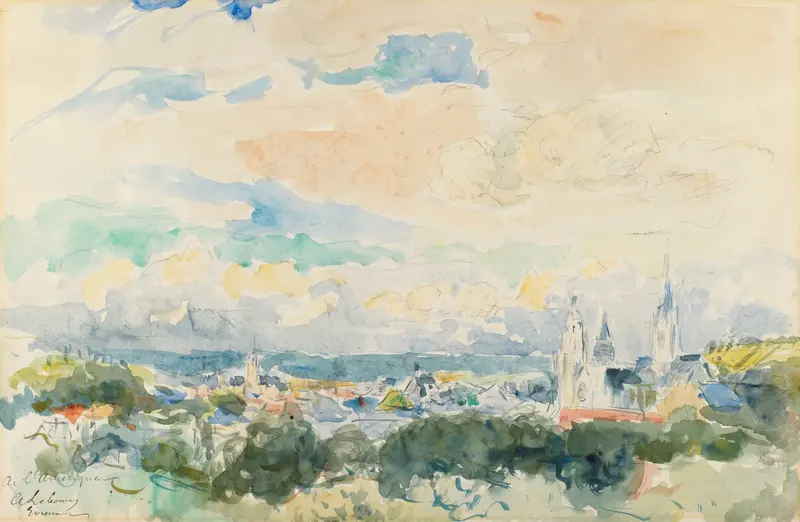
Sketch of a Village
Albert Charles Lebourg
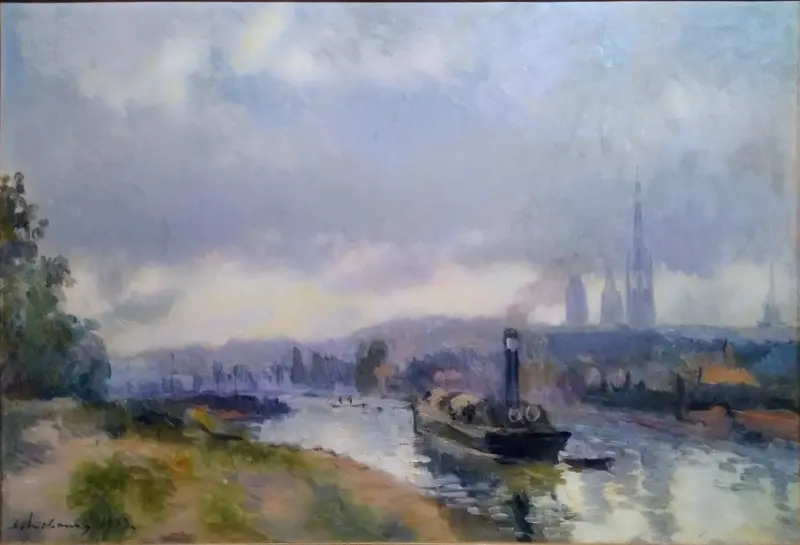
Remorqueurs à Rouen
Albert Charles Lebourg
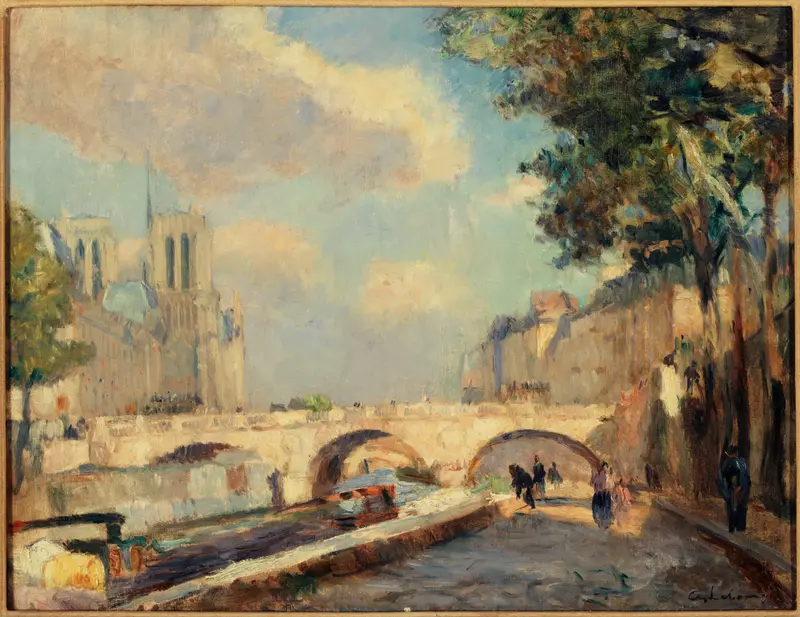
Le pont Saint Michel et Notre Dame, vus du quai des Grands Augustins P459 Musée Carnavalet
Albert Charles Lebourg
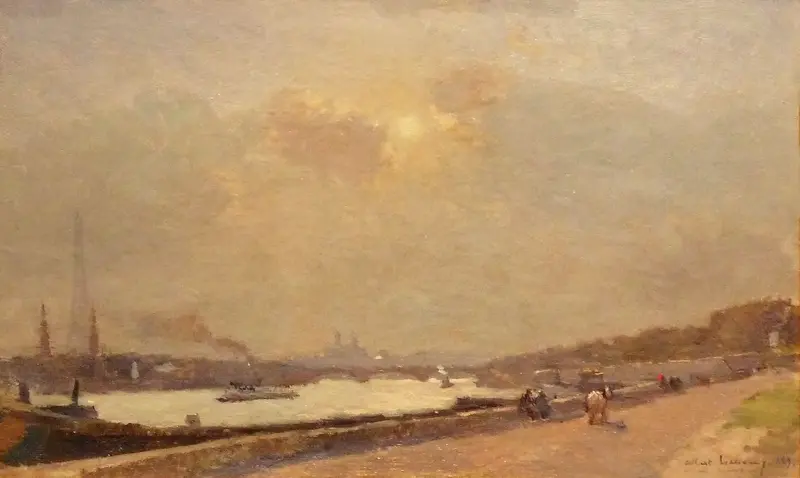
Banks of the Seine, Cours La Reine
Albert Charles Lebourg
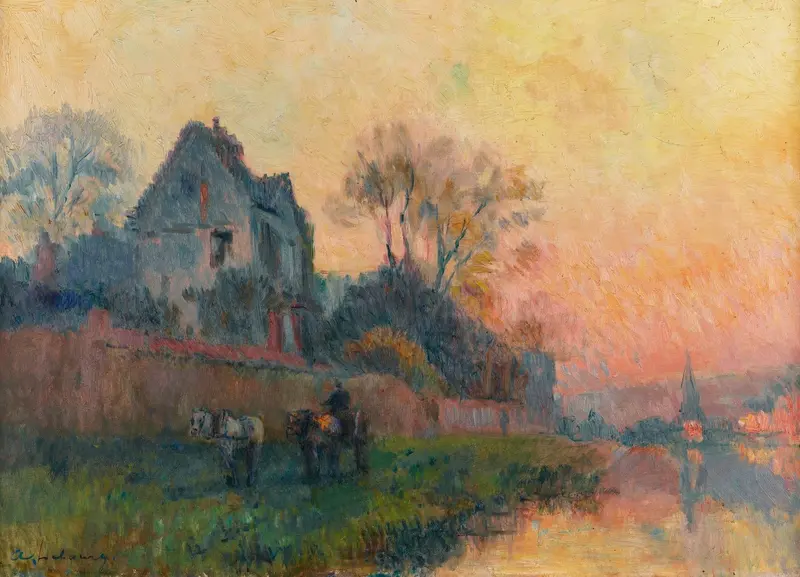
Bords de Seine à Chatou, oil on canvas, 46.4 by 65.1cm, 18.25 by 25.6 in
Albert Charles Lebourg
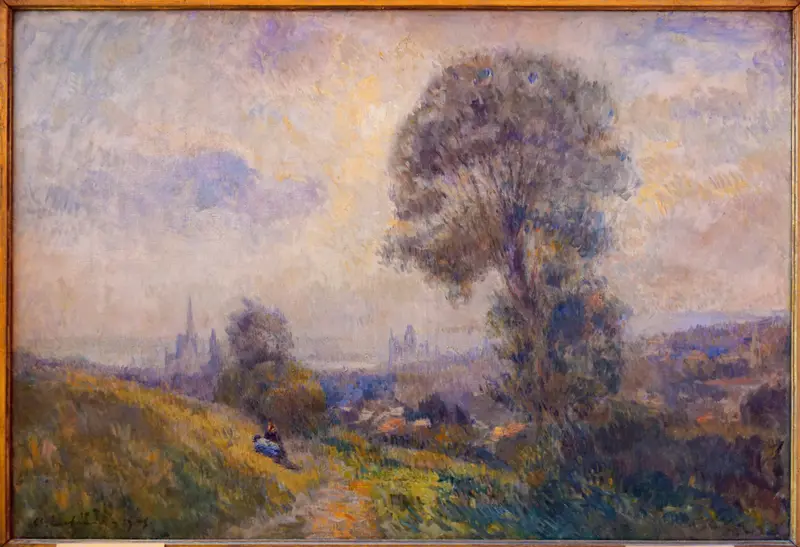
Camaret. The Harbor During a Thunderstorm
Albert Charles Lebourg
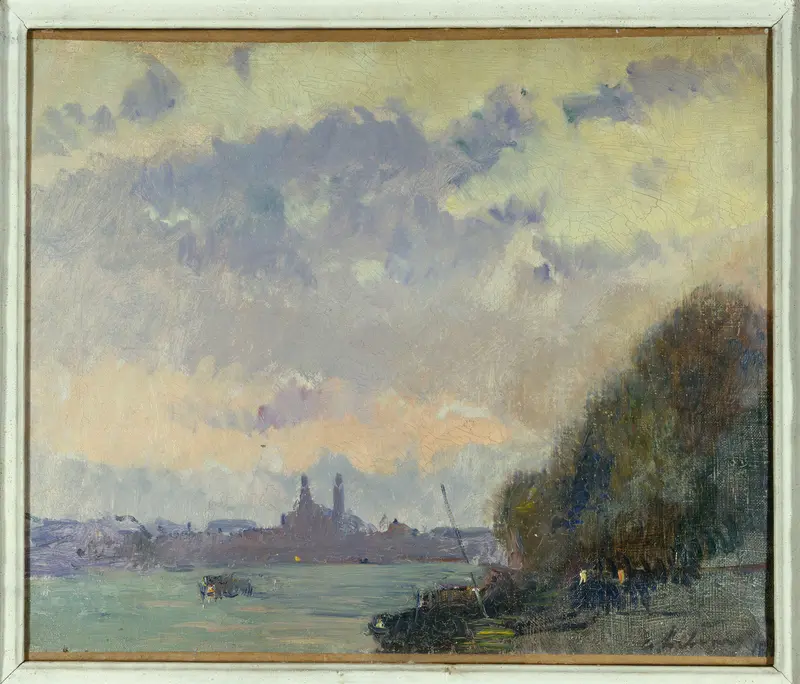
La Seine et l'ancien Trocadéro P2269 Musée Carnavalet
Albert Charles Lebourg
La Seine à Croisset, près de Rouen
Albert Charles Lebourg
More Landscape Art

The Starry Night
Vincent van Gogh

View of Delft
Johannes Vermeer

Water Lilies
Claude Monet

The Grand Canal, Venice, looking north-west from the Ca' Corner to the Ca' Contarini degli Scrigni, with the campanile of Santa Maria della Carità
Canaletto

Windsor Castle
Canaletto

The Grand Canal looking North-East from the Palazzo Dolfin-Manin to the Rialto Bridge
Canaletto