View of Egmond aan Zee — History & Analysis
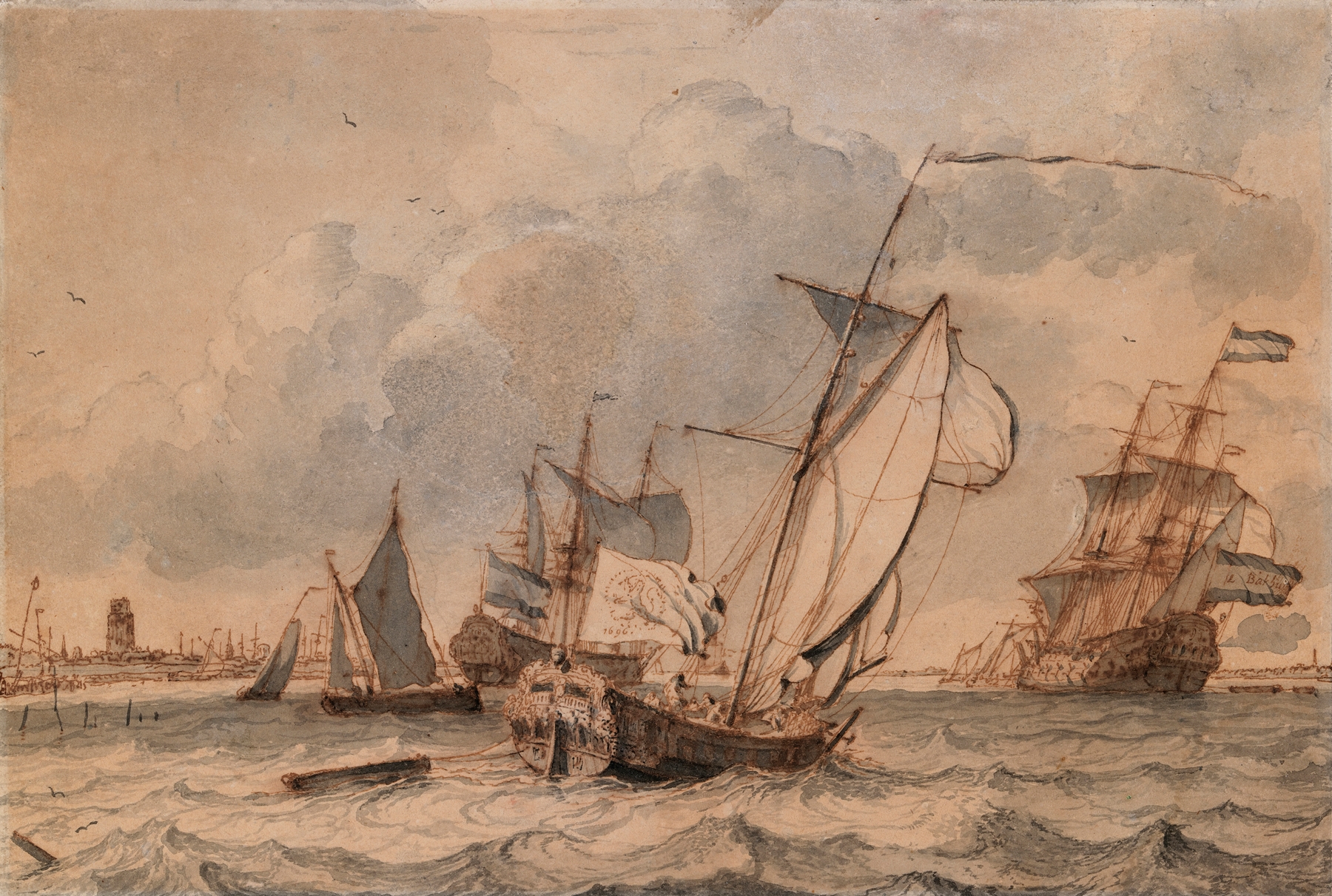
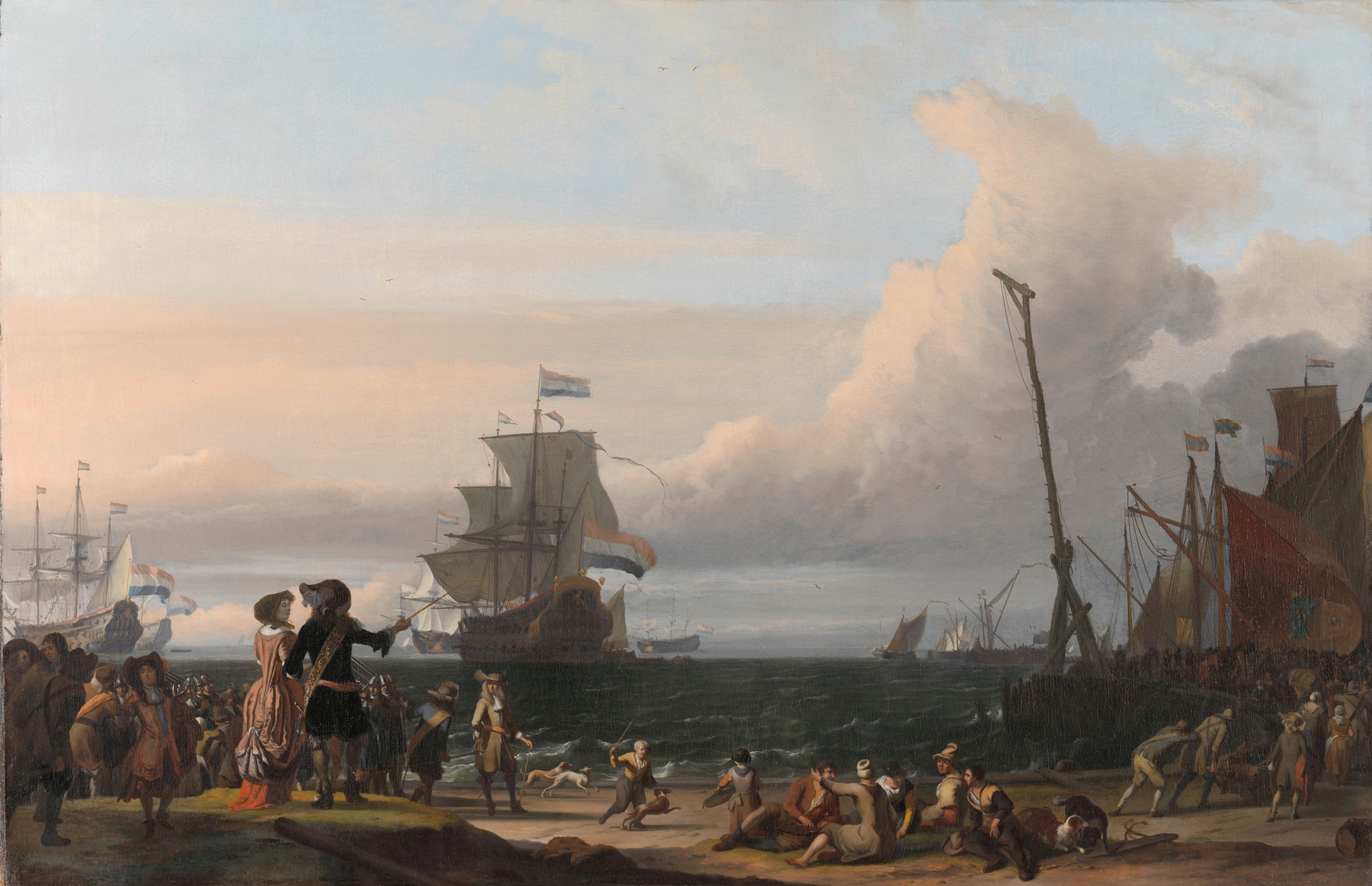
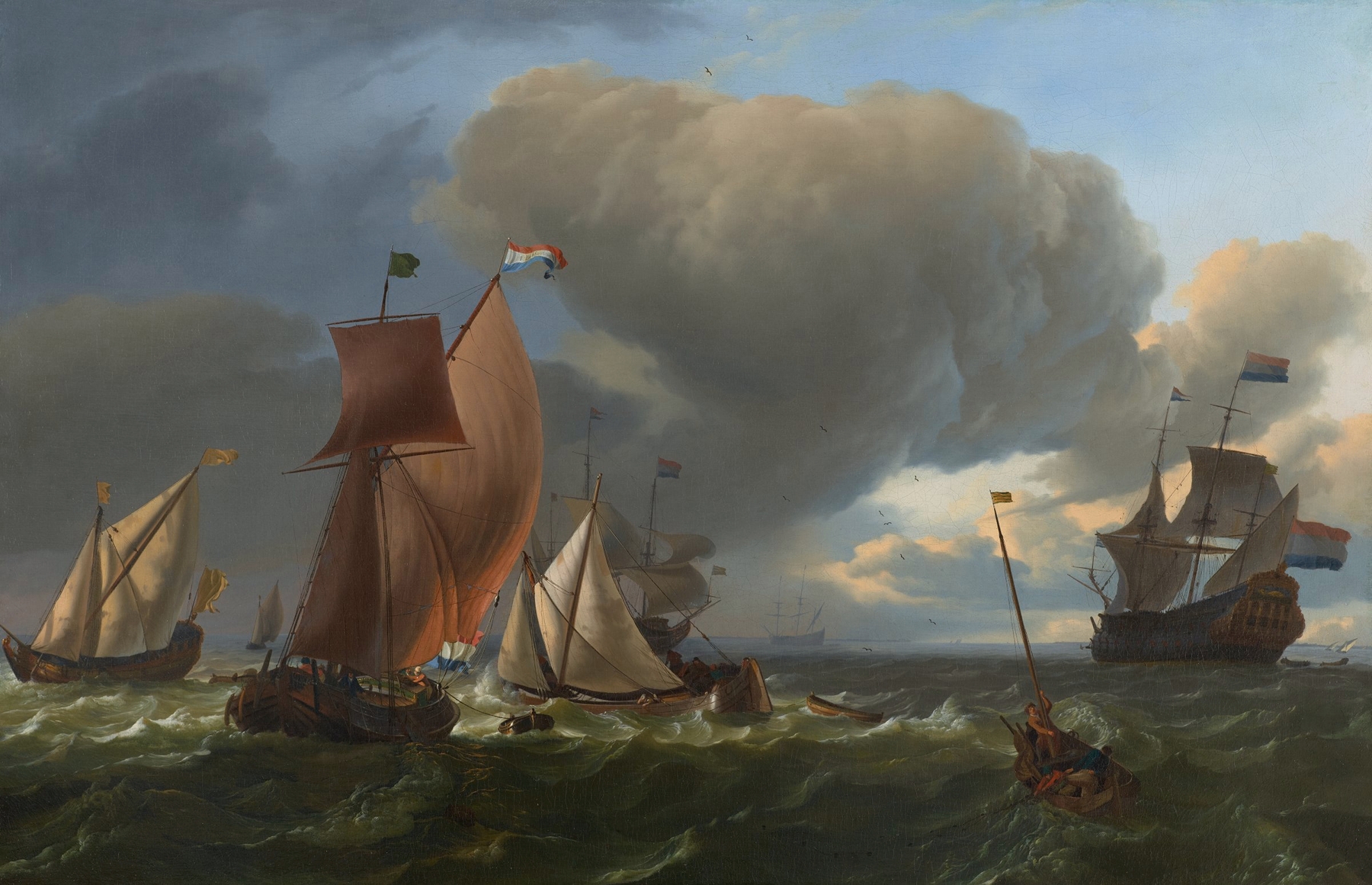
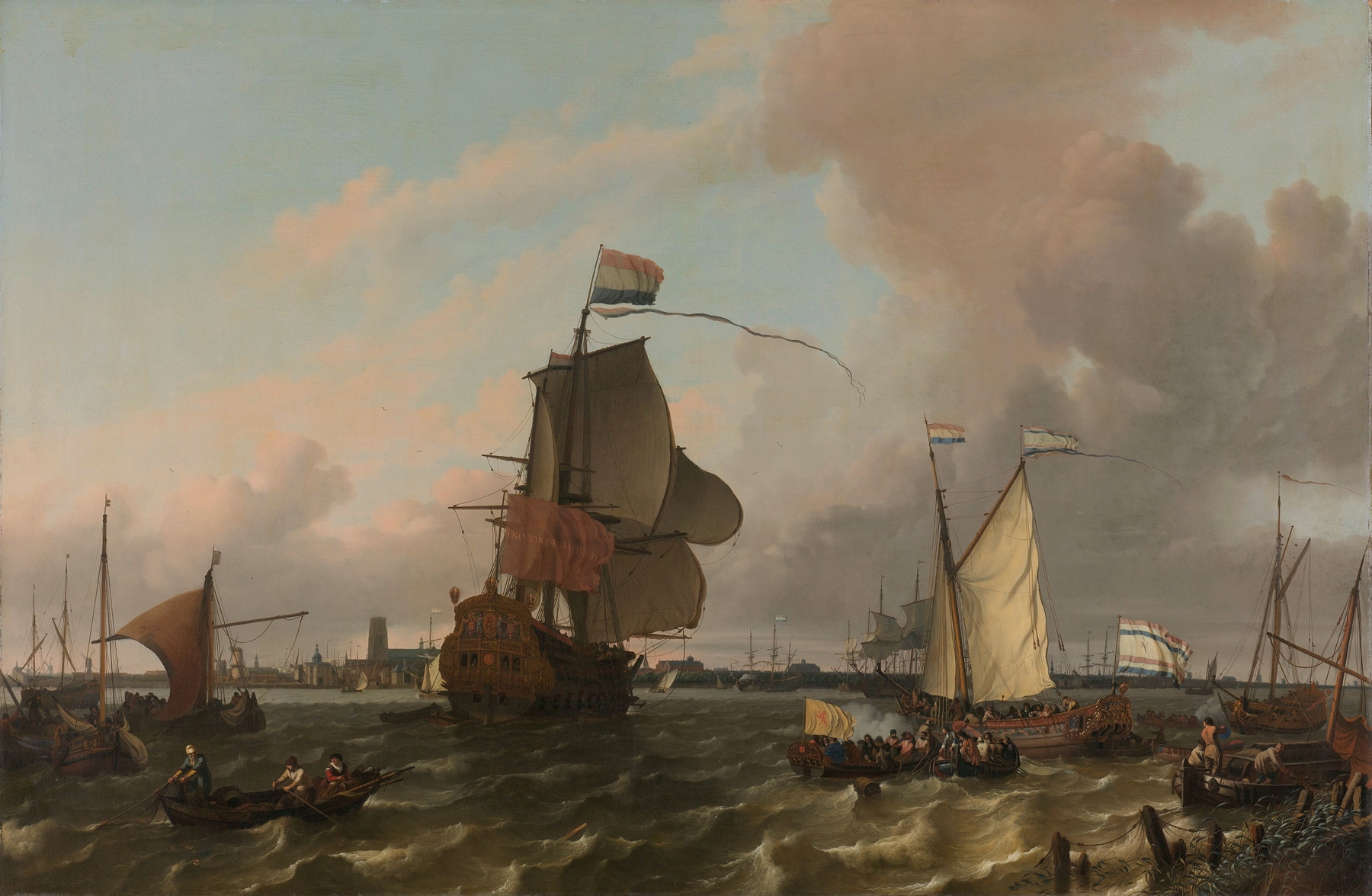
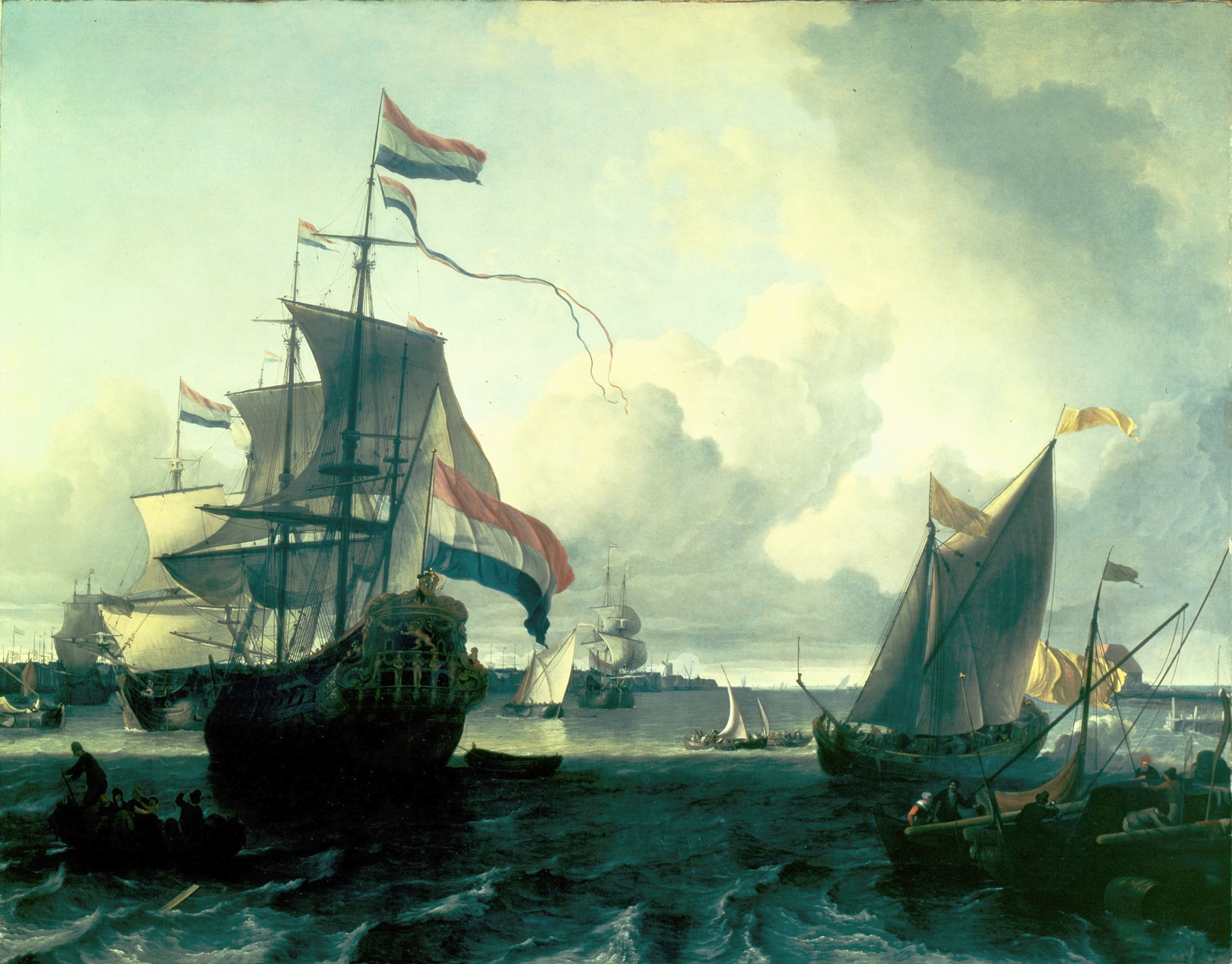
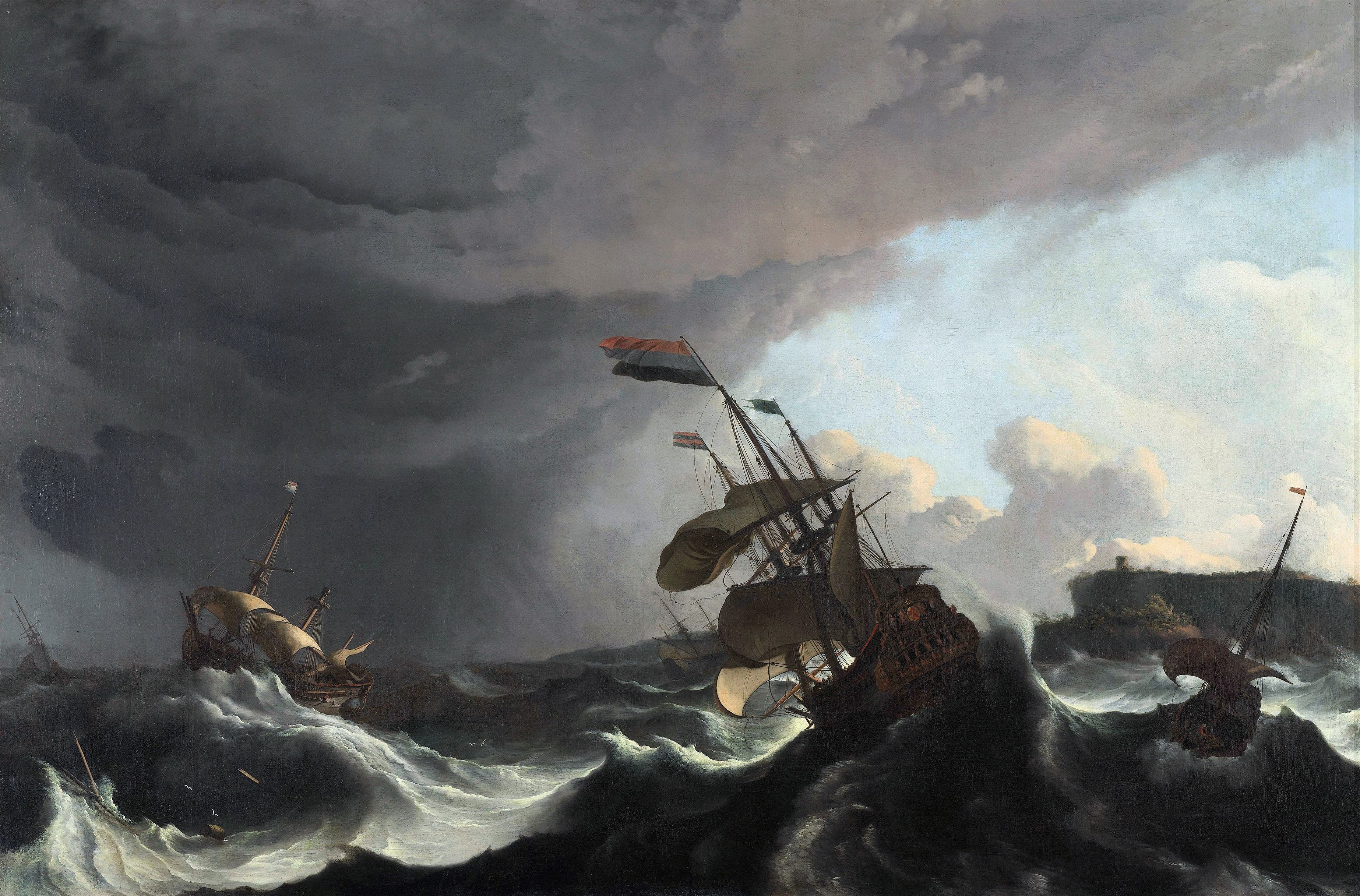
Could a single brushstroke hold eternity? In View of Egmond aan Zee, the answer lies within the tranquil yet powerful embrace of nature, reflecting a divine presence in every wave and cloud. Look to the horizon, where the gentle embrace of the sea meets the sky; it’s a masterful gradient of deep blues and warm whites, breathing life into the canvas. Focus on the intricate dance of light as it glimmers on the water's surface, revealing Backhuysen’s expert technique.
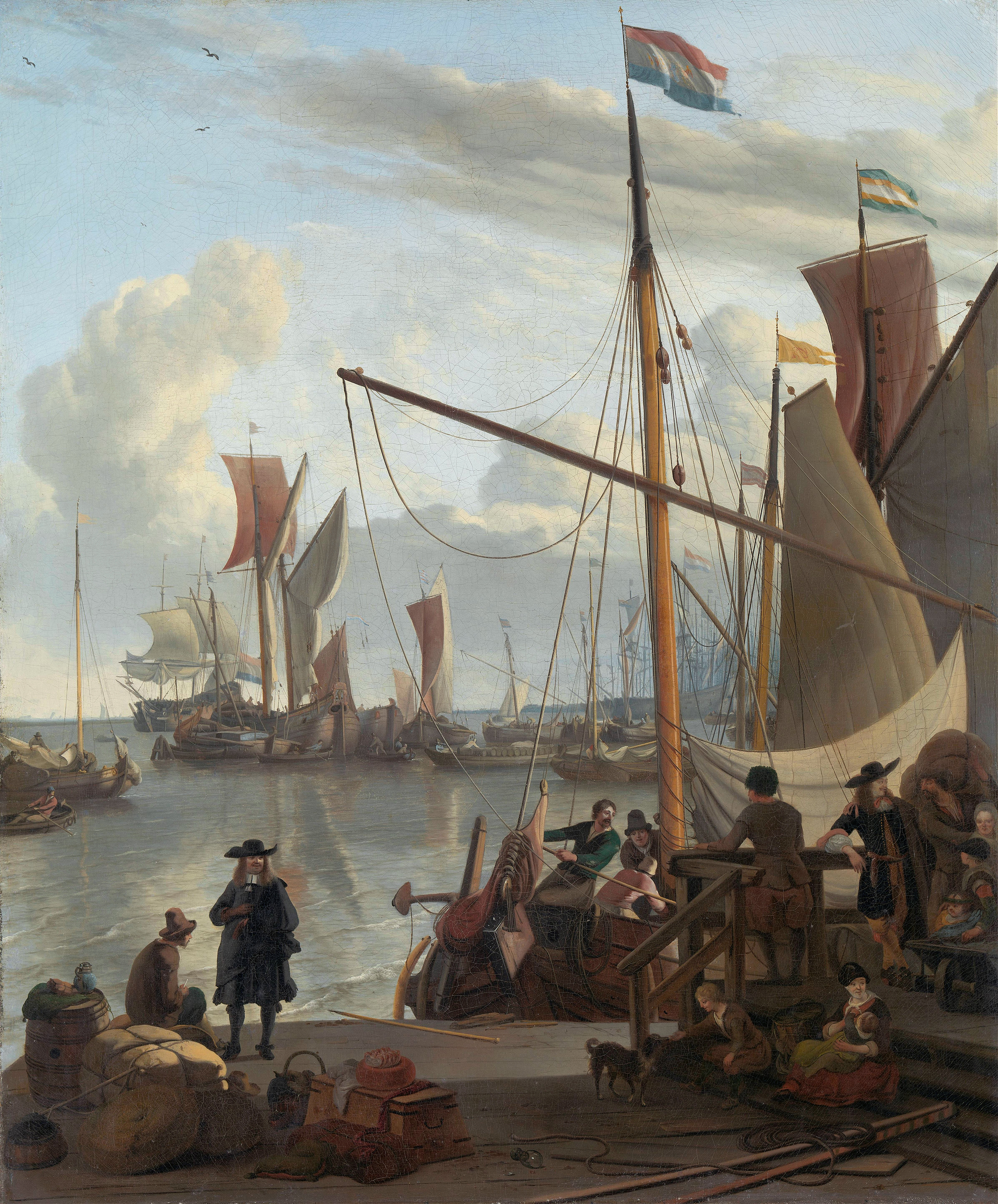
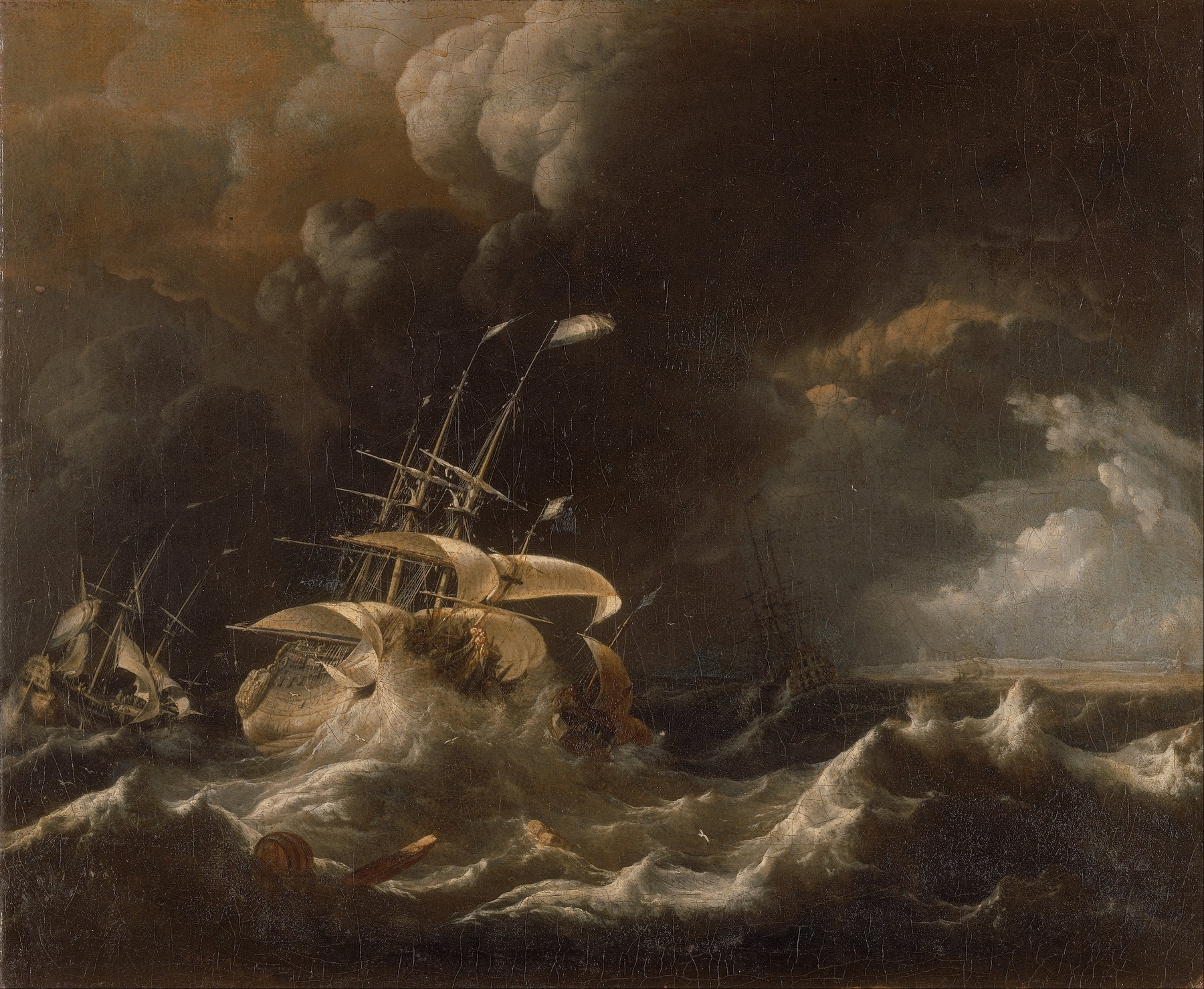
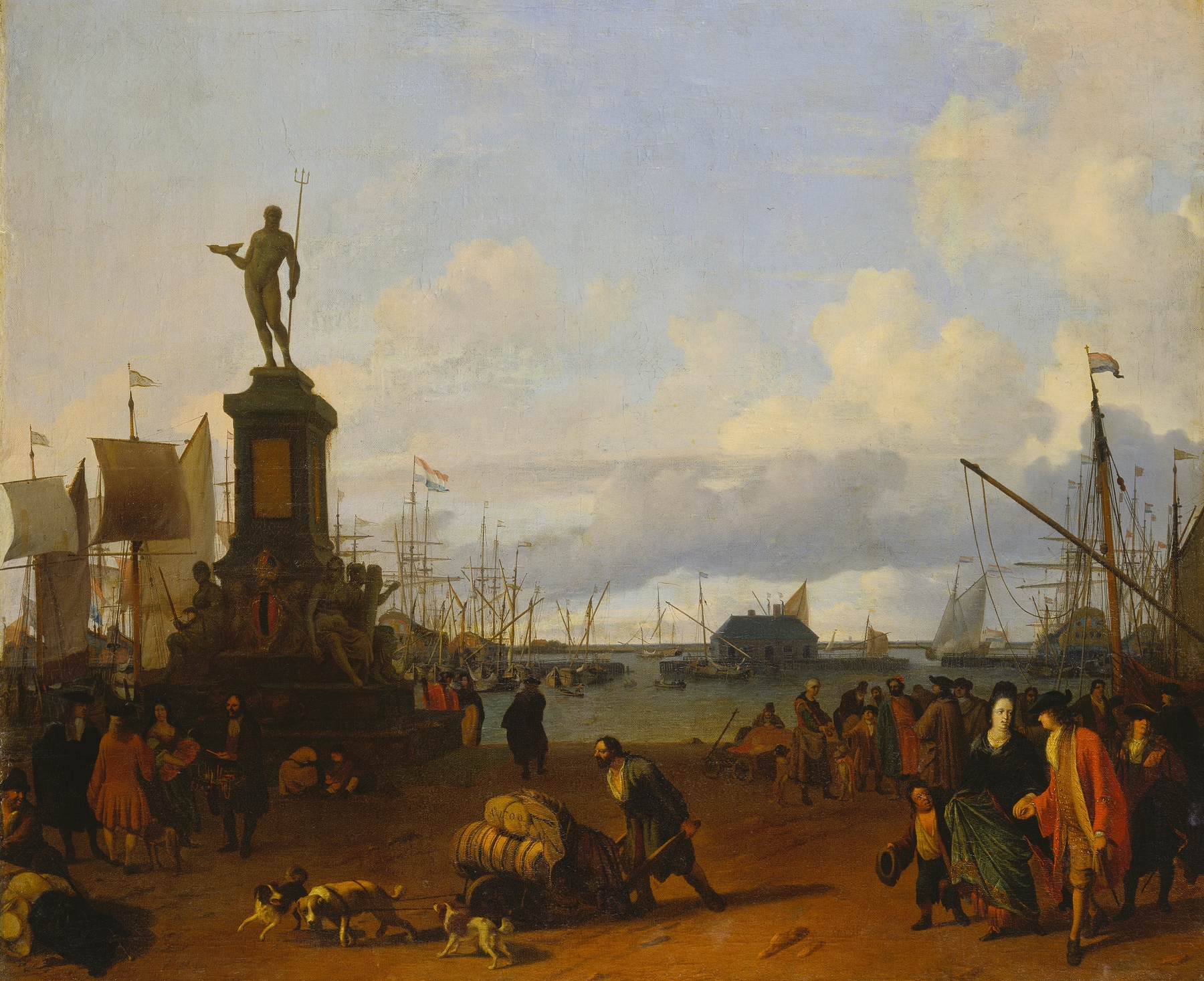
The clouds, painted with delicate strokes that suggest movement, invite your eyes to wander across the expansive sky, while the detailed figures on the shore remind us of humanity's smallness against nature's grandeur. Hidden beneath the surface, themes of transience and permanence emerge. The churning waves embody the passage of time, juxtaposed with the steadfastness of the distant land. The figures, mere participants in this vast scene, evoke a sense of humility, their humble existence set against the majestic backdrop.
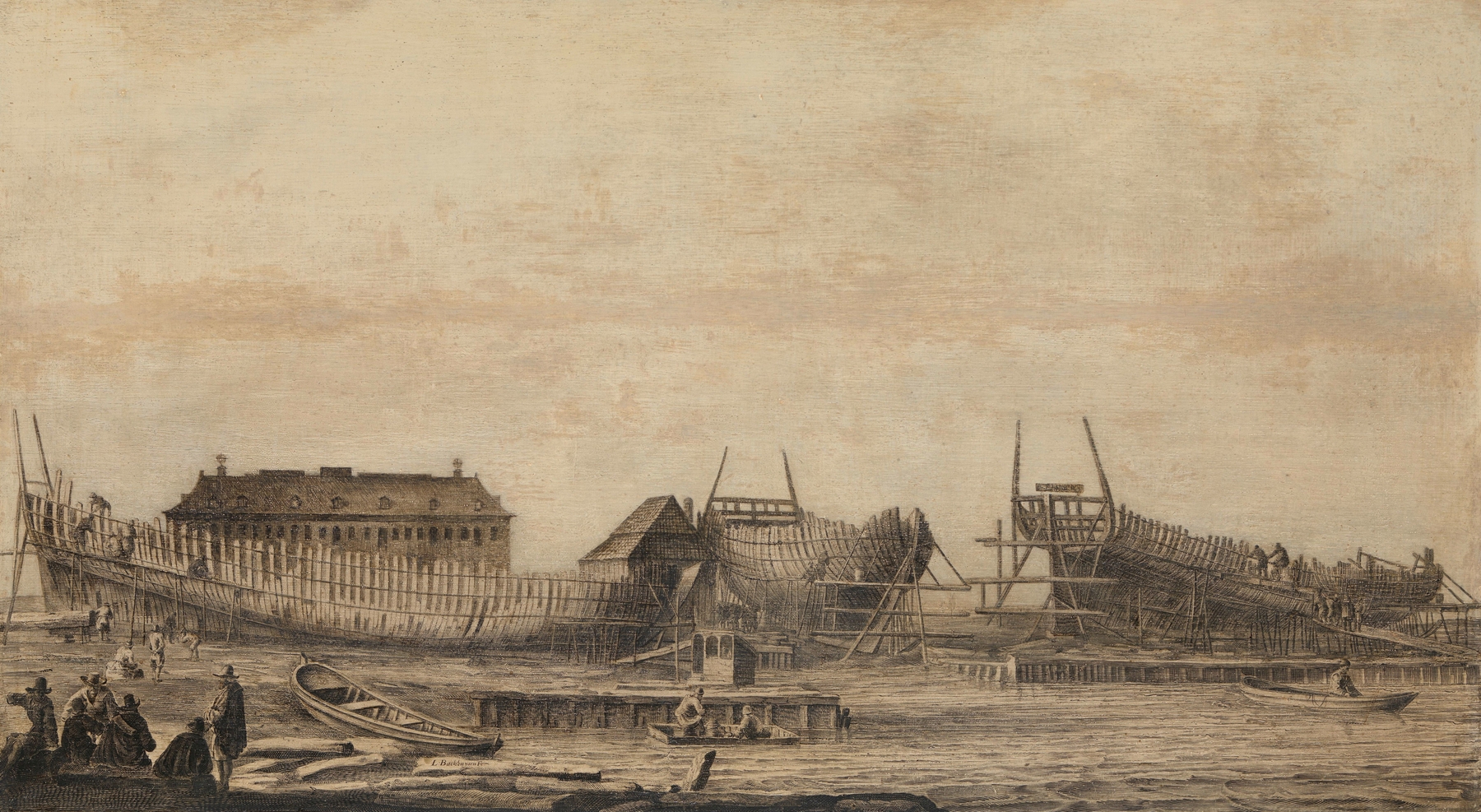
Each element in the composition whispers of divinity, echoing the delicate balance between nature’s ferocity and serenity. Created during the late 17th century, Backhuysen painted this work during a time of flourishing Dutch maritime trade and exploration. The artist, renowned for his vivid seascapes, captured the essence of coastal life while reflecting the period’s tension between mankind and the sublime forces of nature. This painting not only showcases his technical mastery but also signifies how the Dutch Golden Age celebrated both artistry and the divine spirit present in the world around them.