
View of Ghent — History & Facts
In the stillness of captured moments, we find time suspended, a delicate dance between memory and reality. Look to the center of the canvas, where the tranquil waters of the river mirror the fading light of day. This reflection creates a serene interplay of colors, with soft golds and muted blues that invite contemplation. The gentle strokes of the brush convey texture and depth, drawing the eye to the architectural elegance of Ghent, its spires reaching towards the heavens.
Notice how the light spills across the landscape, casting shadows that hint at the passage of time, reminding us of the day's quiet farewell. As you explore the edges of the composition, a narrative unfolds — the contrast between the stillness of the water and the vibrant life of the city. The distant figures, small against the grandeur of the buildings, symbolize the fleeting nature of existence, while the timeless architecture stands steadfast against the currents of change. There’s an emotional tension between the ephemeral and the eternal, evoking a sense of nostalgia for moments that have slipped away yet remain forever memorialized in this serene vista. In 1895, the artist found himself in the heart of Europe, amid a transformative era in art that celebrated both realism and impressionistic techniques.
Working primarily in Britain, he drew inspiration from the vibrant landscapes and urban settings of the continent. This was a time when artists began to explore the relationship between nature and human endeavor, capturing the essence of a world on the cusp of modernity, with View of Ghent serving as a testament to the beauty and impermanence of life.
More Artworks by William Callow
Browse all →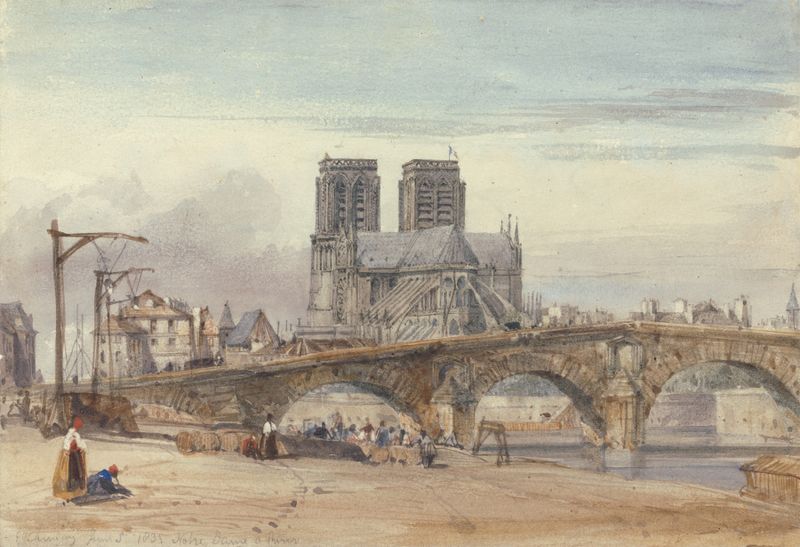
Notre Dame, Paris
William Callow
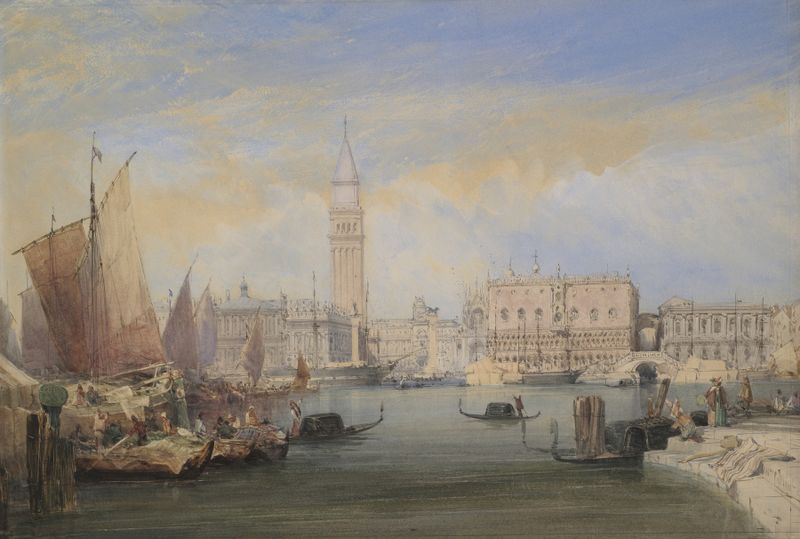
Venice from St. Giorgio
William Callow
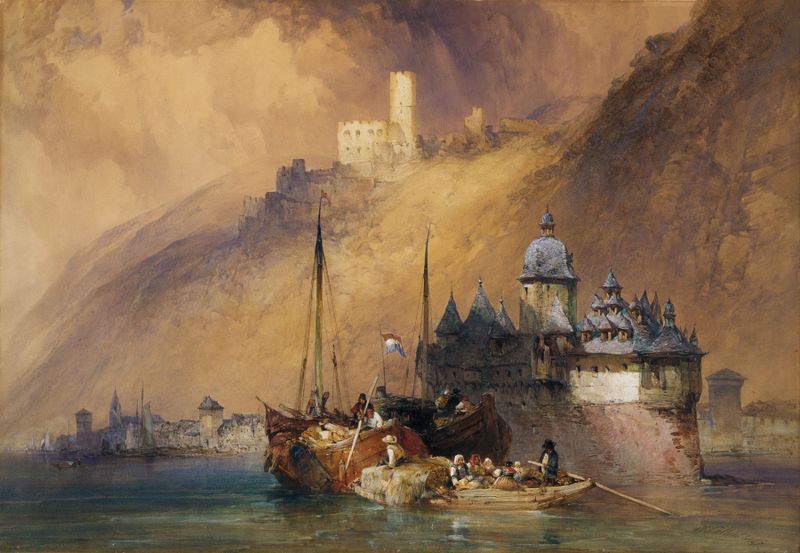
The Phalz Castle on the Rhine
William Callow

The Luxor, Paris, December 1833
William Callow

On the Wharfe, Bolton Abbey
William Callow

Caesar’s Tower, Warwick Castle
William Callow
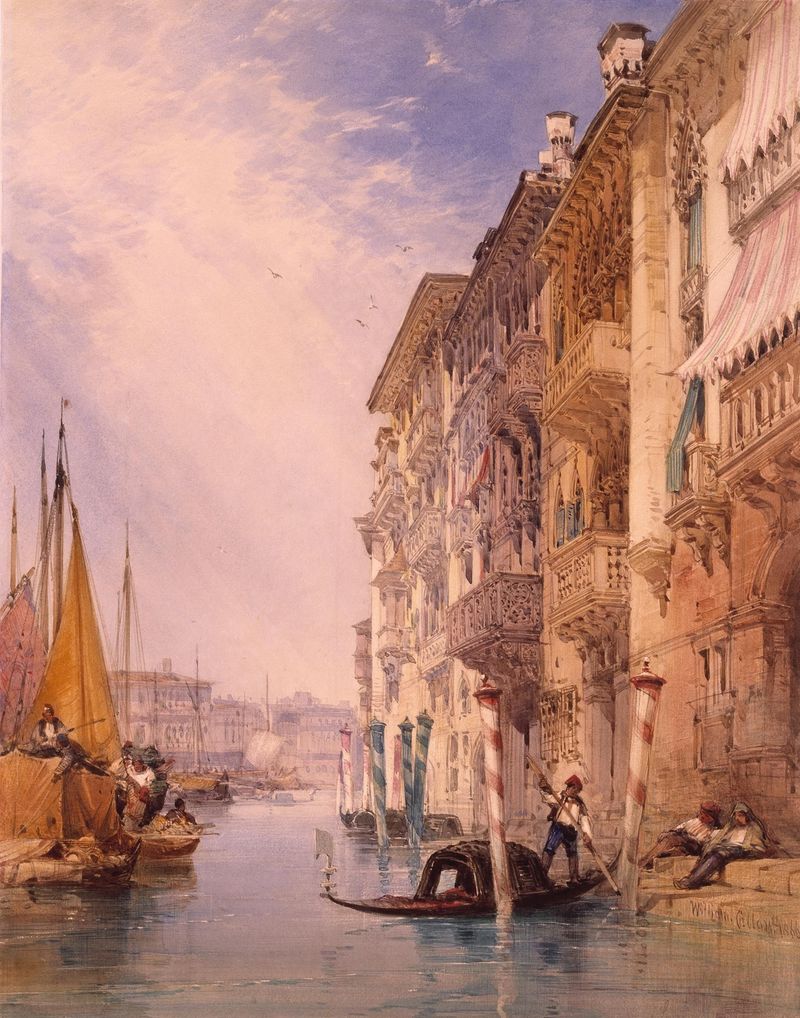
A Gondola on the Grand Canal, Venice
William Callow

Rheinfels and St. Goar
William Callow
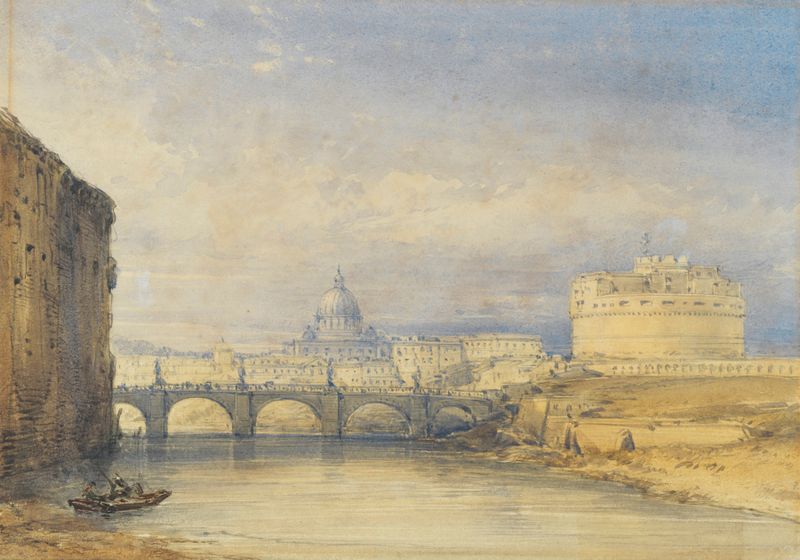
Castel Sant’Angelo, Rome
William Callow

Entering Harbour
William Callow





