
View of the Institut de France from the Foot of the Pont Royal — History & Facts
This sentiment captures the essence of a still moment, a silent encounter between the observer and the panorama. In View of the Institut de France from the Foot of the Pont Royal, the tranquil scene invites reflection on the delicate interplay of light and shadow. Look to the left, where the majestic outlines of the Institut rise against the calm water, their reflections shimmering like whispers on the surface. Notice how Harpignies balances the soft blues of the sky with the warm, golden hues of the architecture, creating a contrast that feels both serene and tense.
The gentle brushstrokes evoke a sense of movement, yet the scene remains anchored in stillness, urging the viewer to linger and absorb the beauty before them. Hidden within this composition lies a deeper narrative of longing and nostalgia. The stillness of the water suggests a pause in time, while the luminous buildings represent not just architectural grandeur but a yearning for permanence in a world that is ever-changing. The bridge in the foreground serves as a subtle reminder of the passage between the observer and the observed — a metaphor for the fleeting nature of beauty and memory. In 1870, Harpignies painted this piece amidst the cultural shifts of post-war France, where artistic expression was evolving in the face of modernity.
Living in a time of socio-political upheaval, he found solace in capturing landscapes that resonated with both the beauty and the melancholy of existence. This work stands as a testament to his ability to encapsulate the profound silence of a moment, inviting viewers to pause and reflect upon their own experiences of beauty and pain.
More Artworks by Henri-Joseph Harpignies
Browse all →
La Loire à Bonny
Henri-Joseph Harpignies
A Landscape with Figures Walking along a Path
Henri-Joseph Harpignies
Le jardin du Luxembourg
Henri-Joseph Harpignies
Paysage
Henri-Joseph Harpignies
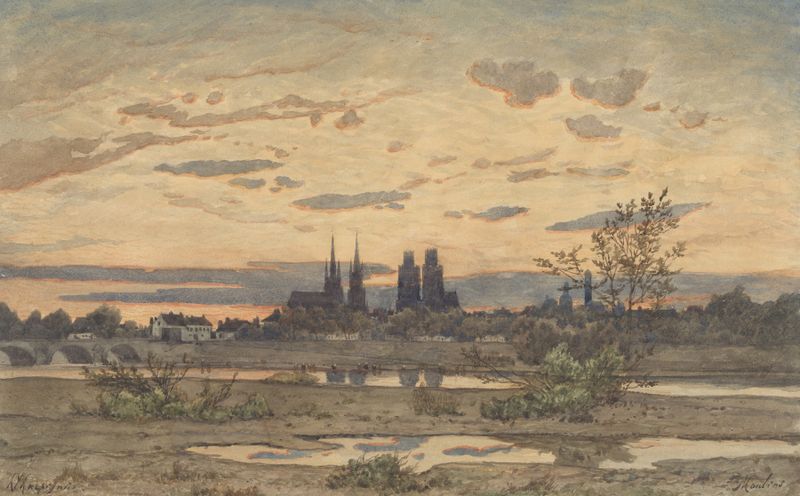
A View of Moulins
Henri-Joseph Harpignies
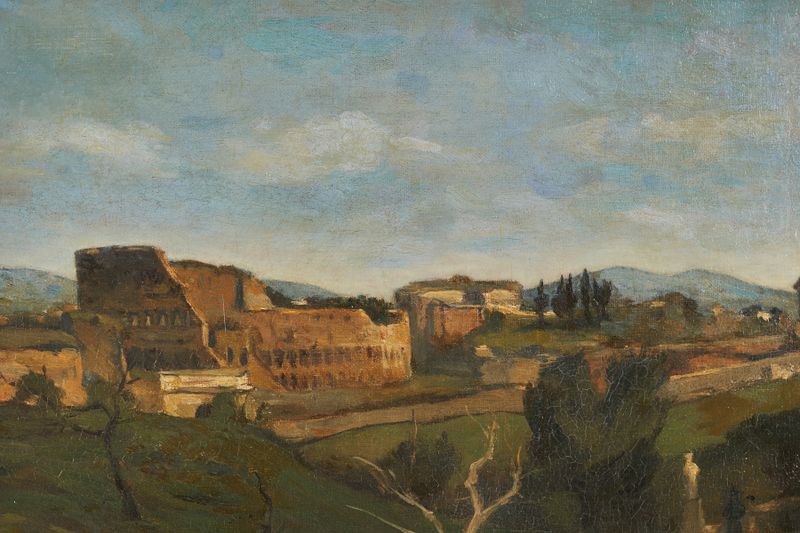
Le Colisée à Rome
Henri-Joseph Harpignies
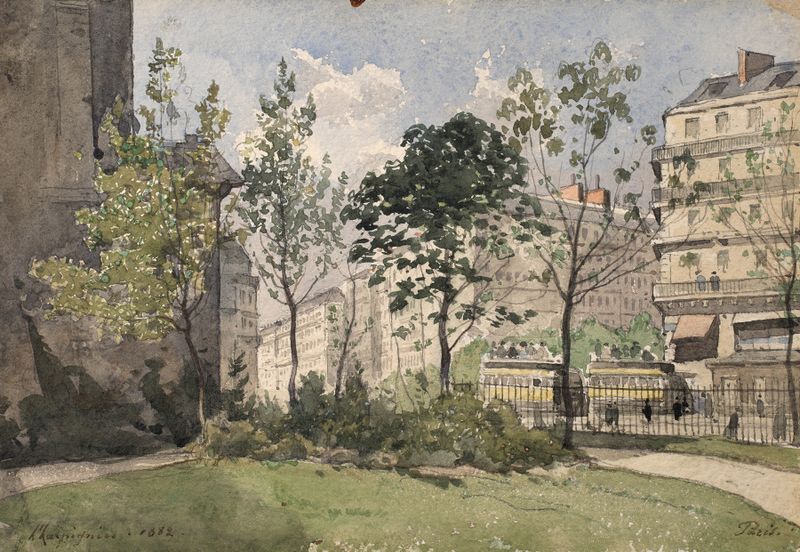
View of the forecourt of the Saint-Germain-des-Prés church
Henri-Joseph Harpignies
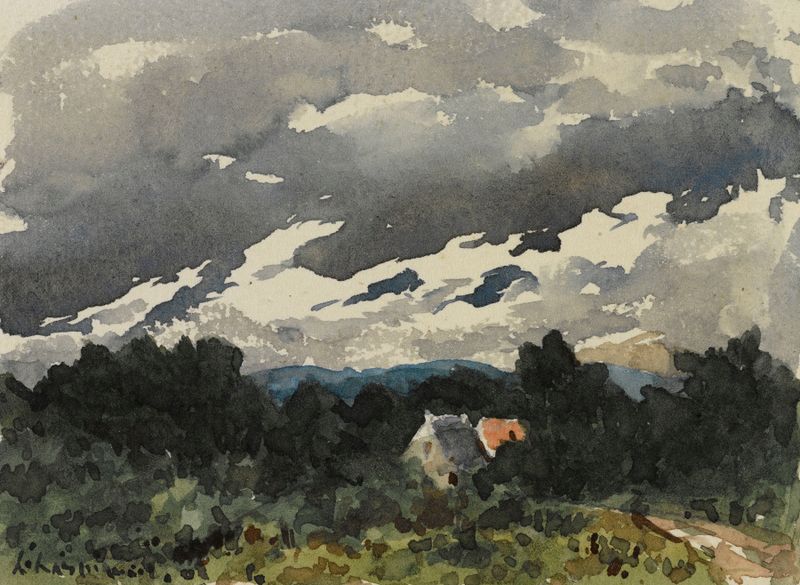
Paysage nuageux au crépuscule
Henri-Joseph Harpignies
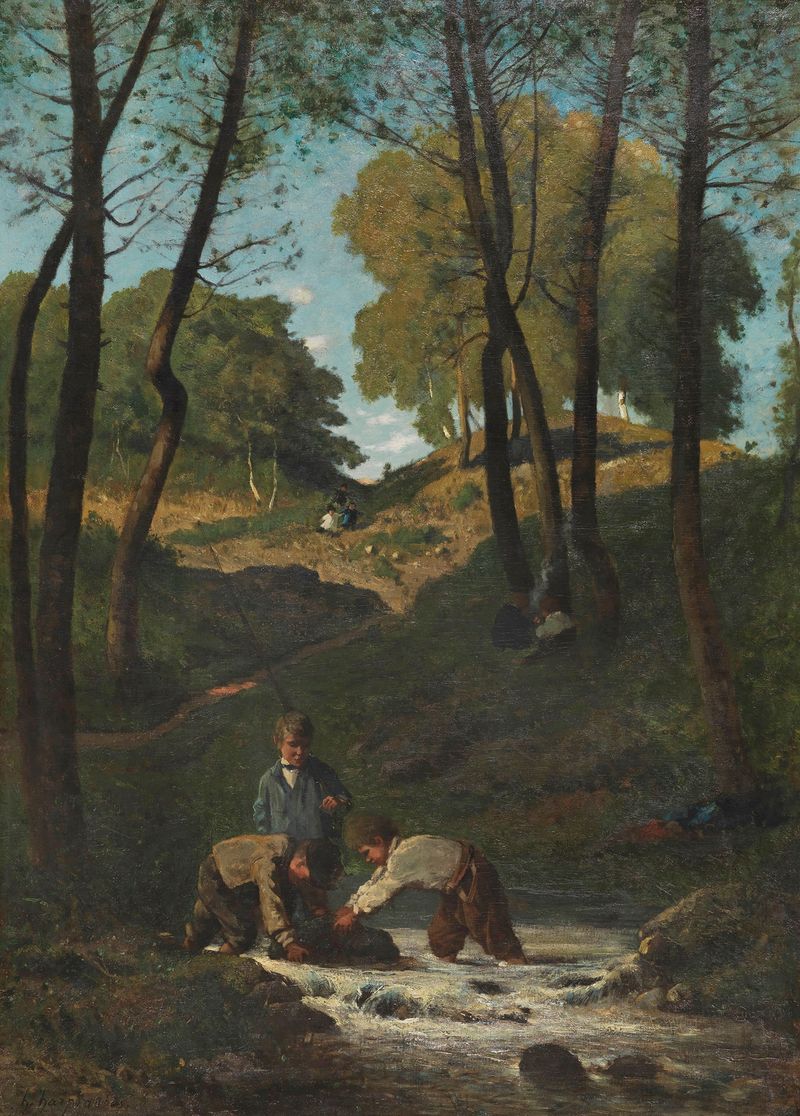
Chercheurs d’écrevisses
Henri-Joseph Harpignies
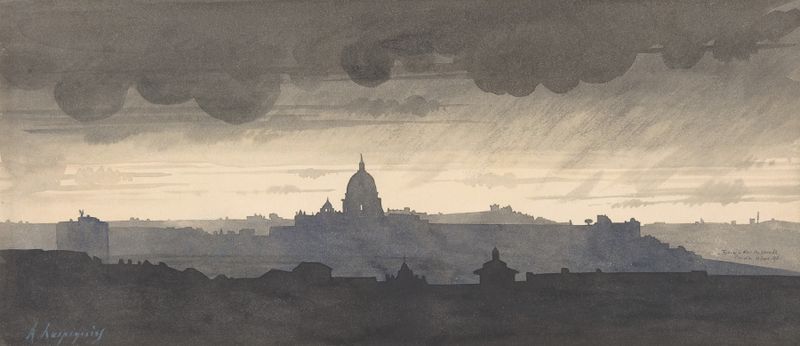
Saint Peter’s Seen From the Pincio, Rome
Henri-Joseph Harpignies





