
Vijf cherubijnen zittend op wolken — History & Facts
In its stillness, Vijf cherubijnen zittend op wolken evokes a profound sense of melancholy, as if the cherubs are suspended between the realms of joy and sorrow. Look to the center of the artwork where five cherubs languidly rest upon billowing clouds, their delicate forms rendered with exquisite detail. The soft pastel hues blend seamlessly, creating an ethereal atmosphere that invites contemplation. Notice how the gentle light illuminates their cherubic faces, casting subtle shadows that enhance their serene expressions, yet betray an underlying wistfulness.
Each figure is finely outlined, allowing the viewer’s eye to trace the contours of their features and the delicate folds of their garments. Upon closer inspection, the positioning of the cherubs reveals a poignant contrast between their innocent visages and their somber surroundings. A lighthearted interaction suggests camaraderie, yet their gazes drift off into the distance, hinting at an intangible longing. The clouds, while soft and inviting, also convey a sense of transience, echoing the fleeting nature of life and happiness.
Each element contributes to a quiet tension, merging the divine with the human experience of melancholy. Wenceslaus Hollar created this piece in 1646 in Prague, during a time marked by political unrest and cultural transformation in Europe. As an engraver and draughtsman, he was influenced by the Baroque movement, which emphasized emotion and detail. This particular work reflects his mastery of both technique and subject matter, combining the celestial and the earthly in a poignant exploration of human sentiment, capturing a moment that resonates with timeless beauty.
More Artworks by Wenceslaus Hollar
Browse all →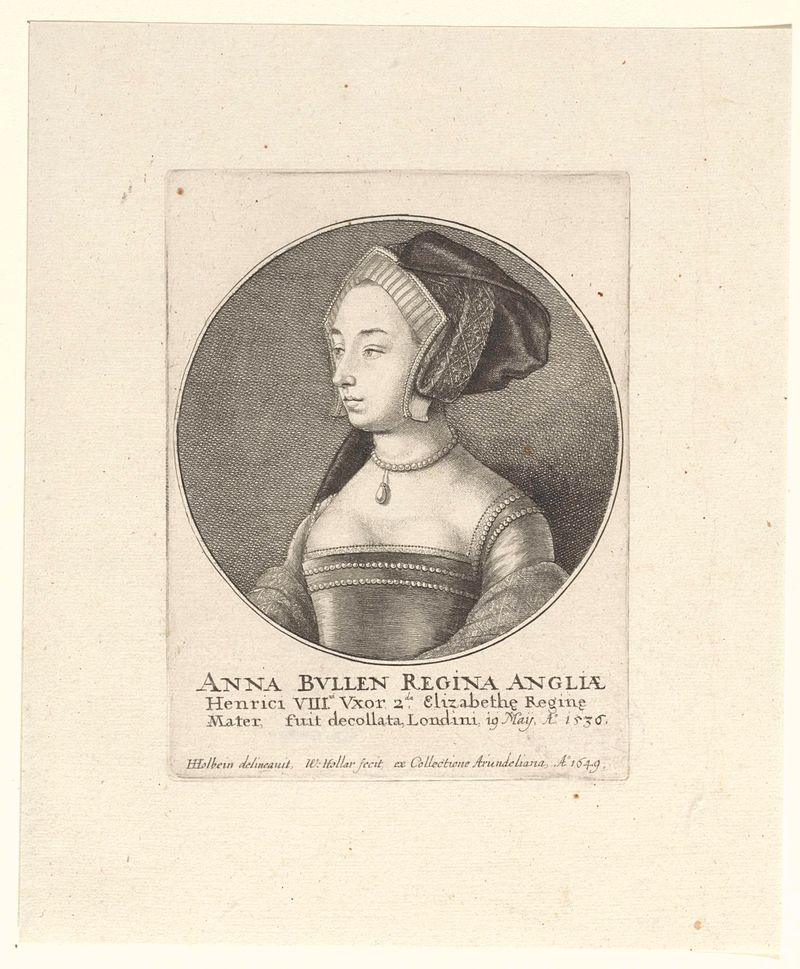
Portret van Anna Boleyn, koningin van Engeland
Wenceslaus Hollar
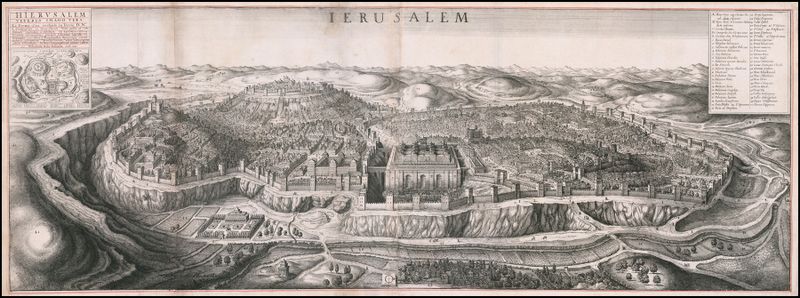
Bird’s eye view of Jerusalem
Wenceslaus Hollar
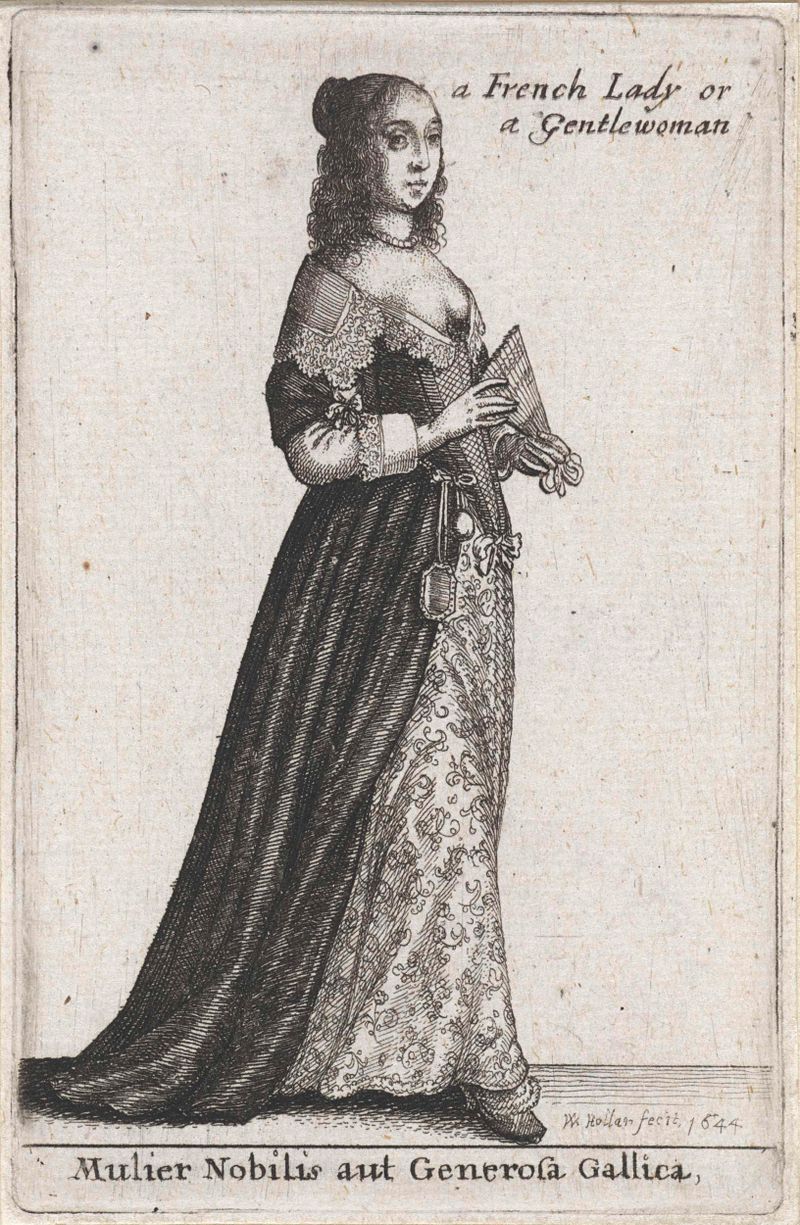
Mulier Nobilis aut Generosa Gallica / a French Lady or Gentlewoman
Wenceslaus Hollar
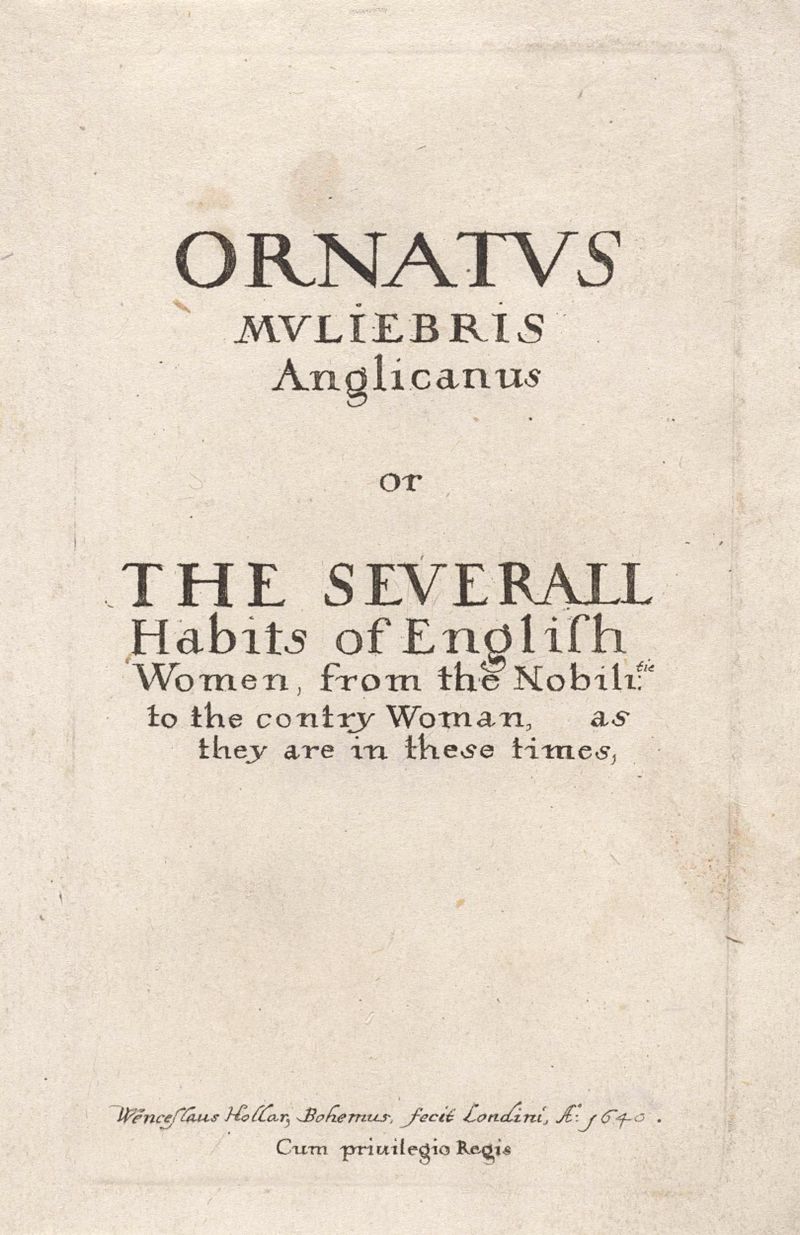
Titelprent voor: Ornatus Muliebris Anglicanus
Wenceslaus Hollar
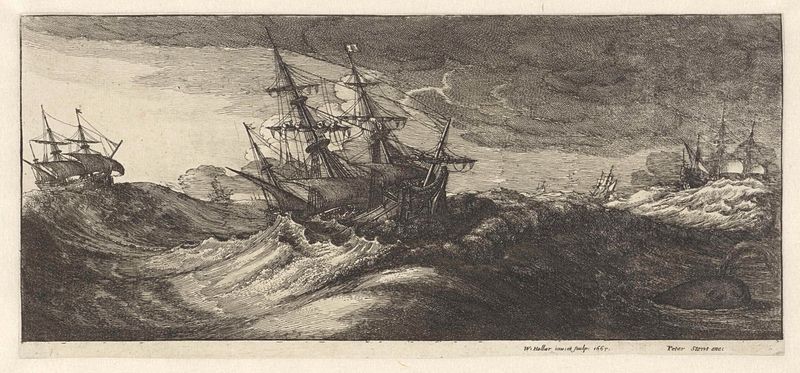
Oorlogsschepen en een walvis in een zeestorm
Wenceslaus Hollar
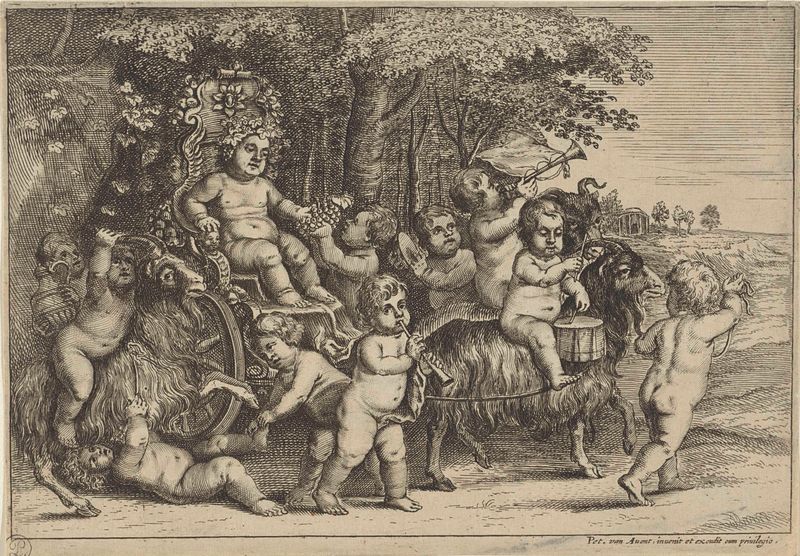
Optocht van bacchant en jongetjes op geiten
Wenceslaus Hollar
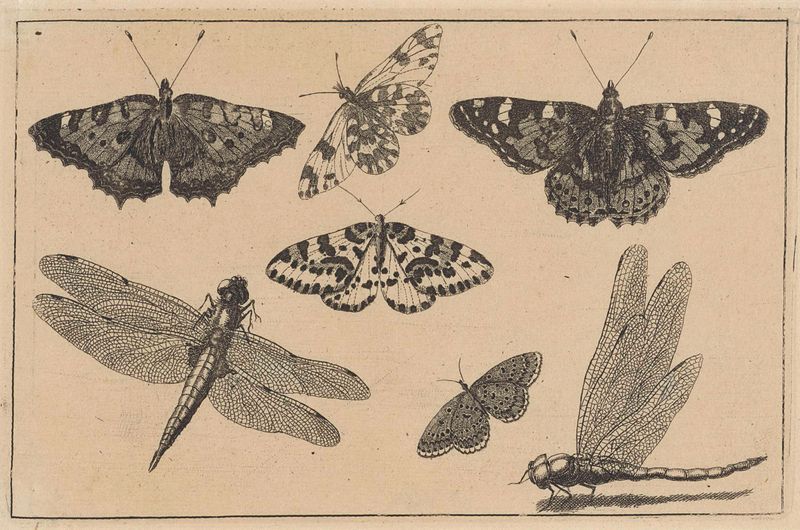
Twee libellen en vijf vlinders
Wenceslaus Hollar
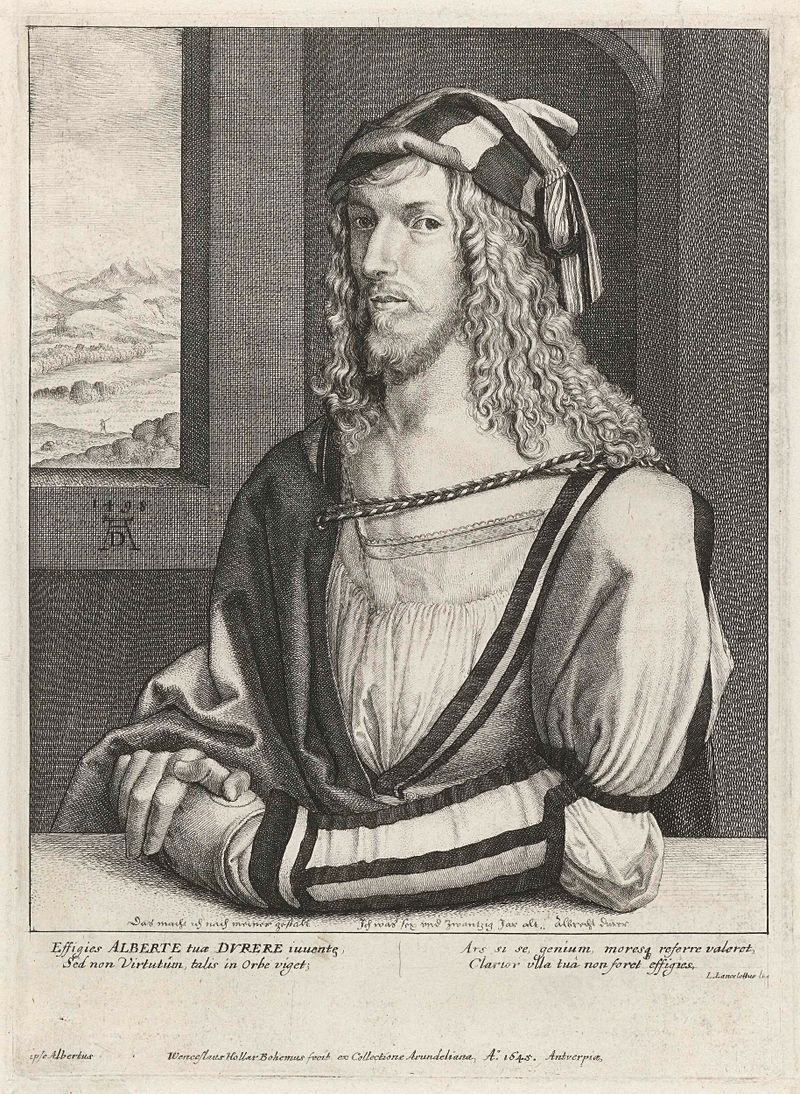
Portret van Albrecht Dürer
Wenceslaus Hollar
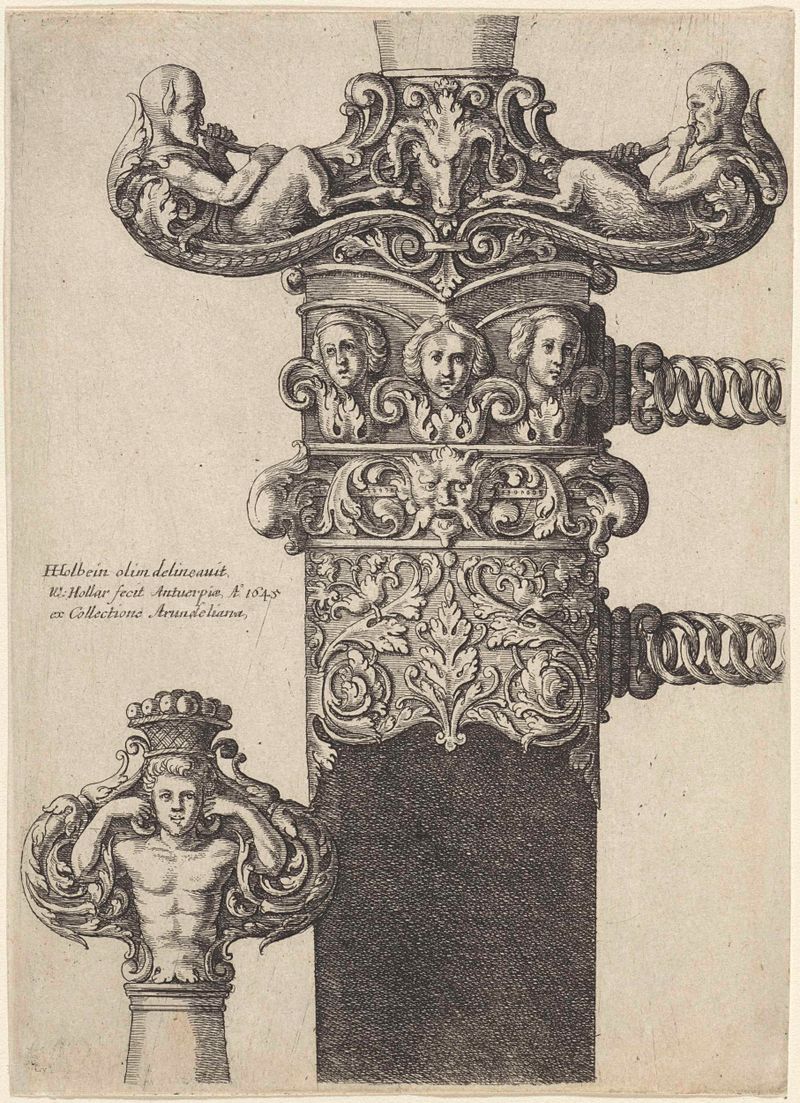
Ornamenteel ontwerp voor een dolk
Wenceslaus Hollar
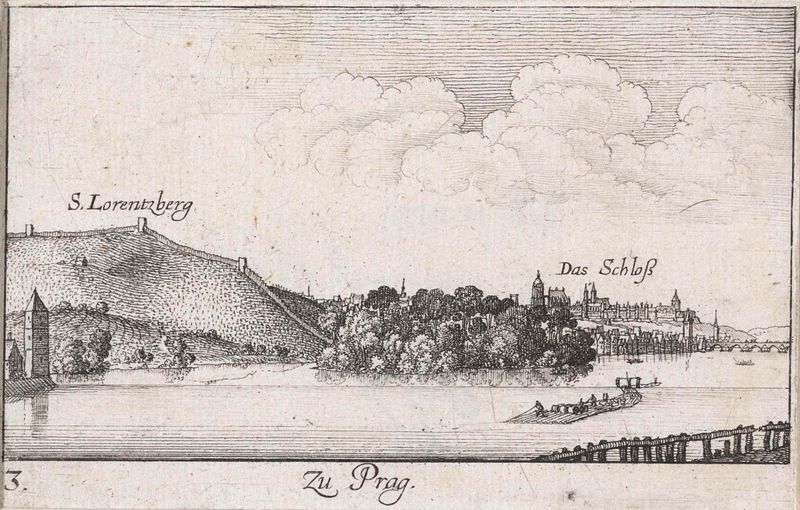
Gezicht op Praag vanaf de Moldau
Wenceslaus Hollar
More Religious Art
Browse all →
The Return of the Prodigal Son
Rembrandt van Rijn

The Garden of Earthly Delights
El Bosco

Count Orgaz’ funeral
El Greco

The Hundred Guilder Print: the central piece with Christ preaching, the plate arched
Rembrandt van Rijn

The Descent from the Cross
Rogier van der Weyden

The return of the prodigal son
Rembrandt van Rijn