
Villa Farnese With Gardens At Caprarola — History & Facts
The camera pans across a sprawling landscape, sunlight filtering through the leaves of ancient trees, casting playful shadows on the manicured gardens below. A stately villa, its classical architecture poised with grace, stands proudly against a bright cerulean sky. In this moment, time seems to hold its breath, inviting whispers of nature’s rebirth as well as the rich history encapsulated within these walls. Look to the left at the grand façade of the villa, expertly framed by verdant foliage that offers a sense of intimacy within the expansive composition.
The warm earthy tones of the building contrast beautifully with the vibrant greens of the gardens, drawing the eye deeper into the scene. Notice the careful arrangement of flowering plants and sculpted hedges, leading the viewer through an orchestrated sense of harmony, a deliberate dance of color and form that speaks to both nature and human artistry. Hidden within this vivid tableau is a delicate interplay between the permanence of the villa and the seasonal shifts of the gardens. The flourishing flora suggests vitality and new beginnings, while the sturdy structure evokes a sense of stability and endurance, hinting at the cyclical nature of life.
Each path carved through the greenery serves as a metaphor for the journey of rebirth, where the past informs the present, and each bloom is a testament to resilience and growth. Hubert Robert painted this captivating scene in the 18th century, a period marked by a burgeoning appreciation for classical architecture and landscape. Living in Paris during the Enlightenment, Robert's work was influenced by the ideals of beauty and nature, reflecting the harmony sought after in both art and life. This piece stands as a tribute to the ideals of his time, merging the elegance of human creation with the restorative power of the natural world.
More Artworks by Hubert Robert
Browse all →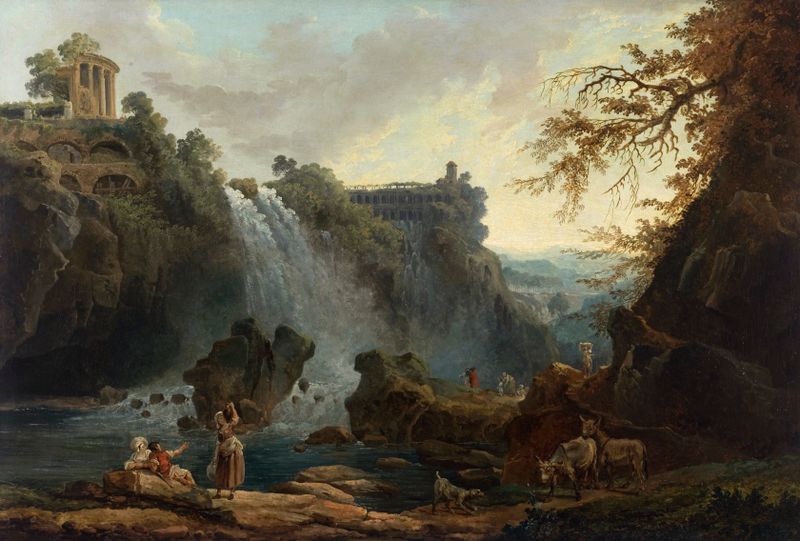
Les Cascatelles de Tivoli
Hubert Robert
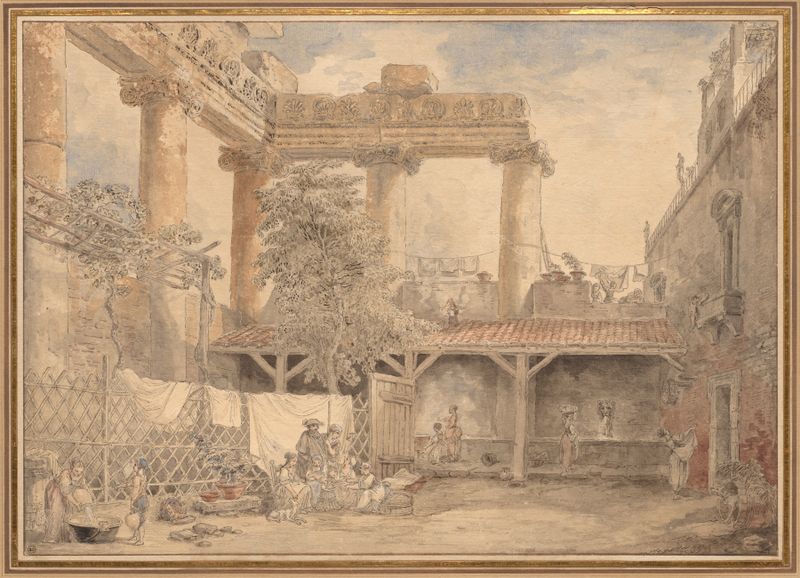
Roman Ruins, Villa Pamfili
Hubert Robert

The Rustic Bridge, Château de Méréville, France
Hubert Robert

The Portico of a Country Mansion
Hubert Robert

Architectural Capriccio
Hubert Robert

The Obelisk
Hubert Robert
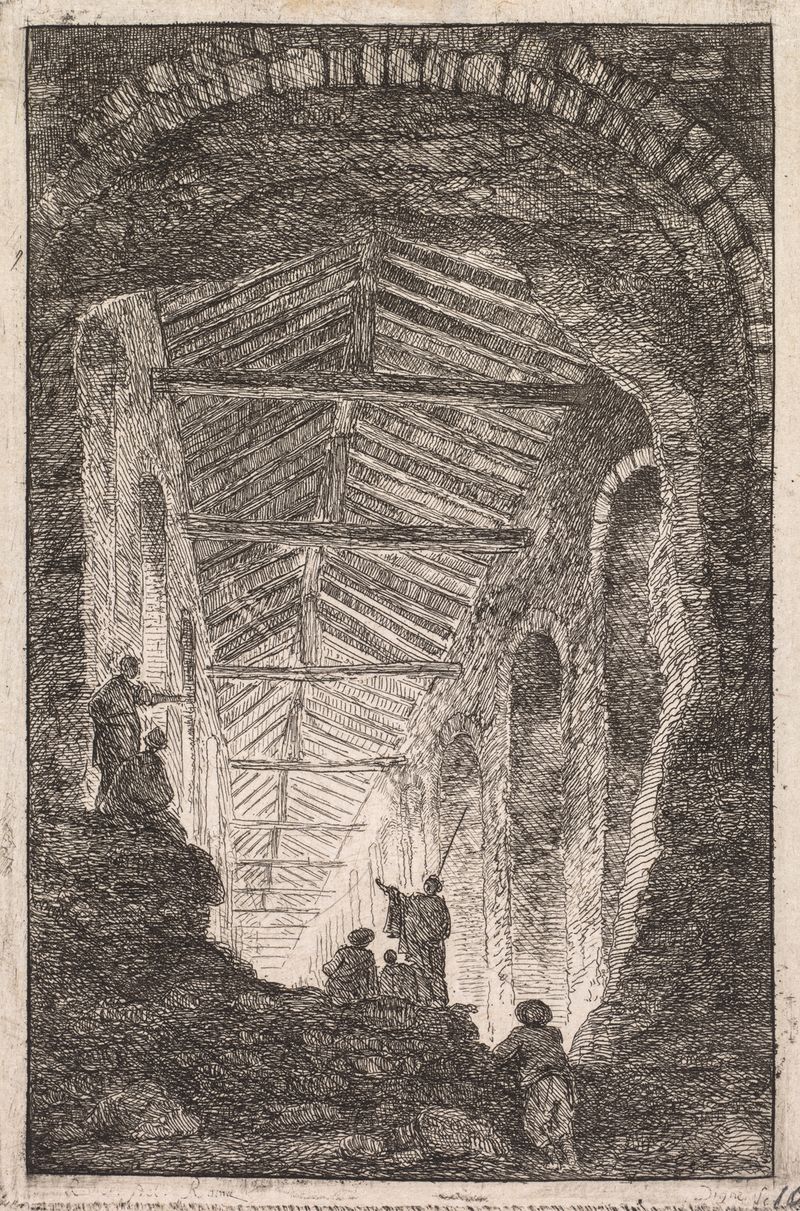
The Antique Gallery
Hubert Robert

L’incendie de l’Opéra, vu des jardins du Palais-Royal, le 8 juin 1781
Hubert Robert
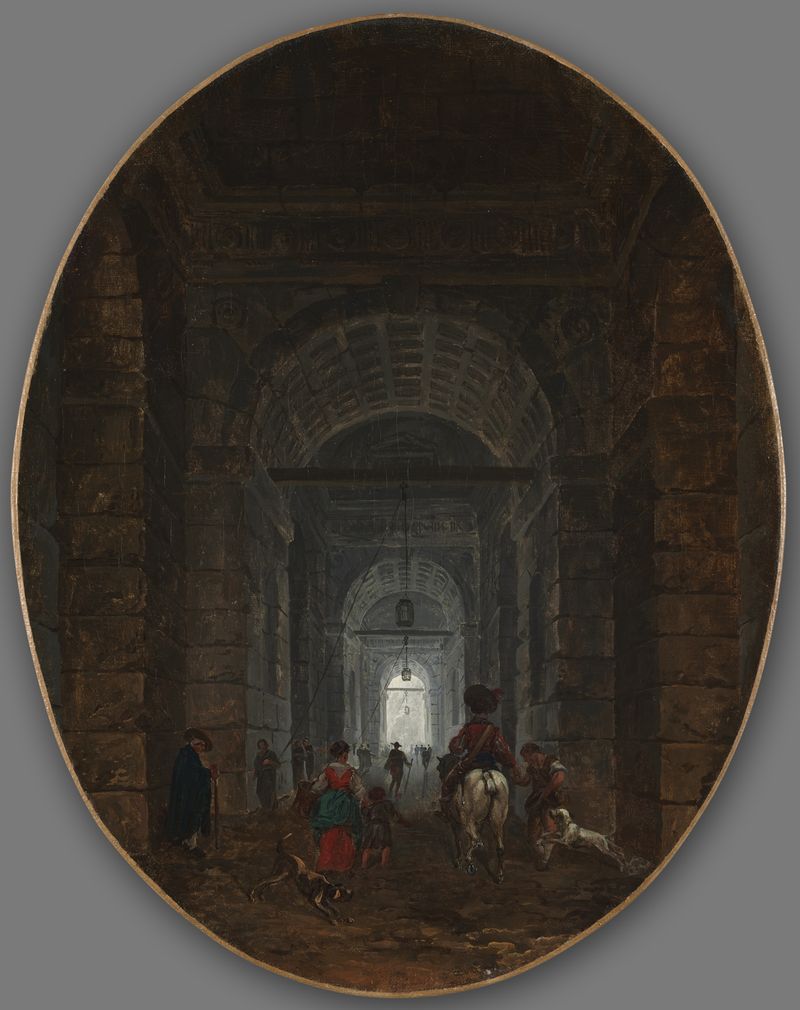
The Grotto of Posillipo
Hubert Robert

Architectural Capriccio with ruins of the Temple of Saturn and the Colosseum in the background
Hubert Robert





