
Village — History & Facts
Can paint confess what words never could? In Village, the artist encapsulates the raw essence of community and isolation, revealing truths seldom spoken aloud. Look to the center of the canvas, where a cluster of modest homes rises against a muted sky. The earthy tones of ochre and browns create an inviting warmth, yet the stark outlines of the houses suggest a quiet resilience. Notice how the delicate brushwork merges the structures with the surrounding landscape, almost as if they grow organically from the earth itself.
Shadows dance in the crevices, hinting at the unseen lives within — each window a glimpse into untold stories, each path leading to myriad destinies. Amid the tranquil composition lies an underlying tension, a juxtaposition between the serene exterior and the interior lives of the villagers. The sparse vegetation surrounding the houses speaks of aridity and hardship, while the gentle slope of the land suggests both protection and seclusion. This quiet village breathes solitude, yet the presence of the homes intimates connection and shared experiences, reflecting the human condition in its most fundamental form. In 1929, Zolo Palugyay painted Village during a period of significant change in Hungary, as the country grappled with the aftermath of World War I.
Facing personal struggles and changes in the art world — moving from traditional forms to more modern expressions — he sought solace in depicting the familiar landscapes of his youth. This work represents not just a moment in his life but also the broader narrative of a society seeking stability amidst uncertainty.
More Artworks by Zolo Palugyay
Browse all →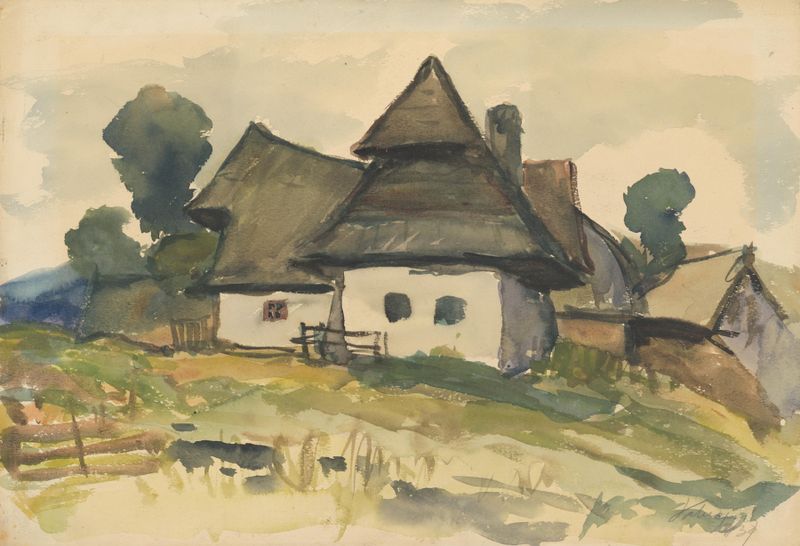
Dedinský motív
Zolo Palugyay
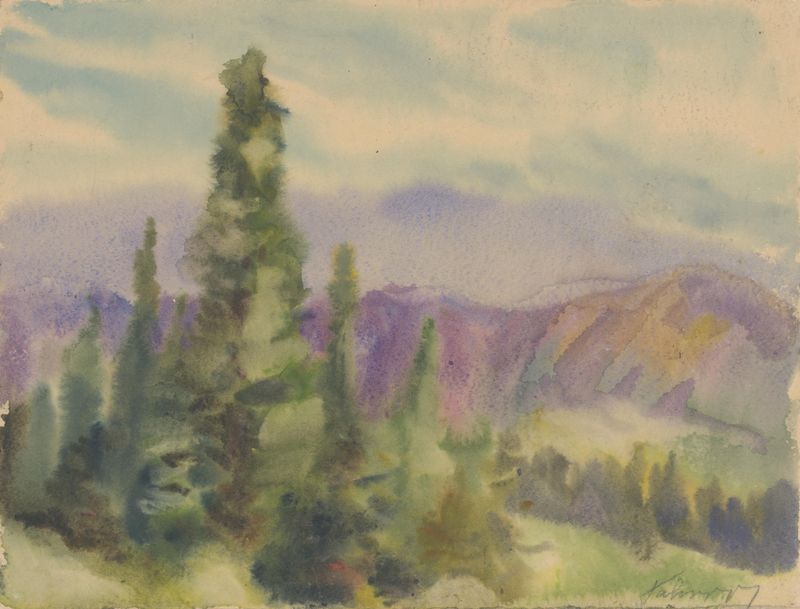
Motif from Liptov Mountains
Zolo Palugyay
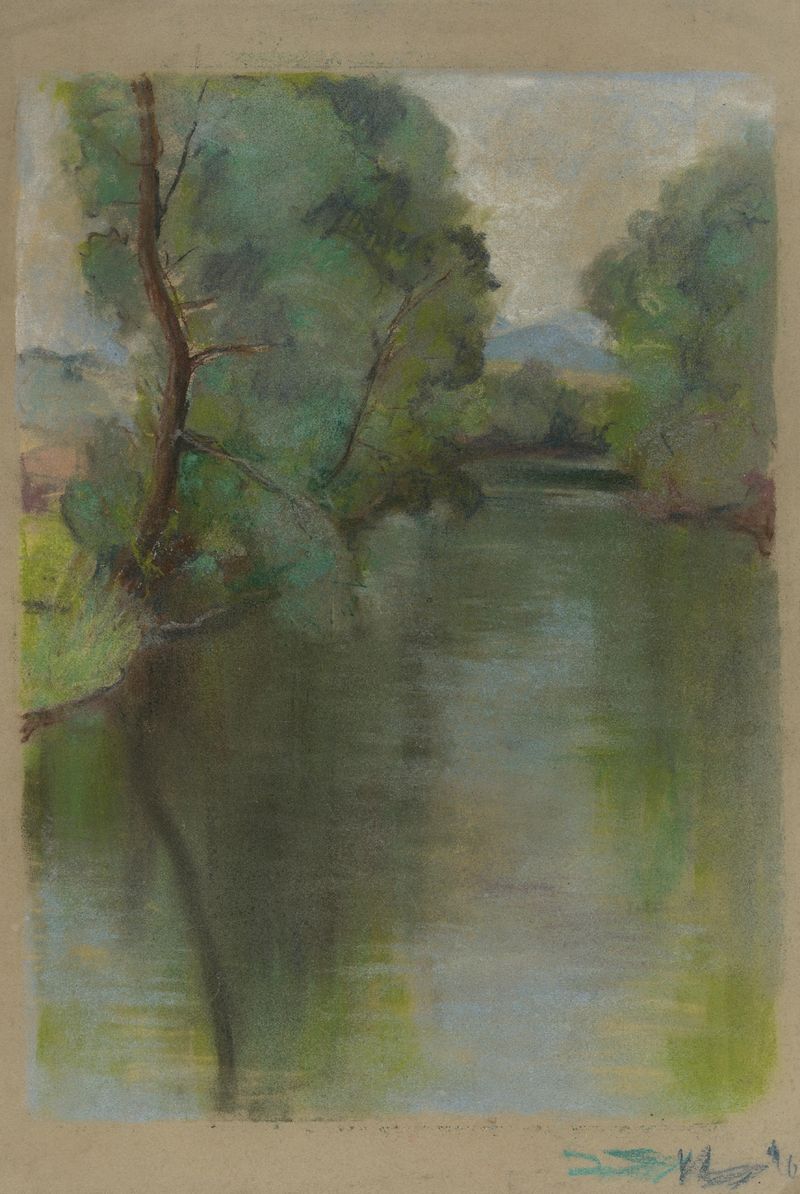
Silent River
Zolo Palugyay
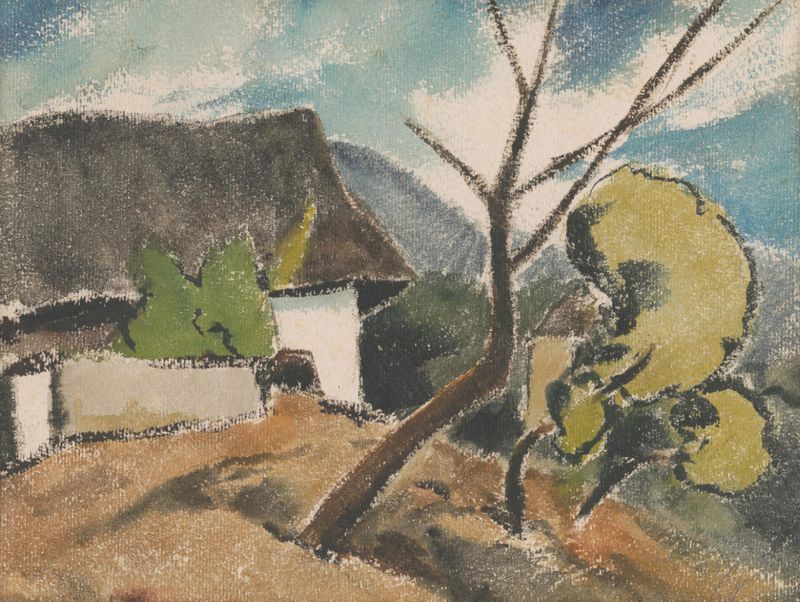
Oravská chalupa
Zolo Palugyay
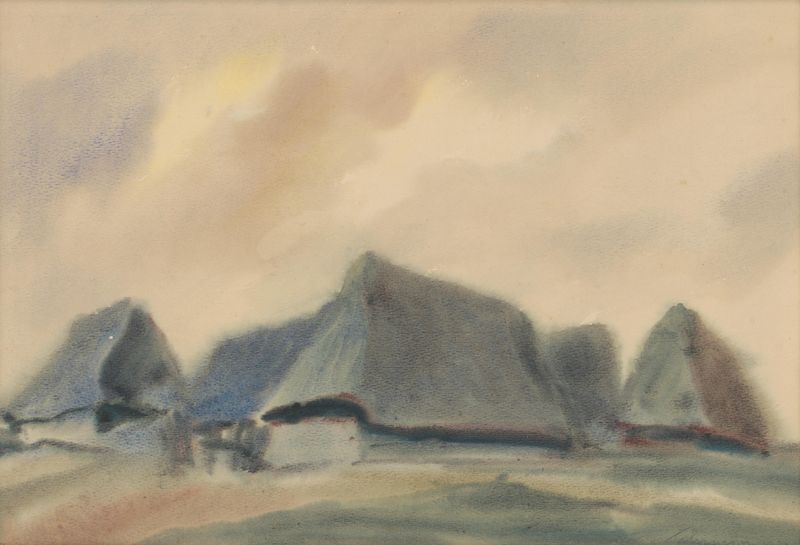
Modré chalupy
Zolo Palugyay
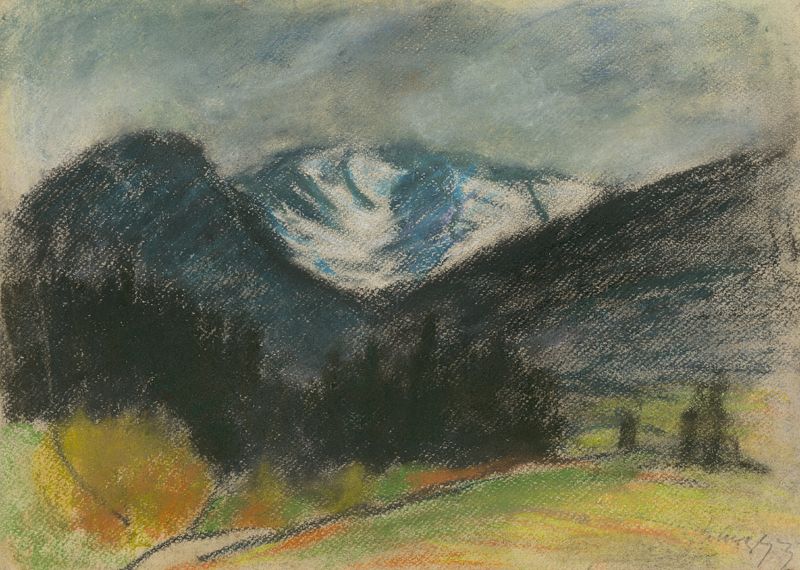
Mountain Landscape with Snowy Peaks
Zolo Palugyay
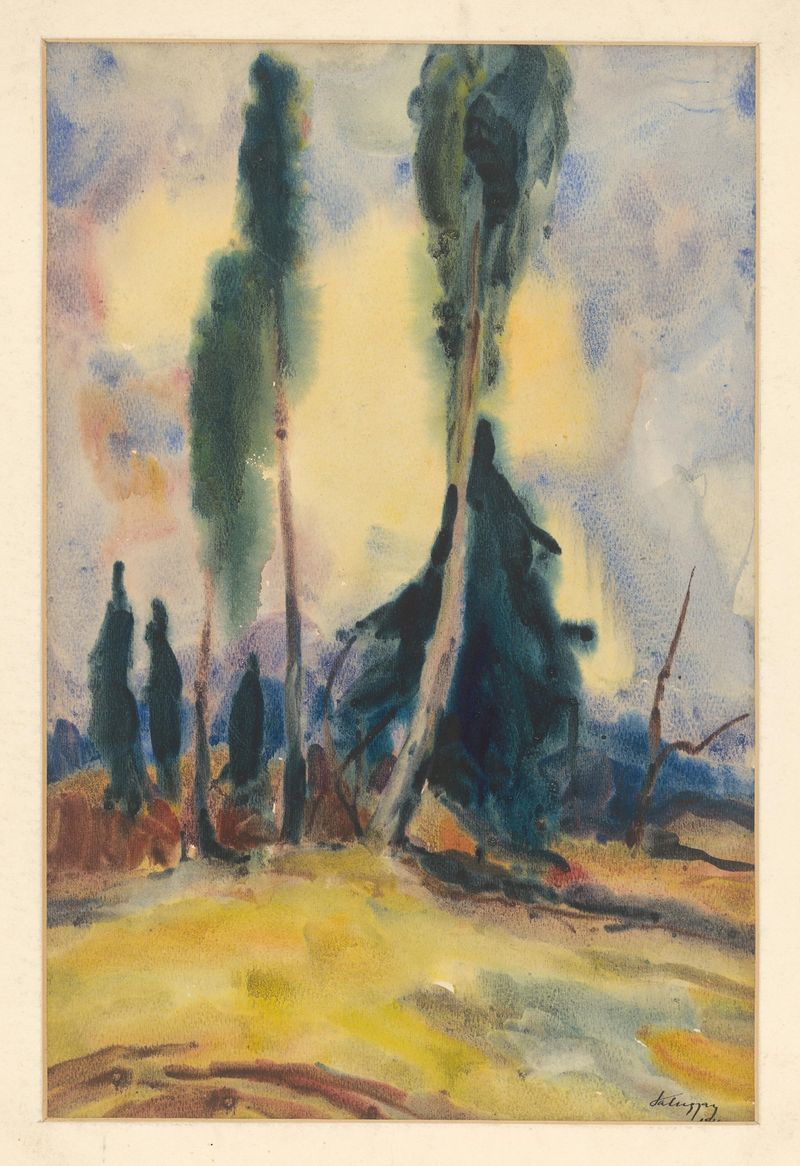
Three Trees on a Plain
Zolo Palugyay
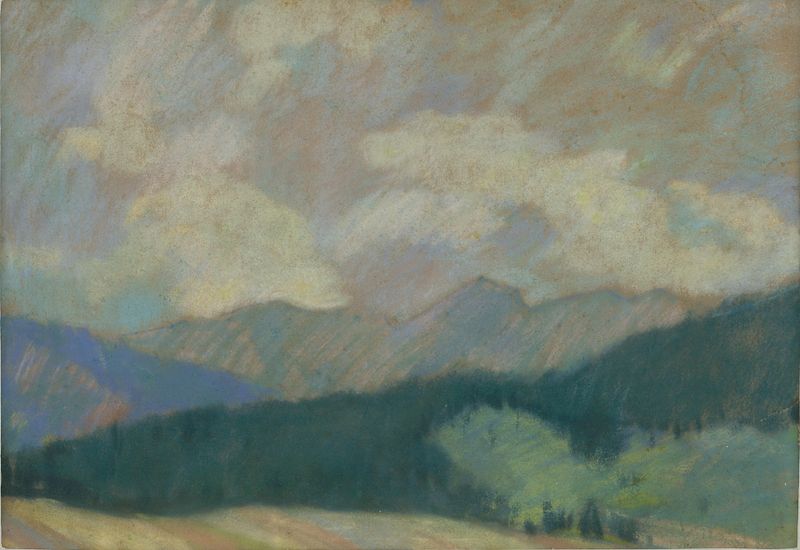
Horská krajina
Zolo Palugyay
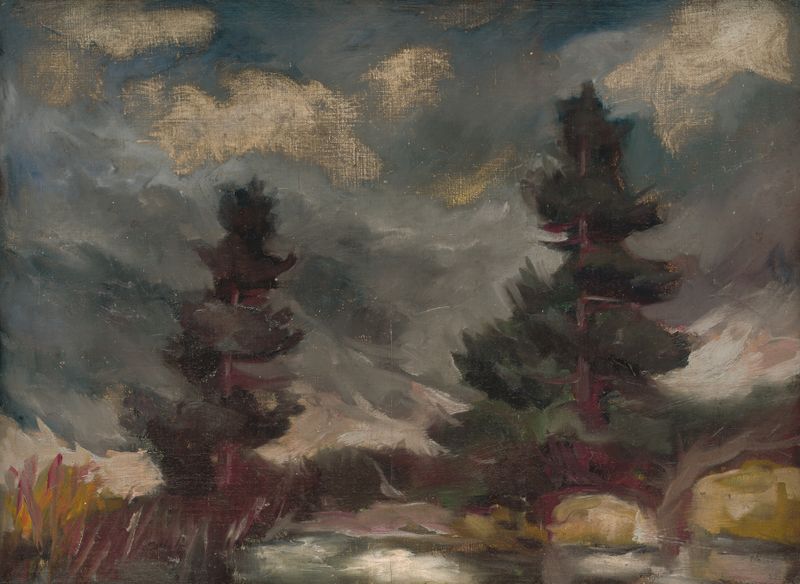
Tatra Landscape
Zolo Palugyay
Spring Landscape
Zolo Palugyay





