
Village with a Church — History & Facts
This notion resonates deeply in the vibrant yet contemplative layers of a pastoral landscape, where the interplay of hues speaks to transformation and stillness. Look to the center of the canvas; there stands a quaint church, its steeple reaching towards the heavens. The bold strokes of green and gold envelop the surrounding village, suggesting a harmonious blend of nature and human creation. Notice how the warm light bathes the scene, creating an inviting aura while casting long shadows that hint at the passage of time.
The artist's deft use of color creates a sense of depth, inviting viewers to delve into the narrative nestled within this tranquil moment. Yet, beneath the serene exterior lies a tension between tradition and change. The striking contrast of the church’s solid structure against the soft, fluid landscape implies a dialogue about faith and permanence amid an ever-evolving world. The silhouettes of the villagers, seemingly frozen in time, embody a collective yearning for stability, while the vibrant colors suggest the untamed forces of life and the inevitable transformations that accompany it. In 1934, Zolo Palugyay painted this piece during a time of significant socio-political change in Europe, following the devastation of World War I.
Living in Hungary, Palugyay was influenced by the growing modernist movements that sought to break away from traditional forms. The work reflects his exploration of the relationship between humanity and the natural world, capturing a moment of quiet before the impending waves of transformation.
More Artworks by Zolo Palugyay
Browse all →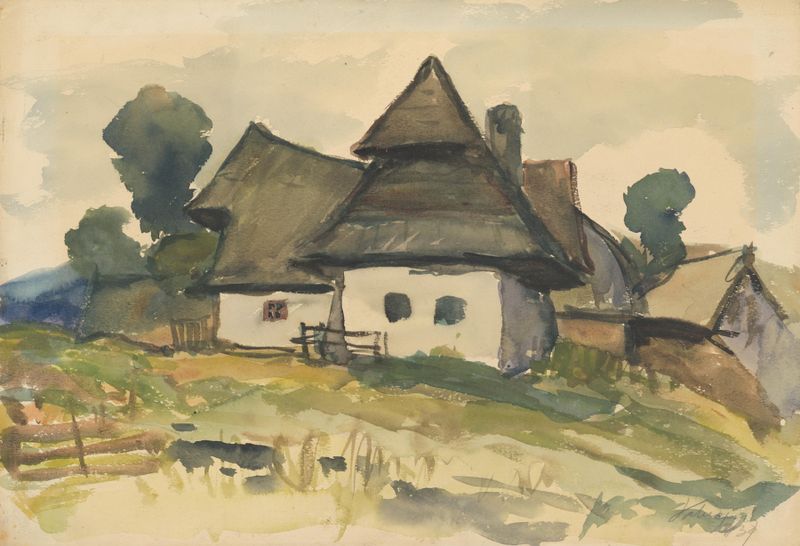
Dedinský motív
Zolo Palugyay
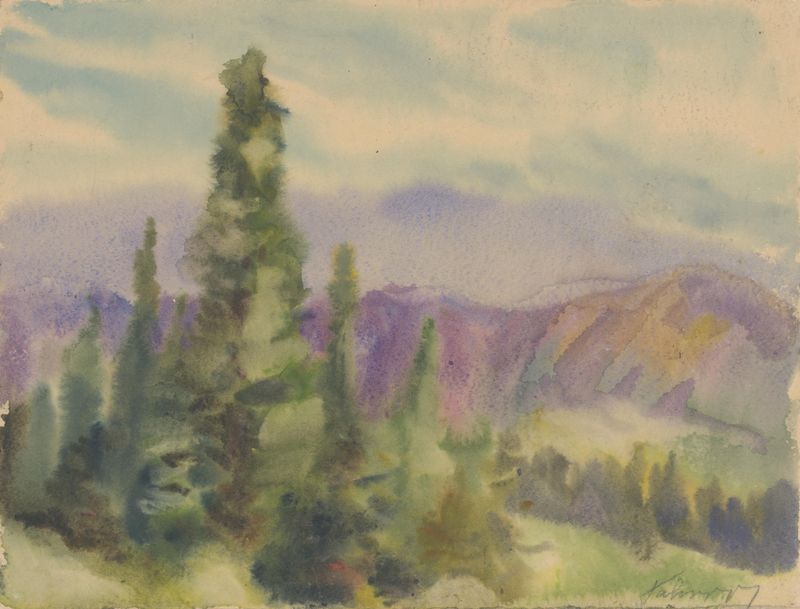
Motif from Liptov Mountains
Zolo Palugyay
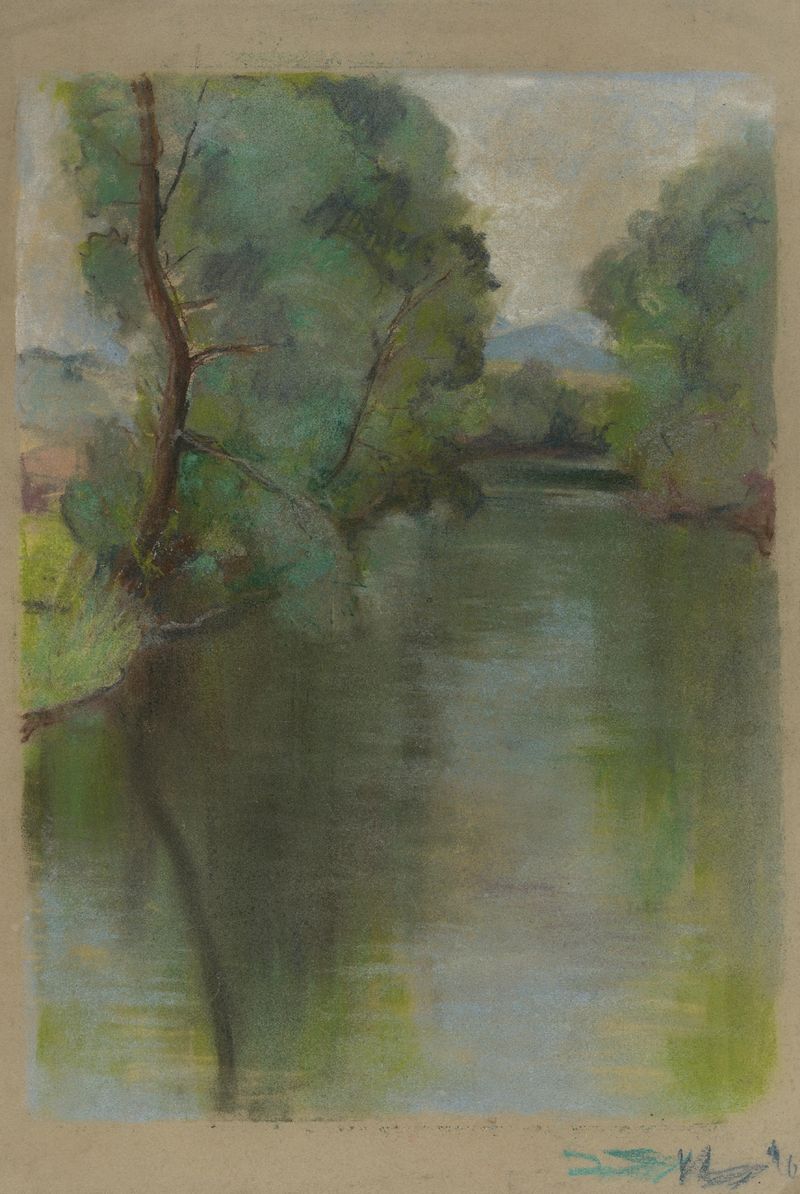
Silent River
Zolo Palugyay
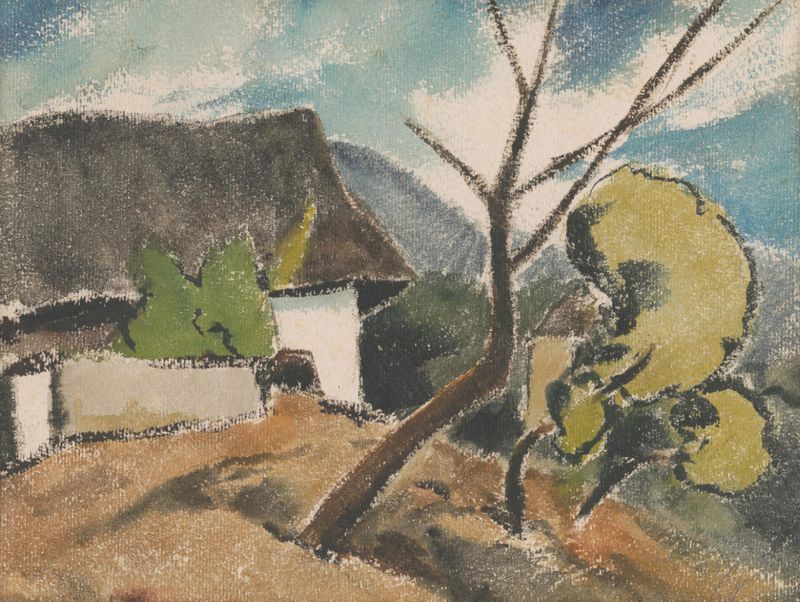
Oravská chalupa
Zolo Palugyay
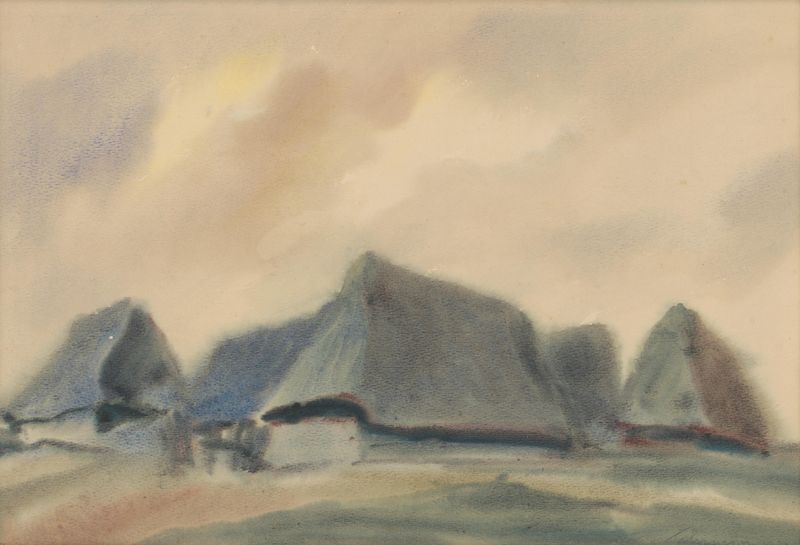
Modré chalupy
Zolo Palugyay
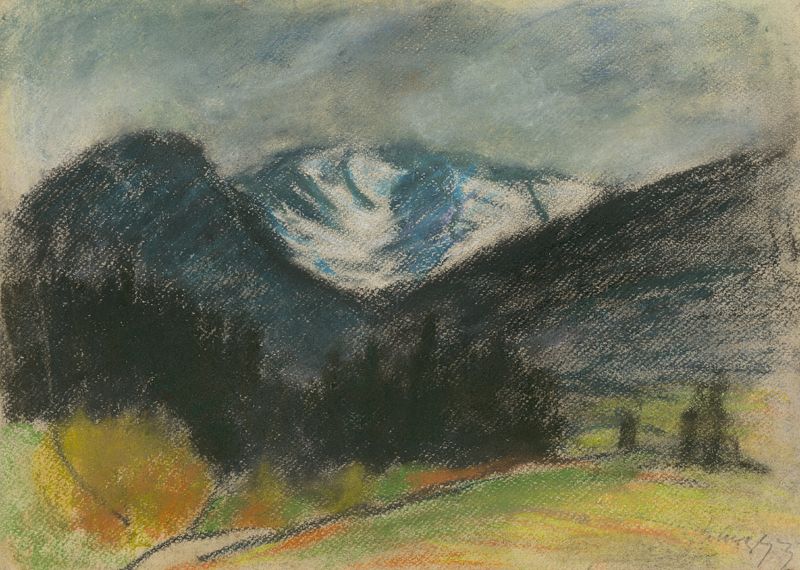
Mountain Landscape with Snowy Peaks
Zolo Palugyay
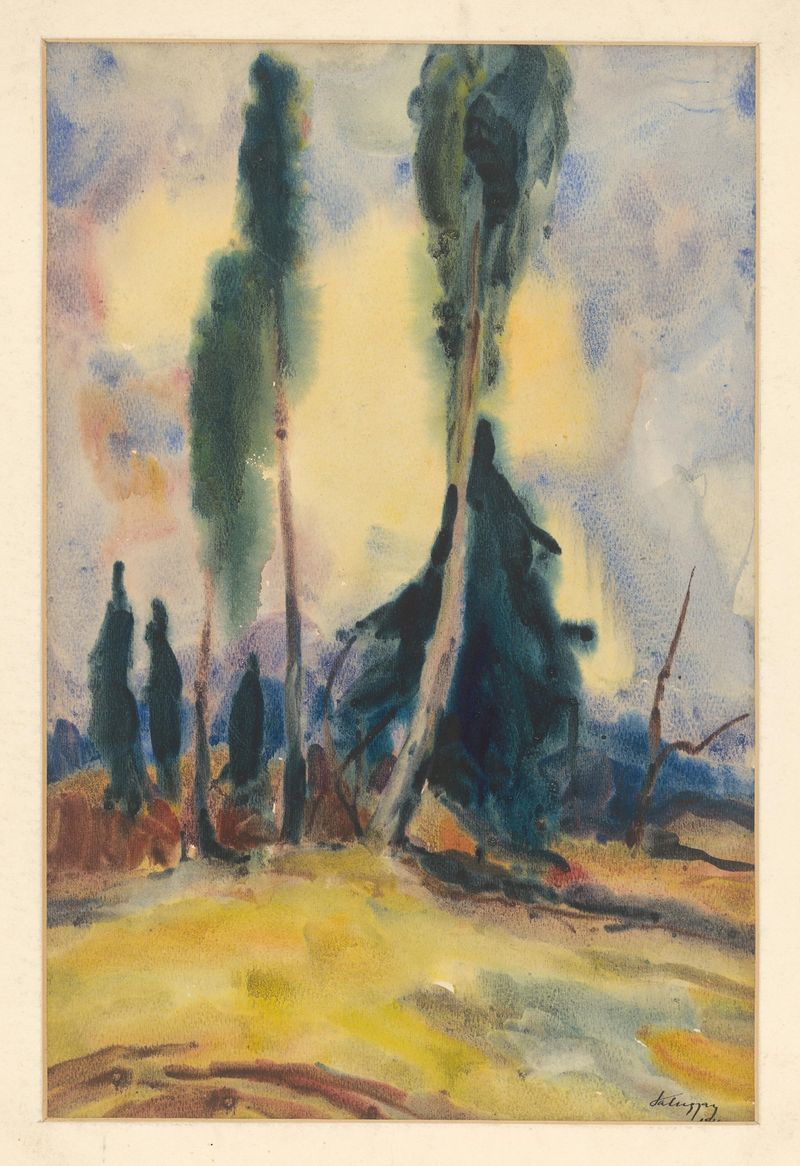
Three Trees on a Plain
Zolo Palugyay
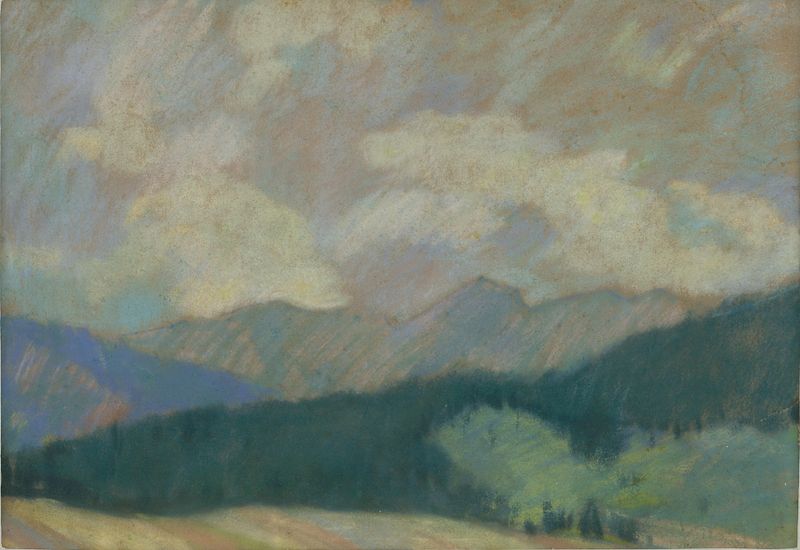
Horská krajina
Zolo Palugyay
Tatra Landscape
Zolo Palugyay
Spring Landscape
Zolo Palugyay





