
Villeneuve lez Avignon — History & Facts
Who listens when art speaks of silence? In Villeneuve lez Avignon, tranquility envelops the landscape, inviting the viewer to pause and reflect on the quiet beauty of nature. Look to the center where gentle hills rise, embraced by a soft, hazy sky. The painting’s muted palette, rich in earthy greens and warm browns, creates a harmonious balance that draws the eye into the serenity of the scene. Notice how the light delicately illuminates the foreground, highlighting the winding path that meanders through the village, leading one’s gaze toward the distant horizon.
The brushwork, fluid yet controlled, captures the essence of a peaceful moment suspended in time. Hidden within this serene composition is a profound contrast between stillness and movement. The quiet houses suggest life, yet they remain unoccupied, evoking a sense of solitude. The lush trees, swaying gently in an unseen breeze, whisper of change and the passage of time.
Each element converges to create a meditative atmosphere, prompting introspection about nature’s quiet power to transcend the chaos of the world. William Callow painted Villeneuve lez Avignon in 1840 while living in England, during a time when the Romantic movement was influencing many artists to explore themes of nature and emotion. This work reflects his commitment to capturing the sublime beauty of landscapes, a departure from the more dramatic compositions of his predecessors. As the industrial age began to reshape society, Callow's focus on tranquility serves as a counterpoint to the rapidly changing world around him.
More Artworks by William Callow
Browse all →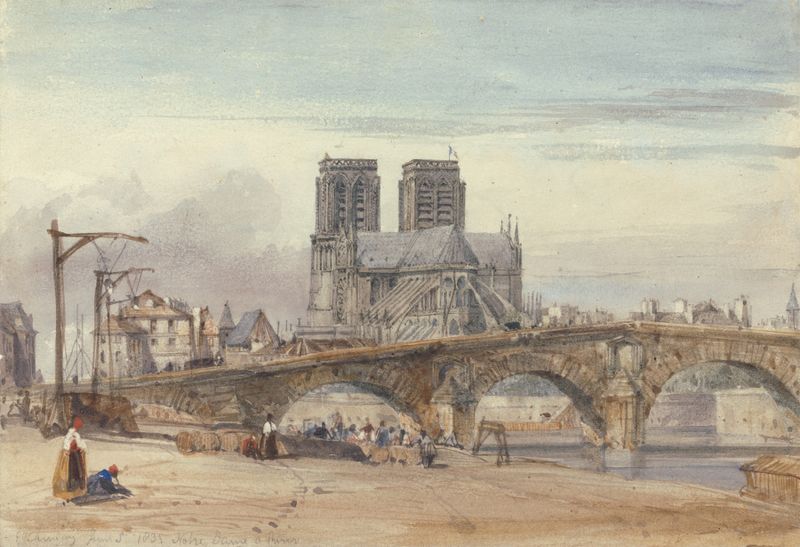
Notre Dame, Paris
William Callow
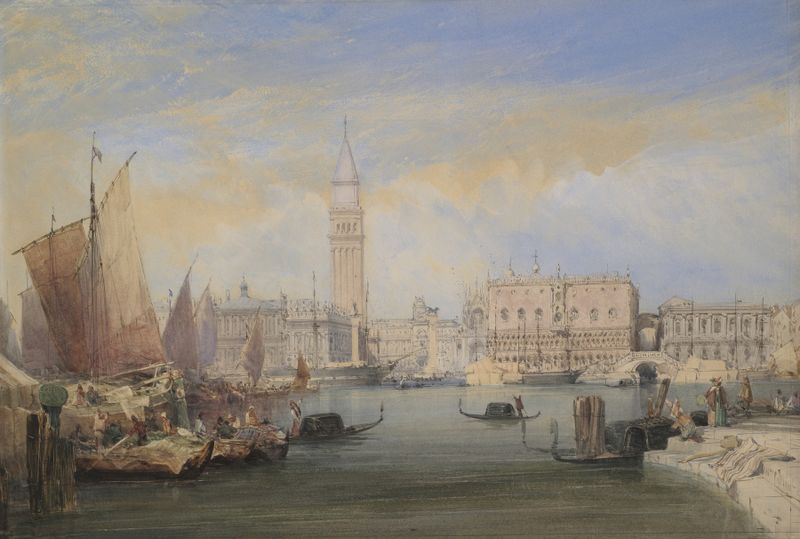
Venice from St. Giorgio
William Callow
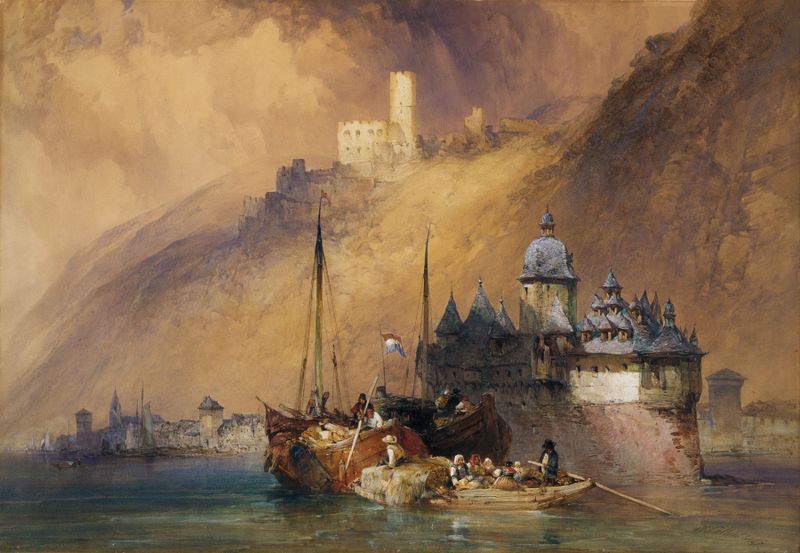
The Phalz Castle on the Rhine
William Callow

The Luxor, Paris, December 1833
William Callow

On the Wharfe, Bolton Abbey
William Callow

Caesar’s Tower, Warwick Castle
William Callow
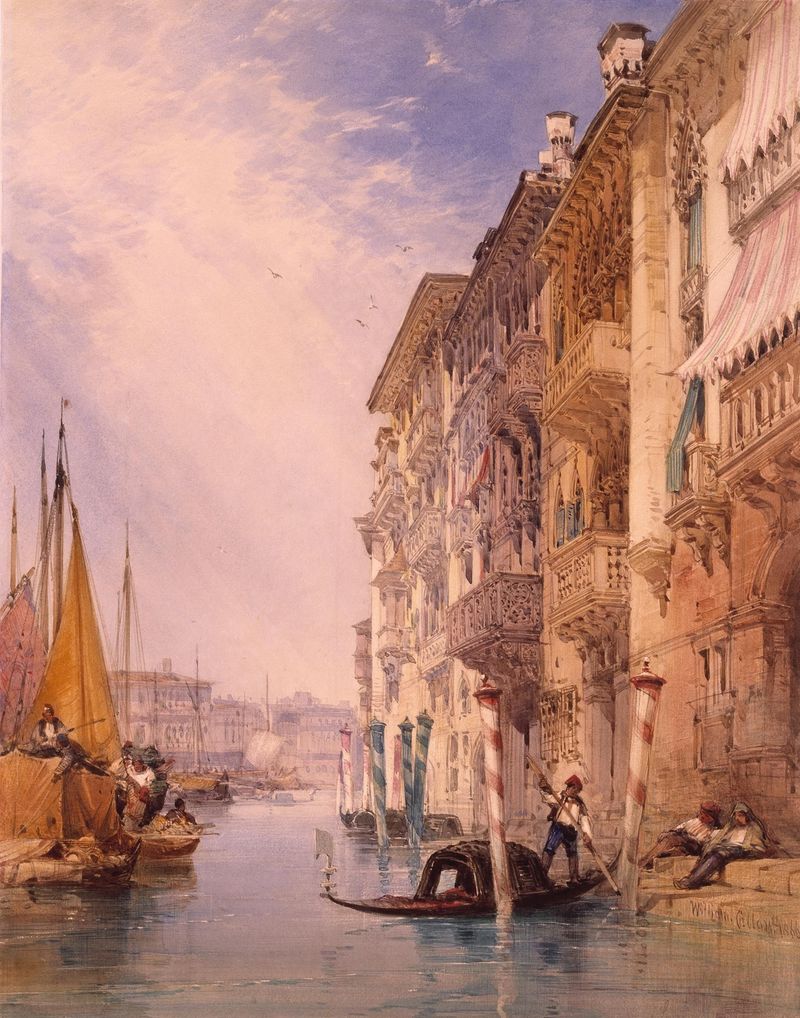
A Gondola on the Grand Canal, Venice
William Callow

Rheinfels and St. Goar
William Callow
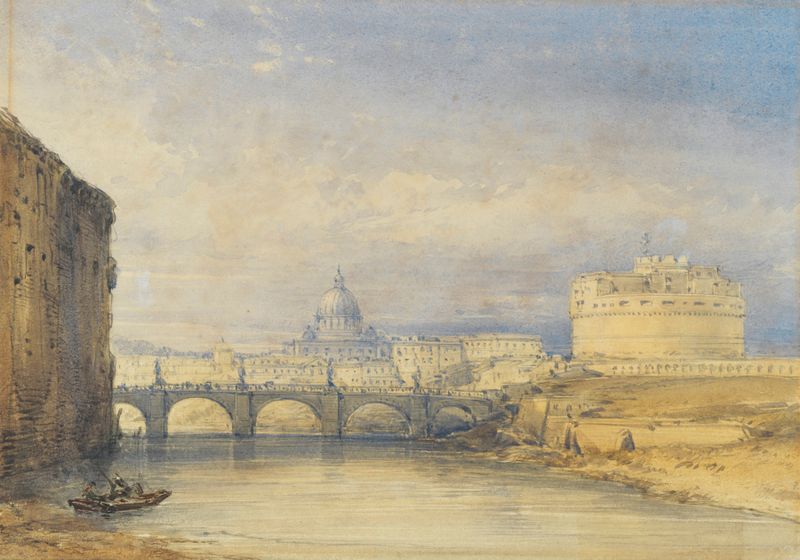
Castel Sant’Angelo, Rome
William Callow

Entering Harbour
William Callow





