
Virgin and Child — History & Facts
The first thing that draws the eye in Virgin and Child by Adriaen Isenbrant is the intimate gesture between mother and son: the Christ Child leans in, his tiny hand at Mary’s chin, as if whispering a secret or seeking comfort. Mary sits enthroned within a stone niche, her red robe pooling in rich folds that anchor her to the earth, while the throne itself is adorned with ram’s heads—symbols that invite the viewer to consider sacrifice and innocence. The play of light across the marble and fabric sets a hushed, contemplative mood, while the geometric floor tiles lead the gaze upward to the figures’ faces.
Every detail, from the delicate modeling of the Child’s limbs to the subtle green sash at Mary’s shoulder, works to draw the viewer into this moment of quiet connection. Painted around 1530–1540, this work belongs to a tradition of devotional images that flourished in the Low Countries during the Renaissance. Such paintings were often commissioned for private prayer or small chapels, serving as a focus for meditation on the humanity and divinity of Christ. The ornate throne and careful attention to surface detail reflect both the influence of Italianate architecture and the Northern love for texture and pattern.
While history has kept few traces of this particular panel’s early life, its survival in the Rijksmuseum today allows us to witness how artists like Isenbrant blended the sacred and the familiar, inviting viewers across centuries to linger over the gentle exchange at the heart of the image.
More Artworks by Adriaen Isenbrant
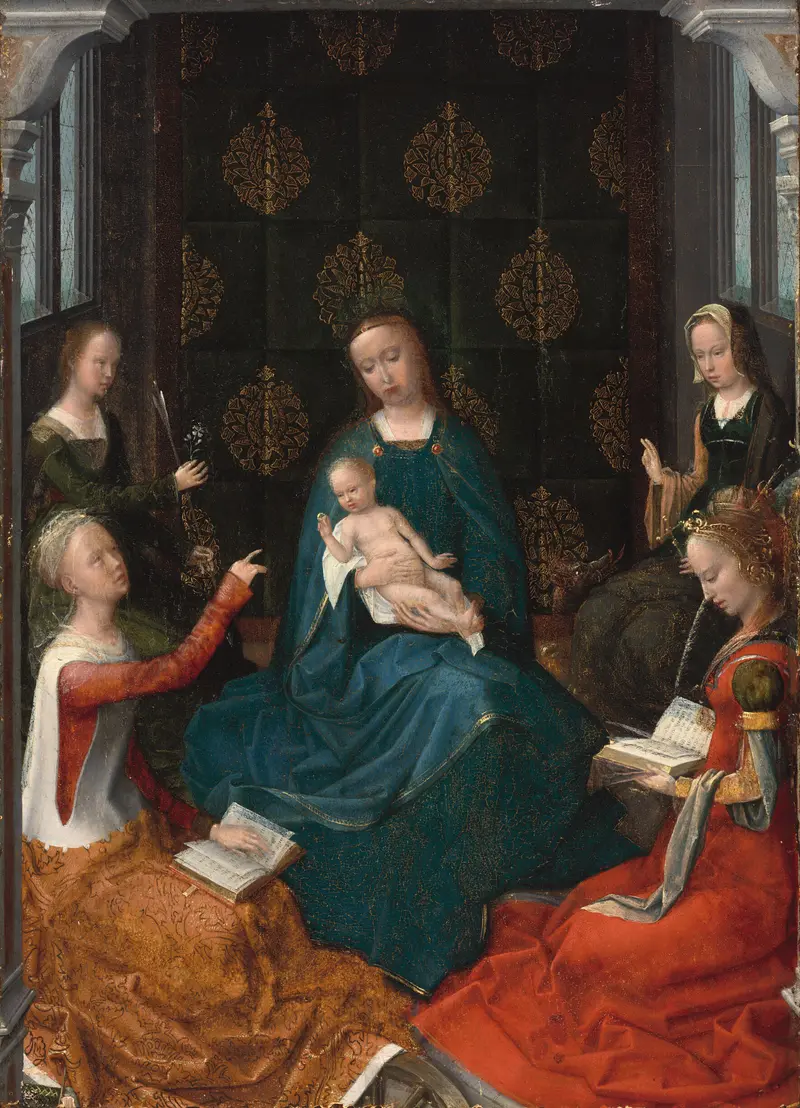
The Mystic Marriage of Saint Catherine of Alexandria with Three Female Saints: Ursula, Margaret of Antioch, and an Unidentified Martyr
Adriaen Isenbrant
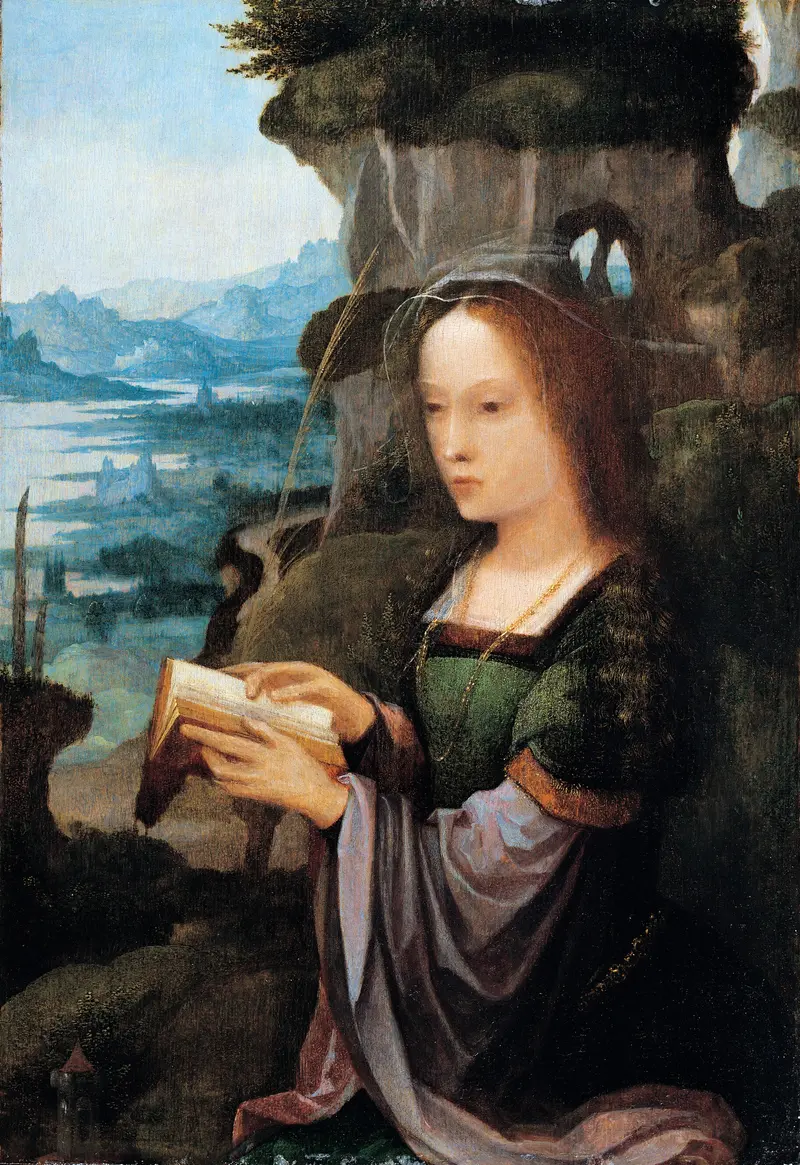
Saint Barbara
Adriaen Isenbrant
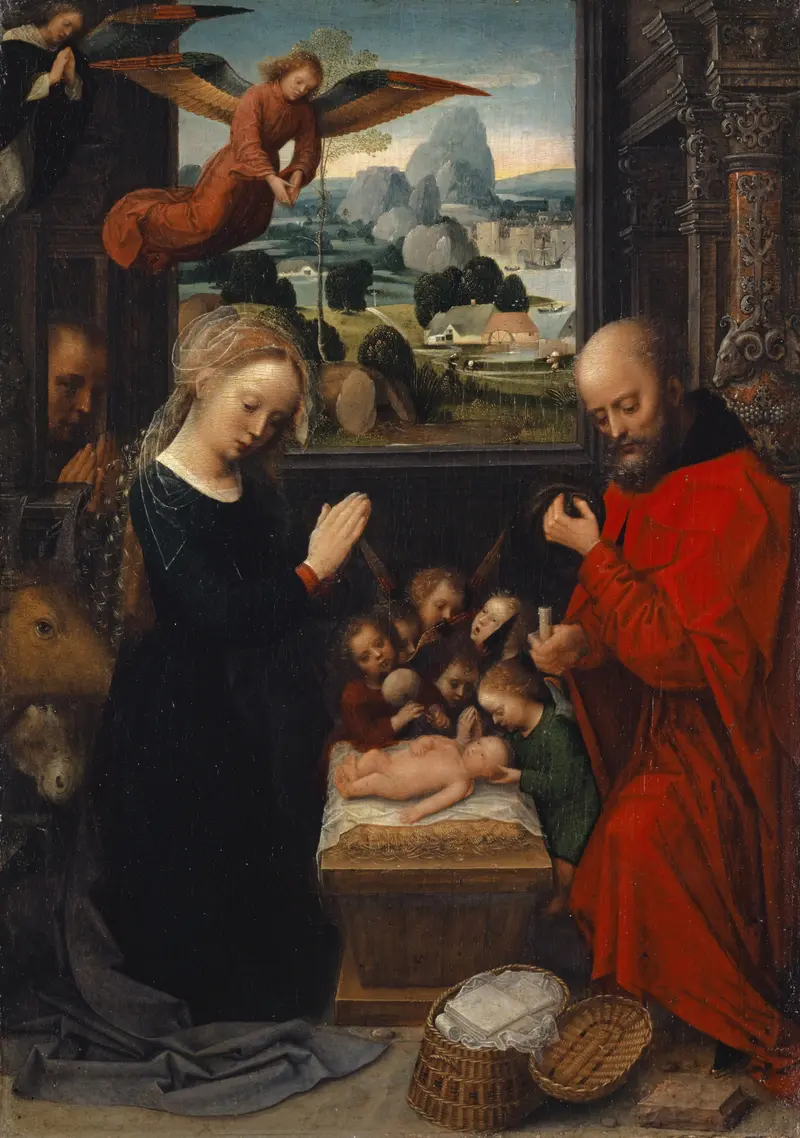
The Nativity
Adriaen Isenbrant
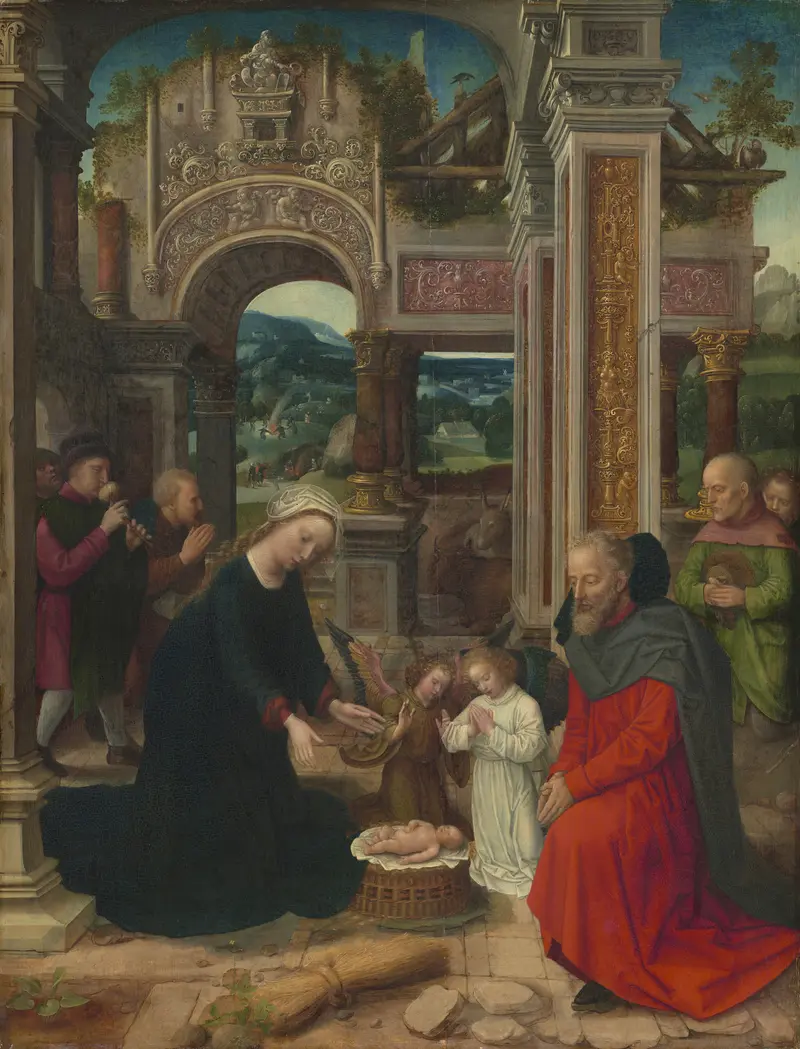
The Adoration of the Shepherds
Adriaen Isenbrant
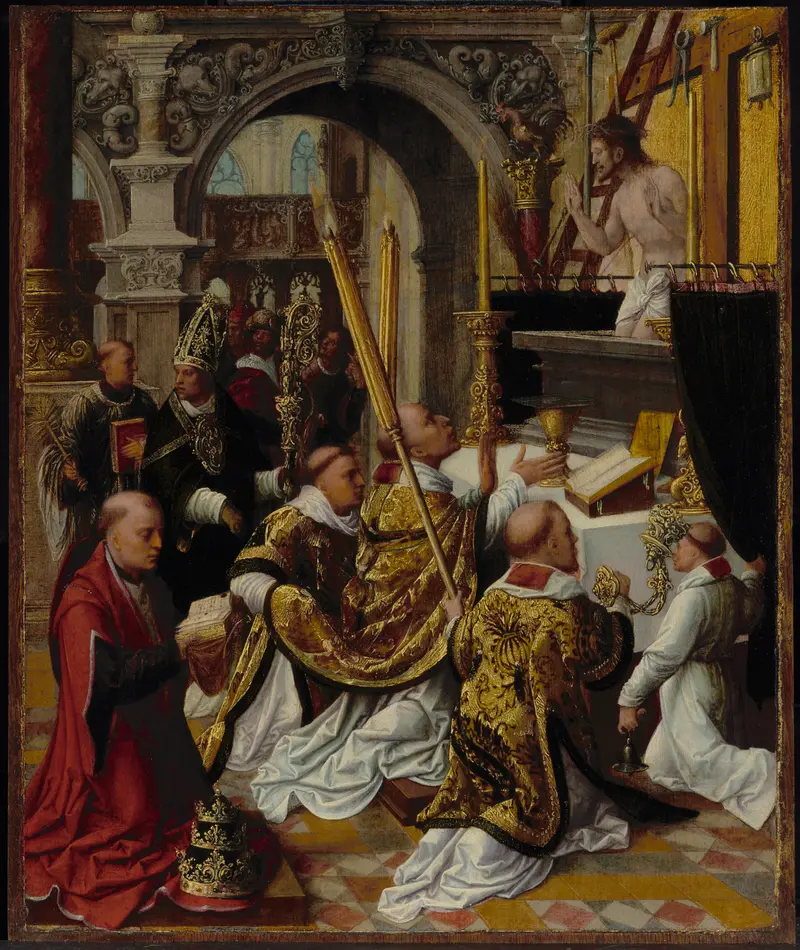
The Mass of Saint Gregory the Great
Adriaen Isenbrant
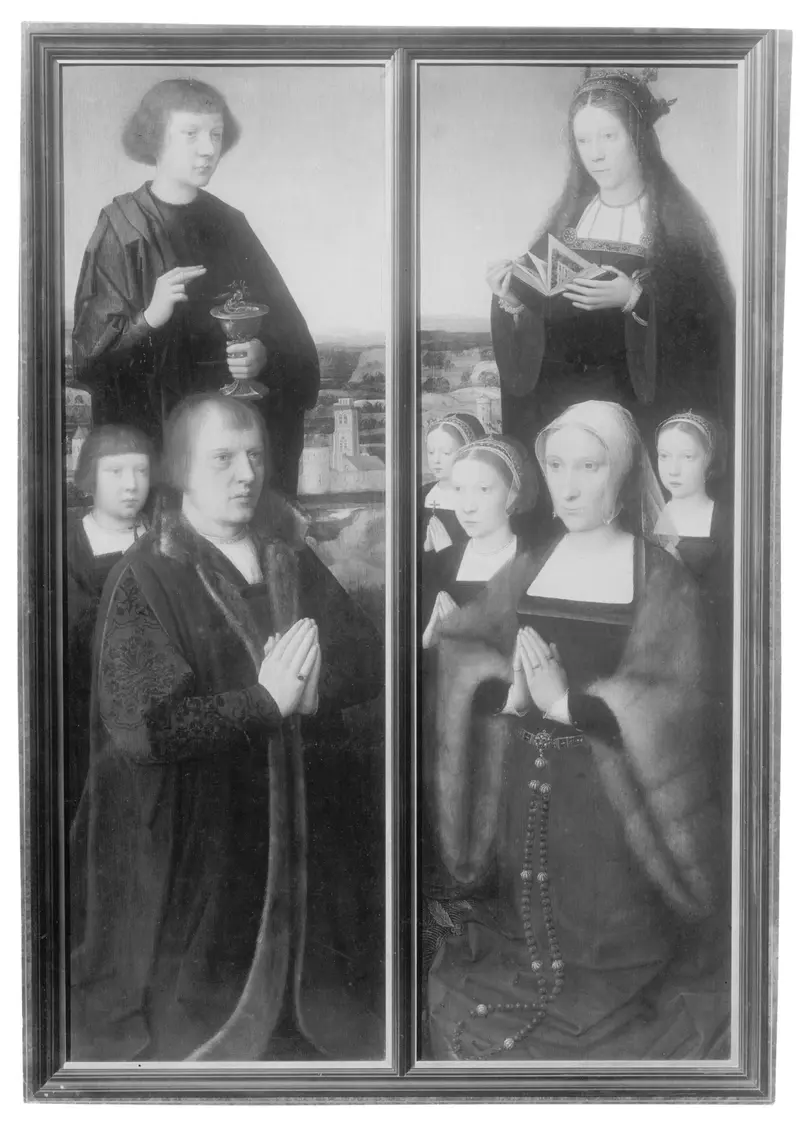
Wings of a polyptych with donors -Man with son and Saint, Woman with daughters and Saint (burned)
Adriaen Isenbrant
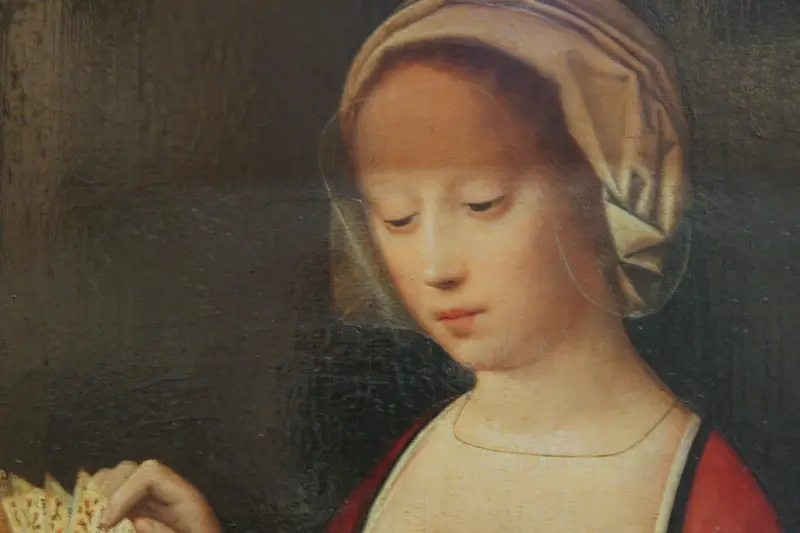
Mary Magdalene Reading
Adriaen Isenbrant
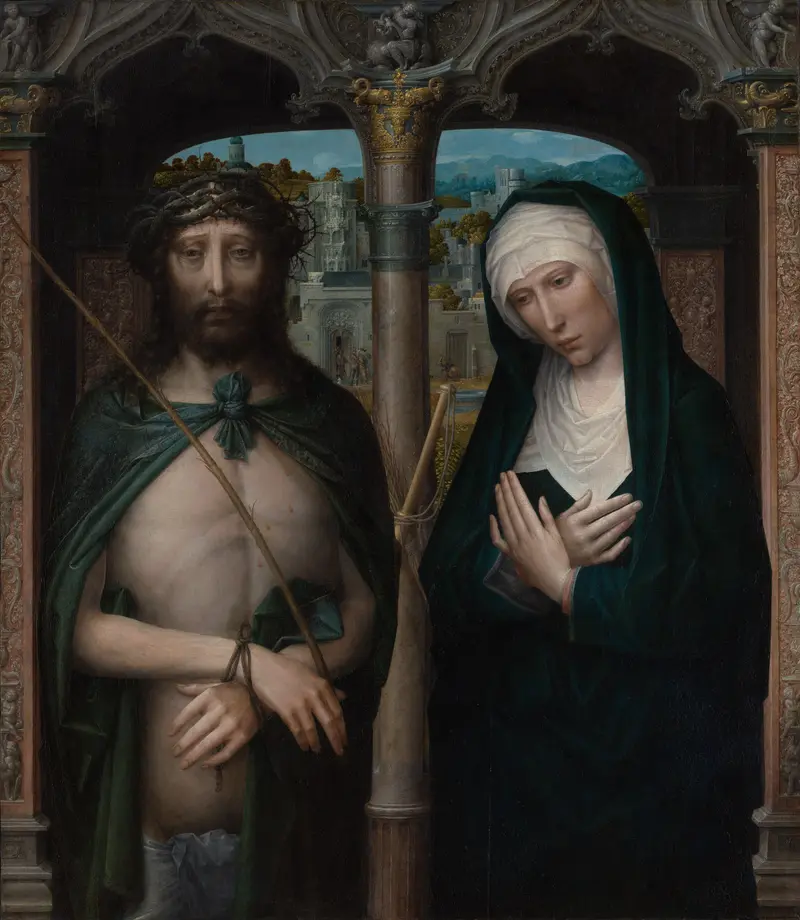
Christ Crowned with Thorns (Ecce Homo), and the Mourning Virgin
Adriaen Isenbrant
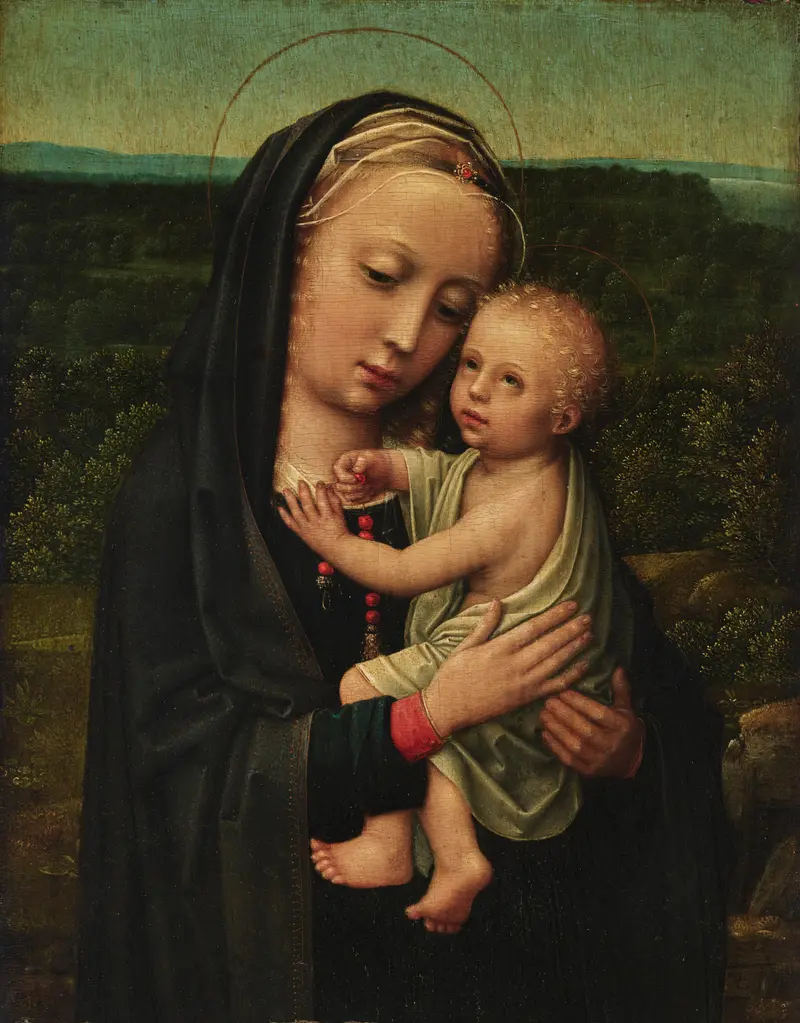
Madonna and Child
Adriaen Isenbrant
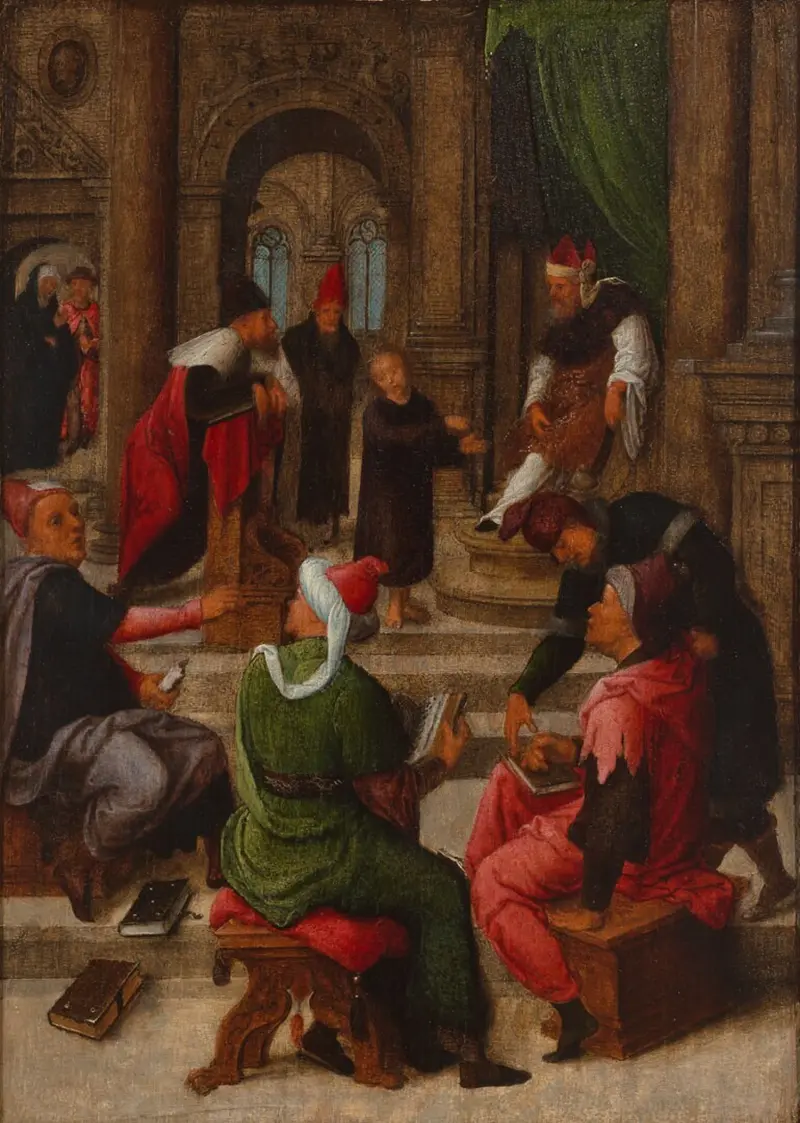
The 12-Year-Old Jesus in the Temple
Adriaen Isenbrant





