
Virgin and Child with a Pomegranate — History & Facts
No other Renaissance painter returned so often to the motif of the Madonna with a pomegranate as Sandro Botticelli. At least five versions of Virgin and Child with a Pomegranate are attributed to his hand or workshop, each subtly distinct, suggesting both the popularity of the image and the demands of Florentine patrons around 1500. This particular painting stands out for the delicate intimacy between mother and child, and for the fruit itself—a symbol so charged with meaning that it drew the attention of art lovers and collectors for centuries. At the center, the Virgin Mary cradles the infant Jesus, who clasps a split pomegranate in his tiny hand.
In Christian iconography, the pomegranate’s seeds represent both the unity of the Church and the promise of resurrection—its red juice a quiet premonition of Christ’s Passion. Botticelli’s Mary gazes downward, her eyes heavy with foreknowledge, while the Christ Child meets the viewer’s gaze, as if inviting us to share in the mystery. The soft, golden light and the gentle interplay of hands recall the tender Madonnas of Fra Filippo Lippi, Botticelli’s teacher, but the clarity and rhythm of line are unmistakably Botticelli’s own. The precise origins of this painting are uncertain, as is often the case with Botticelli’s devotional works.
It likely emerged from his workshop in Florence around 1500, at a time when private images of the Madonna were in high demand among the city’s elite. Over the centuries, versions of this composition have traveled through the hands of European collectors, sometimes misattributed or confused with one another. Today, Virgin and Child with a Pomegranate is recognized as a touchstone of Botticelli’s late style, capturing both the spiritual intensity and the refined elegance that define his place in the canon of the Italian Renaissance.
More Artworks by Sandro Botticelli
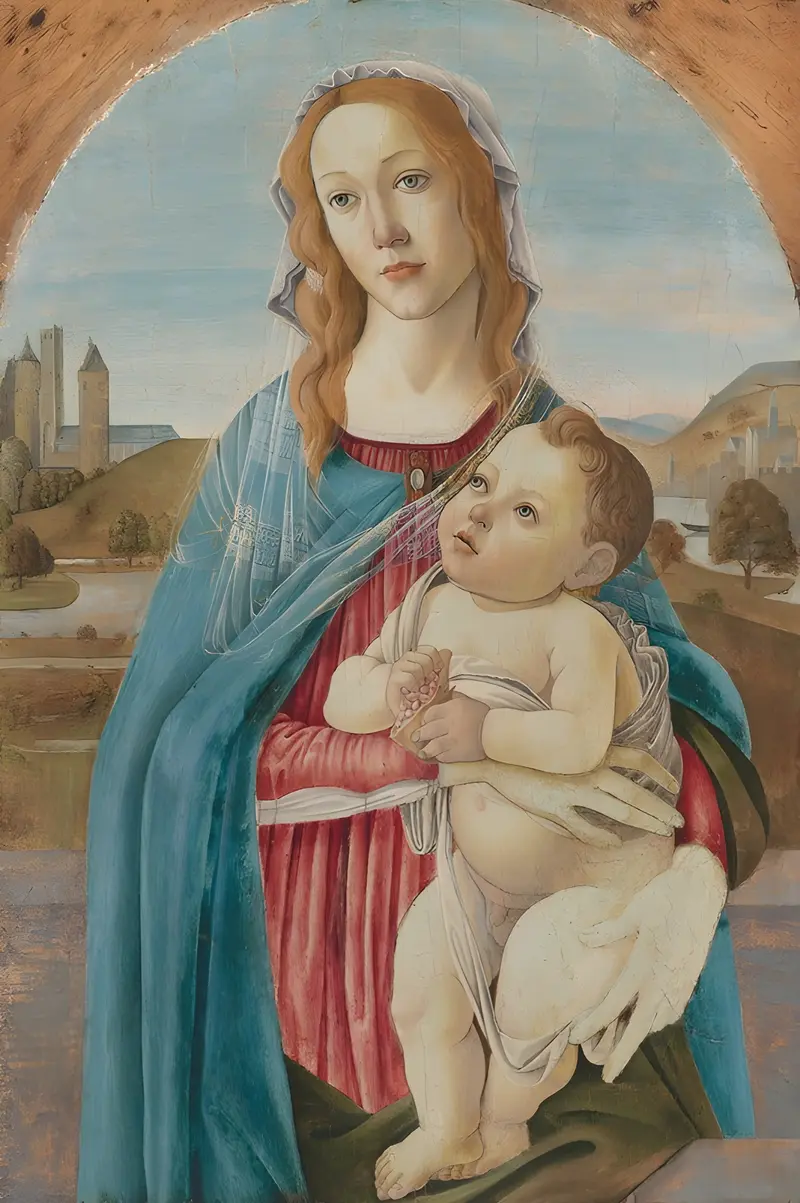
Virgin and Child
Sandro Botticelli
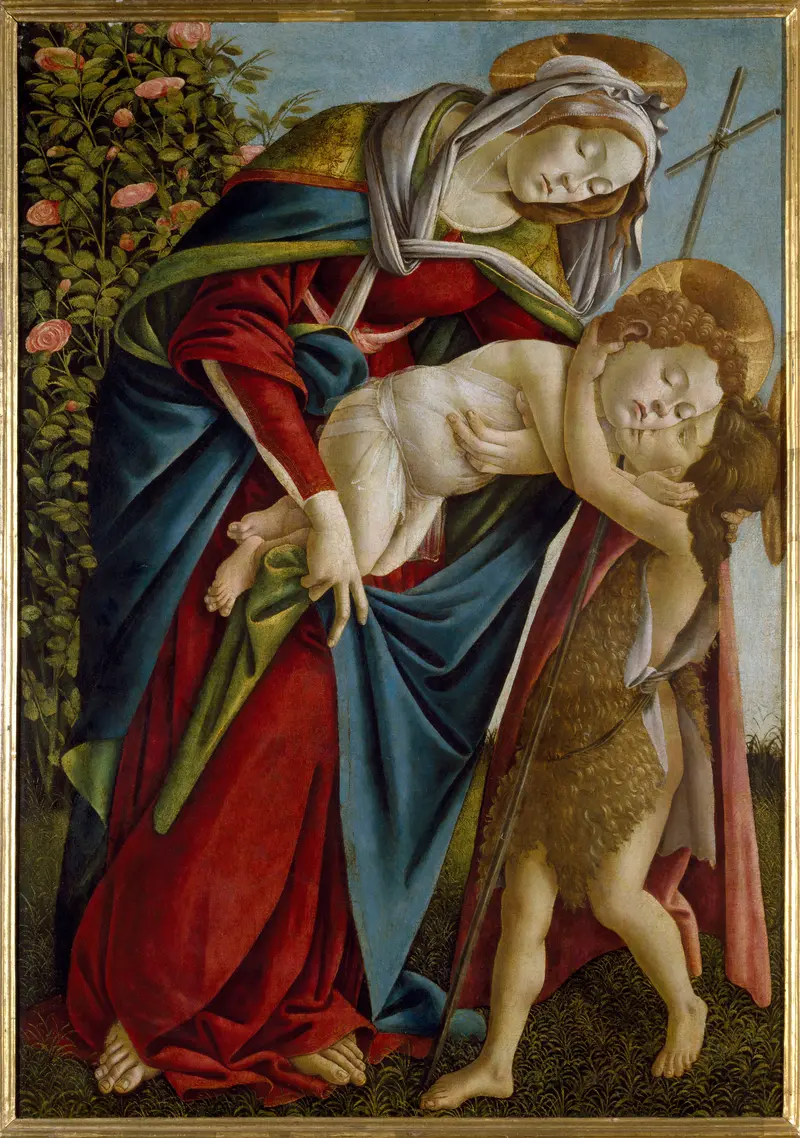
Madonna and Child and the Young St John the Baptist
Sandro Botticelli
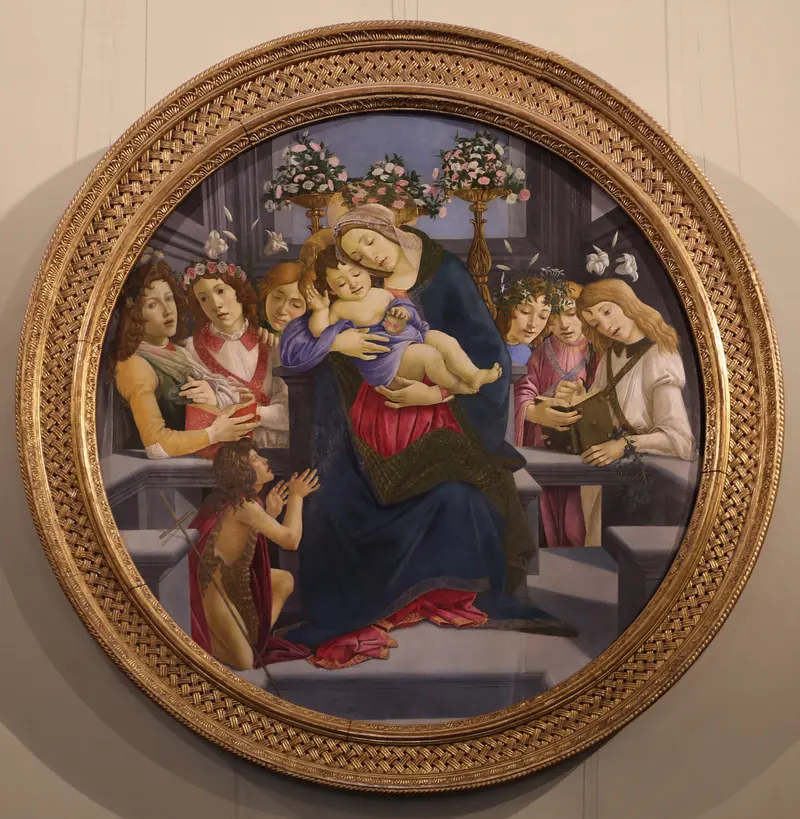
Madonna and Child with six angels and Saint John the Baptist as Child
Sandro Botticelli
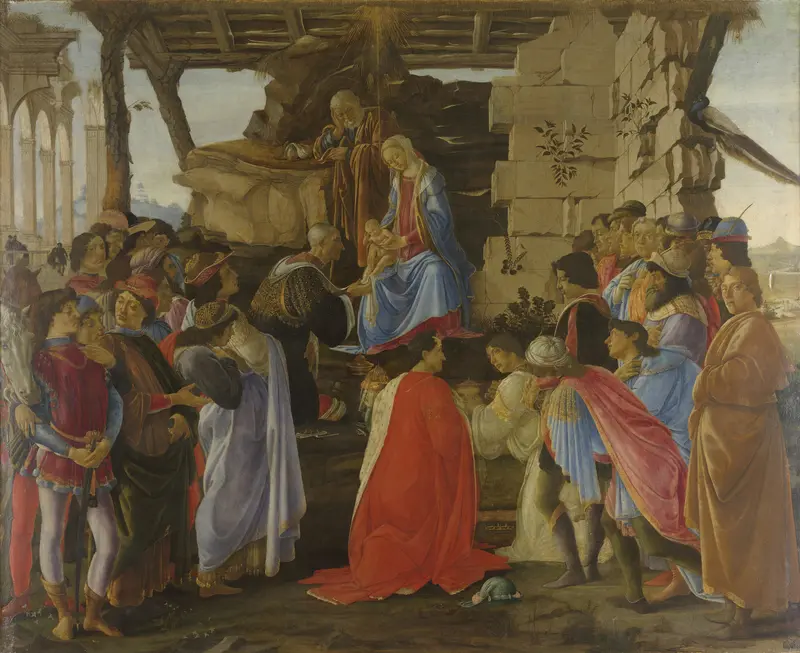
Adoration of the Magi
Sandro Botticelli

Virgin and Child with the Young Saint John the Baptist
Sandro Botticelli
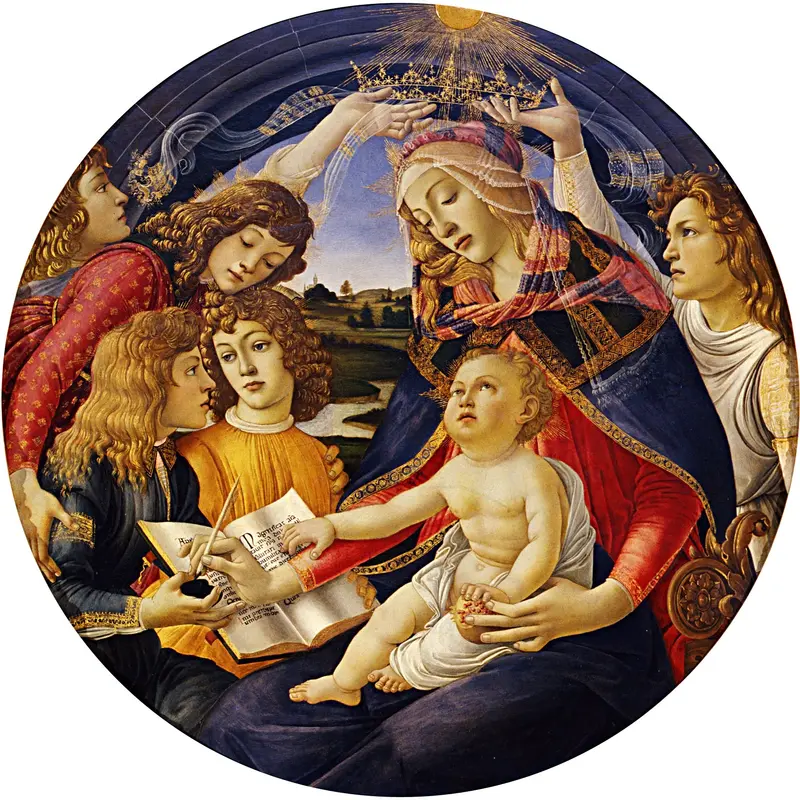
Madonna of the Magnificat
Sandro Botticelli
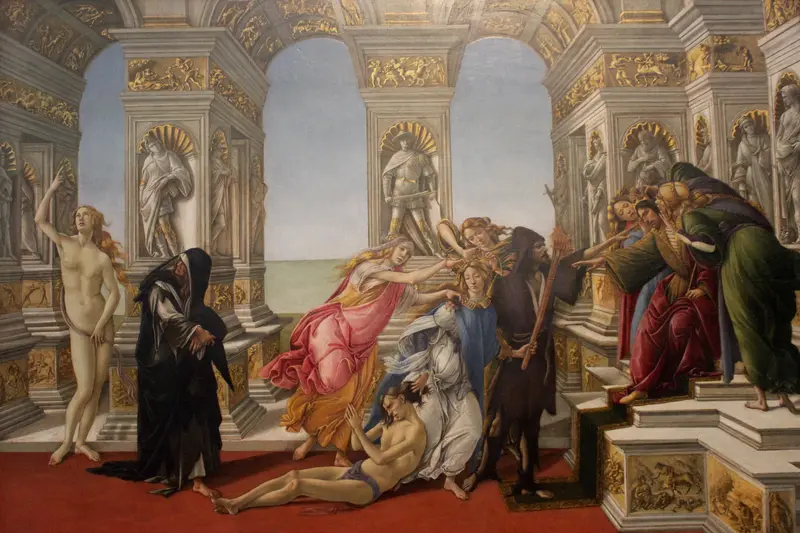
Calumny of Apelles
Sandro Botticelli
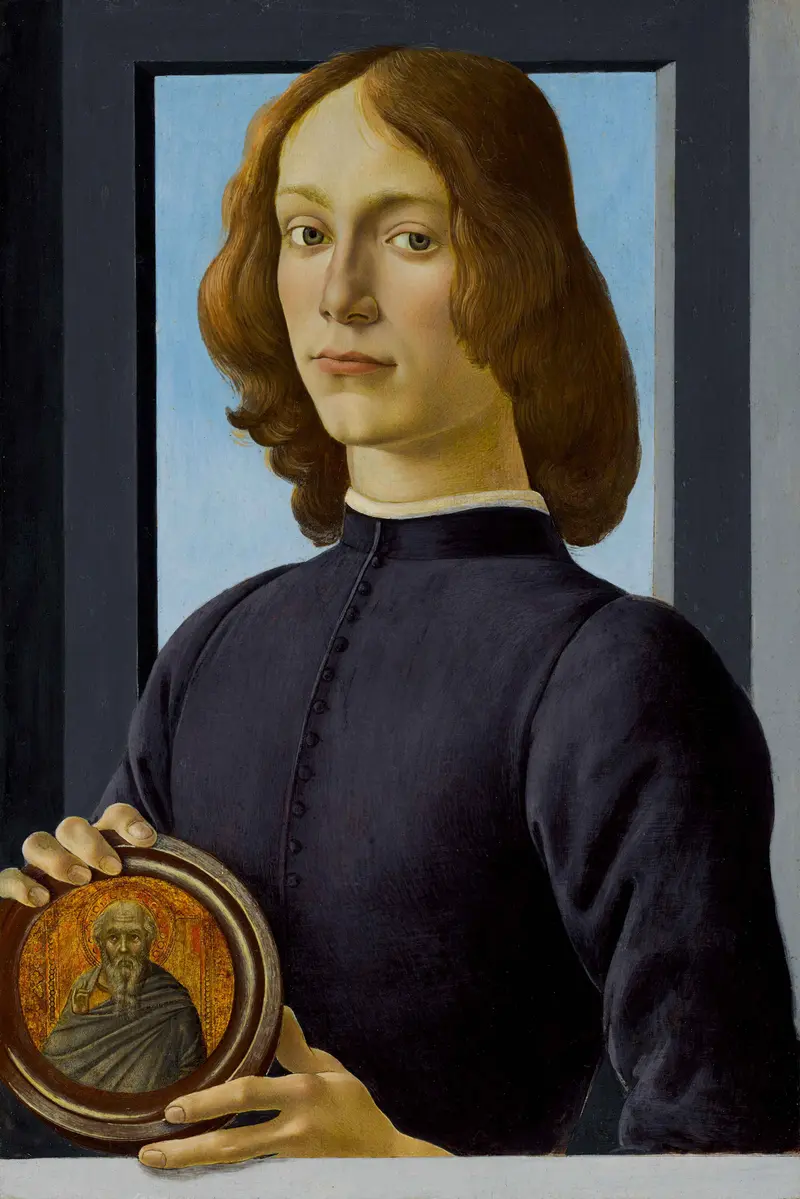
Portrait of a young man holding a roundel
Sandro Botticelli

The Trinity with Saint Mary Magdalene and Saint John the Baptist, the Archangel Raphael and Tobias
Sandro Botticelli
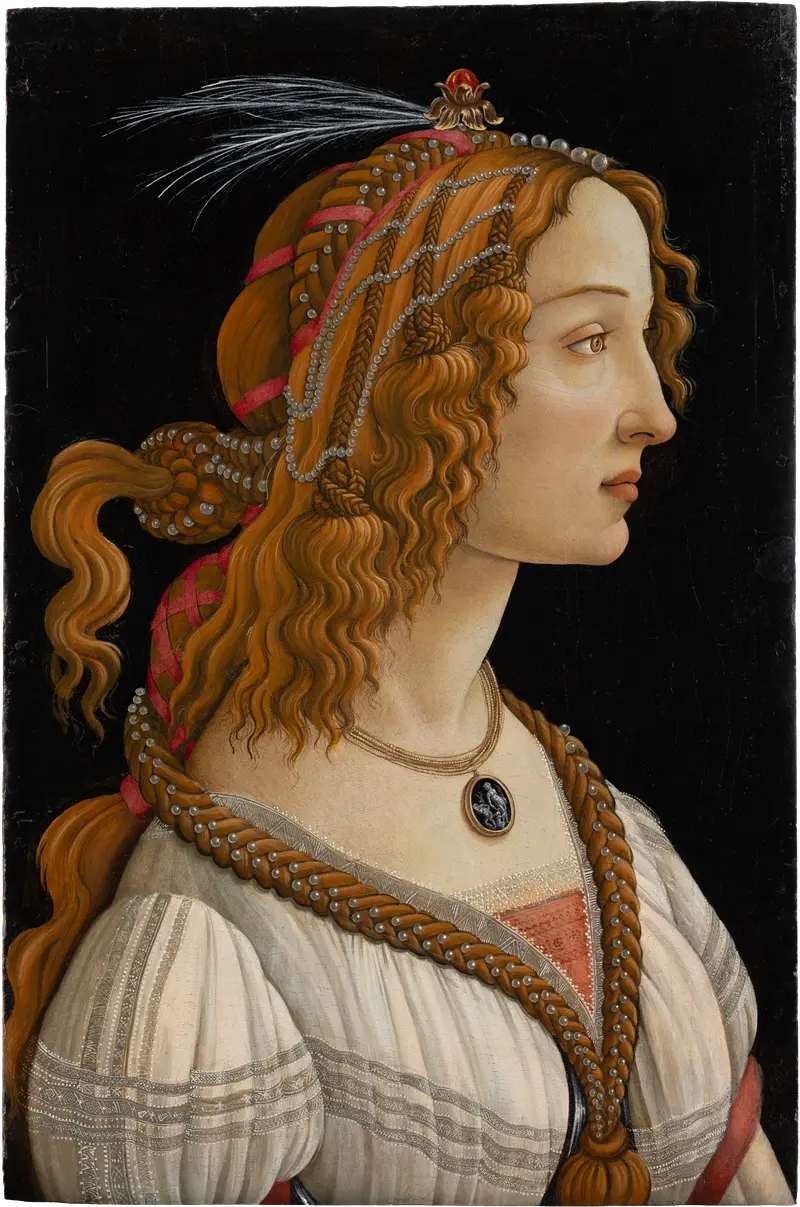
Idealized Portrait of a Lady (Portrait of Simonetta Vespucci as Nymph)
Sandro Botticelli





