
Virgin and Child with Saint Elizabeth, the Infant Baptist, Saint Anthony of Padua, and a Female Martyr — History & Facts
No other painting by Pontormo is known to gather this particular assembly of saints around the Virgin and Child, making it a rare window into the artist’s inventive approach to devotional imagery. The presence of Saint Anthony of Padua alongside the Infant Baptist and a female martyr—her identity still debated—has led to speculation about the original patron’s personal devotions or local ties. The painting’s unusual grouping has puzzled scholars, who note that it departs from the more typical Holy Family compositions of early sixteenth-century Florence.
This sense of mystery is heightened by the lack of a secure date or commission record, leaving the work’s origins tantalizingly open. At the heart of the scene, the Virgin gently steadies the Christ Child, who leans toward his cousin John the Baptist—a moment of familial intimacy and foreshadowed destiny. Saint Elizabeth, John’s mother, looks on with a mixture of pride and foreboding, while Saint Anthony, identified by his Franciscan habit and lily, stands as a figure of humility and learned devotion. The female martyr, perhaps Saint Catherine or Saint Lucy, holds her attribute (a palm or wheel, depending on interpretation), her gaze directed outward as if inviting the viewer into the sacred circle.
The composition’s swirling arrangement and elongated figures recall the restless energy of Pontormo’s Visitation, while the clear, cool palette distinguishes it from the warmer tones favored by his contemporary, Andrea del Sarto. The painting’s early history is obscure, though its style and iconography place it securely within Pontormo’s mature period, when he was sought after for both public and private commissions in Florence. Without surviving documentation, it is not clear for whom the work was painted, nor how it traveled through the centuries. Its attribution to Pontormo has been largely uncontested, thanks to the distinctive handling of drapery and anatomy, though the identity of the female saint continues to prompt debate.
Today, the painting is recognized as a testament to Pontormo’s inventive spirit and his ability to breathe new life into traditional religious themes, even as many details of its early journey remain lost to time.
More Artworks by Pontormo (Jacopo Carucci)
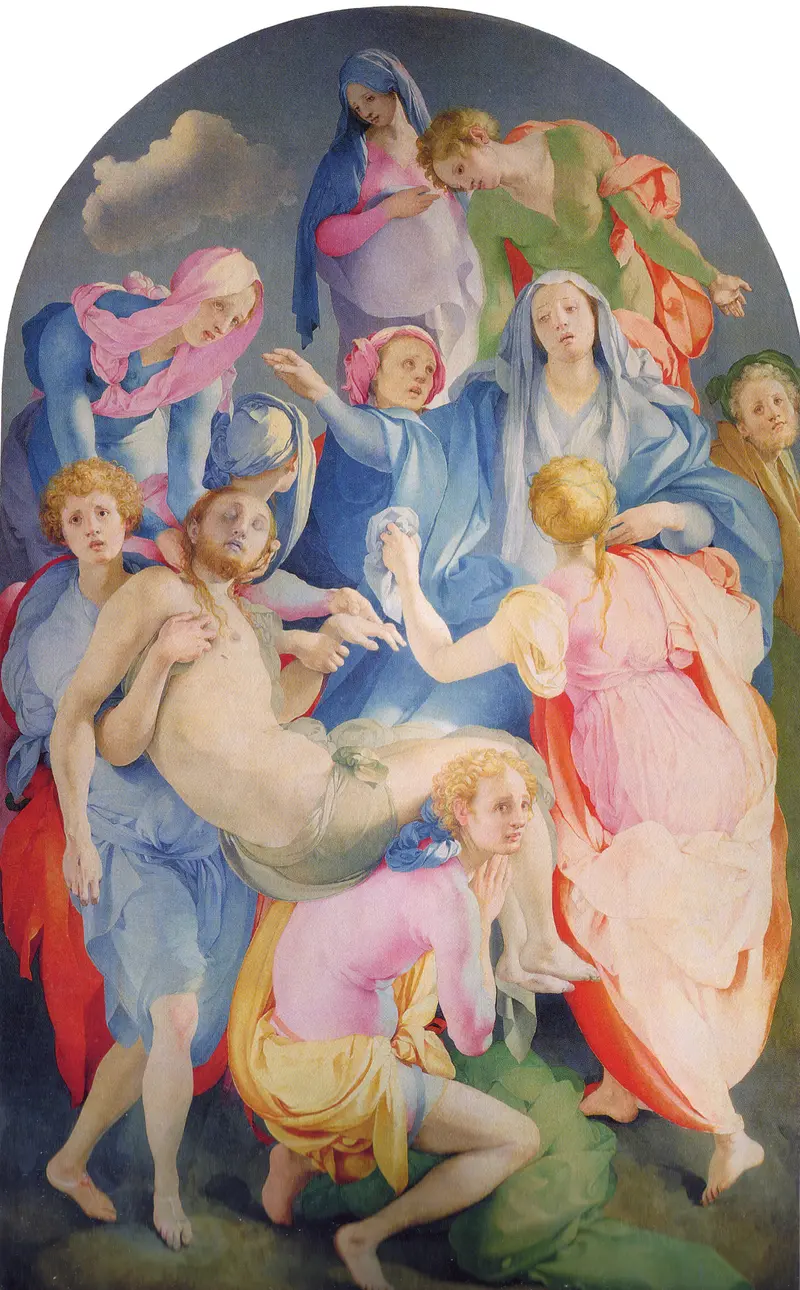
The Deposition from the Cross
Pontormo (Jacopo Carucci)
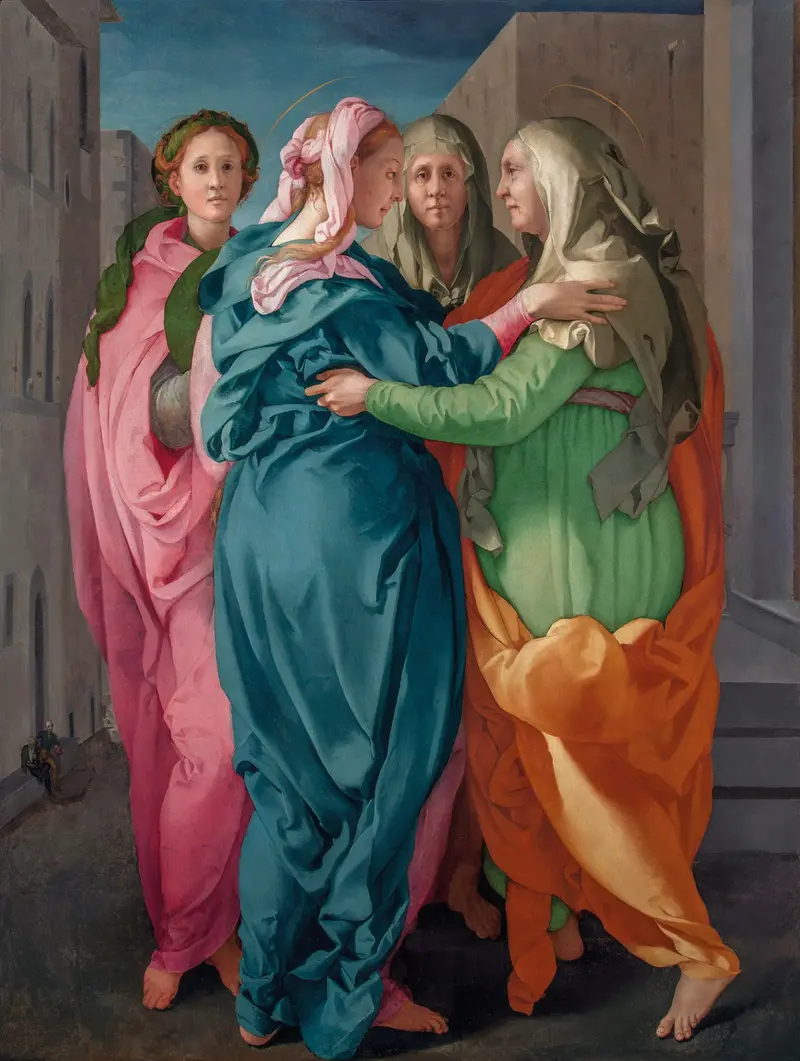
The Visitation (Carmignano)
Pontormo (Jacopo Carucci)
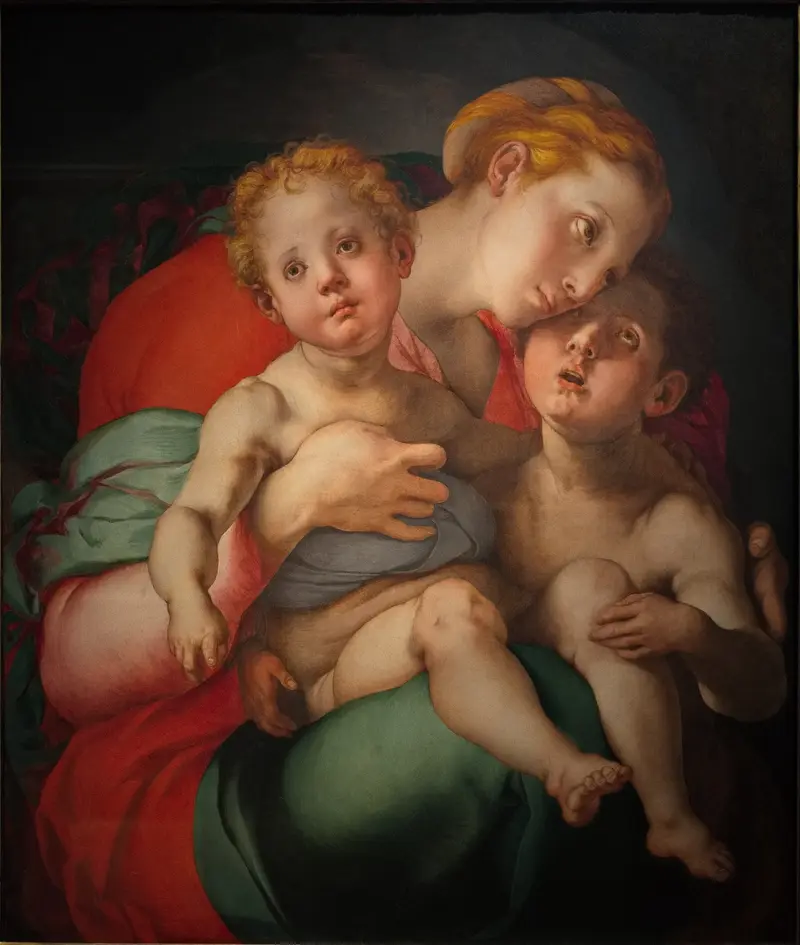
Madonna with Child and the young Saint John
Pontormo (Jacopo Carucci)
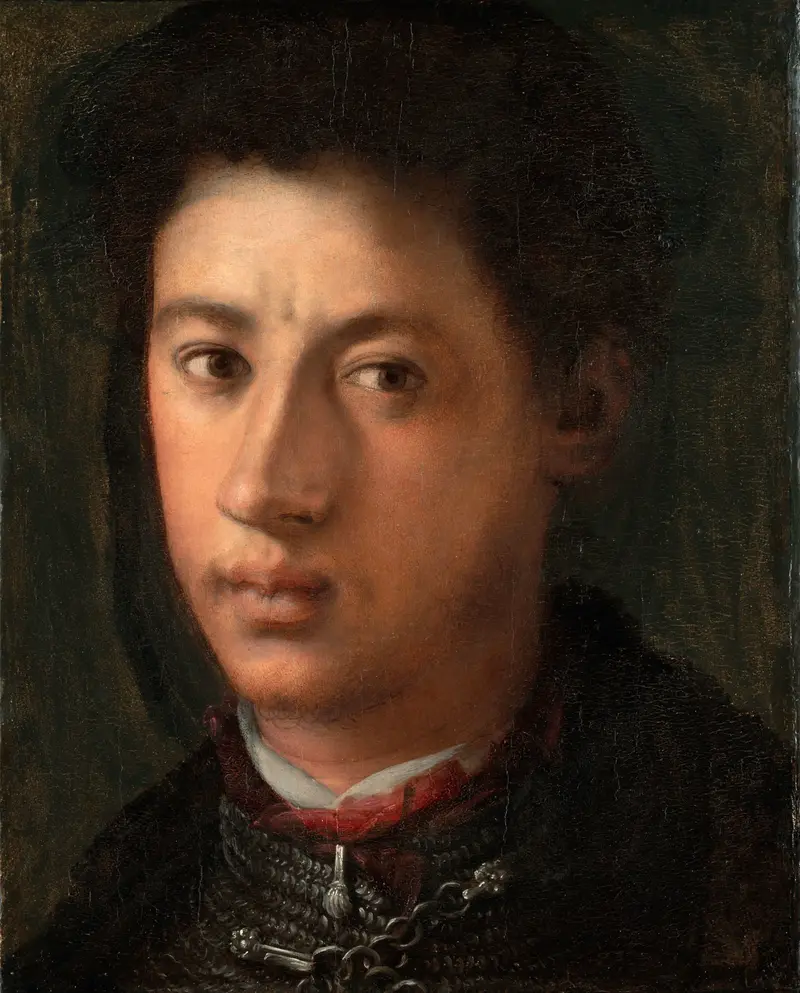
Alessandro de’ Medici
Pontormo (Jacopo Carucci)
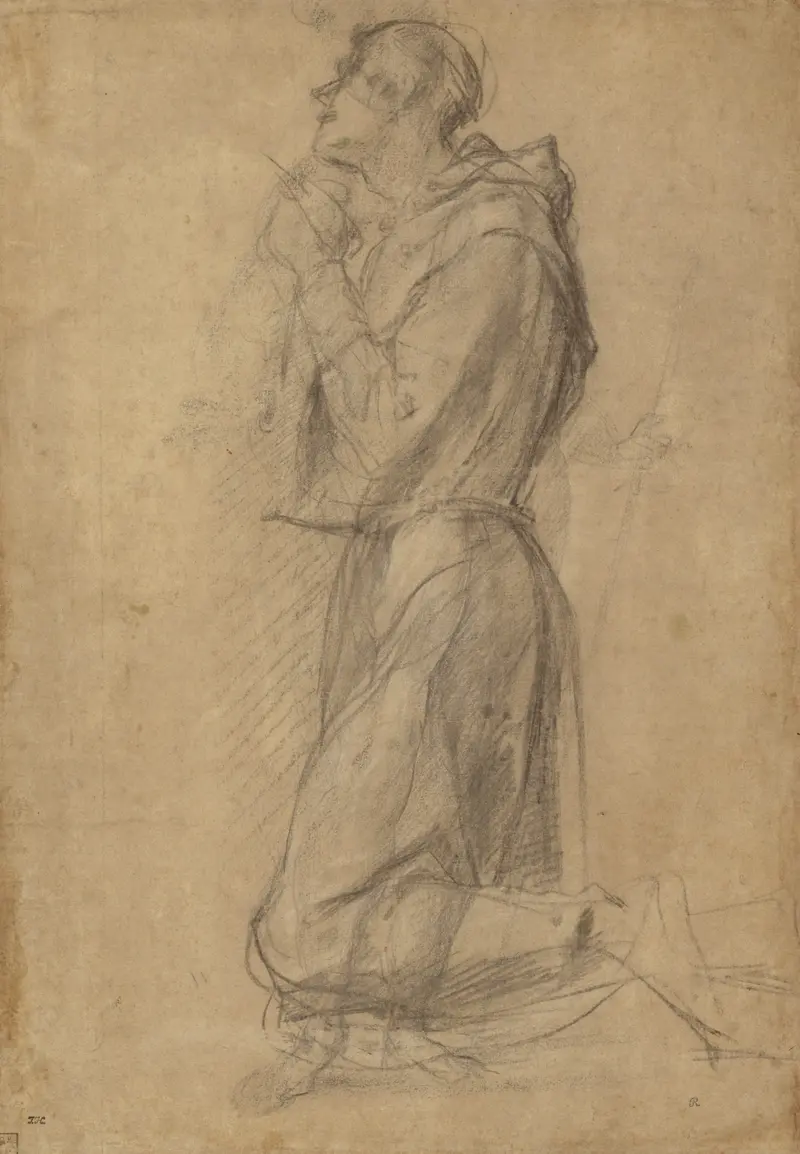
Saint Francis
Pontormo (Jacopo Carucci)
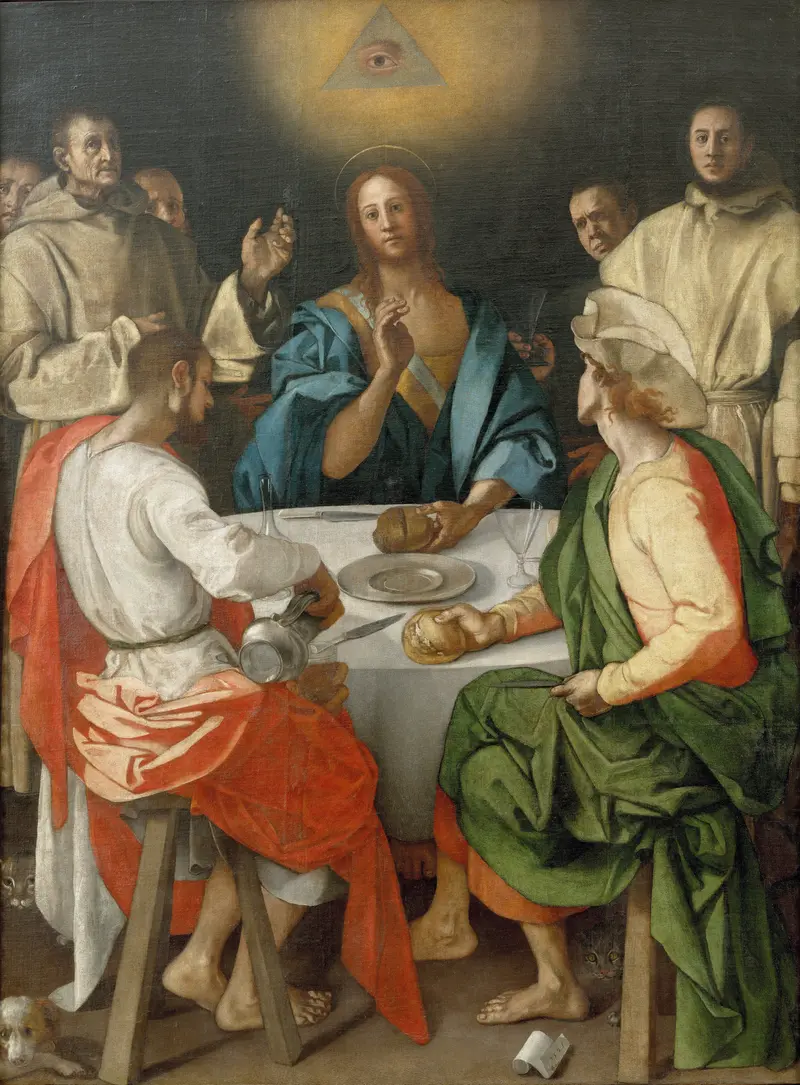
Supper at Emmaus
Pontormo (Jacopo Carucci)
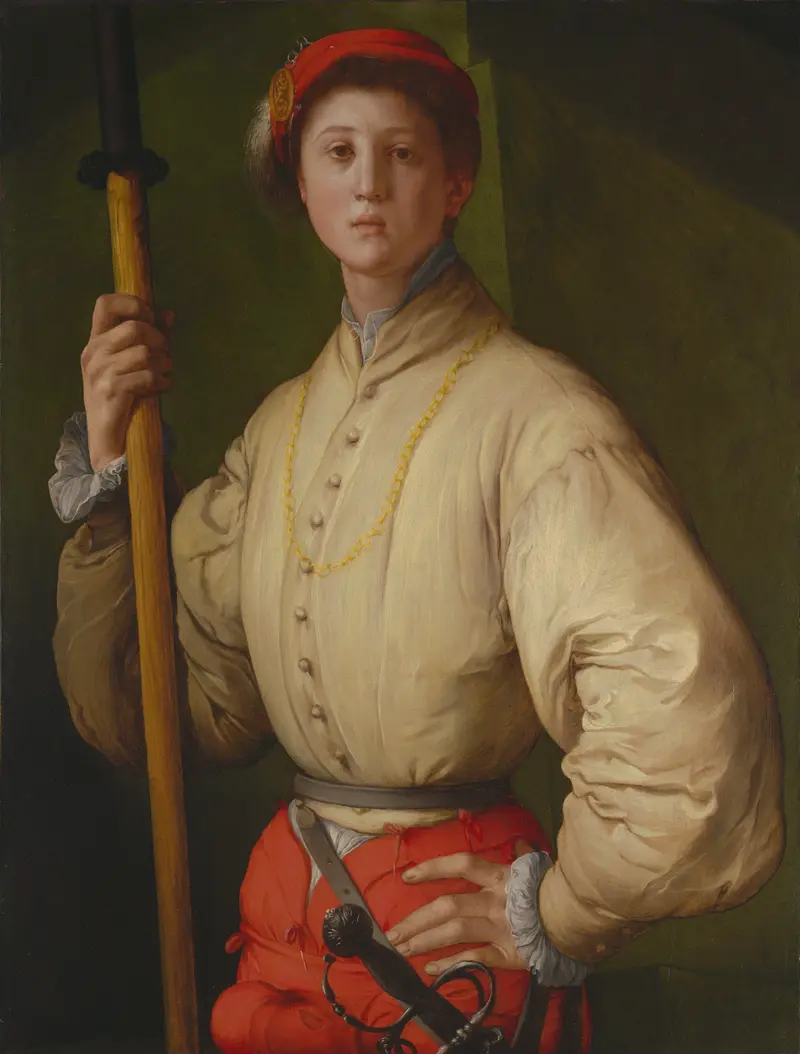
Portrait of a Halberdier
Pontormo (Jacopo Carucci)
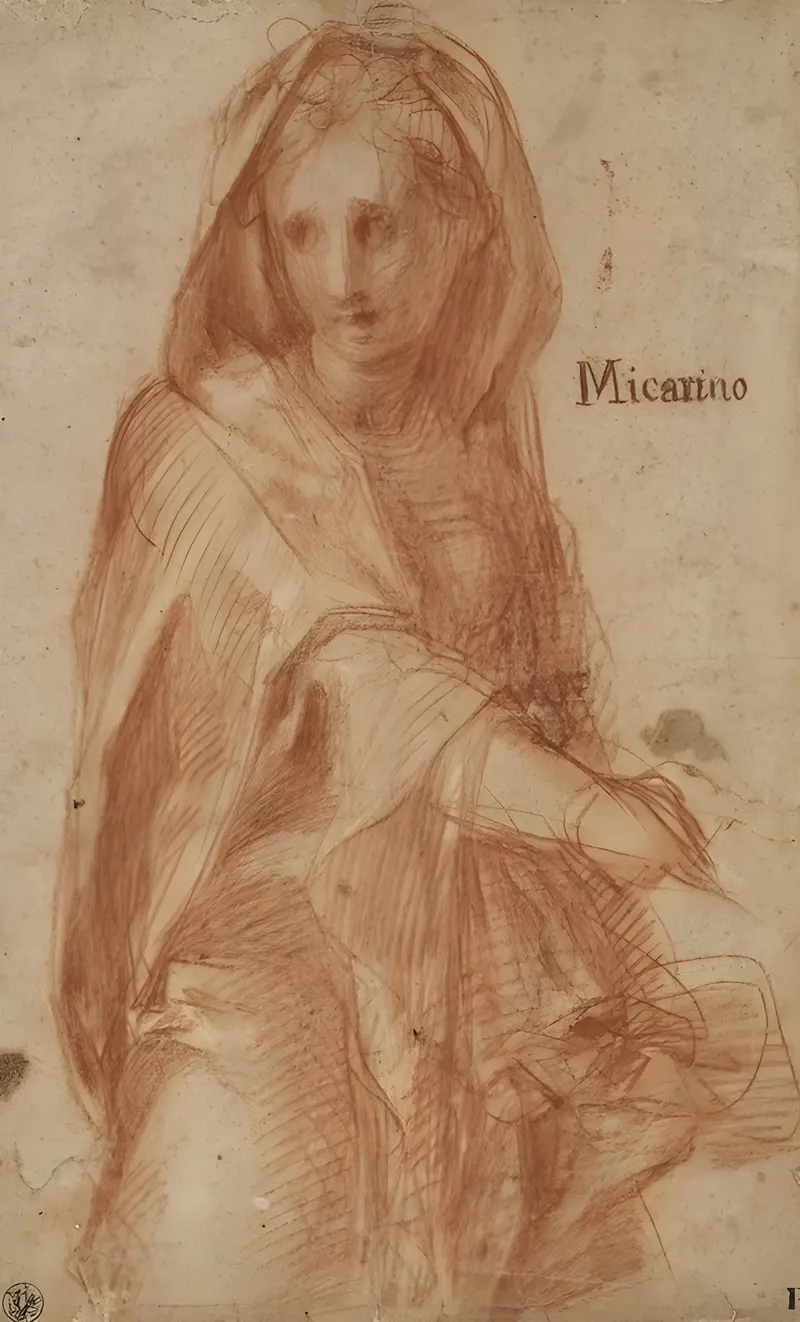
Female figure with covered head (study for a figure in the fresco of the Visitation in Santissima Annunziata)
Pontormo (Jacopo Carucci)
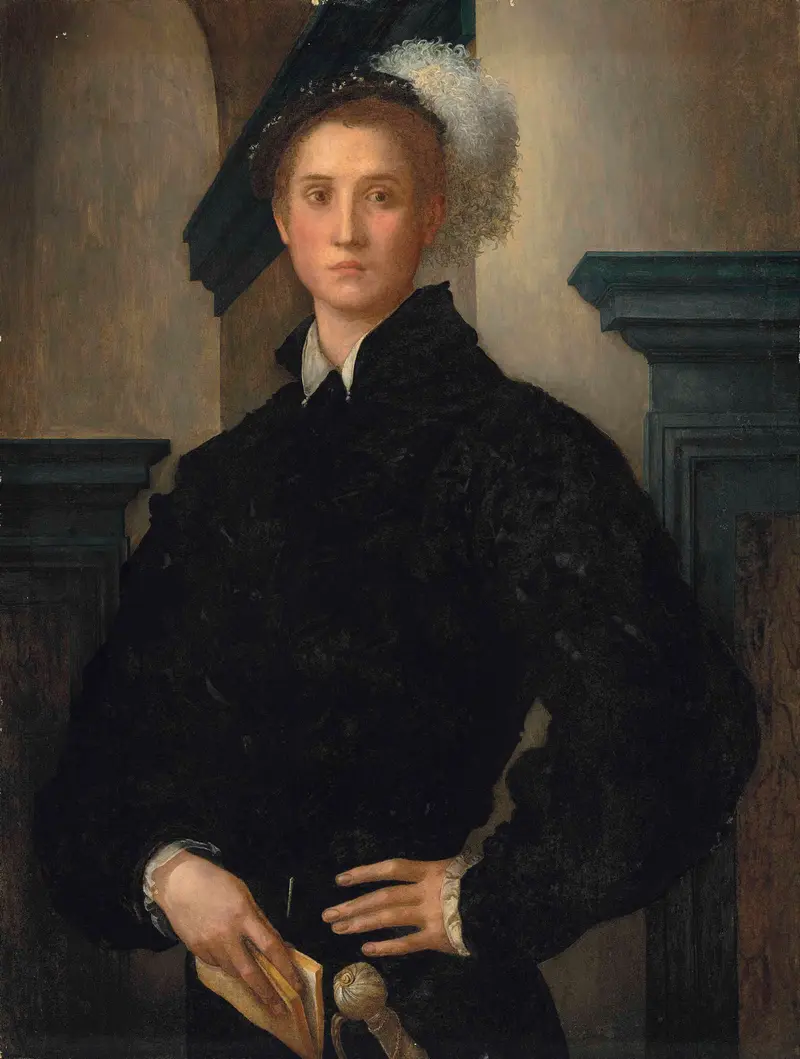
Portrait Of Cosimo I De Medici
Pontormo (Jacopo Carucci)
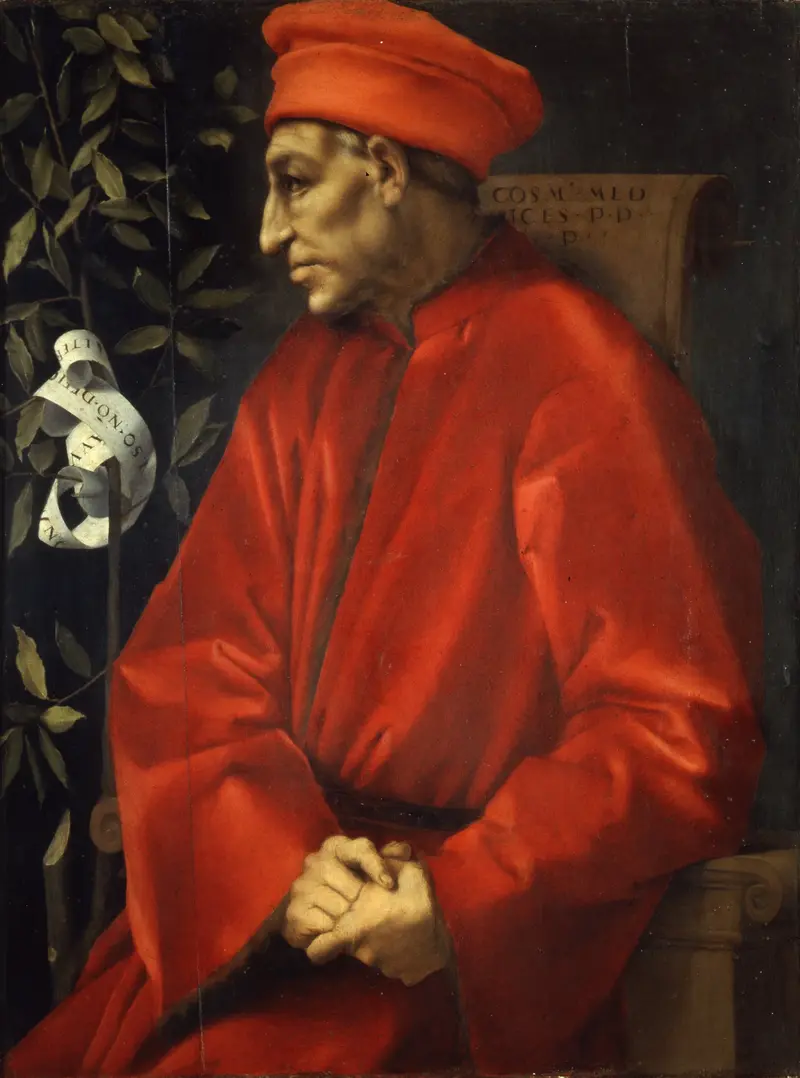
Portrait of Cosimo de’ Medici the Elder
Pontormo (Jacopo Carucci)





