
Visage de femme — History & Facts
In Visage de femme, Henri Matisse presents a striking portrait of a woman. The painting is characterized by bold colors, predominantly reds, yellows, and greens. The figure's face is simplified and stylized, emphasizing the contours and shapes rather than realistic details.
This approach gives the work a vibrant and dynamic quality, typical of Matisse's style. The painting is executed in oil on canvas, a medium that allows for rich color application and texture. Matisse employs a technique that combines flat areas of color with expressive brushwork. The dimensions are approximately 60 x 80 cm, making it a medium-sized work that draws the viewer's attention.
The composition is balanced yet lively, with the woman's features harmoniously integrated into the overall design. Henri Matisse was a leading figure in the Fauvism movement, known for its use of color as a means of expression. Visage de femme reflects his innovative approach to portraiture, where color and form take precedence over realism. An interesting fact about this work is that it exemplifies Matisse's belief that art should be a source of joy and beauty.
This painting remains a significant example of modernist art in the early 20th century.
More Artworks by Henri Matisse
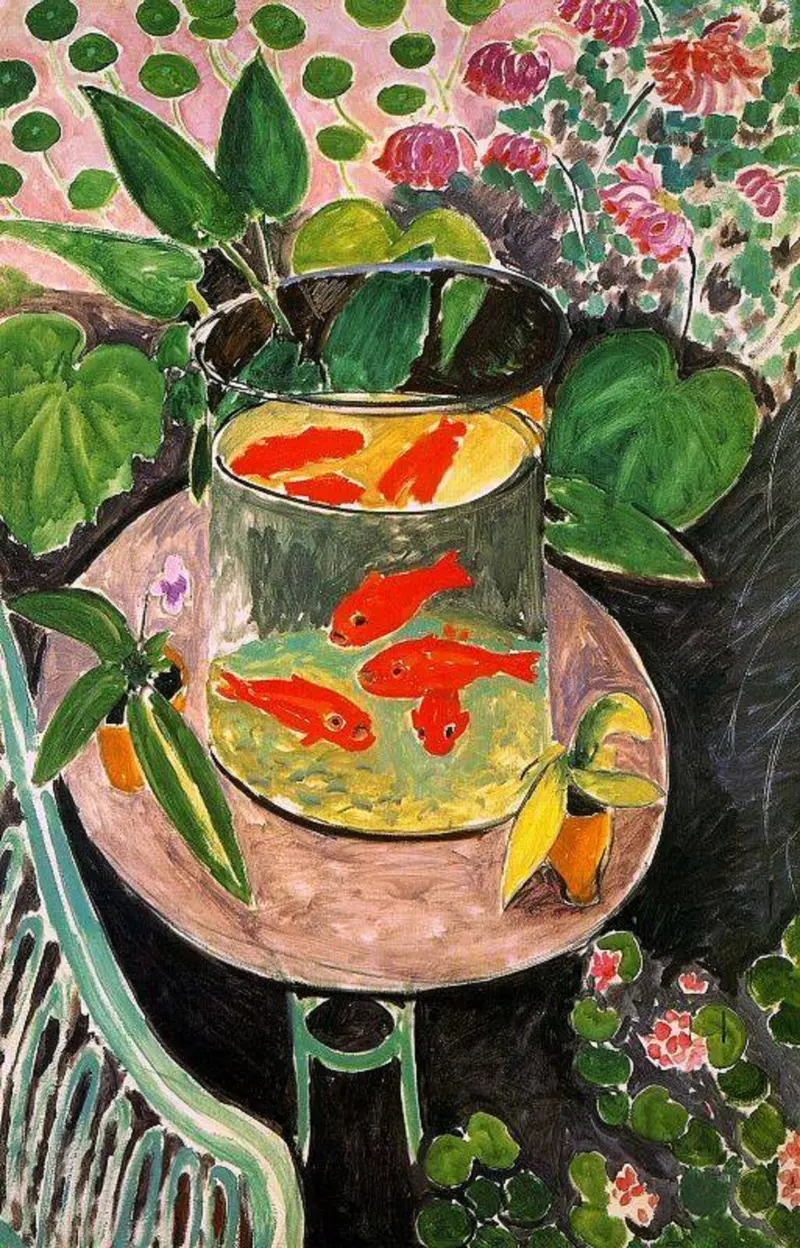
Goldfish
Henri Matisse

Femme au chapeau fleuri
Henri Matisse

Le Bonheur de vivre, also called The Joy of Life
Henri Matisse

Femme près de la fenêtre, Nice
Henri Matisse
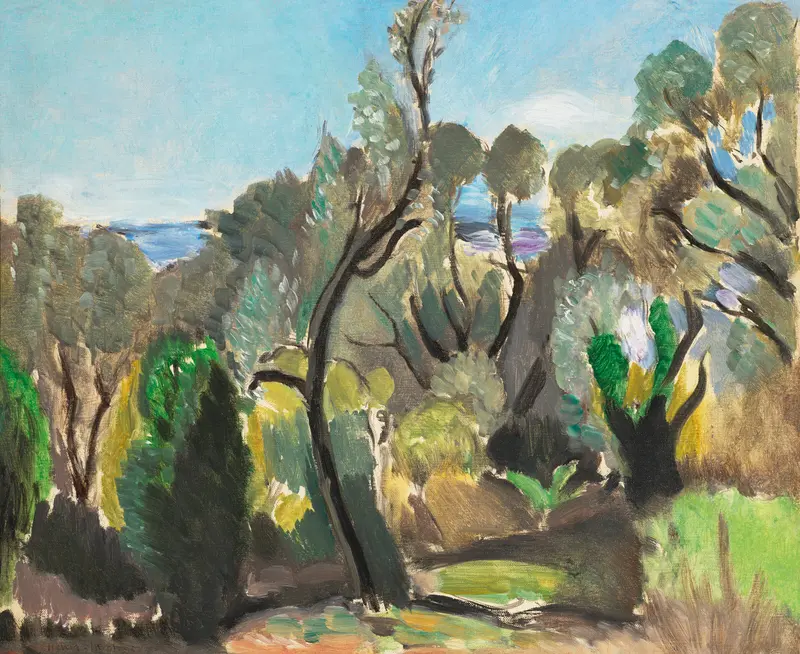
Paysage aux environs de Nice ou Les Oliviers ou Coin du Mont-Boron
Henri Matisse
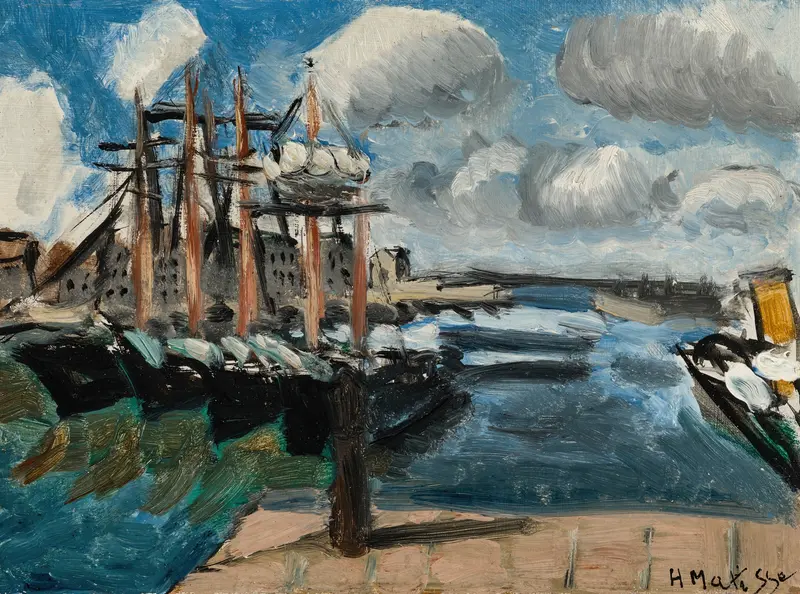
Port de Cherbourg
Henri Matisse

Paysage du Midi
Henri Matisse
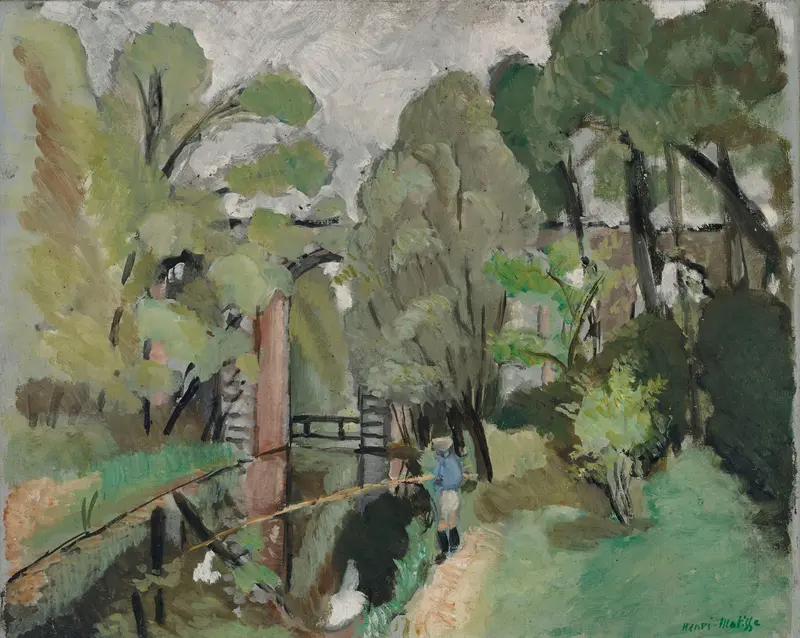
Le Petit pêcheur, Maintenon
Henri Matisse
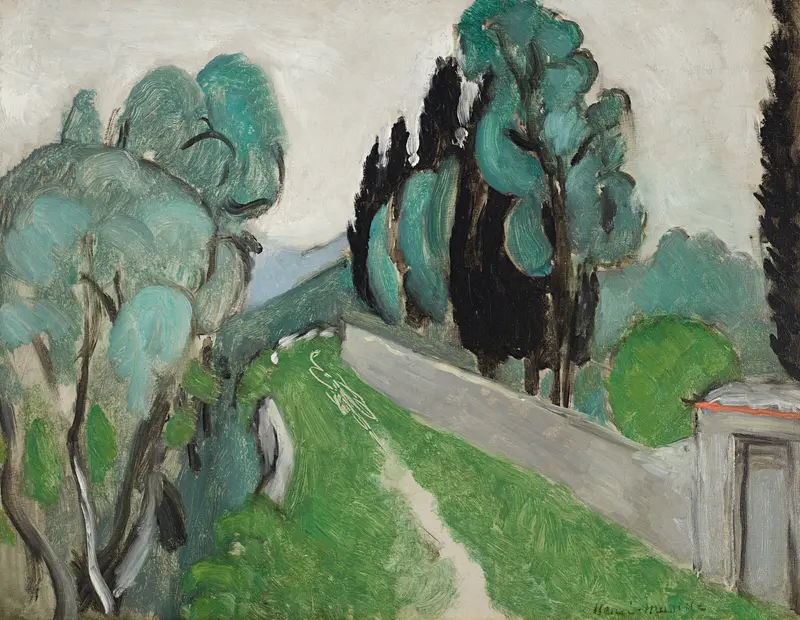
Paysage avec cyprès et oliviers aux environs de Nice
Henri Matisse
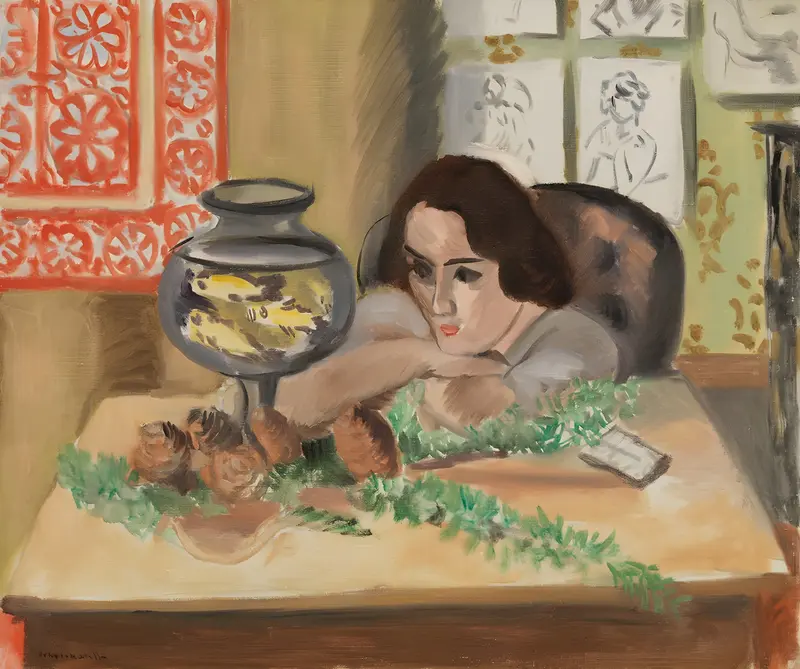
Woman before an Aquarium
Henri Matisse





