
Visitatie — History & Facts
In a dimly lit chamber, two women embrace, their faces illuminated by a gentle, divine light that floods in from the left. One, pregnant and poised, embodies serenity, while the other, cloaked in urgency, carries a mixture of joy and disbelief. Between them hangs an air of unsaid words, a fragile balance teetering on the edge of fate—a moment saturated with both reverence and unvoiced betrayal. Look to the right at the delicate folds of the figures’ garments, rendered in rich hues of blue and gold that contrast sharply with the muted background.
Notice how the light caresses their faces, highlighting the tension in their expressions; the artist’s masterful use of chiaroscuro brings depth to their features, drawing the viewer into their intimate world. Every brushstroke conveys a sense of urgency, inviting you to linger on the details of their gestures—a gentle touch here, a hesitant glance there, all framed within an architectural space that feels both sacred and confining. Digging deeper, examine the vibrant colors that symbolize duality: the joy of new life versus the looming shadow of betrayal. The pregnant figure embodies hope, while the other projects a sense of foreboding, hinting at the complexities of relationships and the weight of unseen choices.
The background is painted with an ambiguous darkness, an echo of the internal struggles that the women seem to share, revealing layers of emotion that resonate with the viewer long after the initial image is absorbed. Jacob Cornelisz van Oostsanen painted Visitatie between 1520 and 1521 in the Netherlands during a time when the Northern Renaissance was flourishing. Emerging as a leading figure in the Haarlem school, he was deeply influenced by both religious themes and the early humanist movement, which sought to explore the human experience through art. This piece reflects not only his mastery of form and color but also the shifting tensions of spirituality and personal relationships in the era.
More Artworks by Jacob Cornelisz van Oostsanen
Browse all →
De hemelvaart en Christus voor God de Vader
Jacob Cornelisz van Oostsanen
Het hostiewonder van Amsterdam
Jacob Cornelisz van Oostsanen
The Adoration of the Christ Child
Jacob Cornelisz van Oostsanen
Vlucht naar Egypte
Jacob Cornelisz van Oostsanen
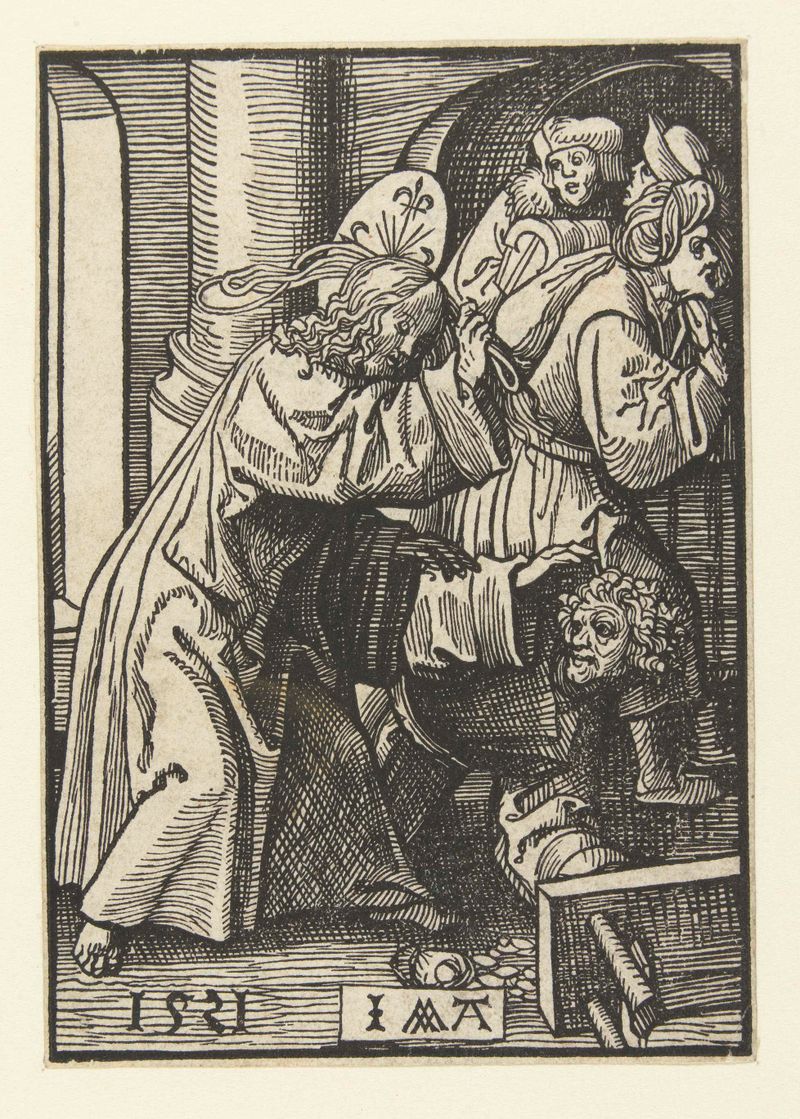
Verdrijving van de handelaren uit de tempel
Jacob Cornelisz van Oostsanen
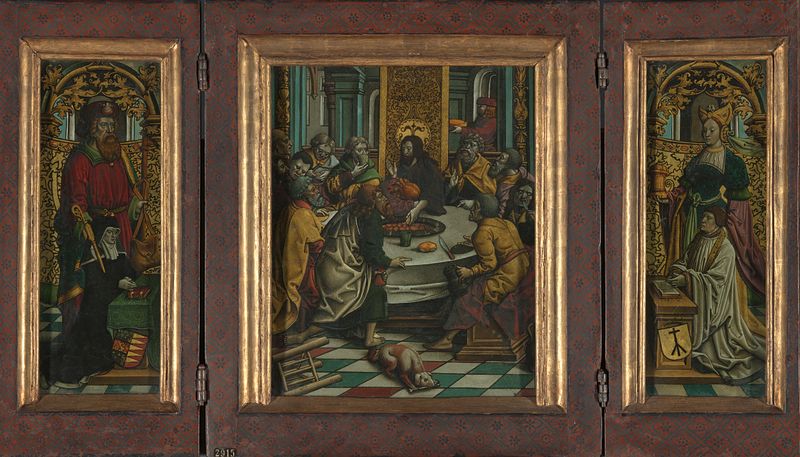
Triptych with the Last Supper and Donors
Jacob Cornelisz van Oostsanen
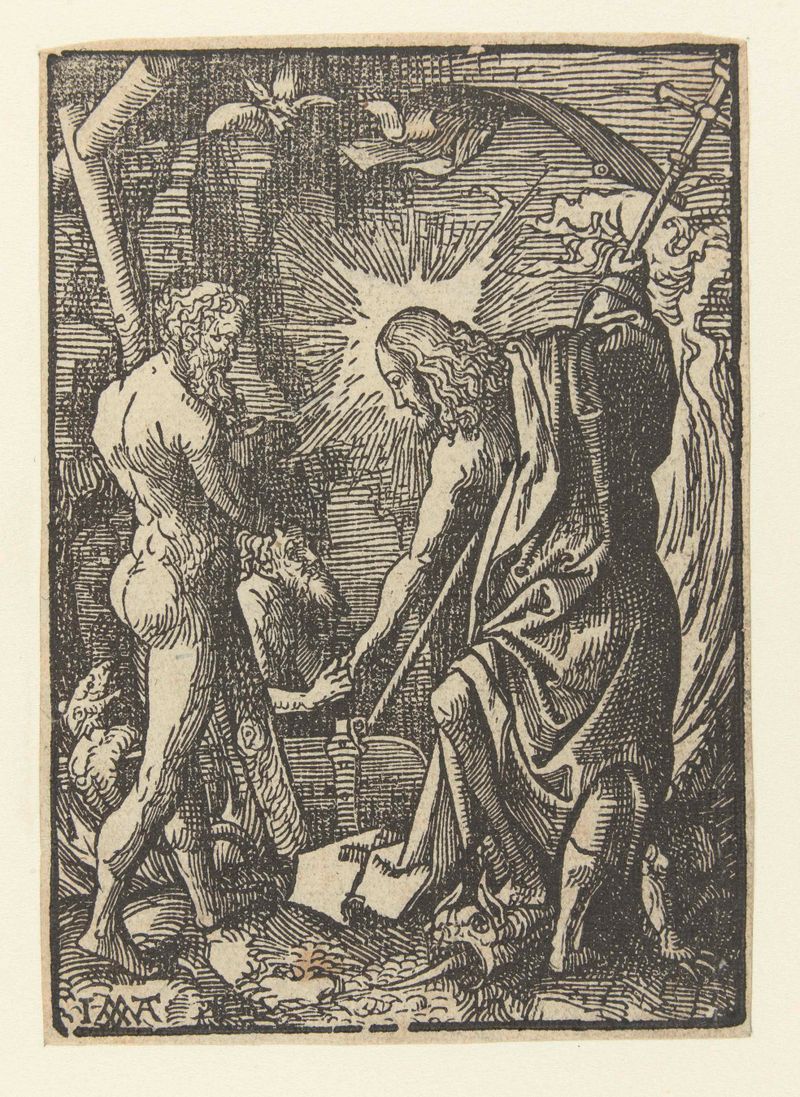
Christus in het voorgeborchte
Jacob Cornelisz van Oostsanen
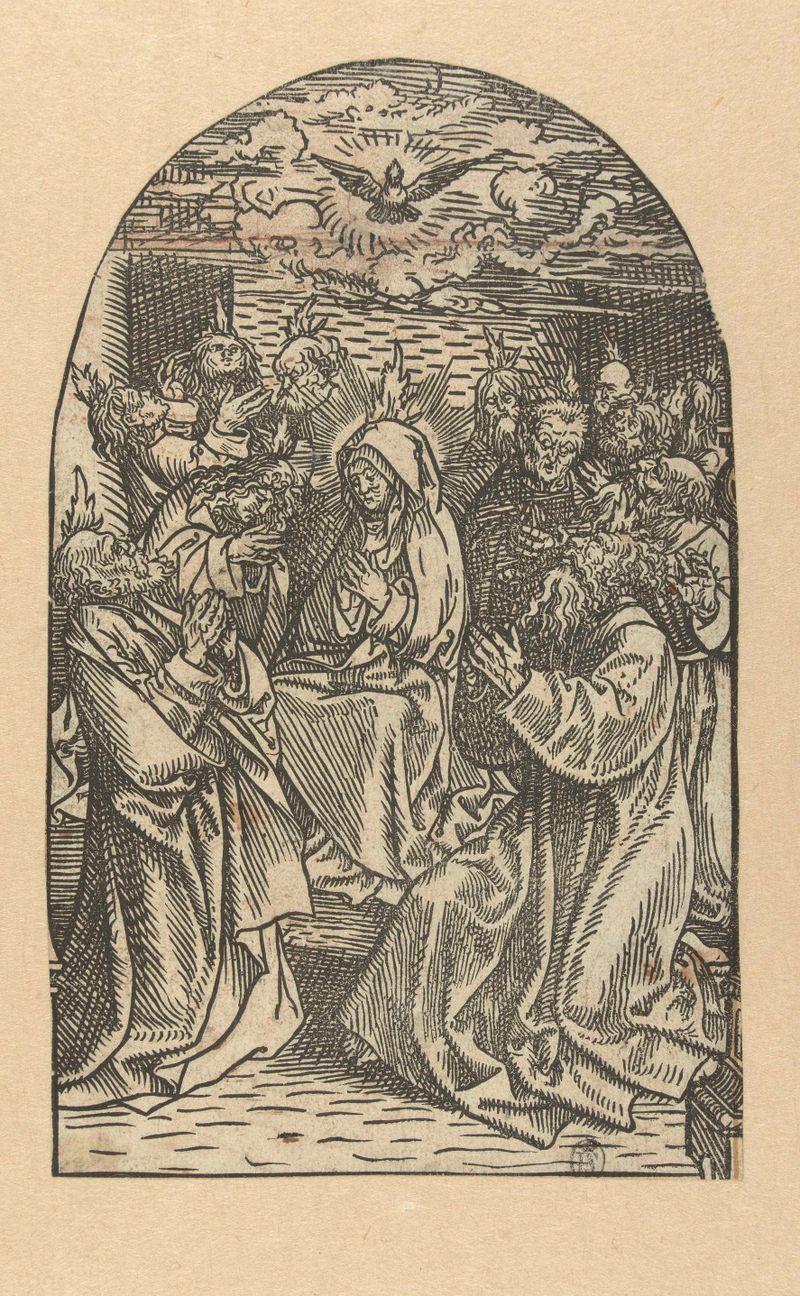
Uitstorting van de Heilige Geest
Jacob Cornelisz van Oostsanen
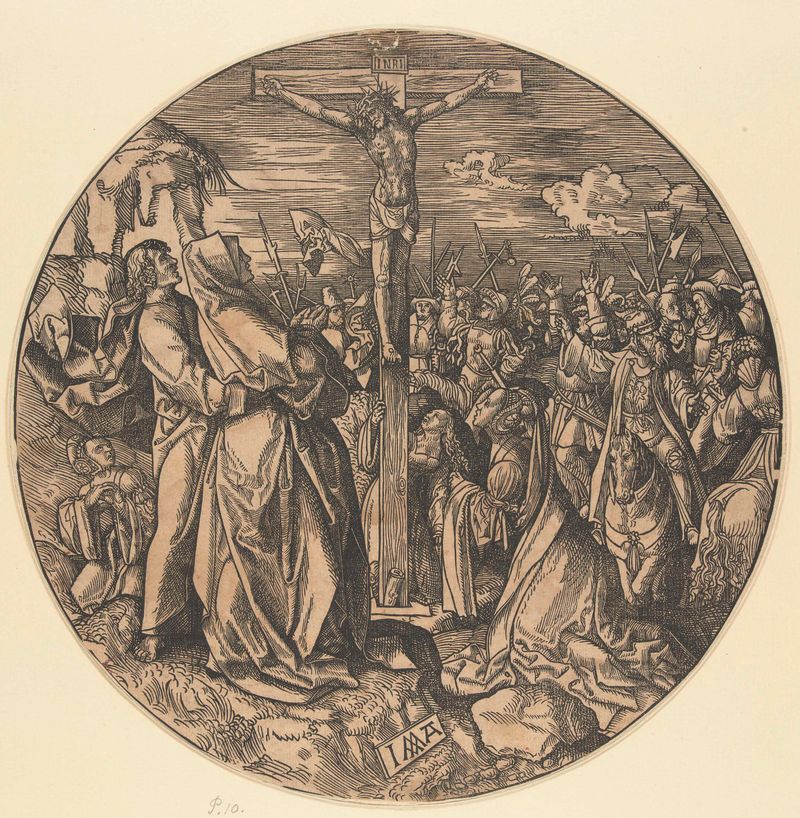
Christus aan het kruis
Jacob Cornelisz van Oostsanen

De kruisiging en de graflegging van Christus
Jacob Cornelisz van Oostsanen
More Religious Art
Browse all →
The Return of the Prodigal Son
Rembrandt van Rijn

The Garden of Earthly Delights
El Bosco

Count Orgaz’ funeral
El Greco

The Hundred Guilder Print: the central piece with Christ preaching, the plate arched
Rembrandt van Rijn

The Descent from the Cross
Rogier van der Weyden

The return of the prodigal son
Rembrandt van Rijn