
Vita somnium breve — History & Facts
A stone arch inscribed with the Latin phrase “Vita somnium breve” — “Life is a brief dream” — draws the eye into the heart of Arnold Böcklin’s 1888 meditation on the arc of existence. In the foreground, two children are absorbed in the simple wonder of a brook, their innocence set in a meadow alive with wildflowers. The scene is anchored by a woman, half-turned and holding a bouquet, her gaze lifted as if savoring the scent and the moment.
Yet above, the mood shifts: a mounted figure, an old man hunched in thought, and a shadowy form with a scythe gather on a rocky ledge, silhouetted against a sky of gathering clouds. The composition is a careful choreography of innocence, beauty, and the looming presence of mortality. Painted in the late nineteenth century, this work belongs to a world on the threshold of modernity, when artists like Böcklin turned to myth, allegory, and the cycles of nature to explore the mysteries of life and death. The lushness of the lower half, with its dappled light and delicate flowers, evokes the Romantic fascination with childhood and the senses, while the upper register’s somber figures recall the Symbolist urge to probe the unseen forces shaping human fate.
Created in 1888 and now in the collection of the Kunstmuseum Basel, Vita somnium breve stands as a vivid reminder that, for all the advances of its era, the brevity and wonder of life remained perennial themes. The painting invites us to linger, to trace the journey from playful beginnings to the shadowed edge, and to find meaning in the fleeting dream.
More Artworks by Arnold Böcklin

Die Toteninsel III
Arnold Böcklin
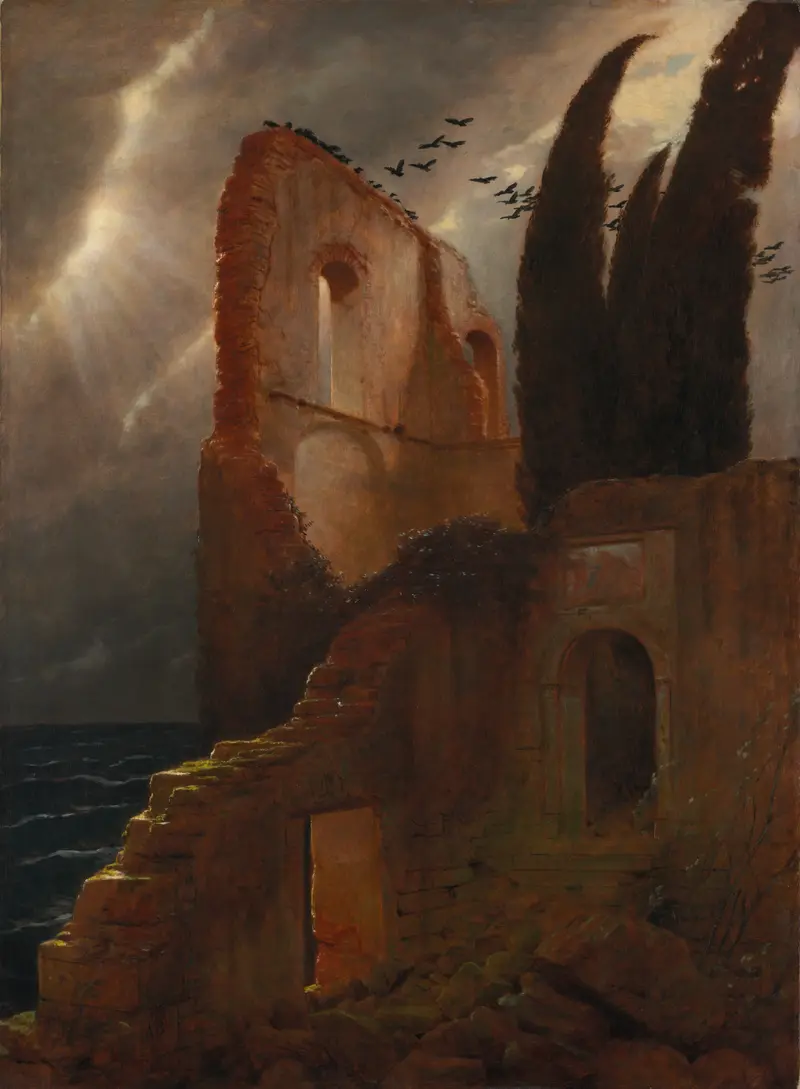
Ruin by the Sea
Arnold Böcklin
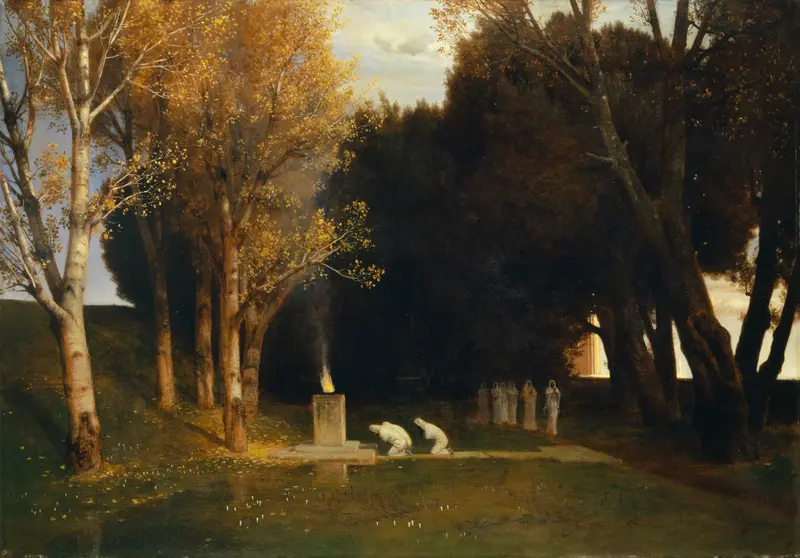
The Sacred Grove
Arnold Böcklin
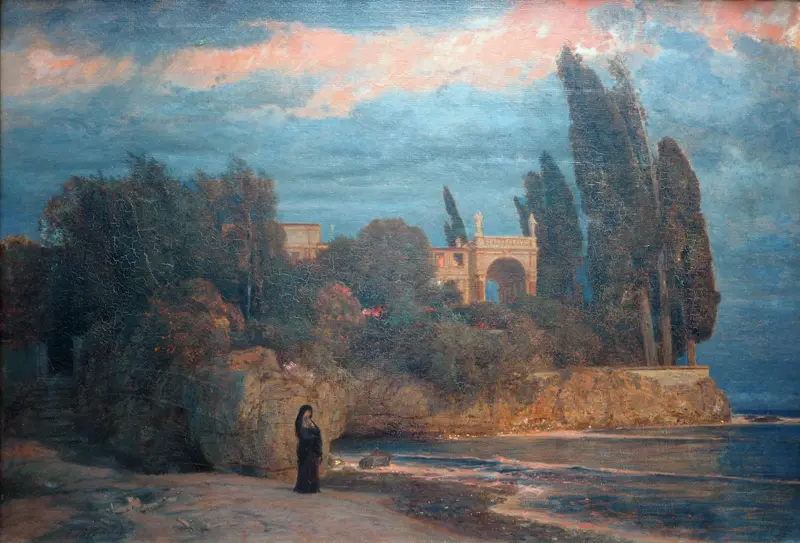
Villa by the Sea
Arnold Böcklin
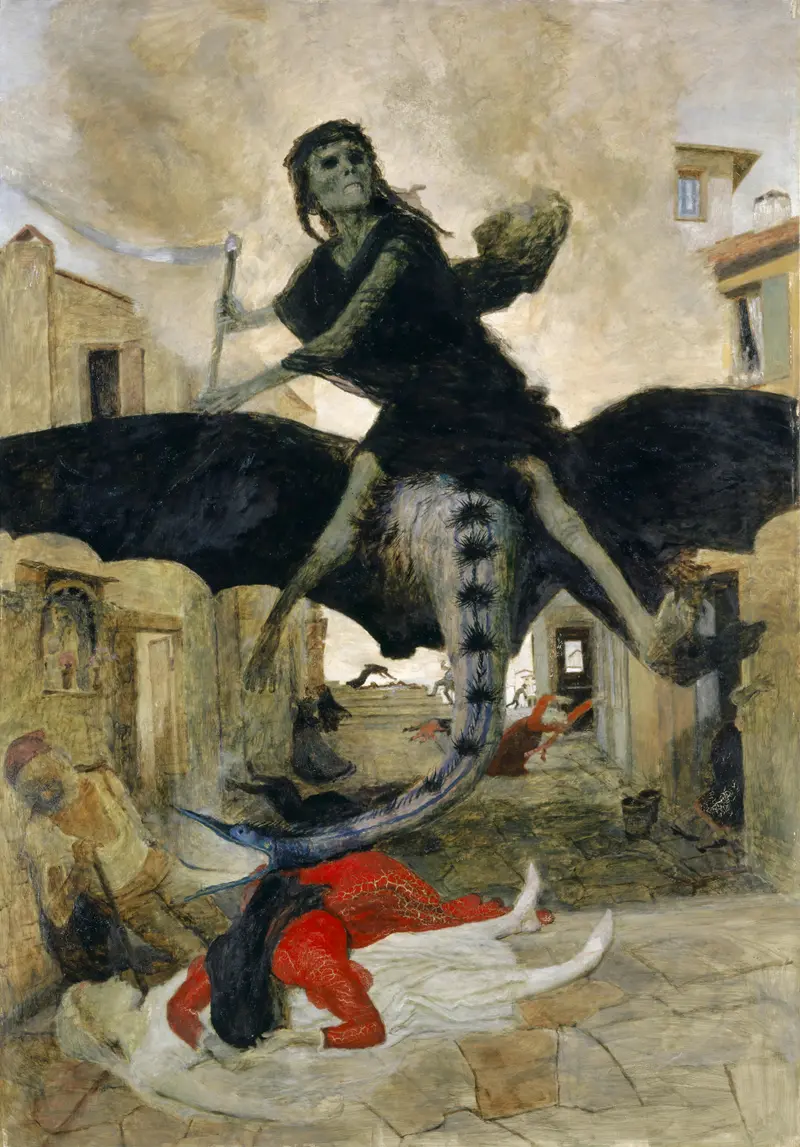
The Plague
Arnold Böcklin
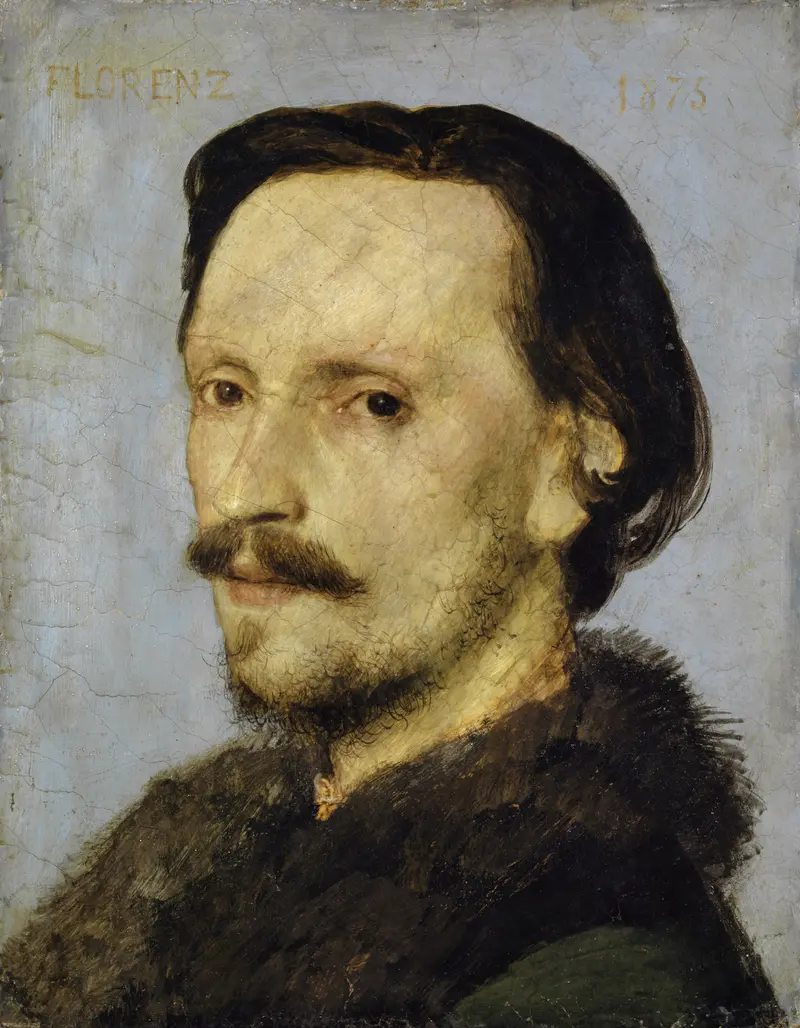
Böcklin Bildnis des Kunsthistorikers Adolph Bayersdorfer, 1875
Arnold Böcklin
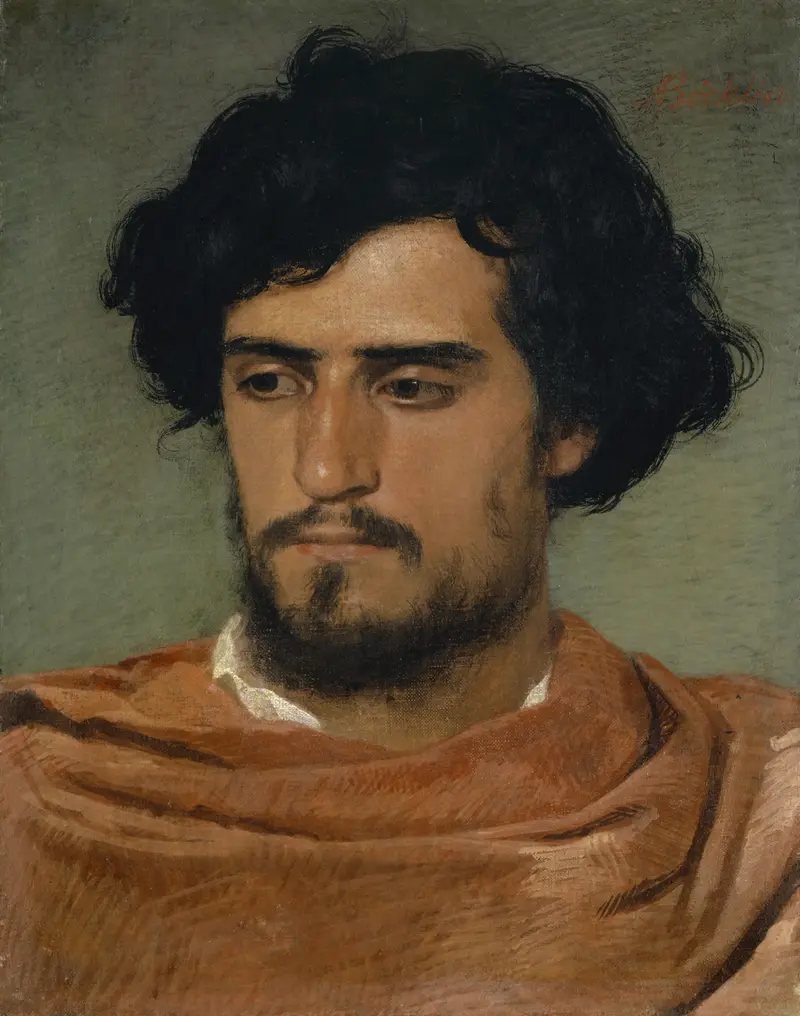
Head of a Roman
Arnold Böcklin
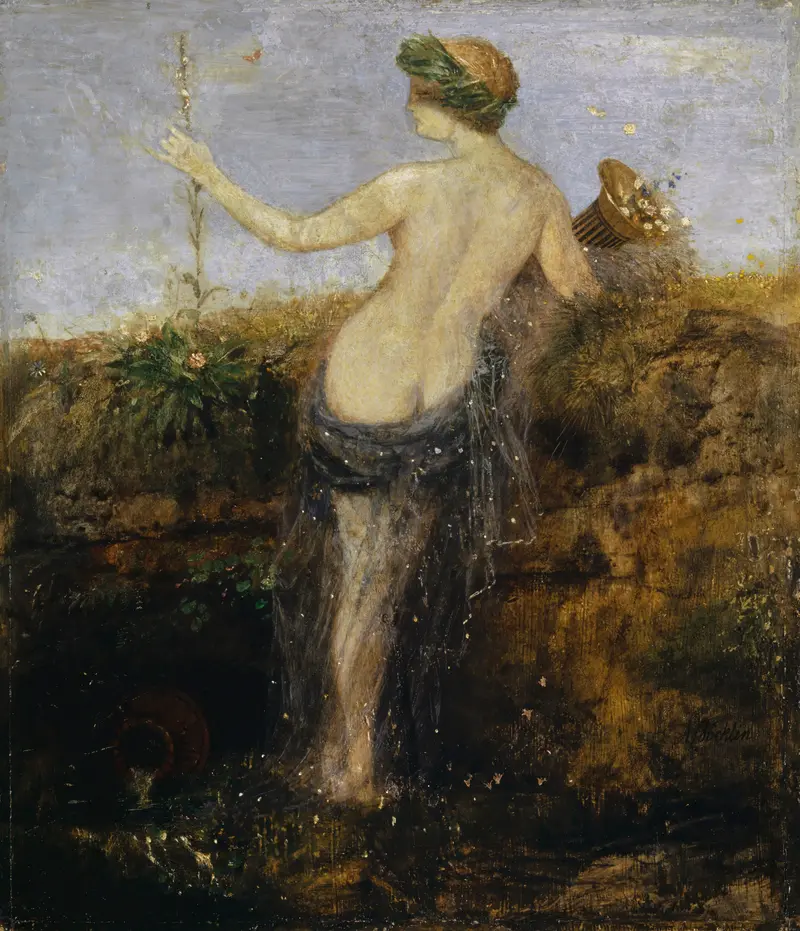
Nymphe with Horn of Plenty
Arnold Böcklin
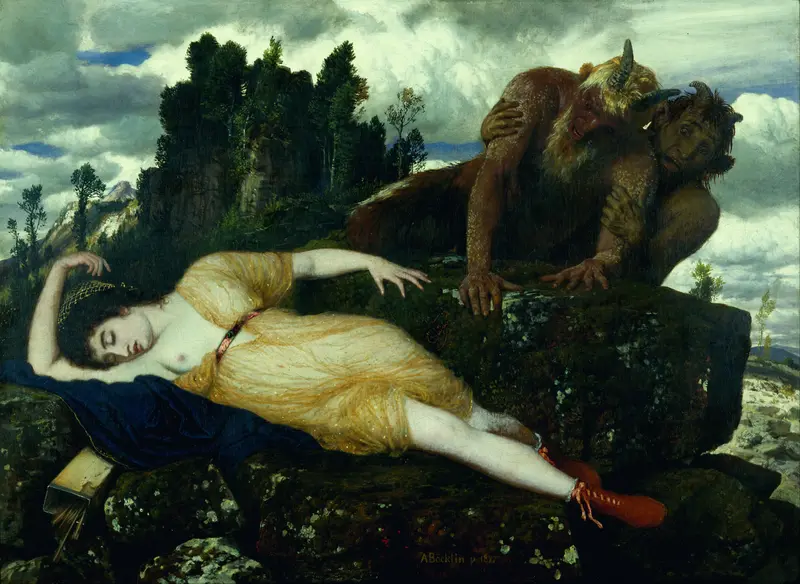
Sleeping Diana Watched by Two Fauns
Arnold Böcklin
Spring (Songs of Spring)
Arnold Böcklin





