
Vivers — History & Facts
In the quiet interplay of hues and tones, a delicate balance emerges, inviting us to ponder the intricacies of existence. Focus on the cool blues and soft earth tones that envelop the canvas, offering a serene backdrop against which more vivid colors pulsate. The composition draws you in, guiding your gaze to the gentle curves and lines that create a harmonious flow. Notice how the play of light dances across the surface, casting shadows that breathe depth into the scene, while the subtleties of texture evoke a sense of tactile intimacy. As you delve deeper, consider the tension between the vibrant shades and muted areas — a reflection of the constant struggle between chaos and calm.
Each brushstroke seems to whisper a story of balance, where vibrant reds and yellows clash playfully with subdued greens and browns, capturing the essence of life's contradictions. This visual dialogue resonates emotionally, prompting us to contemplate the dualities that define our own experiences. Created between 1840 and 1844, this work emerged during a transformative period for Johann Friedrich Wagner. Living in a time when the Romantic movement was gaining momentum, he sought to convey emotional depth and personal expression through his art.
His exploration of balance reflects not just his artistic ambitions but also the broader quest for harmony and meaning in a rapidly changing world.
More Artworks by Johann Friedrich Wagner
Browse all →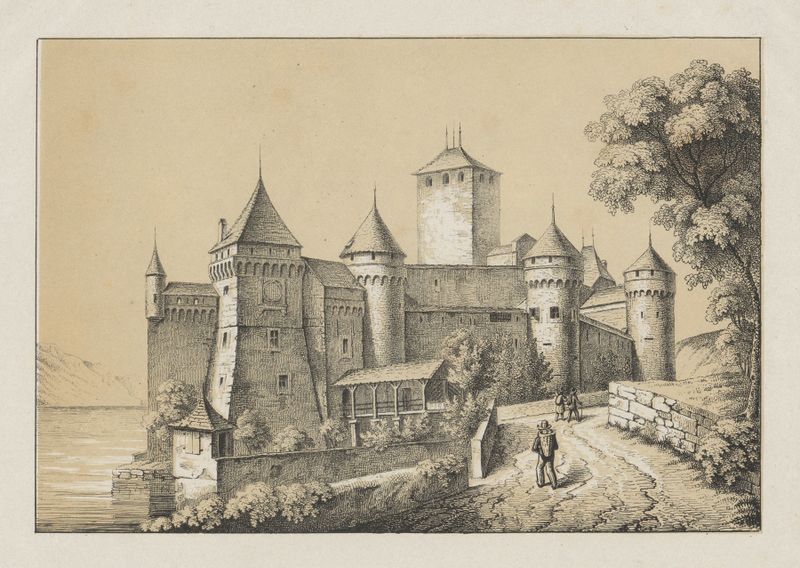
Chillon
Johann Friedrich Wagner

Valangin
Johann Friedrich Wagner
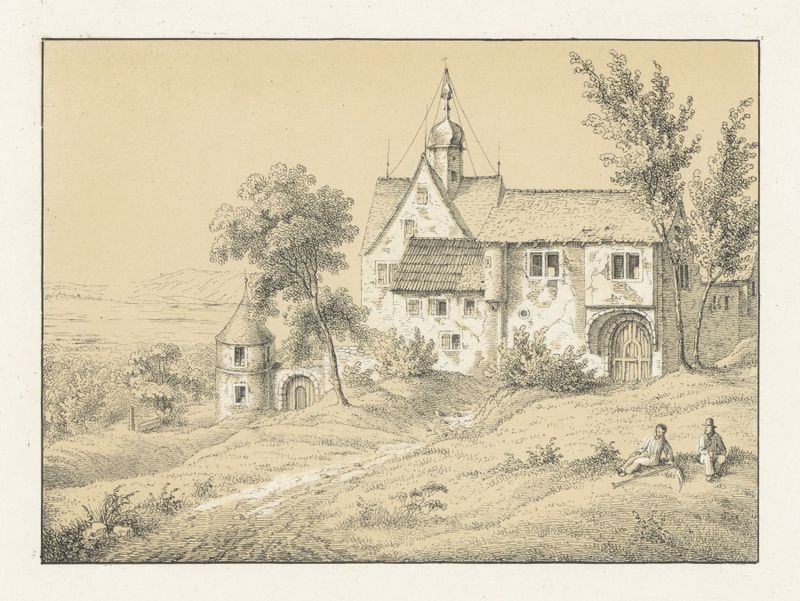
Greifenstein
Johann Friedrich Wagner

Vorburg
Johann Friedrich Wagner
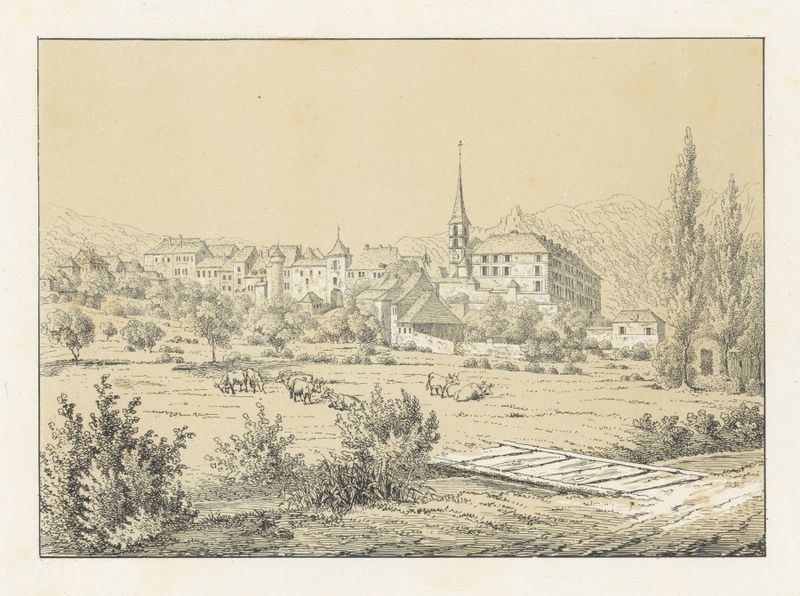
Delémont
Johann Friedrich Wagner

Pleujouse
Johann Friedrich Wagner

Challay
Johann Friedrich Wagner
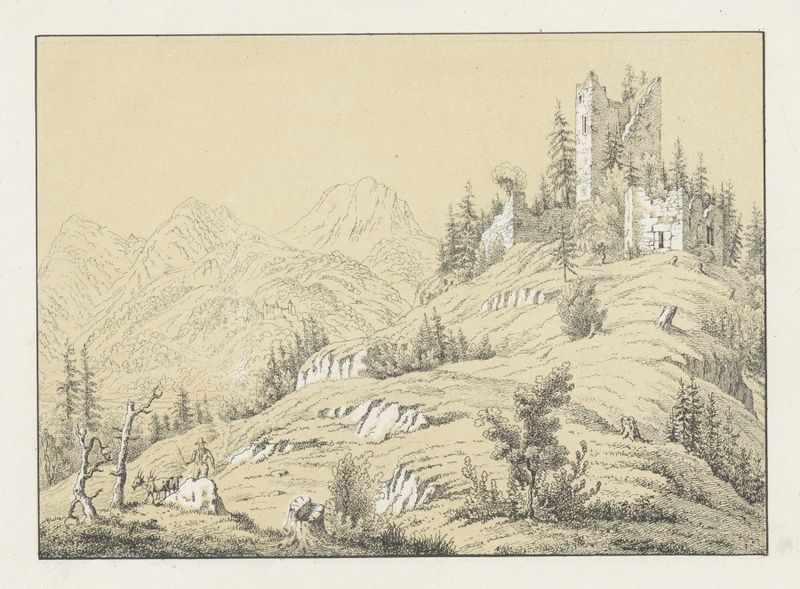
Mont Salvant
Johann Friedrich Wagner
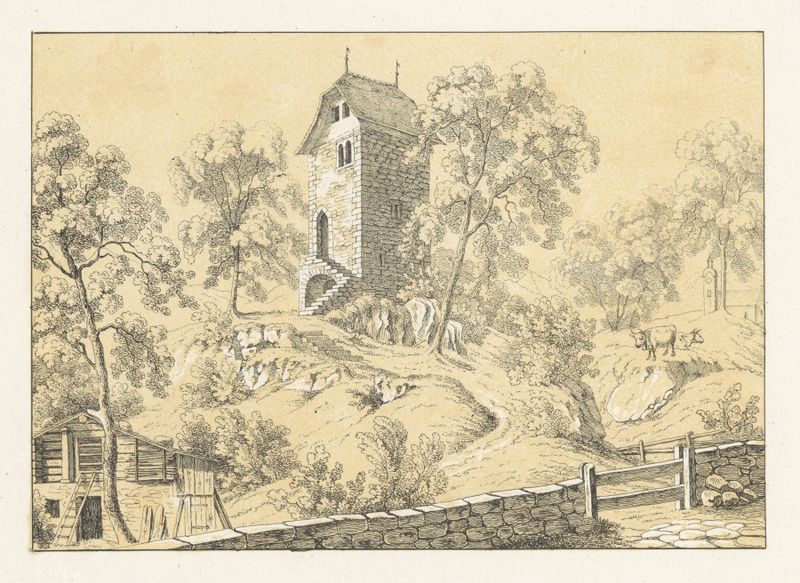
Aha. Od. Untere Burg von Sarnen
Johann Friedrich Wagner
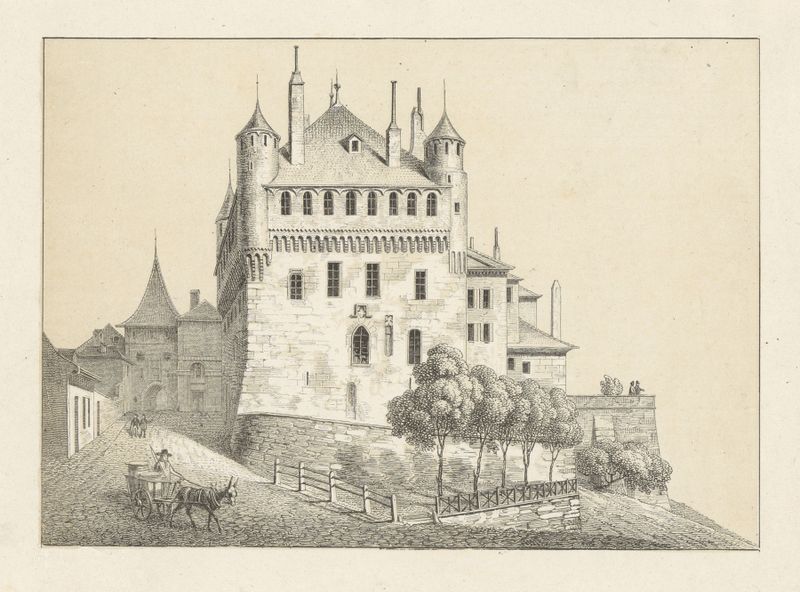
Lausanne
Johann Friedrich Wagner





