
Vlucht naar Egypte — History & Facts
In every stroke, there lies an echo of a deeper legacy, a story waiting to unfold. Look to the center of the canvas, where a weary but resolute family is journeying through a landscape that melds serenity with urgency. The muted earth tones of the soil contrast with the soft blues and whites of the figures’ garments, drawing your eye to their delicate expressions of determination and hope. Notice how the light gently bathes the scene, illuminating the mother's protective stance and the child's innocent gaze, creating a stark juxtaposition against the dark, ominous trees flanking their path.
Each element meticulously placed speaks to the expertise of the artist, inviting us into an intimate moment suspended in time. Beneath the surface of this tranquil journey lies a profound tension. The weariness etched on the family’s faces reflects a universal struggle for safety and belonging, reminding viewers of the many who have sought refuge throughout history. The contrasting shadows of the trees hint at the dangers lurking nearby, evoking a sense of both fear and resilience.
Furthermore, the inclusion of the donkey, a symbol of burden yet also of steadfastness, enriches the narrative, suggesting that even in hardship, there is a shared purpose driving them forward. In 1511, the artist created this work amidst a flourishing period of the Northern Renaissance in the Netherlands, characterized by intricate detail and emotive storytelling. During this time, van Oostsanen was deeply engaged with religious themes, often blending them with contemporary narratives reflecting societal concerns. This painting serves as a testament to his mastery in merging sacred and everyday life, capturing the essence of human experience through artistry that resonates across centuries.
More Artworks by Jacob Cornelisz van Oostsanen
Browse all →
De hemelvaart en Christus voor God de Vader
Jacob Cornelisz van Oostsanen
Het hostiewonder van Amsterdam
Jacob Cornelisz van Oostsanen
The Adoration of the Christ Child
Jacob Cornelisz van Oostsanen
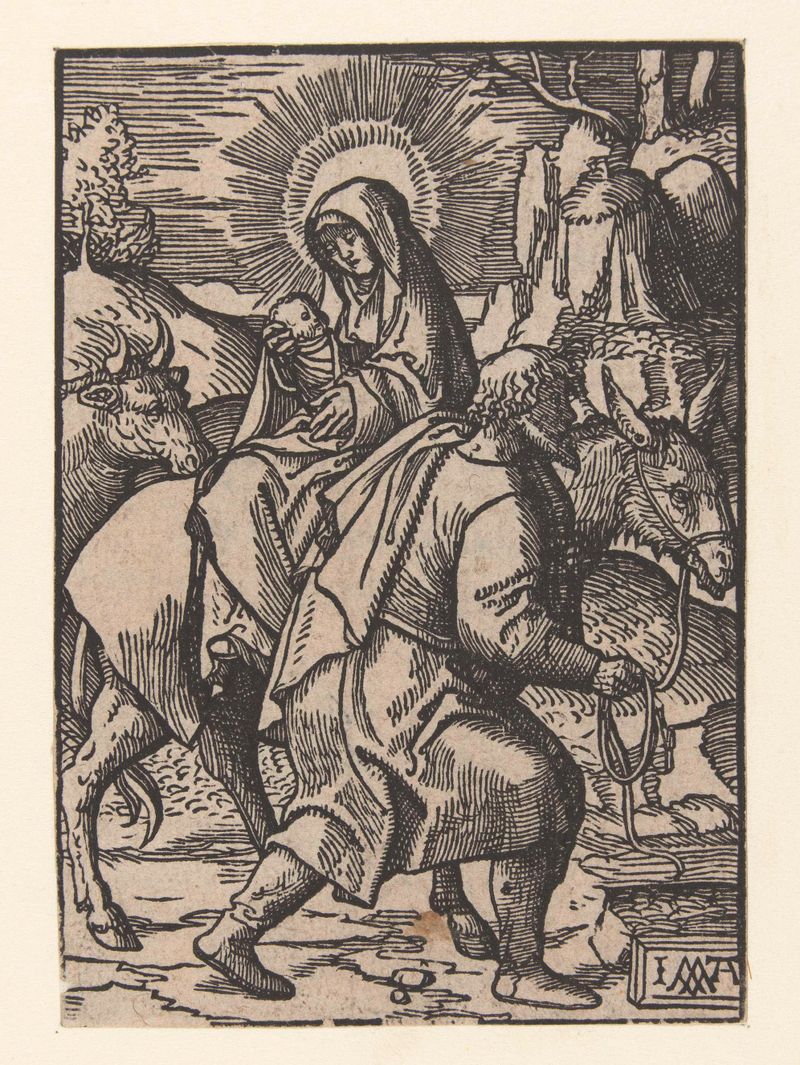
Vlucht naar Egypte
Jacob Cornelisz van Oostsanen
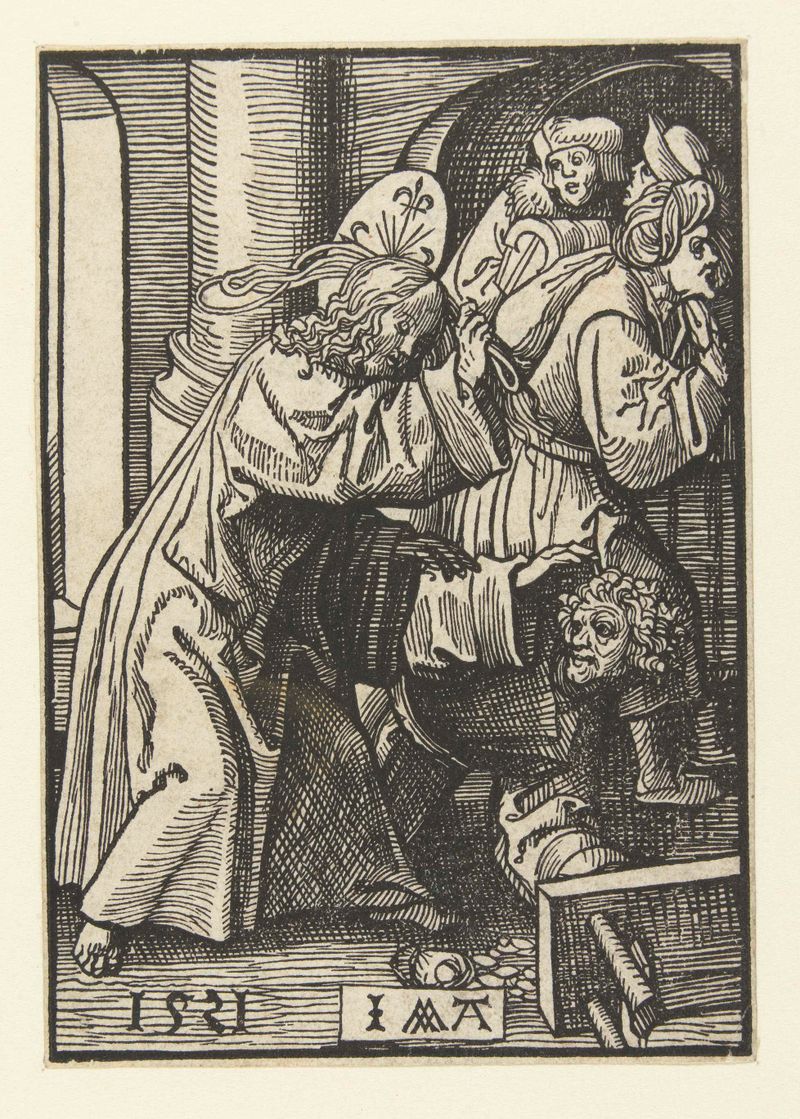
Verdrijving van de handelaren uit de tempel
Jacob Cornelisz van Oostsanen
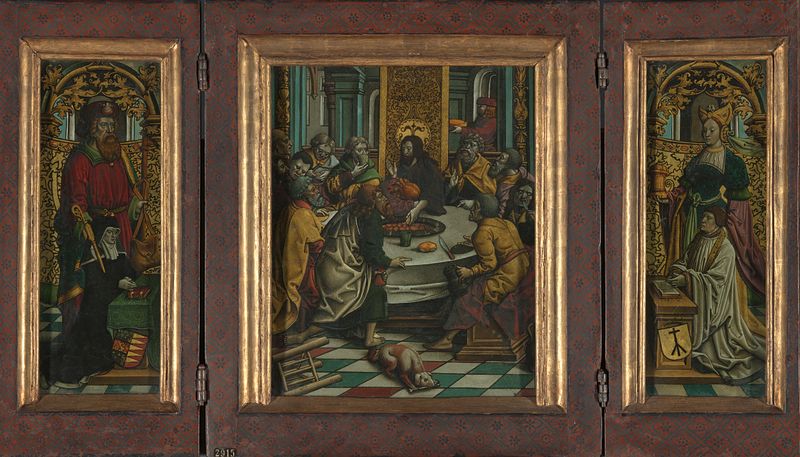
Triptych with the Last Supper and Donors
Jacob Cornelisz van Oostsanen
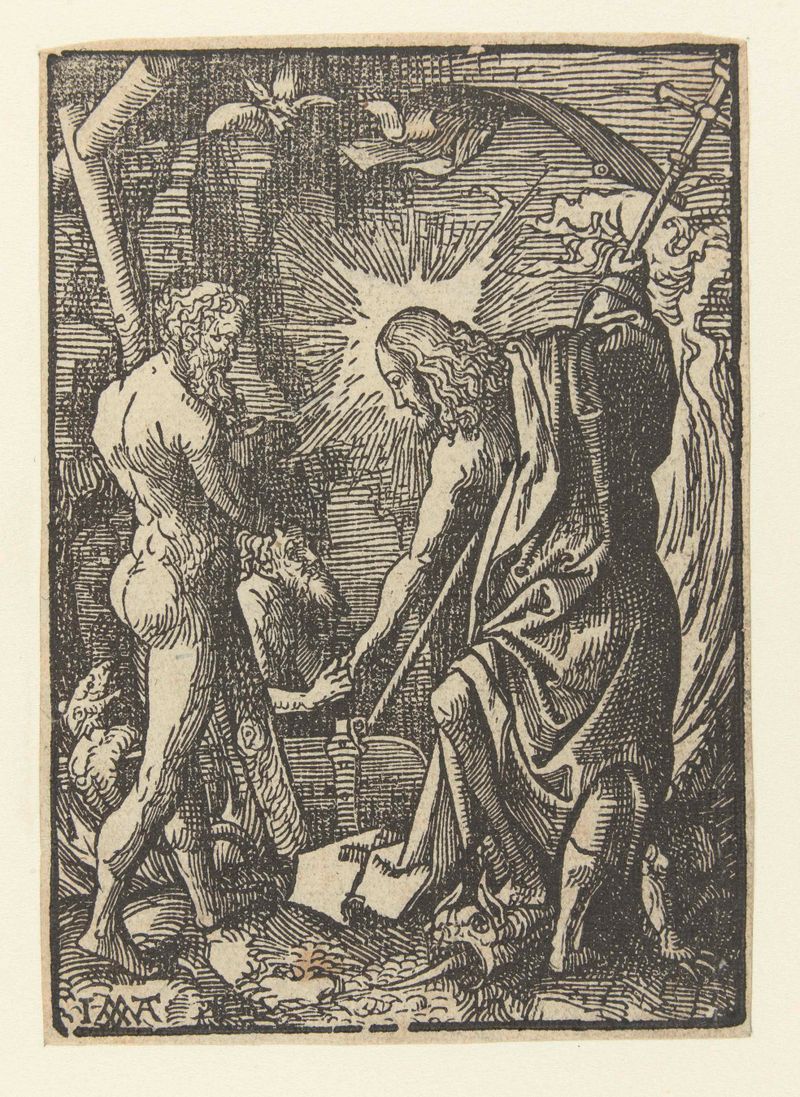
Christus in het voorgeborchte
Jacob Cornelisz van Oostsanen
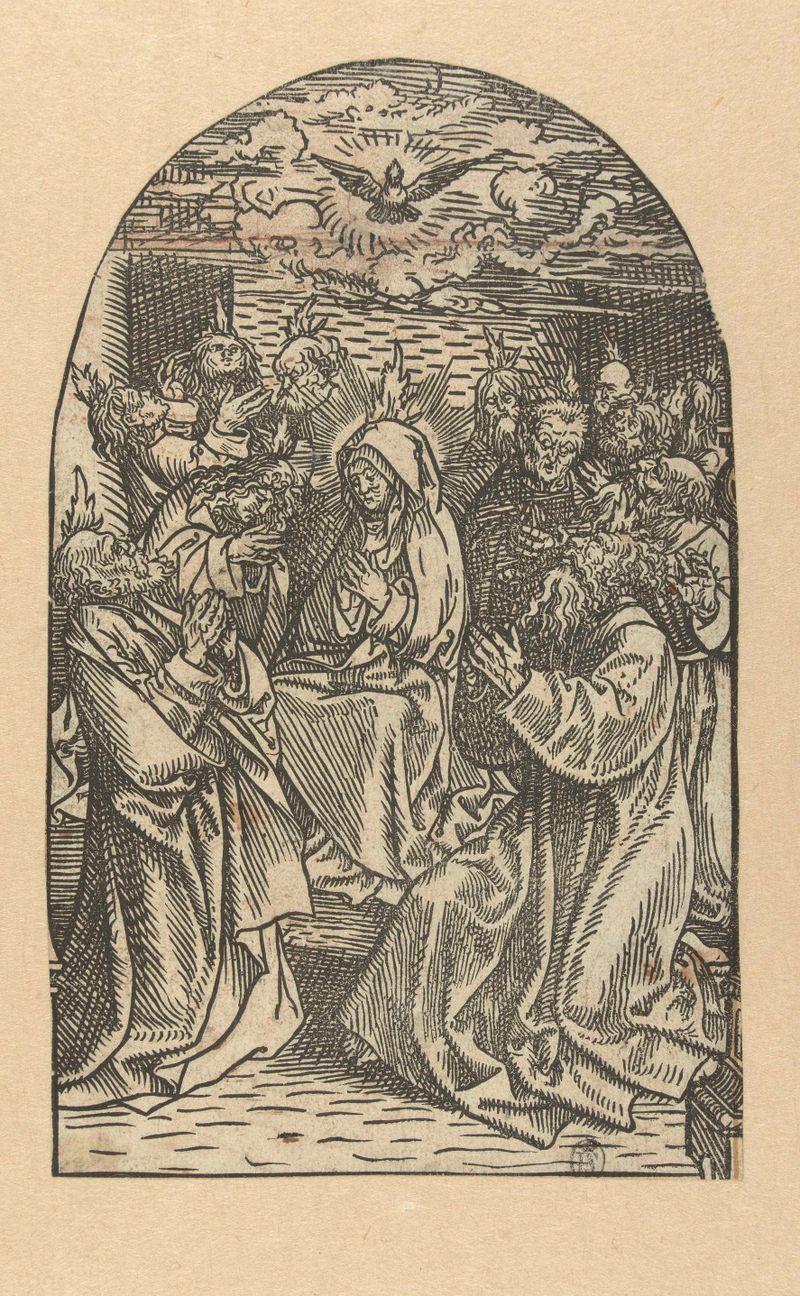
Uitstorting van de Heilige Geest
Jacob Cornelisz van Oostsanen
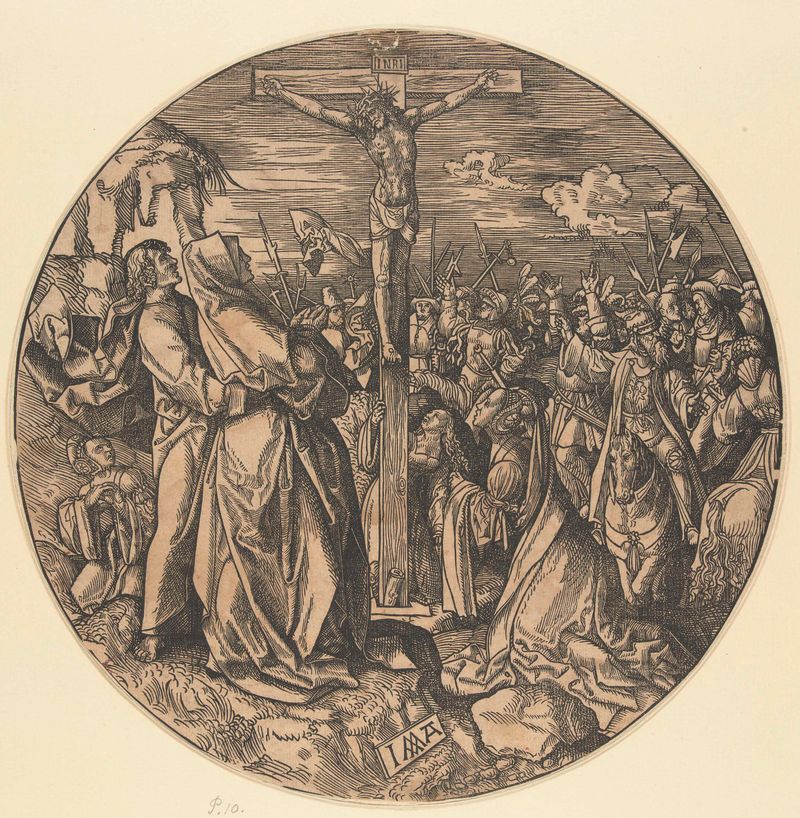
Christus aan het kruis
Jacob Cornelisz van Oostsanen

De kruisiging en de graflegging van Christus
Jacob Cornelisz van Oostsanen
More Religious Art
Browse all →
The Return of the Prodigal Son
Rembrandt van Rijn

The Garden of Earthly Delights
El Bosco

Count Orgaz’ funeral
El Greco

The Hundred Guilder Print: the central piece with Christ preaching, the plate arched
Rembrandt van Rijn

The Descent from the Cross
Rogier van der Weyden

The return of the prodigal son
Rembrandt van Rijn