
Voorjaar — History & Facts
In the delicate interplay of light and color, we find a celebration of life’s fragile beauty, a tender whisper of spring. Look to the center of the canvas where lush greens burst forth, enveloping the viewer in a refreshing embrace of verdant vitality. The careful layering of paint reveals a tapestry of blooming flora, each petal capturing the essence of sunlight. Notice how the soft, dappled light spills from the upper left, casting gentle shadows that dance among the leaves.
This skillful manipulation of color and texture invites an exploration of nature’s rebirth, resonating with the pulse of renewal. Dig deeper, and you uncover an intricate balance of strength and vulnerability. The vibrant blossoms, while vivid and alive, also hint at impermanence, reminding us that beauty can be fleeting. The composition plays with contrasts, such as the solidity of the grounded earth beneath the ethereal quality of the flowers above, illustrating a tender relationship between stability and fragility.
Each element coalesces into a moment that feels both celebratory and wistful, prompting reflection on the transient nature of life. During the late 19th and early 20th centuries, Grondhout was influenced by the burgeoning Impressionist movement, which emphasized the beauty of natural light and color. Creating Voorjaar in a period marked by artistic exploration and changing societal norms, he expressed a yearning for connection with nature. This work emerged as he sought to capture the essence of renewal, echoing the contemporary themes of transformation and the passage of time within the rich tapestry of art history.
More Artworks by Willem Adrianus Grondhout
Browse all →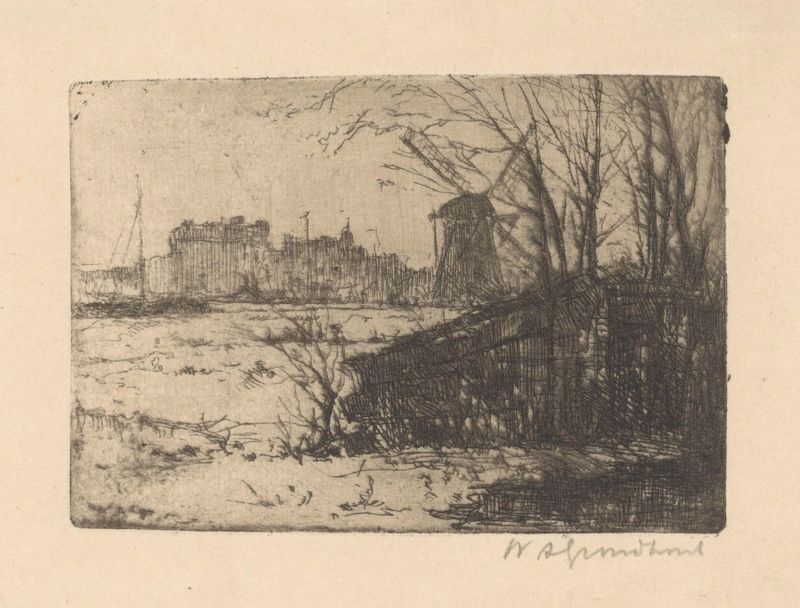
Landschap met molen in de Binckhorst in Den Haag
Willem Adrianus Grondhout
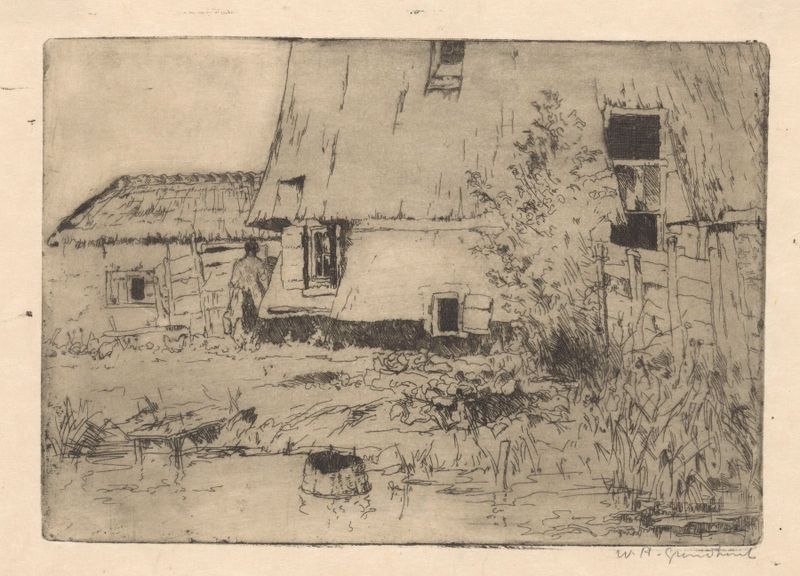
Voet van een molen in Voorburg
Willem Adrianus Grondhout
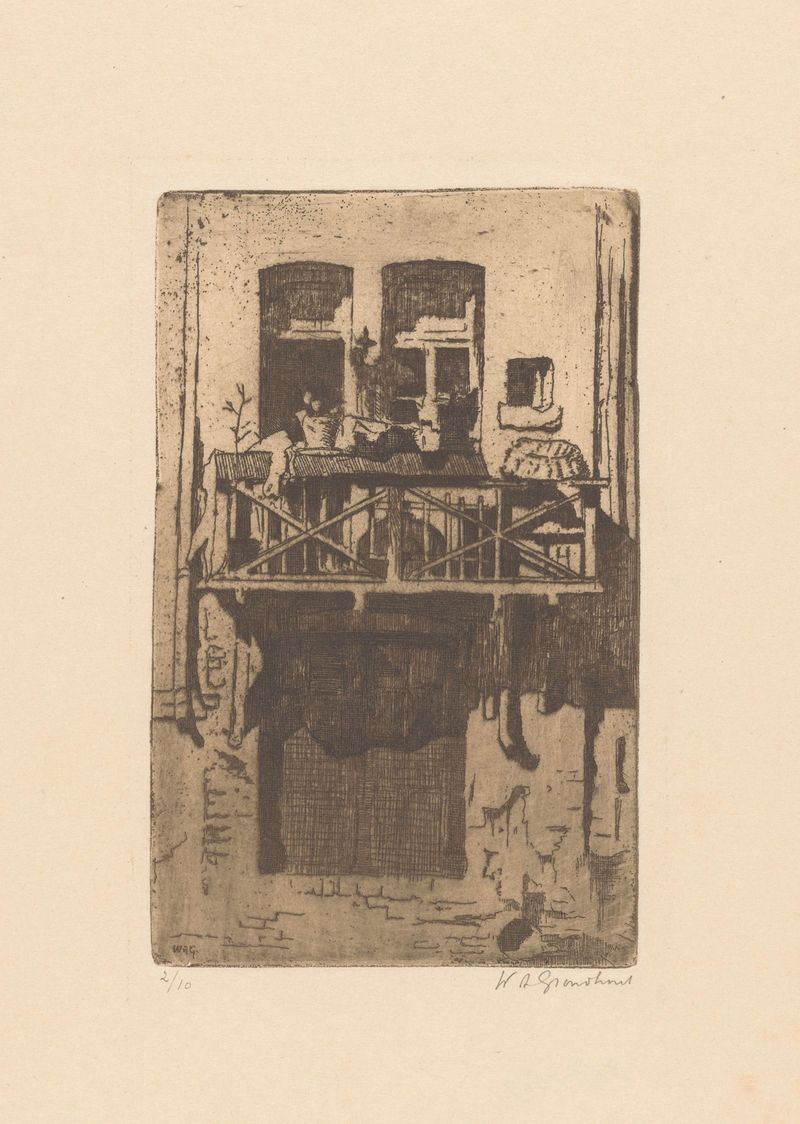
Balkon van een huis aan de Oudezijds Kolk in Amsterdam
Willem Adrianus Grondhout
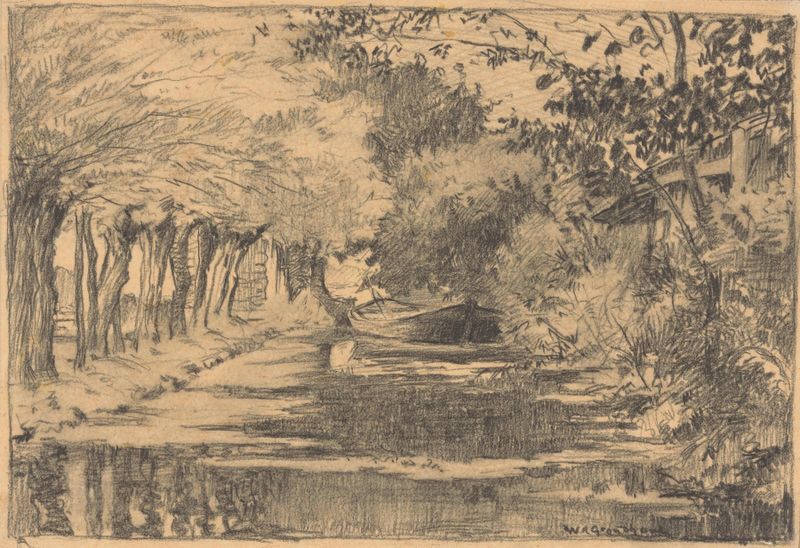
Broeksloot bij Voorburg
Willem Adrianus Grondhout
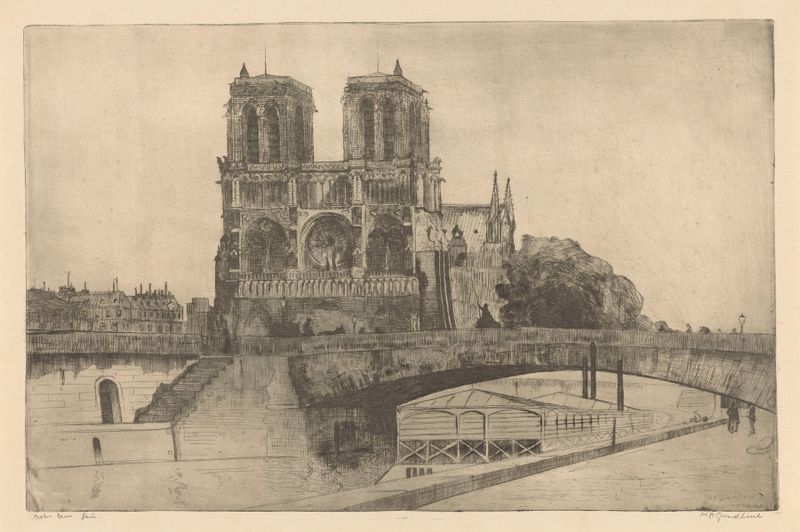
Notre-Dame, Paris
Willem Adrianus Grondhout
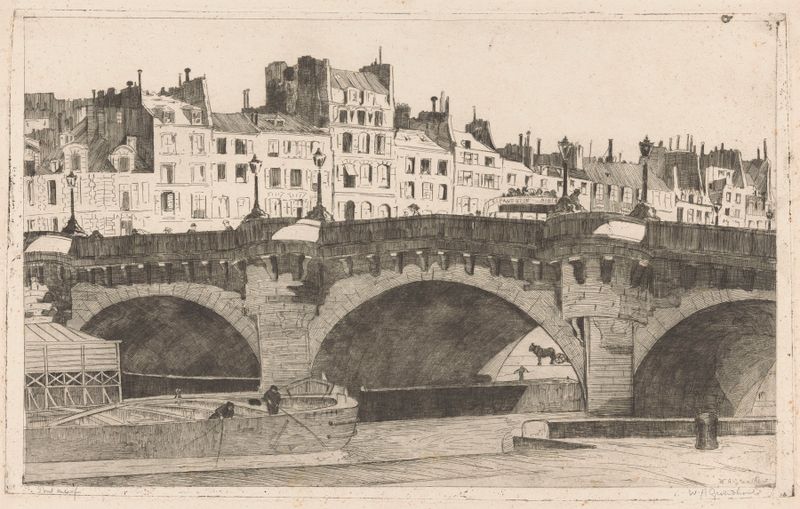
Pont Neuf
Willem Adrianus Grondhout
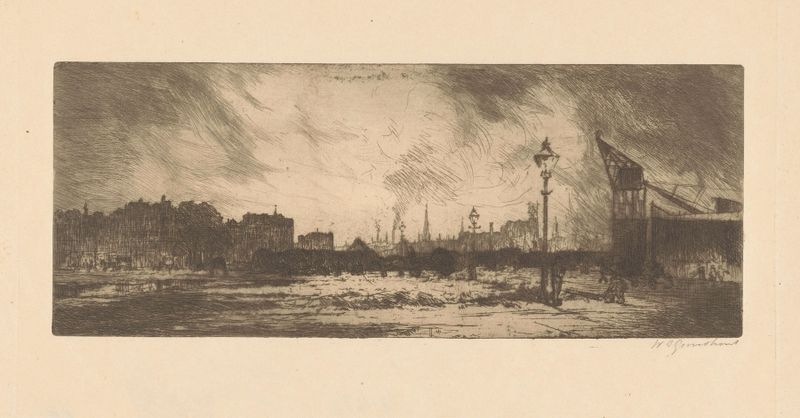
Havenkade met lantaarnpalen in Rotterdam
Willem Adrianus Grondhout
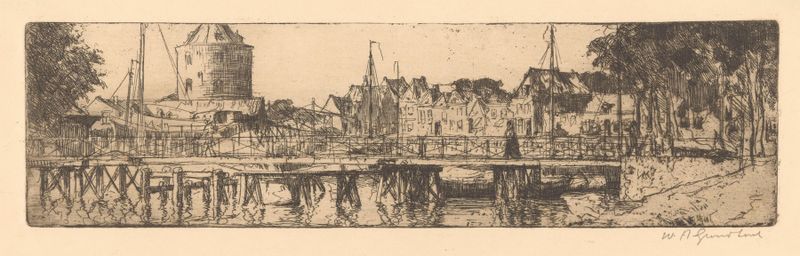
Enkhuizen
Willem Adrianus Grondhout
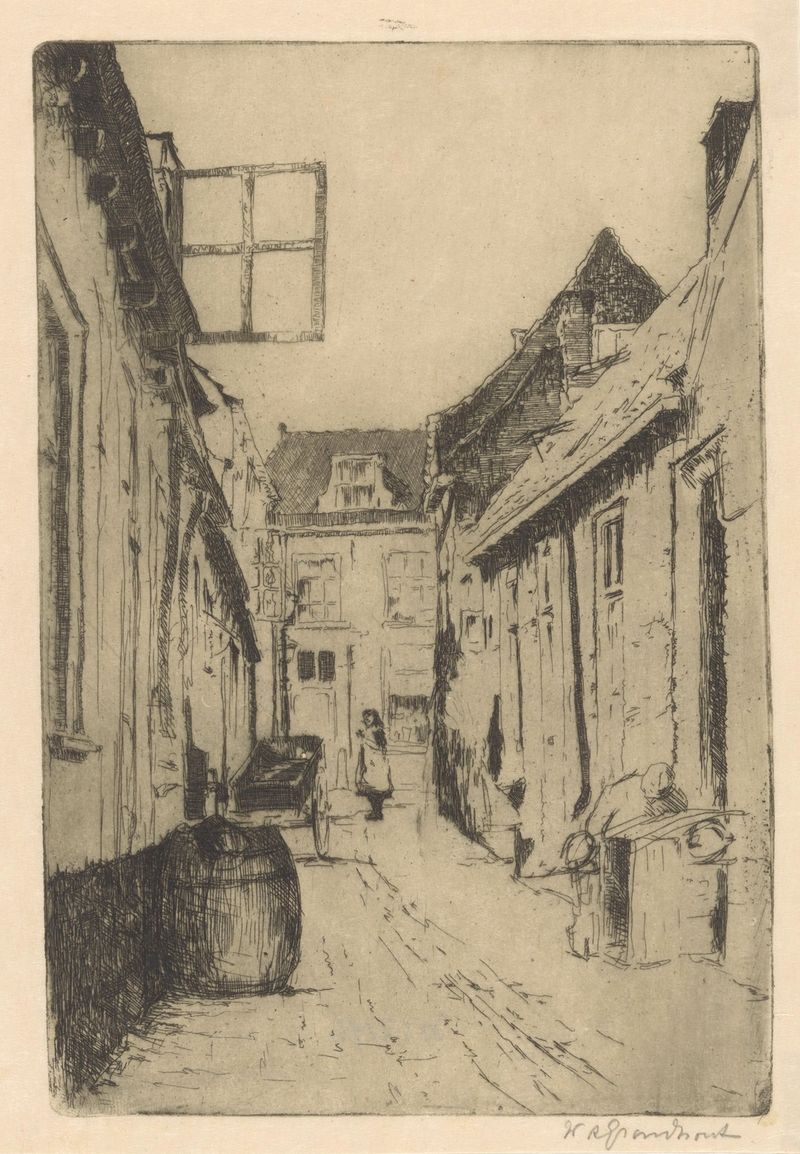
Straatje in Voorburg.
Willem Adrianus Grondhout
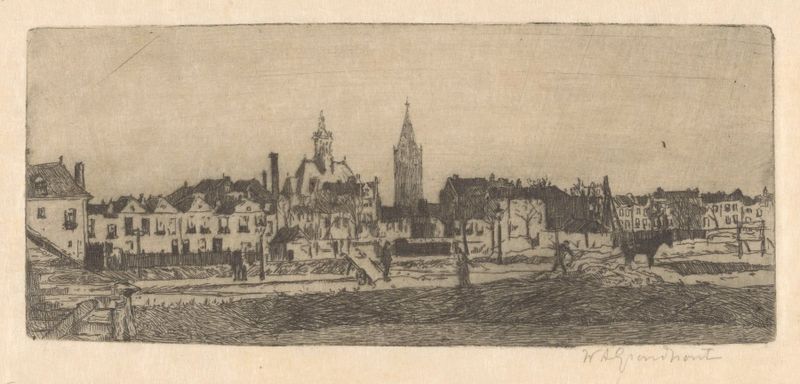
Delft
Willem Adrianus Grondhout





