Vrolijke partij in het dorp Houten — History & Analysis
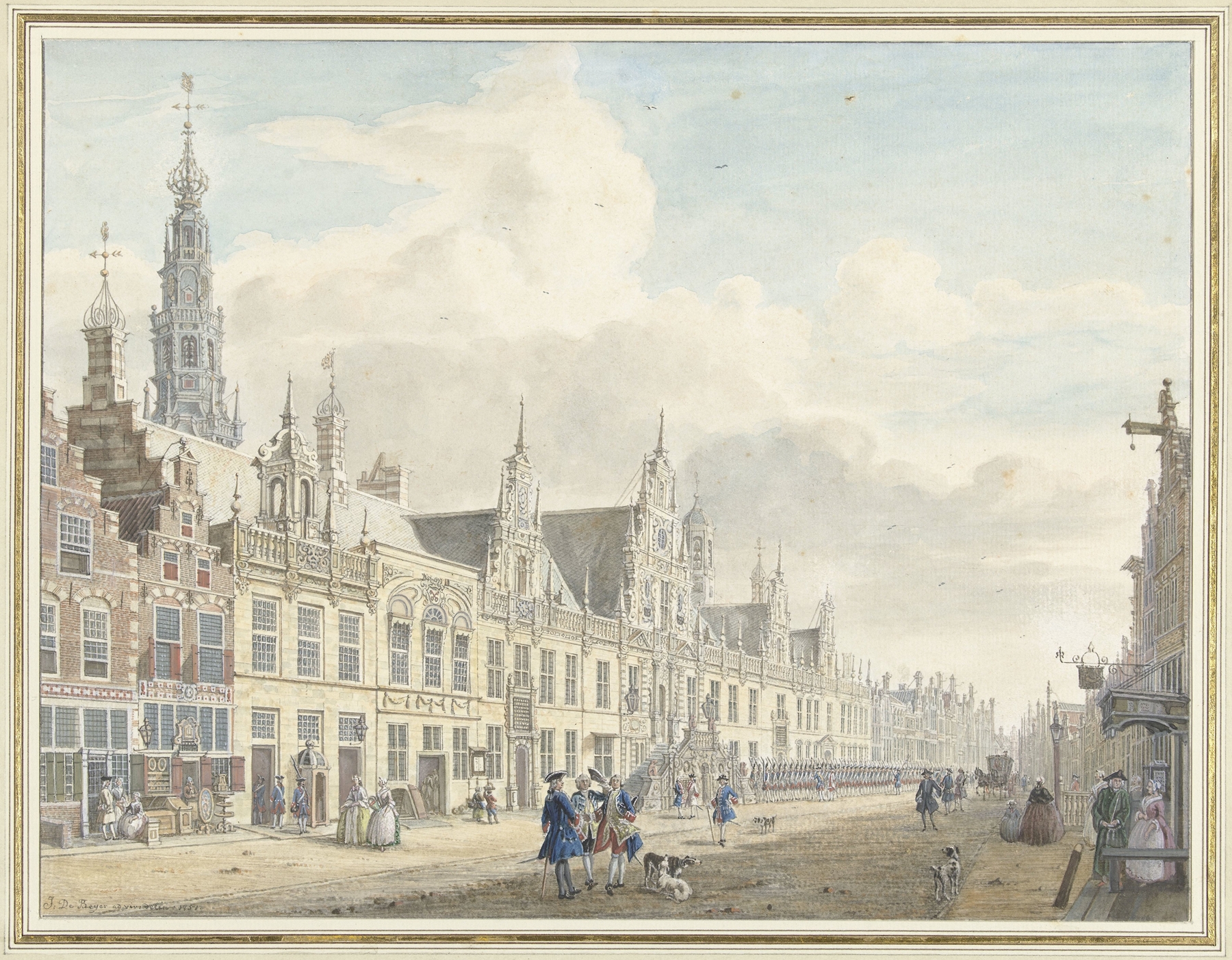
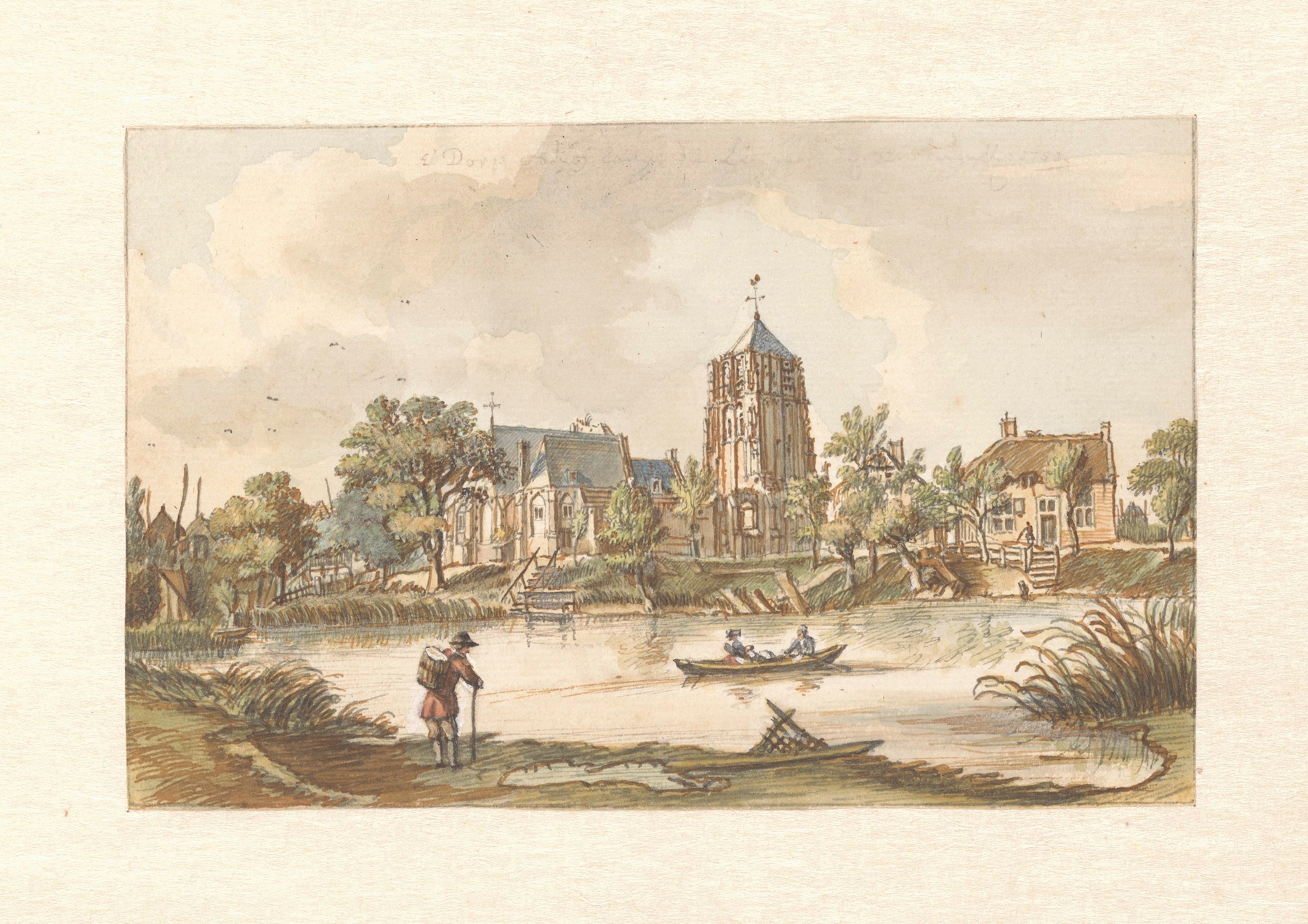
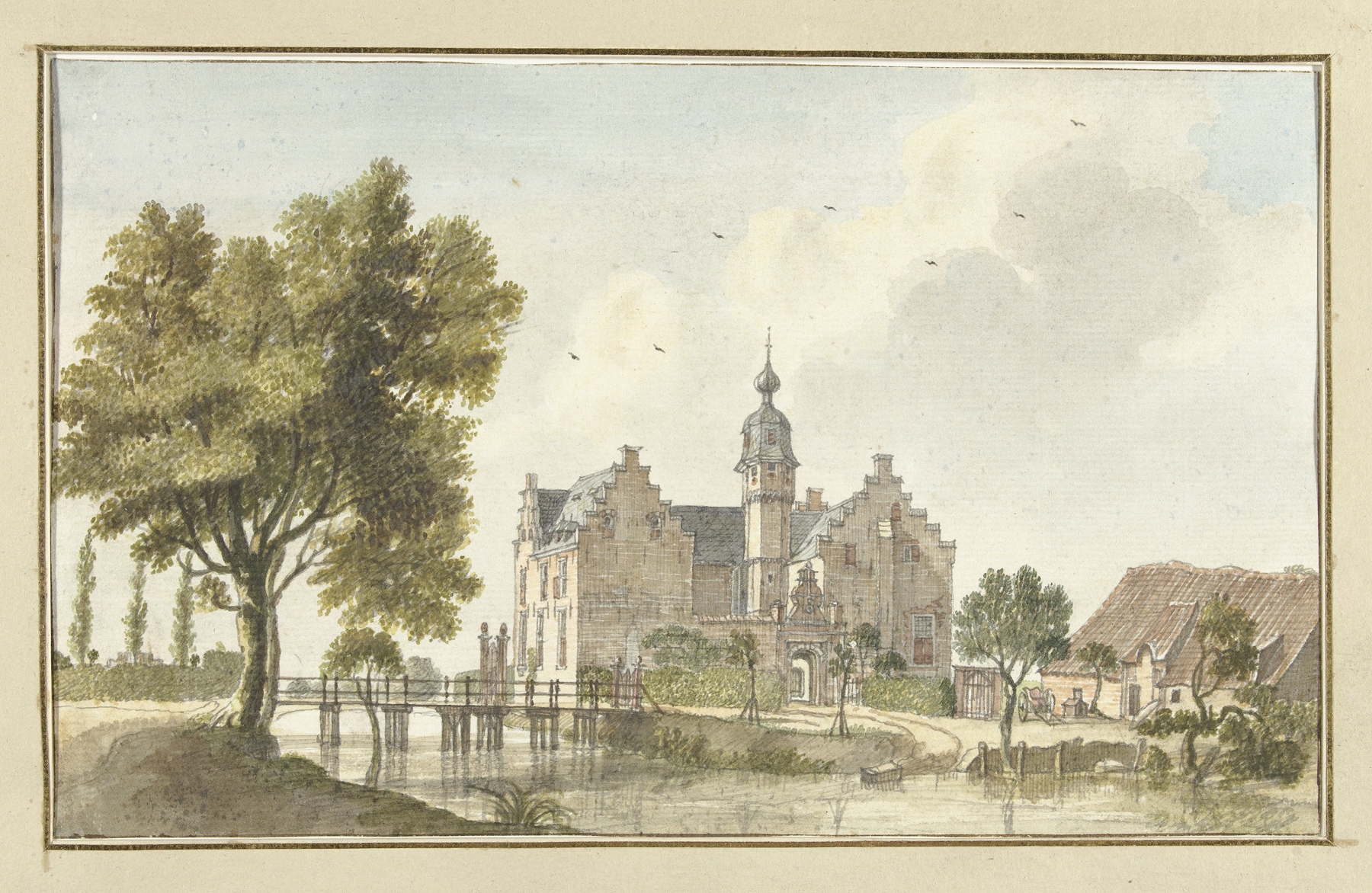
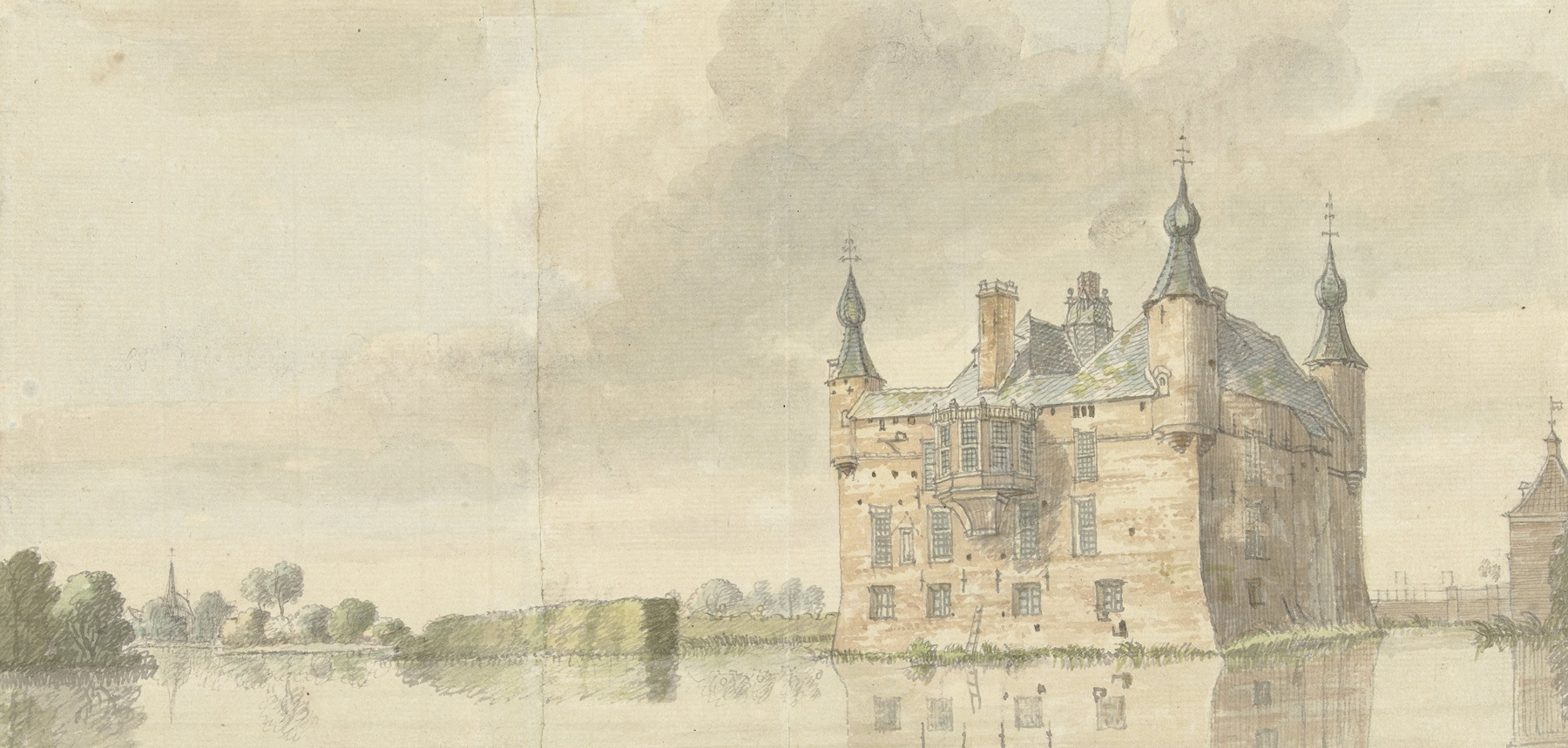
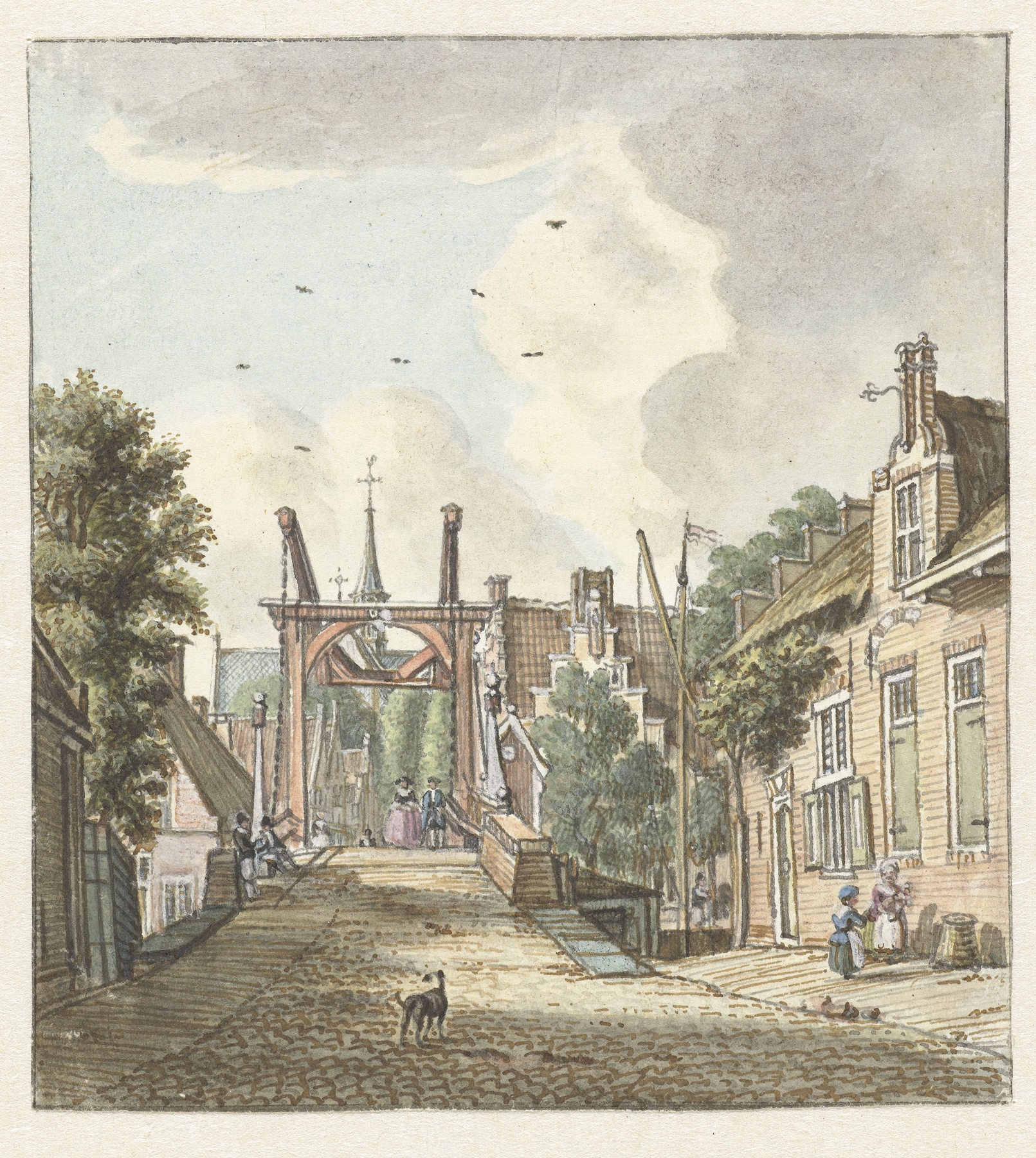
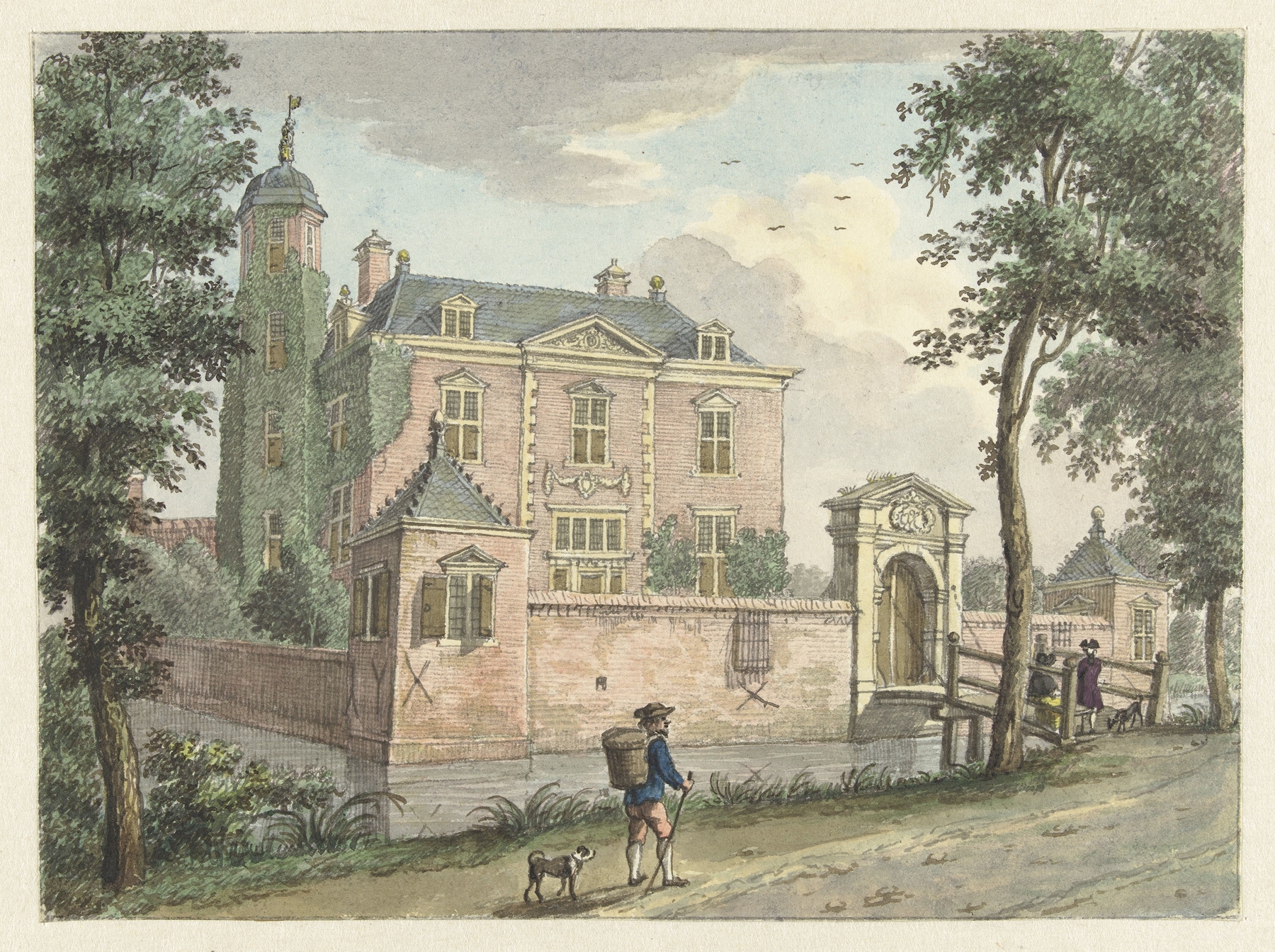
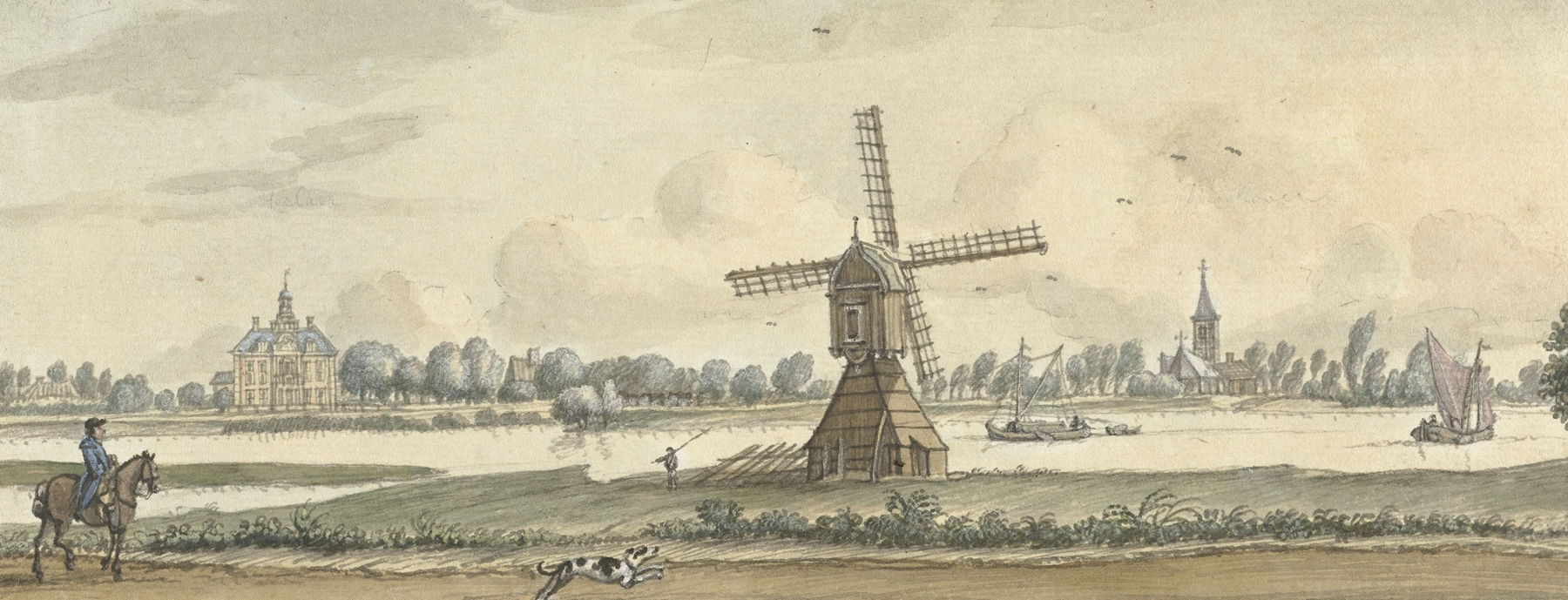
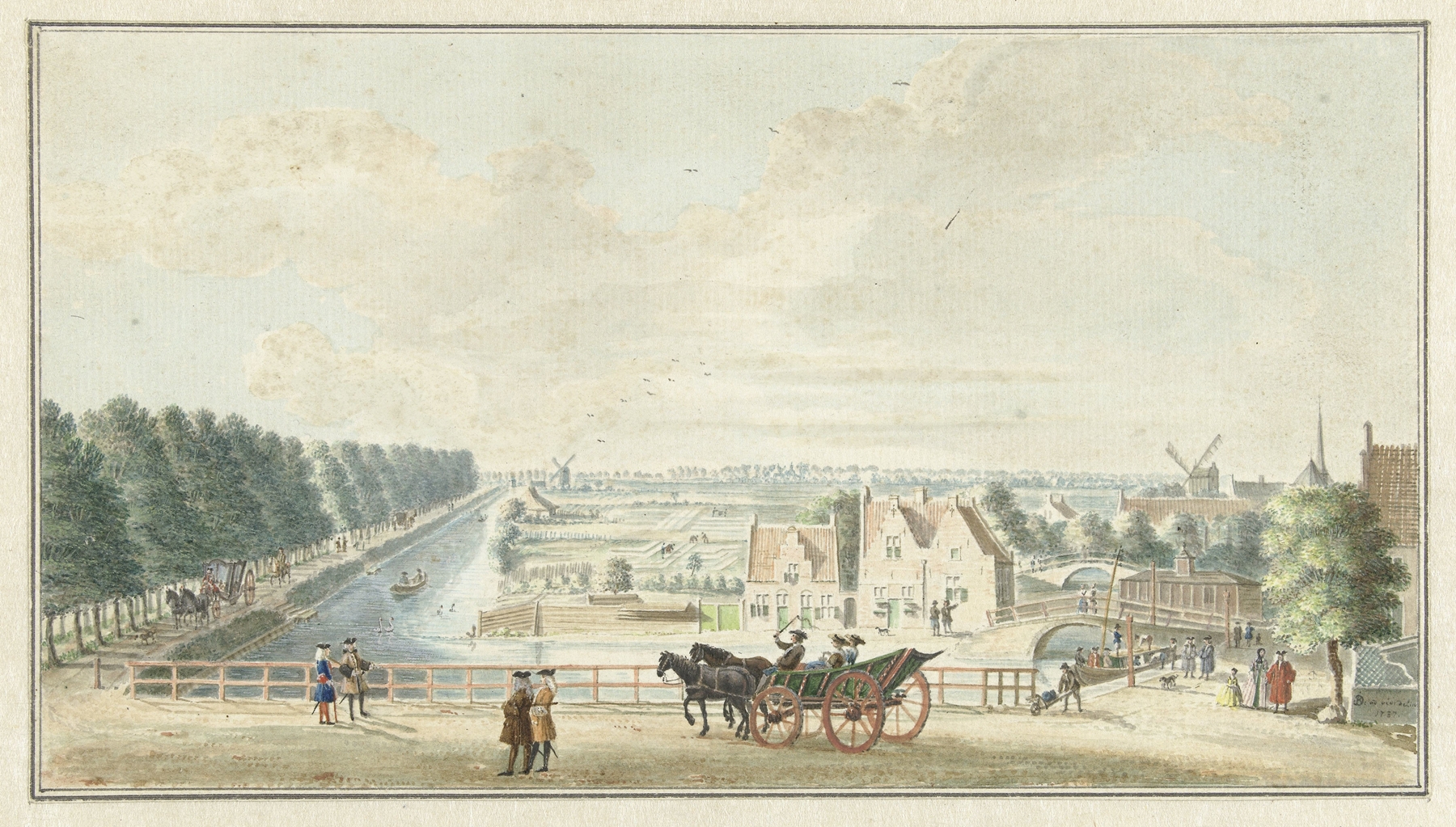
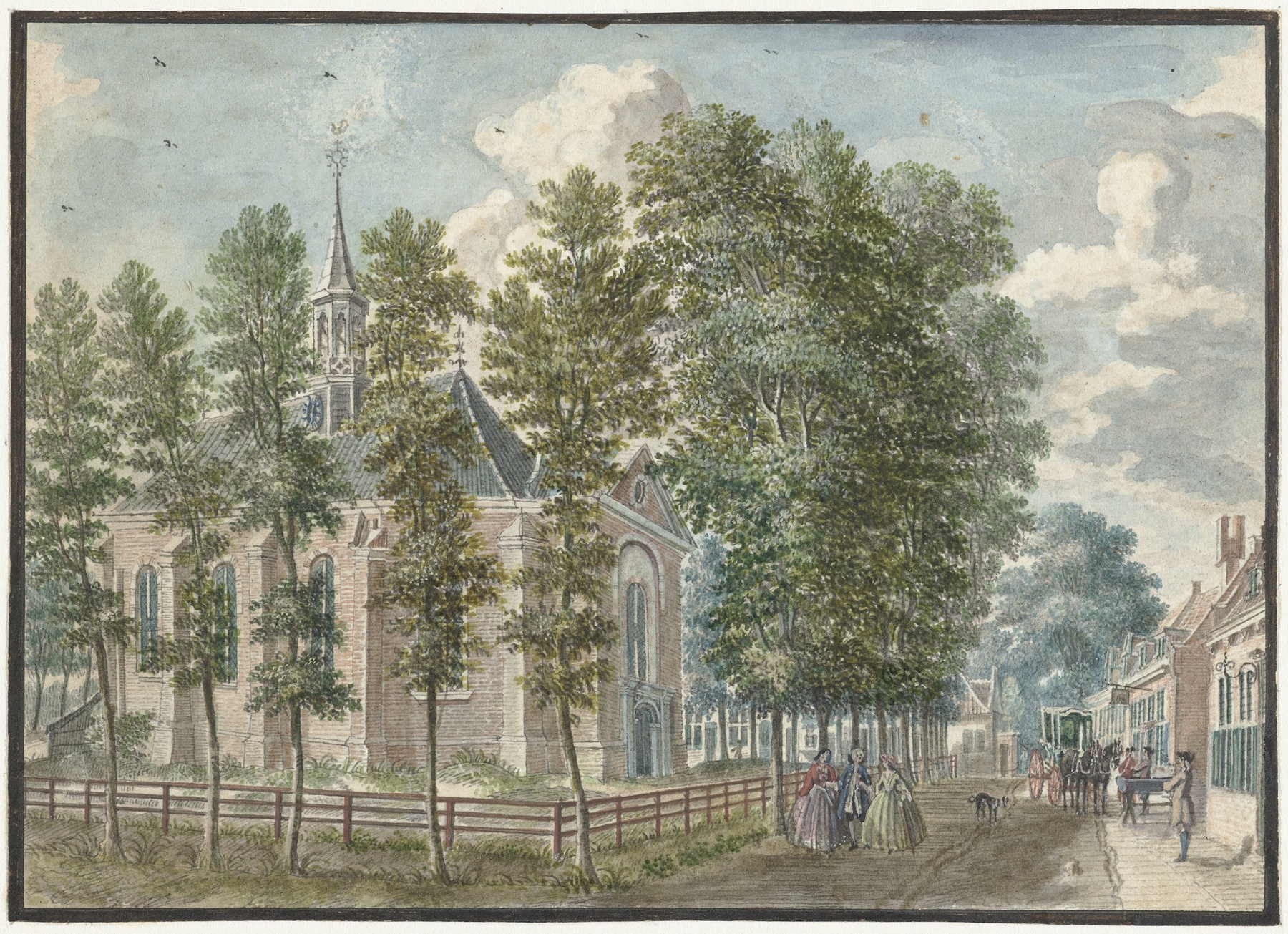
What secret hides in the quiet of the canvas? A gathering in a vibrant village, where laughter mingles with the air, suggests a realm beyond the mundane—an invitation to glimpse divinity in everyday moments. Look to the left at the animated group seated under a flowering tree, their faces brimming with joy and engagement. The artist employs a delicate palette of greens and yellows, allowing dappled sunlight to dance across their figures, creating a lively interplay of light and shadow.
Notice how the composition draws the eye inward, framing the merriment while utilizing the surrounding landscape to evoke serenity, enhancing the celebratory atmosphere. Beneath the surface, the painting reveals a profound contrast between spirited festivity and the tranquil setting. The villagers, caught in a moment of exuberance, seem to transcend their earthly existence, suggesting a fleeting but divine connection among them. The arrangement of figures suggests community and togetherness, yet the solitude of the landscape offers a reminder of life's transience, leaving the viewer suspended between joy and reflection.
Jan de Beijer created this work in the 18th century, during a period when the Netherlands was experiencing a cultural flourishing. Living primarily in Utrecht, he focused on landscapes and daily life, capturing the essence of his surroundings. This painting reflects not only his artistic vision but also the social dynamics of his time, where gatherings like these served as vital connections among communities amidst a changing world.