
Vrouw verklaart onder ede haar onschuld — History & Facts
Who listens when art speaks of silence? In Vrouw verklaart onder ede haar onschuld, the emptiness of a solemn courtroom envelops the viewer, inviting contemplation on truth and perception. Focus first on the central figure, a woman standing resolute, her hands slightly raised in a gesture of both defense and vulnerability. The chiaroscuro technique enhances the stark contrast between light and shadow, guiding your gaze to her somber expression. Notice the meticulous details in her attire — the rich fabric and intricate embroidery speak to her status and the weight of her words.
The muted palette, dominated by earthy tones, mirrors the grave atmosphere, grounding the scene in a palpable tension that transcends the canvas. Delve deeper into the expressions of the figures surrounding her, each bearing witness to her declaration. The subtle furrowing of brows and clasped hands evoke a shared anxiety, suggesting the stakes of her claim of innocence. This interplay of tension reveals the paradox between confidence and despair.
The void left by the absence of overt expressions amplifies the emotional gravity, as if time itself holds its breath in anticipation of the verdict. Created between 1533 and 1534, the work reflects a period of profound societal and artistic change in Europe. As Georg Pencz navigated the shifting tides of the Reformation, his engagement with themes of morality and truth found a voice in this piece. It captures not only a pivotal historical moment but also the artist's response to the emerging complexities of human experience, navigating the boundaries between the seen and the unseen.
More Artworks by Georg Pencz
Browse all →
Parabel van de zaaier
Georg Pencz

Parabel van de arbeiders in de wijngaard
Georg Pencz
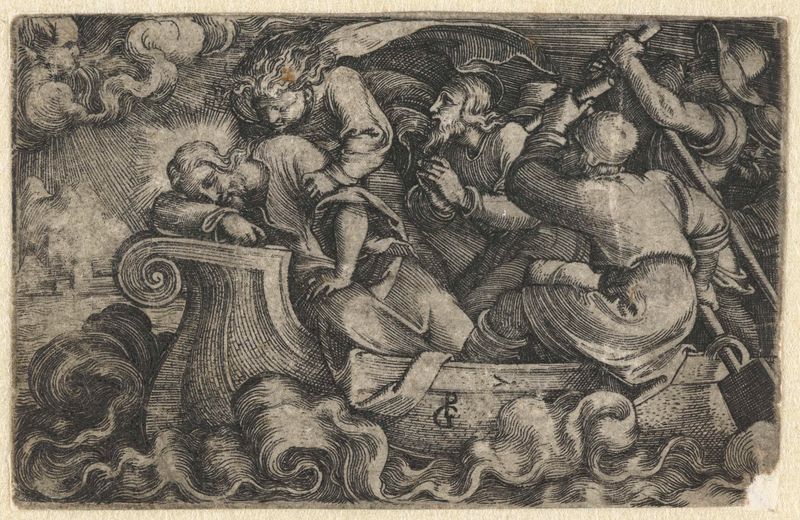
Discipelen wekken slapende Christus tijdens storm op Meer van Galilea
Georg Pencz

Afgunst (Invidia)
Georg Pencz
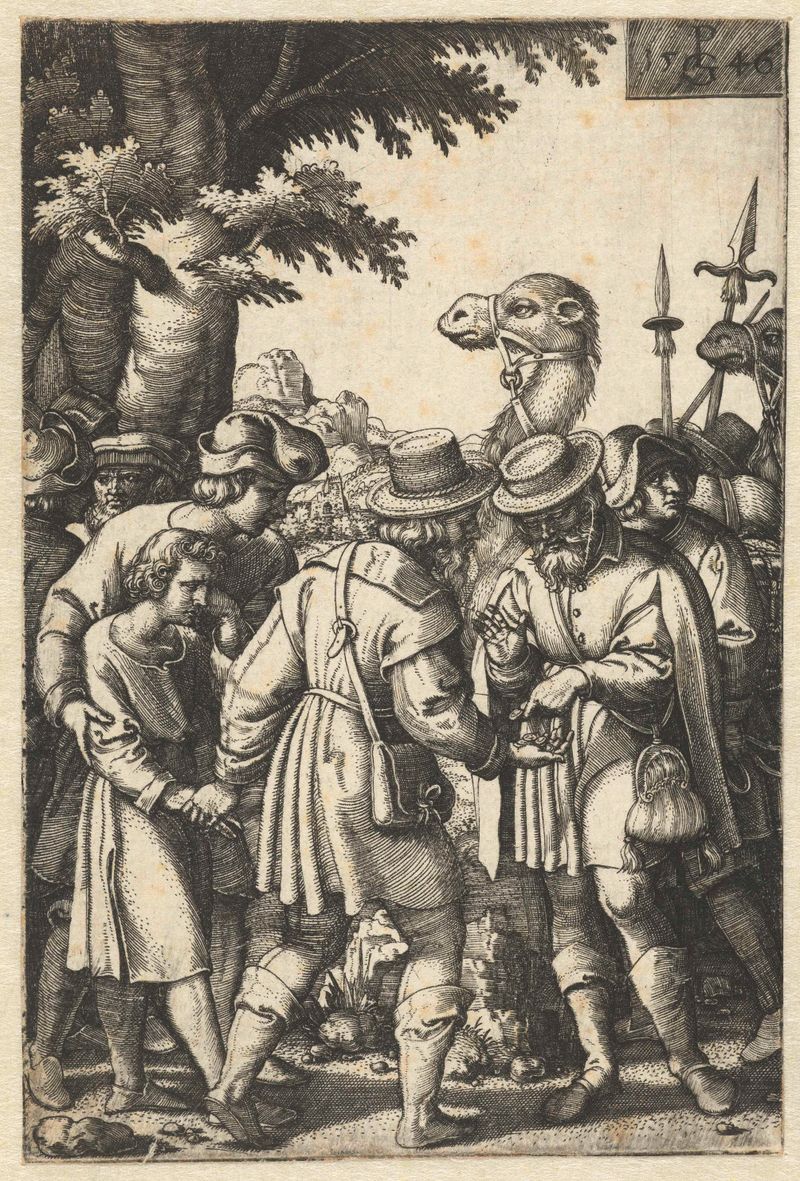
Jozef wordt verkocht aan kooplieden op weg naar Egypte
Georg Pencz

Aanbidding der koningen
Georg Pencz
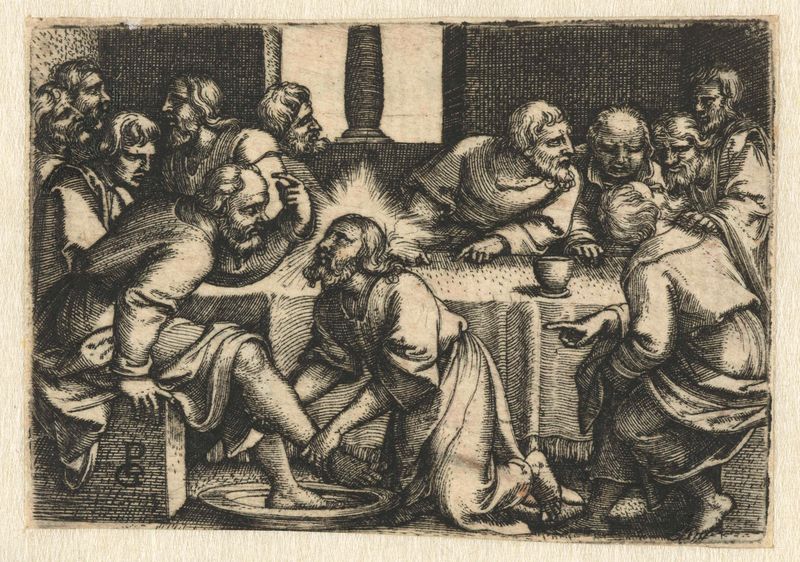
Petrus protesteert als Christus zijn voeten wast
Georg Pencz
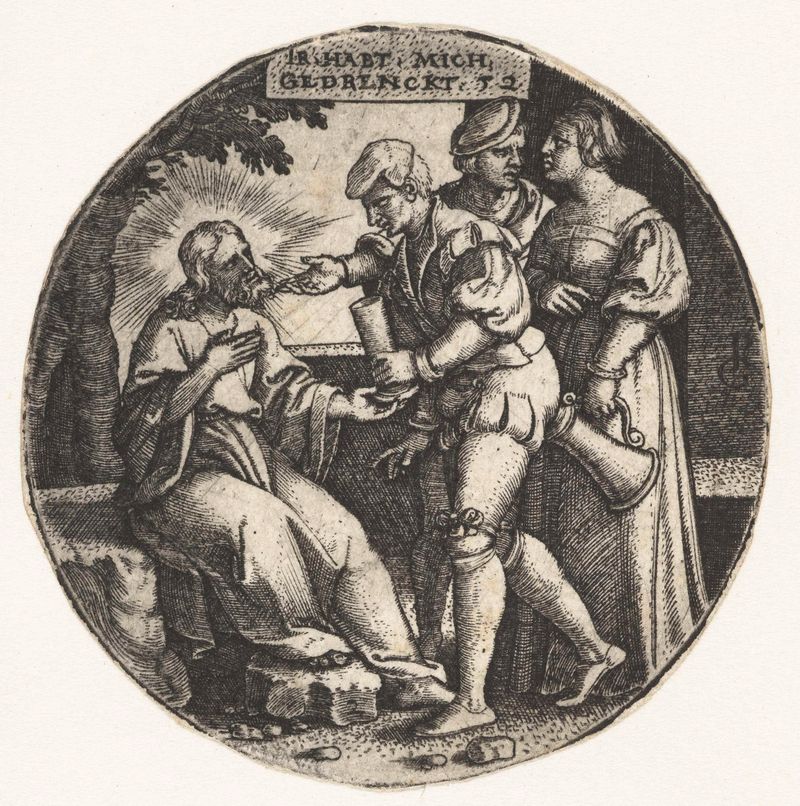
Christus heeft dorst en krijgt drinken aangeboden
Georg Pencz
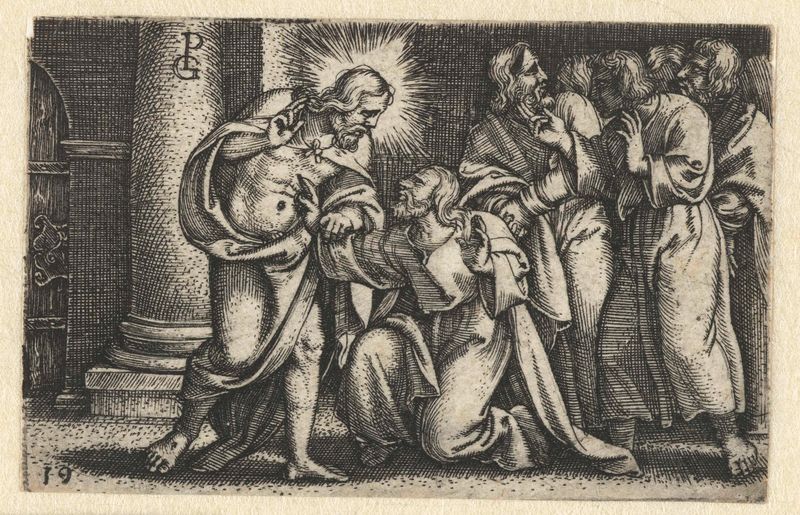
Ongelovige Thomas raakt wonden Christus aan
Georg Pencz

Offer van Abraham van Isaak
Georg Pencz
More Historical Art
Browse all →
The Night Watch Militia Company of District II under the Command of Captain Frans Banninck Cocq
Rembrandt van Rijn

Lincoln Memorial
Henry Bacon

The Third of May 1808
Francisco de Goya

Isaac and Rebecca, Known as ‘The Jewish Bride’
Rembrandt van Rijn

The Charge of the Mamelukes (1814)
Francisco de Goya

De vier ruiters van de apocalyps
Albrecht Dürer