
Vrouw verklaart onder ede haar onschuld — History & Facts
In a world painted with the hues of deception, the heart yearns for clarity amidst the shadows of betrayal. Look closely at the figure in the foreground; her hands are raised, palms open in a gesture of both pleading and defiance. The chiaroscuro technique accentuates her pale skin against the somber backdrop, drawing the viewer's gaze to her expressive face, where fear and determination intertwine. Notice the deep, rich tones that surround her, swirling in a melancholic dance, amplifying the gravity of her situation.
The meticulously rendered details of her attire contrast sharply with the emotional weight she carries, inviting contemplation on the complexity of truth. Within this compelling tableau lies a narrative fraught with tension. The juxtaposition of light and shadow reflects the struggle between innocence and accusation, hinting at the societal pressures faced by women of the time. The bystanders in the background serve as both witnesses and judges, amplifying the isolation of the central figure, as if they, too, partake in the betrayal of her truth.
Each painted element, from the intricate lace of her collar to the somber expressions of those observing, enriches the thematic web of condemnation and vulnerability. In the early 1530s, Pencz was navigating the artistic currents of Nuremberg, a city undergoing profound transformations in thought and style. This period saw the rise of humanism and a shift toward more intimate, personal narratives in art. With Vrouw verklaart onder ede haar onschuld, he captured a moment resonant with the anxieties of his contemporaries, reflecting both the fragility of reputation and the societal undercurrents of his time.
More Artworks by Georg Pencz
Browse all →
Parabel van de zaaier
Georg Pencz

Parabel van de arbeiders in de wijngaard
Georg Pencz
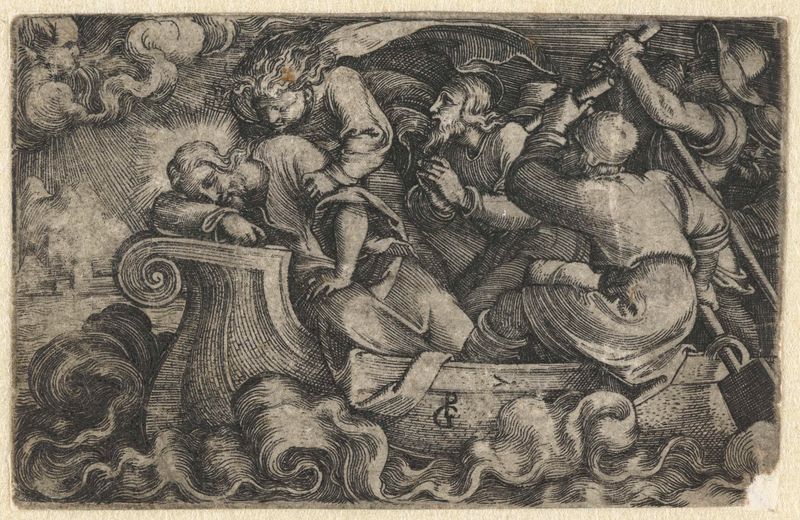
Discipelen wekken slapende Christus tijdens storm op Meer van Galilea
Georg Pencz

Afgunst (Invidia)
Georg Pencz
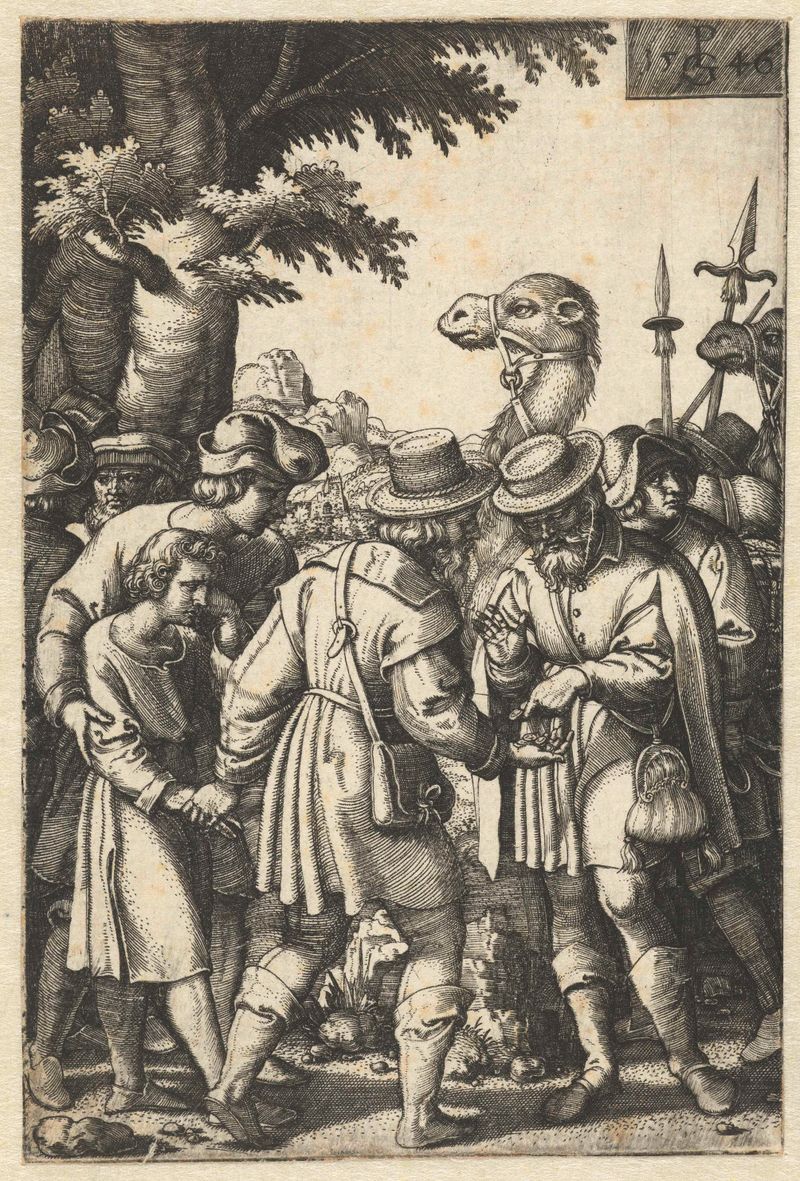
Jozef wordt verkocht aan kooplieden op weg naar Egypte
Georg Pencz

Aanbidding der koningen
Georg Pencz
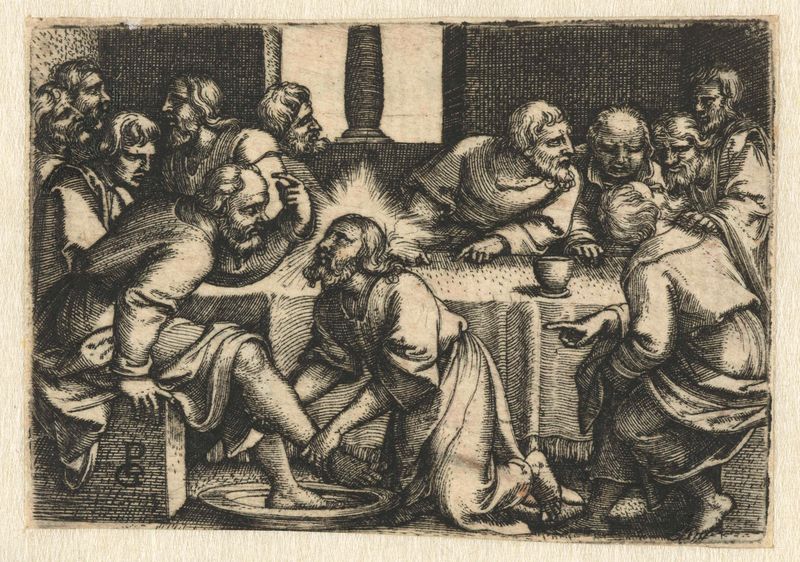
Petrus protesteert als Christus zijn voeten wast
Georg Pencz
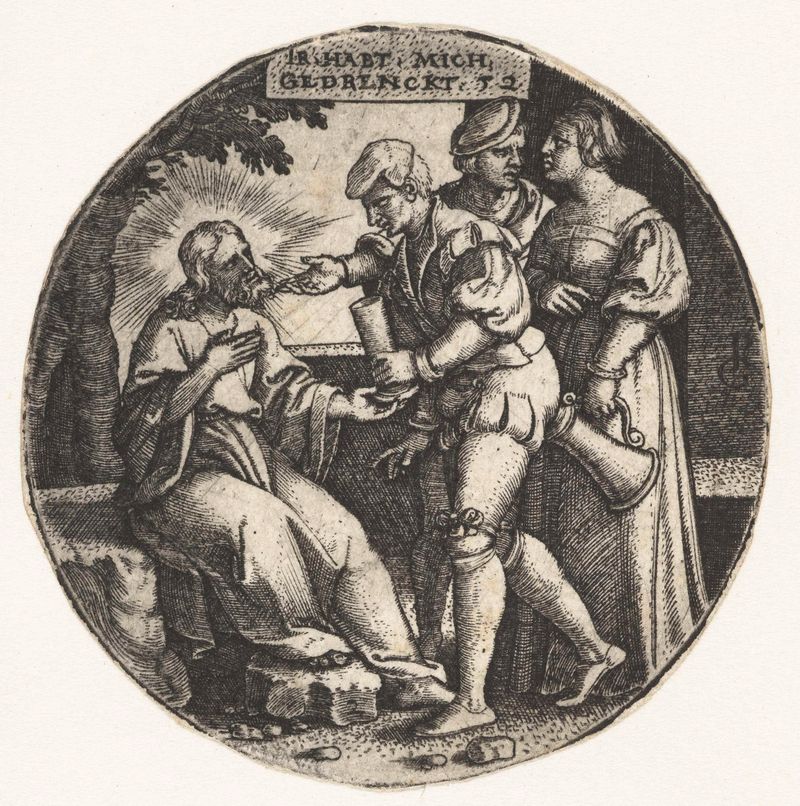
Christus heeft dorst en krijgt drinken aangeboden
Georg Pencz
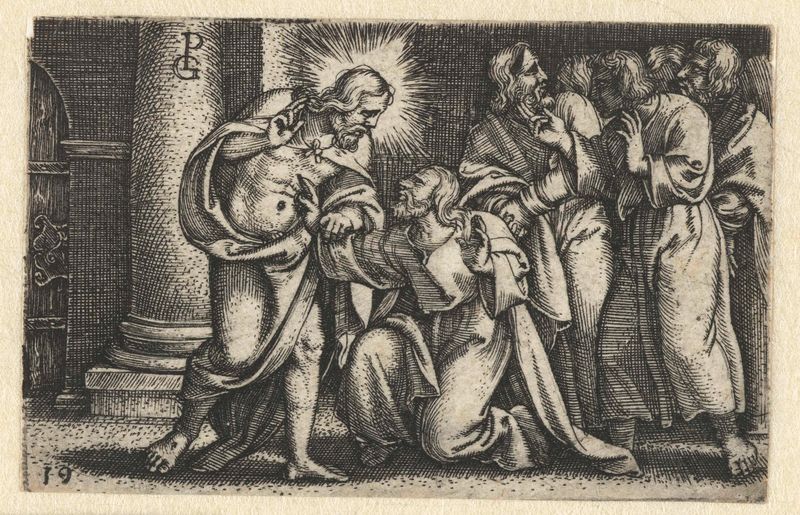
Ongelovige Thomas raakt wonden Christus aan
Georg Pencz

Offer van Abraham van Isaak
Georg Pencz
More Historical Art
Browse all →
The Night Watch Militia Company of District II under the Command of Captain Frans Banninck Cocq
Rembrandt van Rijn

Lincoln Memorial
Henry Bacon

The Third of May 1808
Francisco de Goya

Isaac and Rebecca, Known as ‘The Jewish Bride’
Rembrandt van Rijn

The Charge of the Mamelukes (1814)
Francisco de Goya

De vier ruiters van de apocalyps
Albrecht Dürer