
Vue de Menton — History & Facts
Could beauty survive in a century of chaos? In the tranquil embrace of a sun-drenched landscape, Vue de Menton captures the essence of serenity amidst the tumult of the early 20th century. Here, the striking contrasts of vibrant colors and soft brushwork whisper promises of refuge, inviting us into a world seemingly untouched by time. Focus on the gentle curve of the coastline as it stretches across the canvas, where the cerulean Mediterranean meets the warm hues of a setting sun. Look closely at the clusters of buildings nestled against the hillside, their soft, earthy tones harmonizing with the lush greens of the surrounding trees.
The light dances delicately on the water’s surface, reflecting the sky’s brilliant palette—a masterful blend of yellows, oranges, and soft pinks that breathe life into the scene. Notice how the composition leads your eye across the landscape, creating a sense of movement that balances the tranquility of the moment. Yet, beneath this idyllic surface lies a palpable tension. The stillness of the scene contrasts sharply with the world outside its frame, hinting at the fragility of such beauty.
The vibrant colors evoke joy, yet they also carry a sense of longing—an acknowledgment of the void that beauty strives to fill in a chaotic age. These hidden conflicts create a deeper emotional resonance, urging viewers to reflect on the transient nature of peace. In 1900, Harpignies found himself at a pivotal moment in his career while painting this work in France. The era was marked by rapid industrialization and increasing political unrest, reshaping the cultural landscape.
As an established landscape painter, he sought to capture the enduring beauty of nature, offering a counterpoint to the tumultuous changes surrounding him. This painting stands as a testament to his ability to convey hope through art, even as the world teetered on the brink of upheaval.
More Artworks by Henri-Joseph Harpignies
Browse all →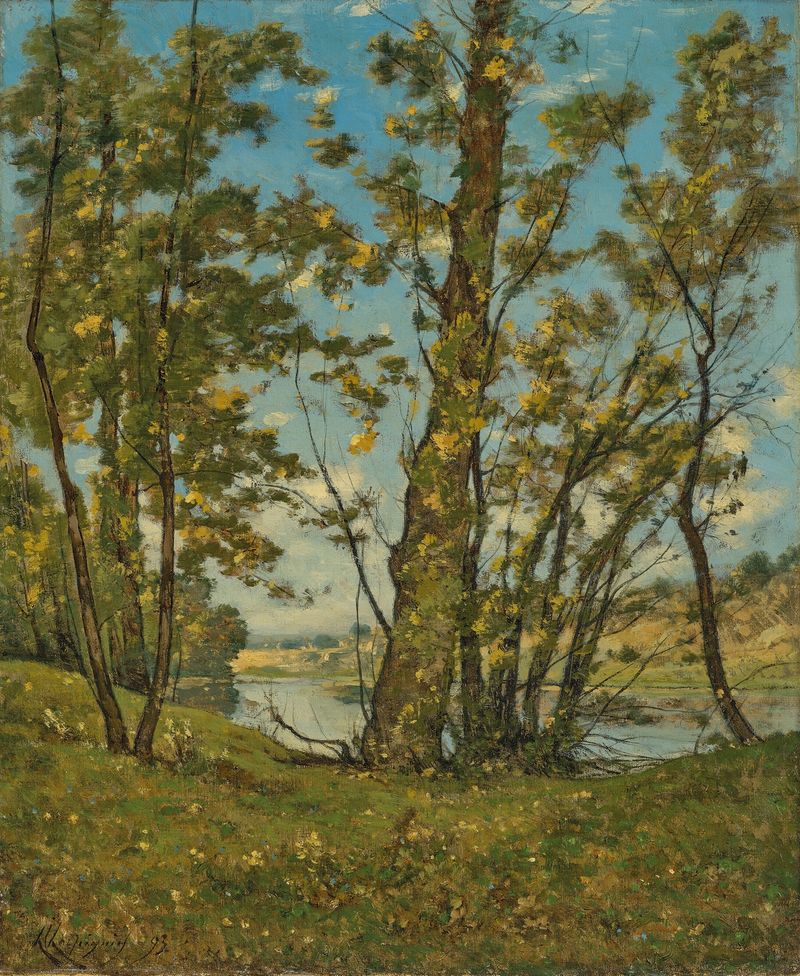
La Loire à Bonny
Henri-Joseph Harpignies
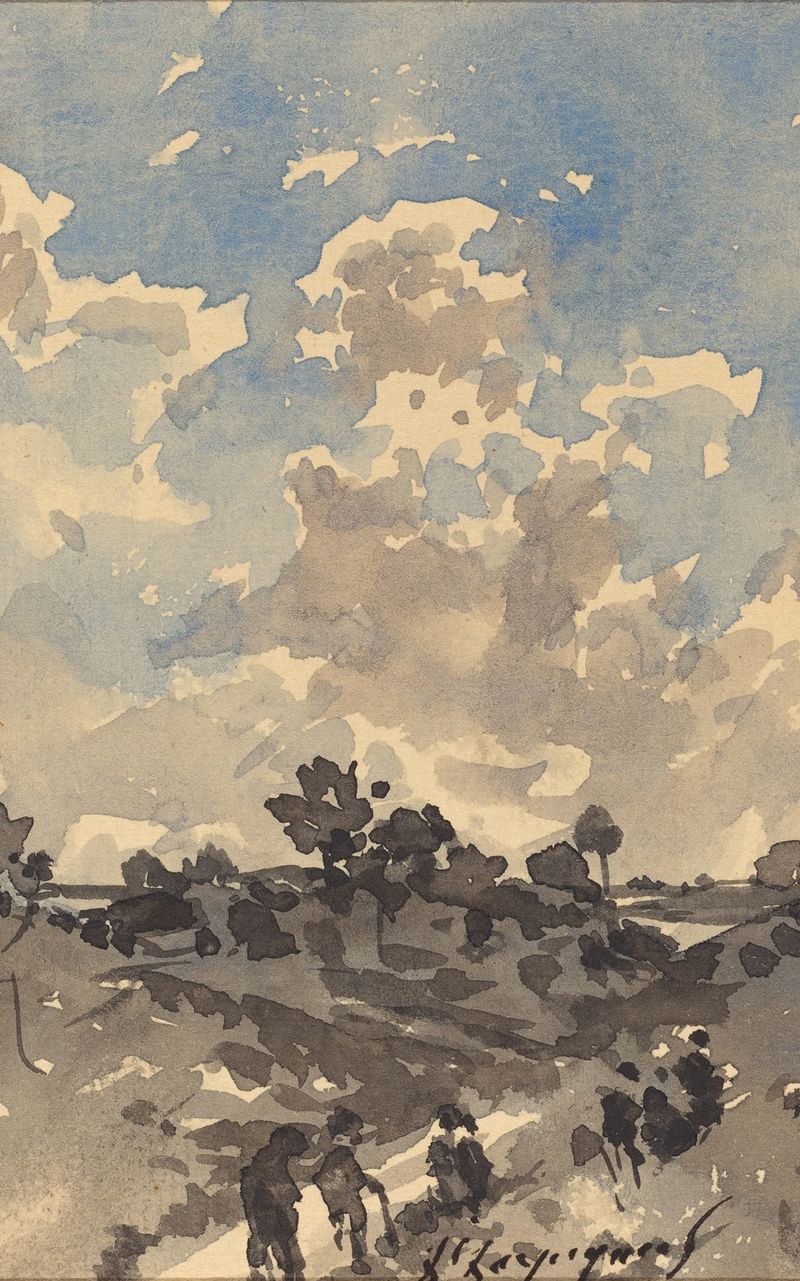
A Landscape with Figures Walking along a Path
Henri-Joseph Harpignies
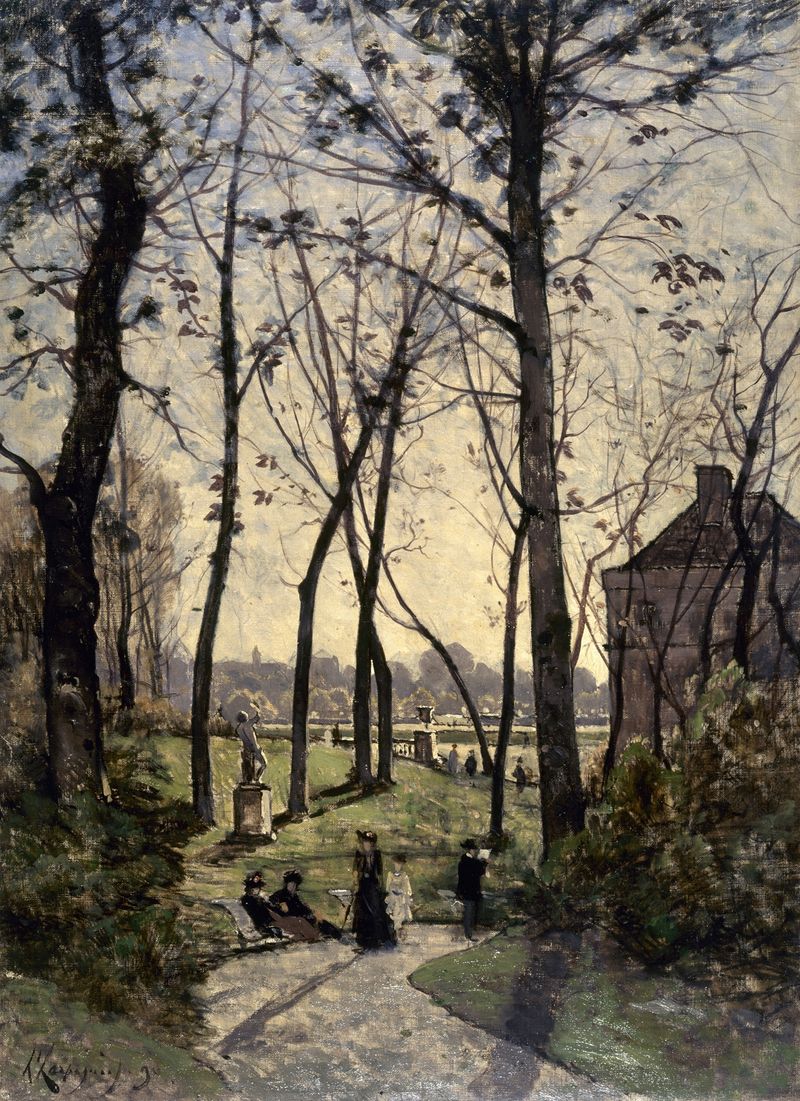
Le jardin du Luxembourg
Henri-Joseph Harpignies
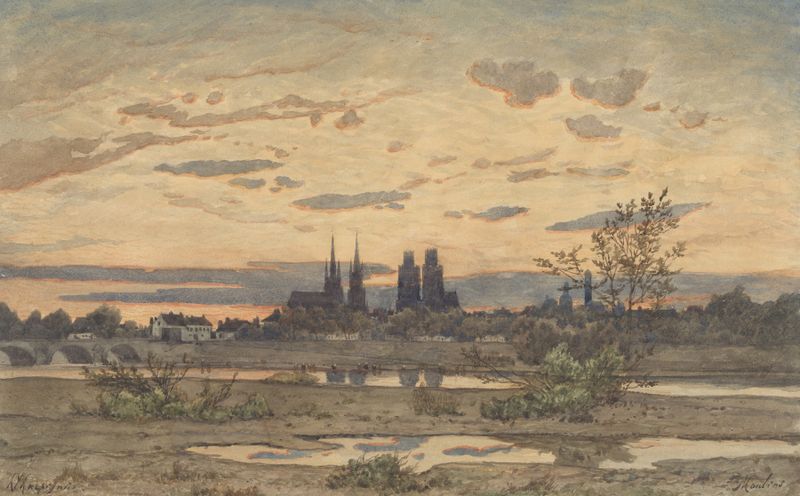
A View of Moulins
Henri-Joseph Harpignies
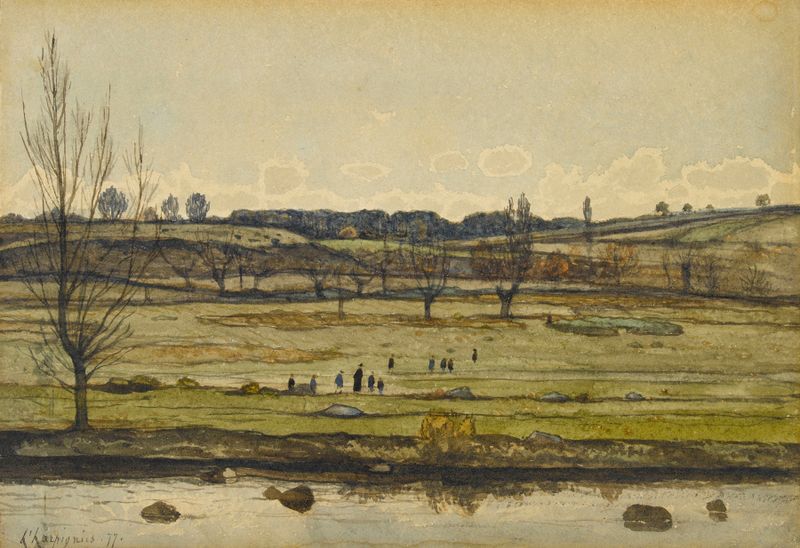
Paysage
Henri-Joseph Harpignies
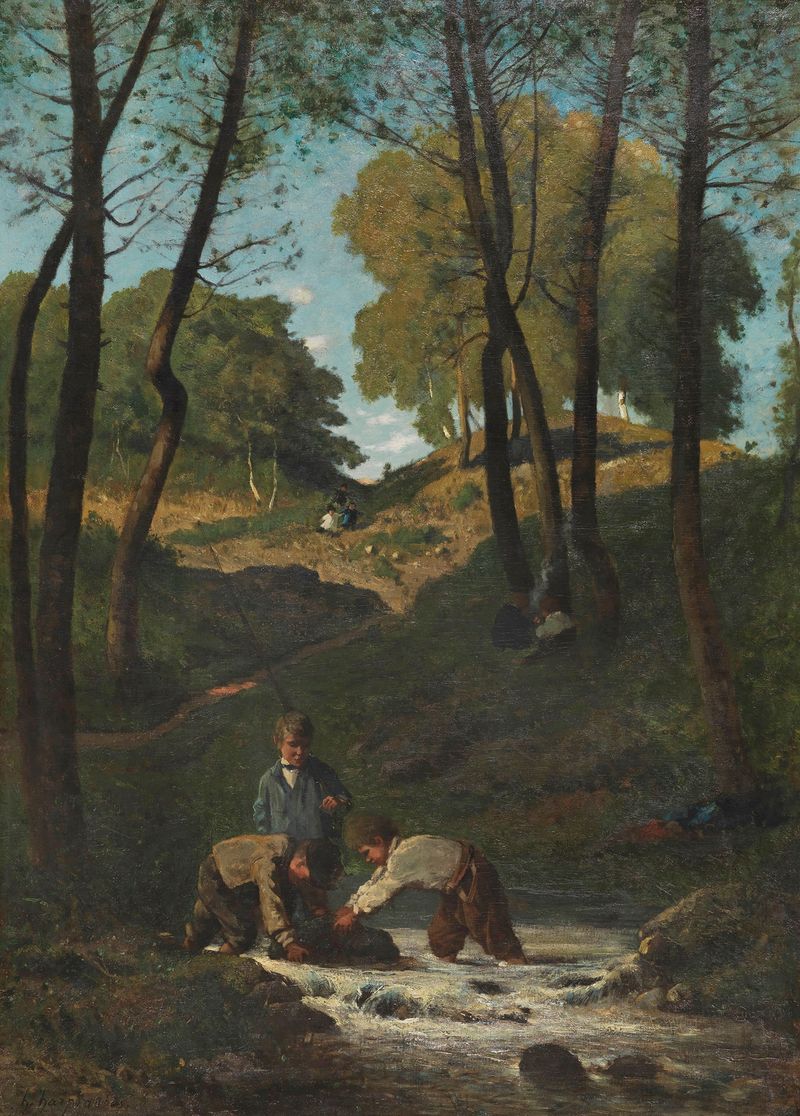
Chercheurs d’écrevisses
Henri-Joseph Harpignies
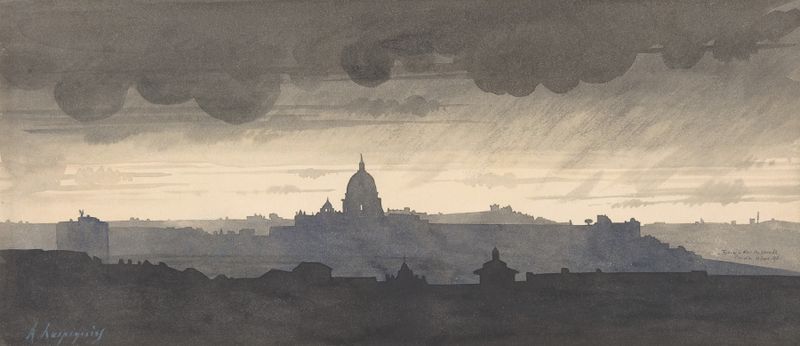
Saint Peter’s Seen From the Pincio, Rome
Henri-Joseph Harpignies
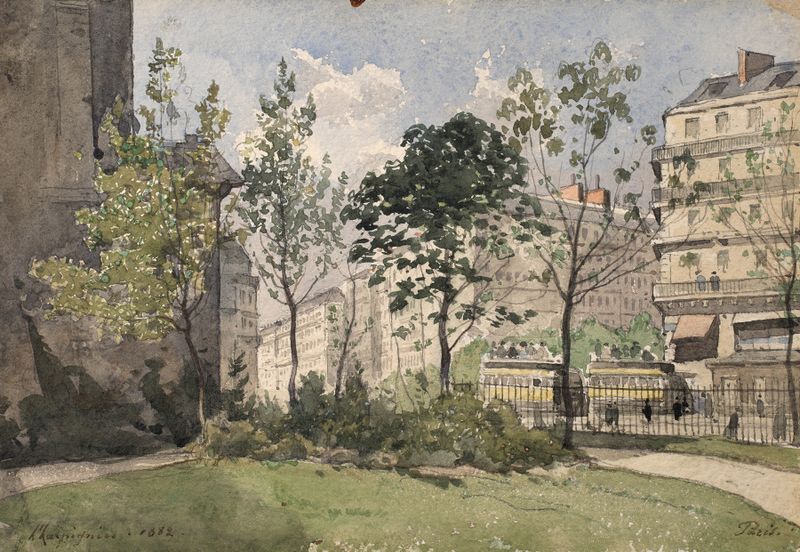
View of the forecourt of the Saint-Germain-des-Prés church
Henri-Joseph Harpignies
Le Colisée à Rome
Henri-Joseph Harpignies

Villefranche
Henri-Joseph Harpignies





